filmbriefs
Director · Screenwriter · Producer · 1898–1981

René Clair

5
briefs
13:00
average
65 min
in total
On film.briefs5
13:00

À Nous la Liberté

René Clair · 1931

René Clair’s 1931 À Nous la Liberté follows two convicts — one who becomes a tramp, the other a phonograph magnate — and their reunion in a factory whose assembly line echoes the prison they fled. With Georges Auric’s music supplying much of the diegetic sound, and Georges Périnal’s cinematography framing both institutions as variations on the same geometry, the film stages a precise, unsentimental satire of mechanisation, class and the illusion of upward mobility. It is formally inventive, politically light-footed, and built on recurrence rather than revelation.
13:00

I Married a Witch

René Clair · 1942

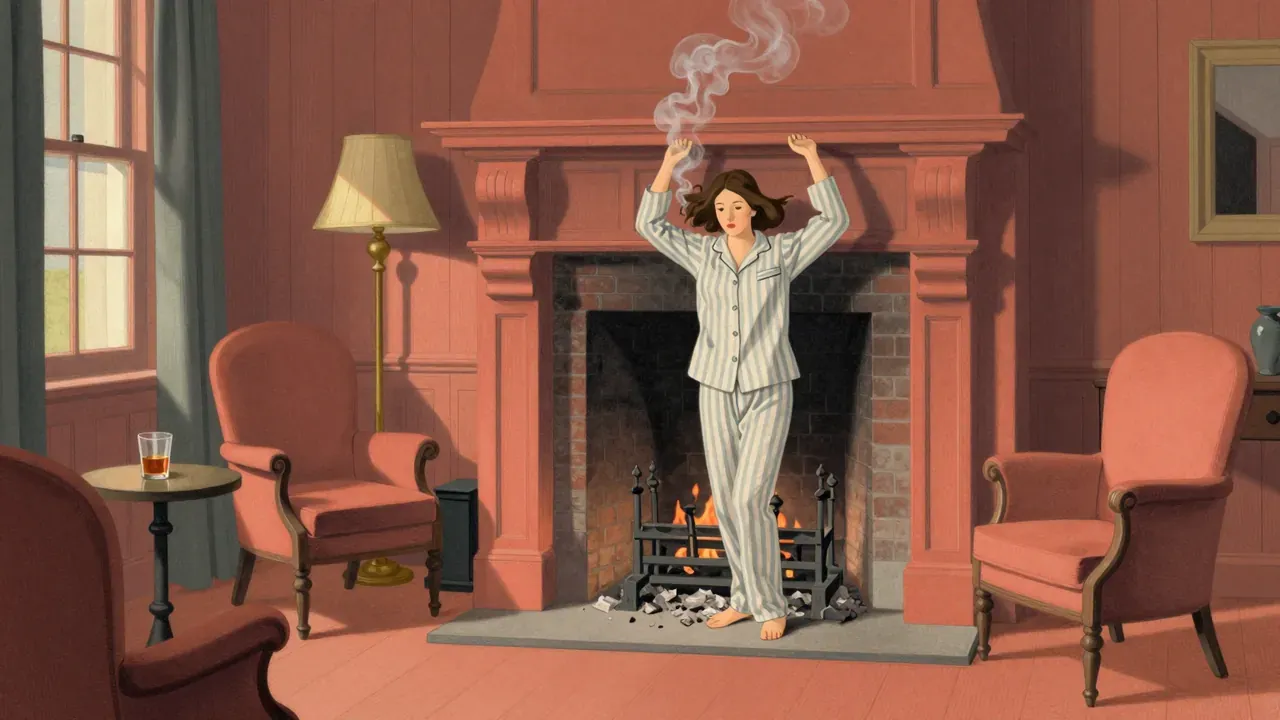
René Clair’s 1942 I Married a Witch is a tightly wound romantic fantasy starring Veronica Lake as a resurrected witch who disrupts the engagement of politician Wallace Wooley (Fredric March). Adapted from Thorne Smith’s unfinished novel, it uses magic not for wonder but as a scalpel to dissect marriage, politics, and gender. Ted Tetzlaff’s cinematography, Roy Webb’s score, and Clair’s economical staging sustain a tone of wry, unhurried absurdity — one that rewards attention to rhythm and restraint over plot or sentiment.

13:00

Le Million

René Clair · 1931

René Clair’s 1931 French musical comedy Le Million follows an artist racing to recover a lottery ticket sewn into a jacket that has passed through criminals, opera singers and dancers. With Georges Périnal’s crisp cinematography, Armand Bernard’s recurring score and René Le Hénaff’s precise editing, it treats sound, movement and narrative as interlocking rhythms — not as storytelling tools, but as the film’s governing logic.

13:00

Under the Roofs of Paris

René Clair · 1930

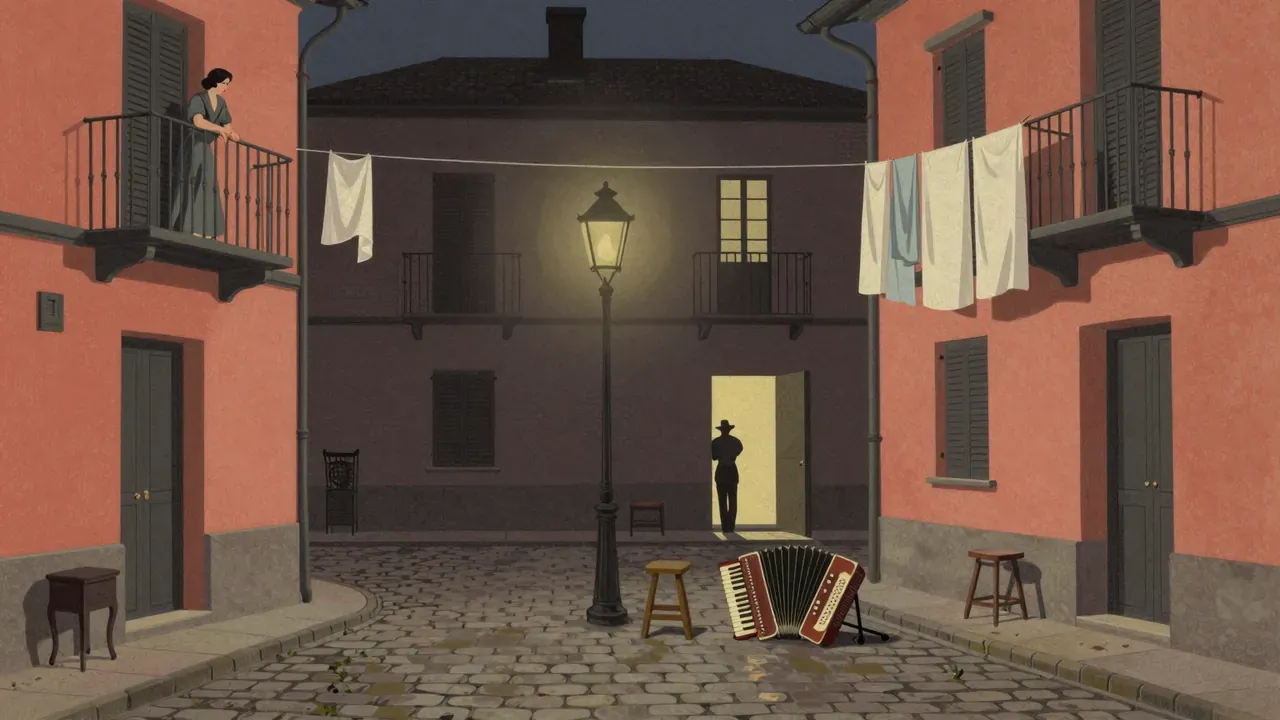
René Clair’s 1930 French sound debut is a formally inventive romance set in a stylised Paris tenement. Built around street singer Albert Préjean and Romanian immigrant Pola Illéry, it uses song, silence and stylised sound design not to replicate reality but to explore proximity, precariousness and the quiet dignity of ordinary life. Shot by Georges Périnal and designed by Lazare Meerson, it balances warmth and melancholy without sentimentality — a foundational work of poetic realism and a sustained argument for cinema’s autonomy from theatre.

13:00

Entr'acte

René Clair · 1924

A 1924 French Dada short directed by René Clair, made as a prologue and entr’acte for the Ballets Suédois production of Relâche. Twenty-two minutes of silent, non-narrative experimentation: reverse motion, tilted frames, rooftop absurdities, and Erik Satie’s score. Cameos by Duchamp, Man Ray, Satie, and Picabia. It treats cinema as a site of playful sabotage — not storytelling, but syntax-breaking.