filmbriefs
Actor · Composer

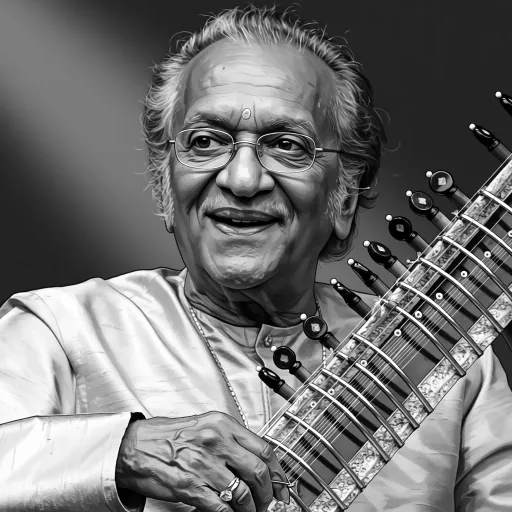
Ravi Shankar

4
briefs
13:00
average
52 min
in total
On film.briefs4
13:00

Monterey Pop

D. A. Pennebaker · 1968

D. A. Pennebaker’s 1968 documentary captures select performances from the 1967 Monterey Pop Festival with minimal intervention: no narration, no crowd shots, no chronological fidelity. Shot on 16mm and mixed from live eight-track recordings, it presents Otis Redding, Ravi Shankar, Jimi Hendrix, The Who, and others as autonomous musical events — valued for physical presence, duration, and sonic fidelity rather than cultural symbolism. Its power lies in restraint, not revelation.

13:00

Apur Sansar

Satyajit Ray · 1959

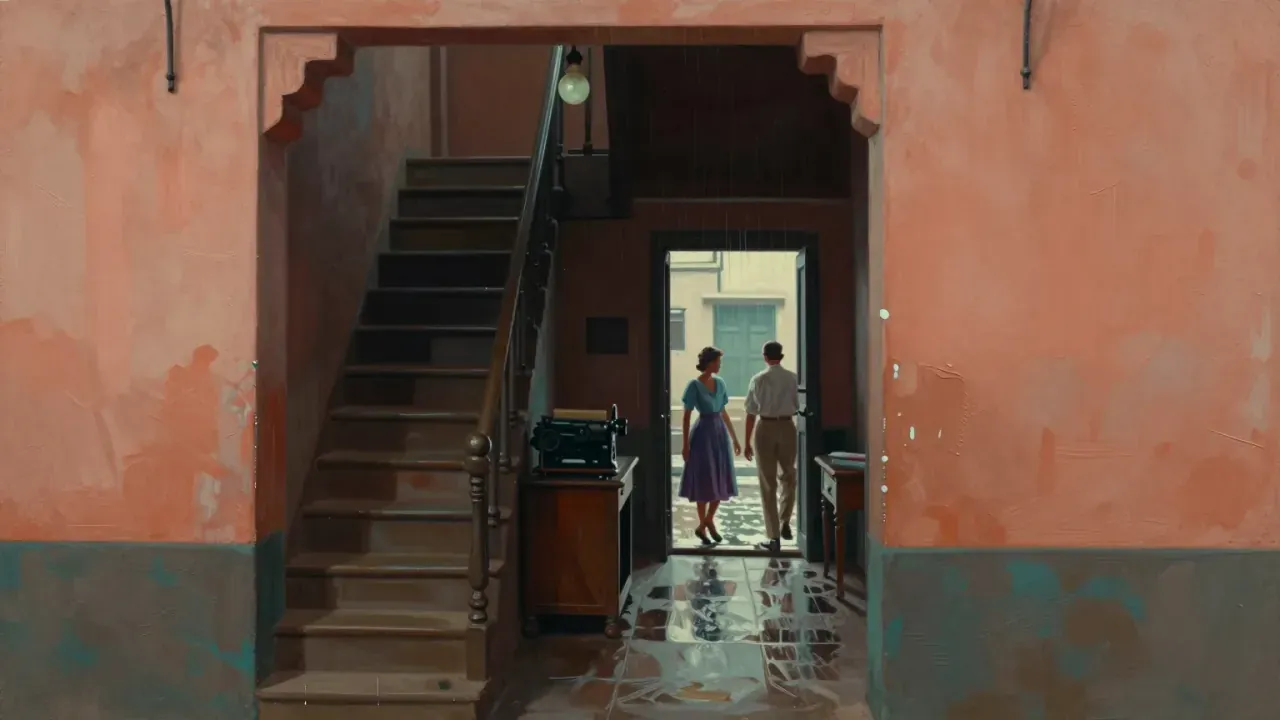
Satyajit Ray’s 1959 Apur Sansar concludes the Apu Trilogy with quiet rigour: Soumitra Chatterjee’s debut as the adult Apu traces a path from drifting graduate to bereft father to tentative parent, shaped by Subrata Mitra’s restrained cinematography and Ravi Shankar’s sparse score. Adapted from Bibhutibhushan Bandopadhyay’s novel, it finds emotional gravity in understatement — in shared meals, unspoken decisions, and the slow reassembly of a life after loss.

13:00

Aparajito

Satyajit Ray · 1956

Satyajit Ray’s 1956 Bengali drama Aparajito, the second film of The Apu Trilogy, follows Apu from childhood to young adulthood across Varanasi, rural Bengal, and Kolkata. It charts his intellectual ascent alongside his emotional withdrawal from his mother Sarbajaya, culminating in her death and his muted, complex response. Shot by Subrata Mitra with diffused lighting and scored by Ravi Shankar, the film relies on stillness, silence, and precise gesture rather than exposition or climax. Though less immediately accessible than its predecessor Pather Panchali, it deepens the trilogy’s inquiry into time, memory, and filial love—winning the Golden Lion at Venice and cementing Ray’s international reputation.

13:00

Pather Panchali

Satyajit Ray · 1955

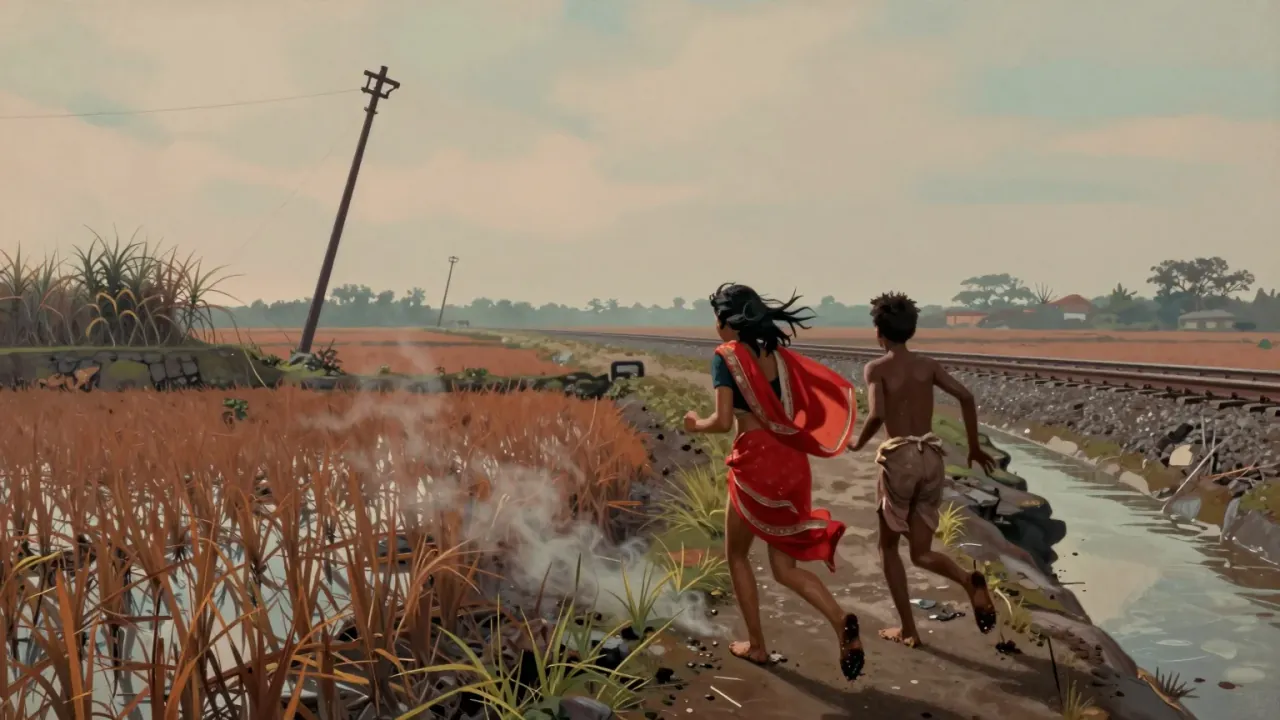
Satyajit Ray’s 1955 debut, adapted from Bibhutibhushan Bandyopadhyay’s novel, follows Apu’s childhood in rural Bengal. Shot on location with amateur actors and a minimal budget, it renders poverty, joy and loss through unhurried observation — no score to cue feeling, no edits to underline meaning. Its influence on global cinema is vast, but its power remains local, specific, and deeply human.