filmbriefs
Director · Screenwriter · Producer

Pedro Almodóvar

4
briefs
13:00
average
52 min
in total
On film.briefs4
13:00

All About My Mother

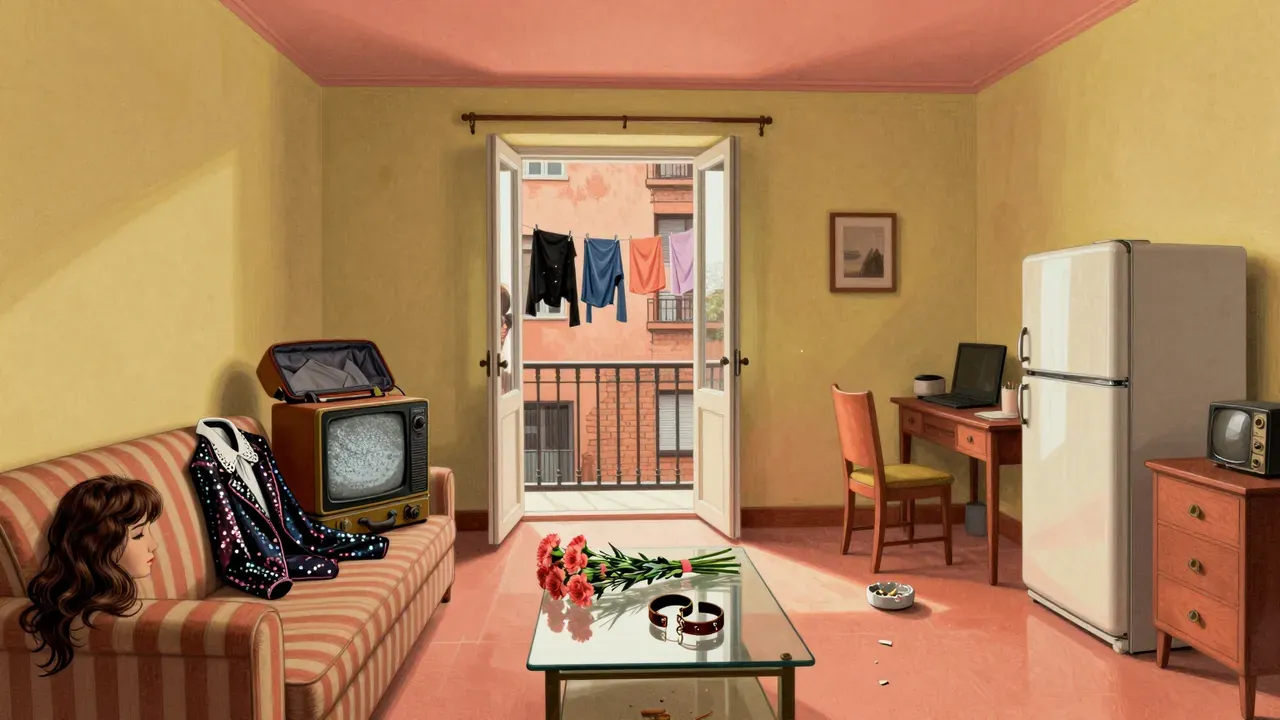
Pedro Almodóvar · 1999

Pedro Almodóvar’s 1999 film follows a nurse who, after her son’s death, seeks his transgender parent in Barcelona and becomes entwined with a community of women and men navigating illness, faith, performance, and motherhood. Shot in Spanish, it uses saturated colour, theatrical reference, and deliberate narrative coincidence to affirm care across difference — not as ideal but as daily, embodied practice.

13:00

The Devil's Backbone

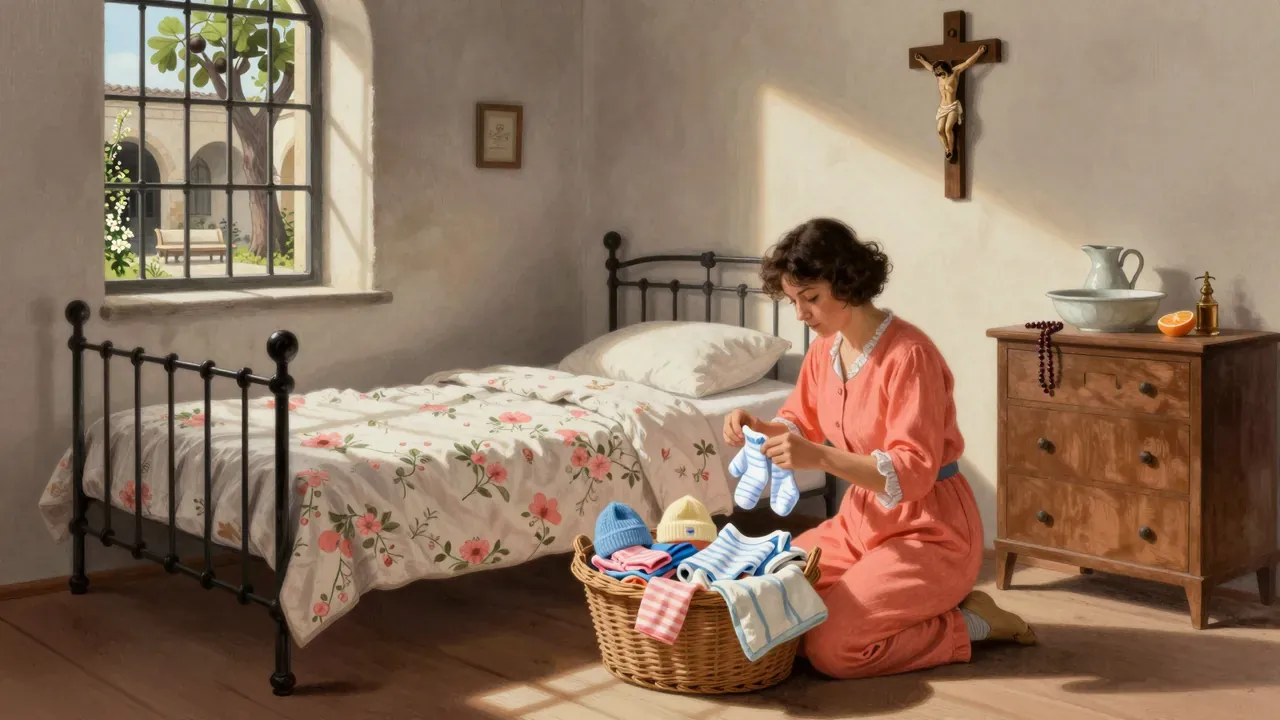
Guillermo del Toro · 2001

Set in a remote Spanish orphanage during the final months of the Civil War, The Devil's Backbone follows a newly arrived boy who encounters the ghost of a murdered peer. Directed by Guillermo del Toro and shot by Guillermo Navarro, the film uses gothic horror conventions to explore inheritance, trauma, and moral accountability. Its restrained performances, muted palette, and deliberate pacing build tension not through shocks but through accumulated silence and implication. Though some narrative devices feel functional rather than felt, its emotional and historical precision makes it a singular entry in both Spanish cinema and the ghost-story tradition.

13:00

Tie Me Up! Tie Me Down!

Pedro Almodóvar · 1989

Pedro Almodóvar’s 1989 film follows a recently released psychiatric patient who kidnaps an actress to force a marriage, treating the premise as a stylised romantic fairy tale rather than psychological realism. Shot in saturated colour by José Luis Alcaine Escaño, scored by Ennio Morricone, and anchored by Victoria Abril and Antonio Banderas, it sustains a precise, unsettling tone — neither endorsing nor condemning its central act, but exploring love as effort, repetition, and recalibration.

13:00

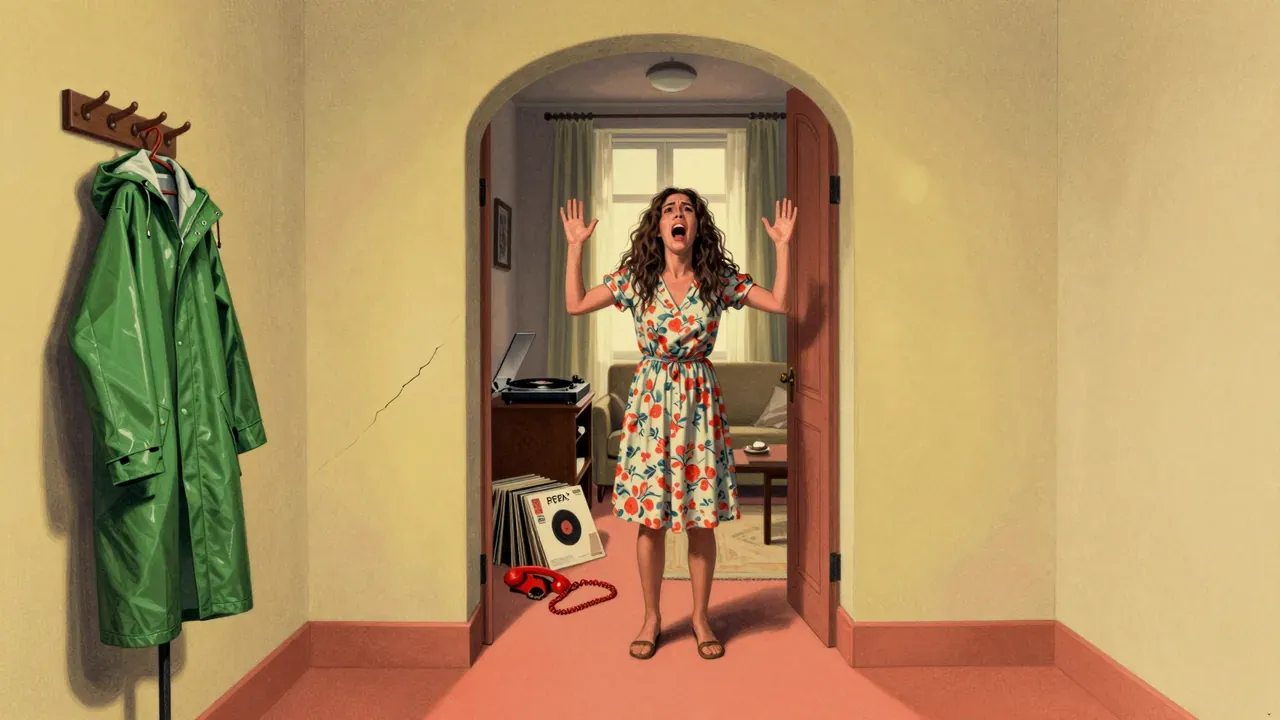
Women on the Verge of a Nervous Breakdown

Pedro Almodóvar · 1988

Pedro Almodóvar’s 1988 black comedy follows Pepa, a voice actress abandoned by her lover, as she navigates a day of escalating chaos in her Madrid apartment. With Carmen Maura at its centre, the film uses saturated colour, rapid editing, and tightly coiled farce to explore female agency, communication failure, and emotional extremity as rational response — not breakdown.