Saved
Director · Screenwriter · 1923–2007

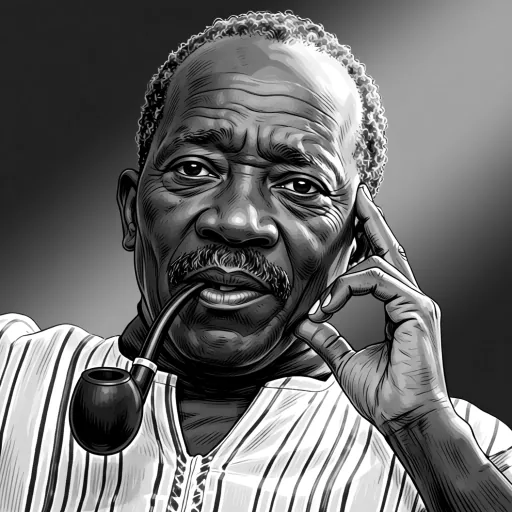
Ousmane Sembène

5
briefs
13:00
average
65 min
in total
On film.briefs5
13:00

Black Girl

Ousmane Sembène · 1966

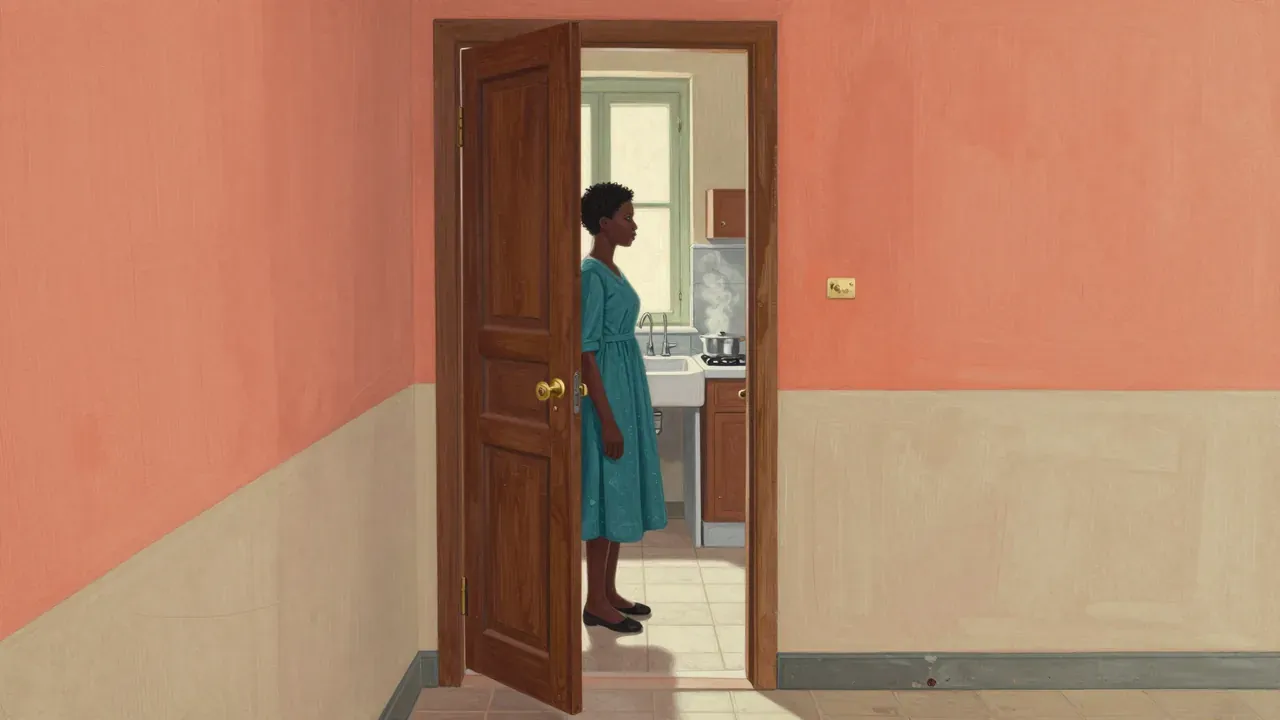
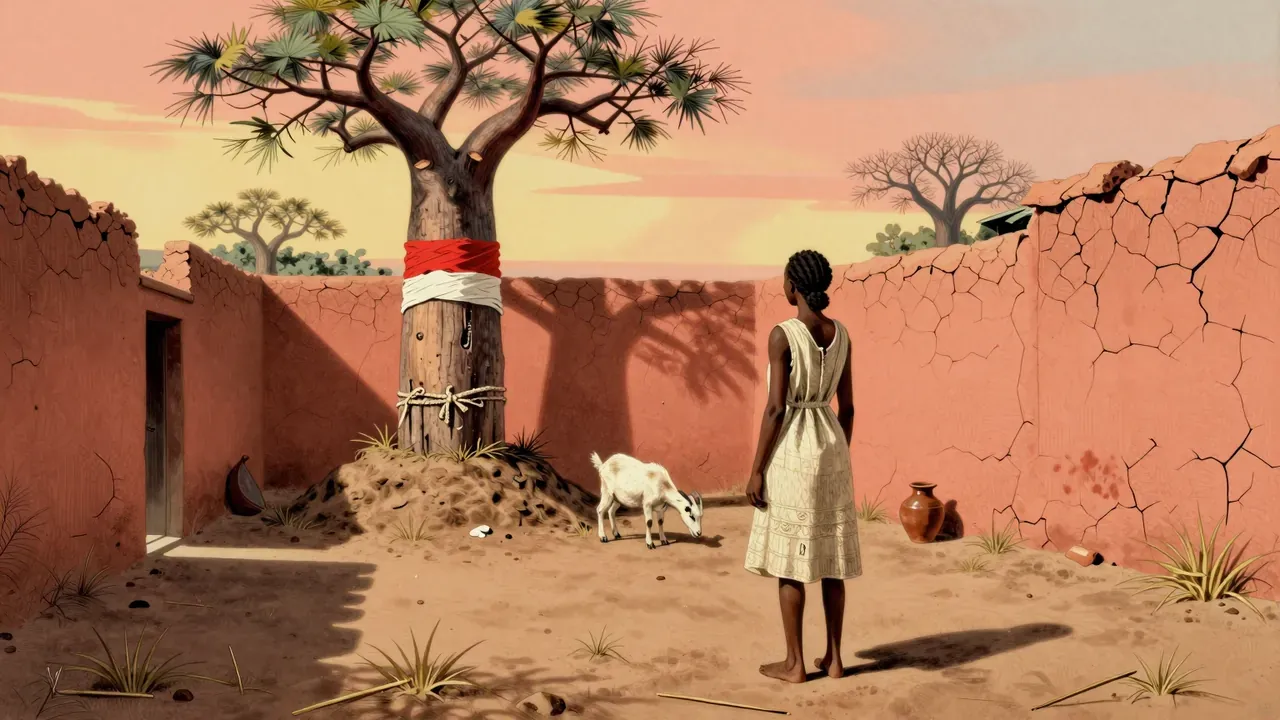
Ousmane Sembène’s 1966 feature debut follows Diouana, a young Senegalese woman who moves to France to work for a French couple, only to find her identity stripped away by isolation, linguistic erasure, and routine condescension. Shot in Senegal with a minimal crew and dubbed dialogue, the film uses stark visual contrast and elliptical editing to trace the psychological toll of colonial labour. Its power lies in restraint: no score, no exposition, no redemption—just the quiet accumulation of small violences, culminating in an act of final autonomy. Widely regarded as the first Sub-Saharan African feature by an African filmmaker to gain international attention, it remains a foundational text of anti-colonial cinema.
13:00

Ceddo

Ousmane Sembène · 1977

Ousmane Sembène’s 1977 Ceddo is a Senegalese historical drama set in a pre-colonial West African village torn between animist tradition, Islam, Christianity, and the slave trade. When the ceddo — the outsiders — abduct the king’s daughter to protest forced conversion, the conflict escalates into violence, conversion, and regicide. Shot in French with Wolof cultural grammar, the film refuses exposition, moral simplification, or sentimental resolution. Its power lies in its formal rigour, political clarity, and unwavering centreing of African epistemic autonomy.

13:00

Emitaï

Ousmane Sembène · 1971

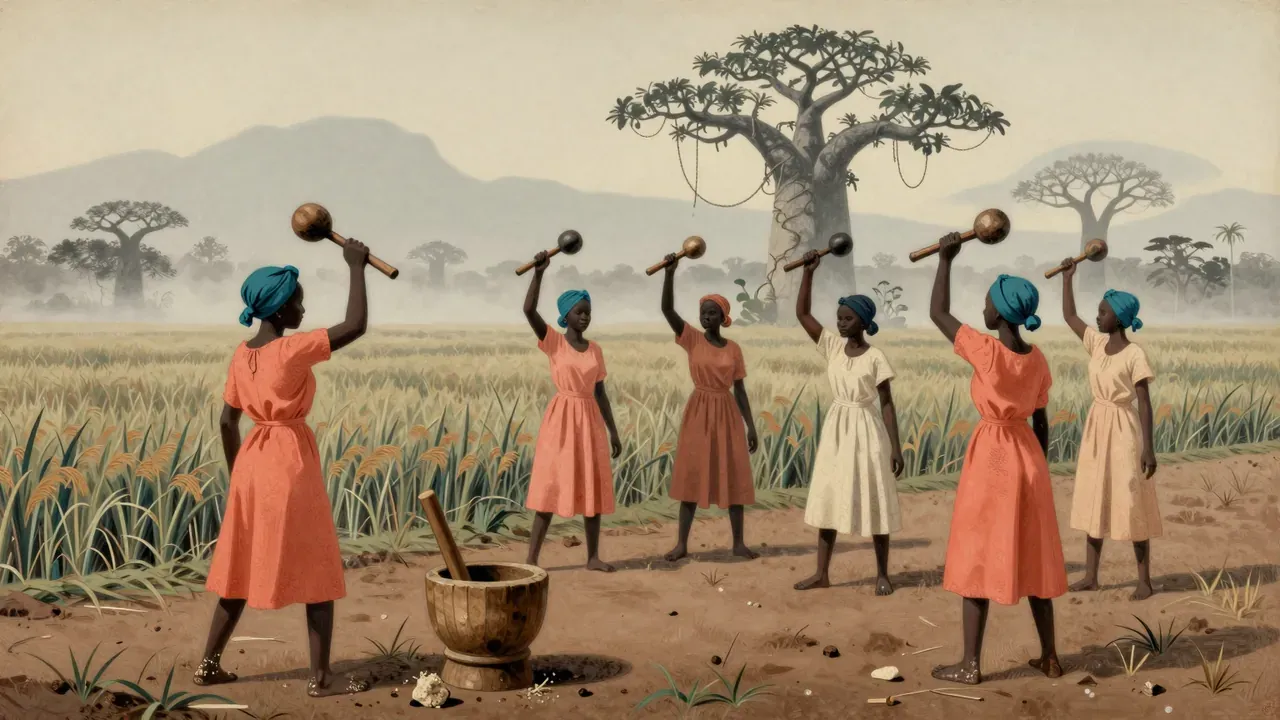
Ousmane Sembène’s 1971 drama Emitaï depicts a Diola village in Senegal resisting forced grain requisitions first by Vichy France, then by Free French forces during the Second World War. Shot in French with Diola-speaking non-professionals, it centres women’s labour, ancestral consultation, and the brutal continuity of colonial administration — culminating in a massacre that arrives without fanfare or framing. The film’s formal restraint, moral clarity, and anti-colonial urgency make it a landmark of African cinema.

13:00

Mandabi

Ousmane Sembène · 1968

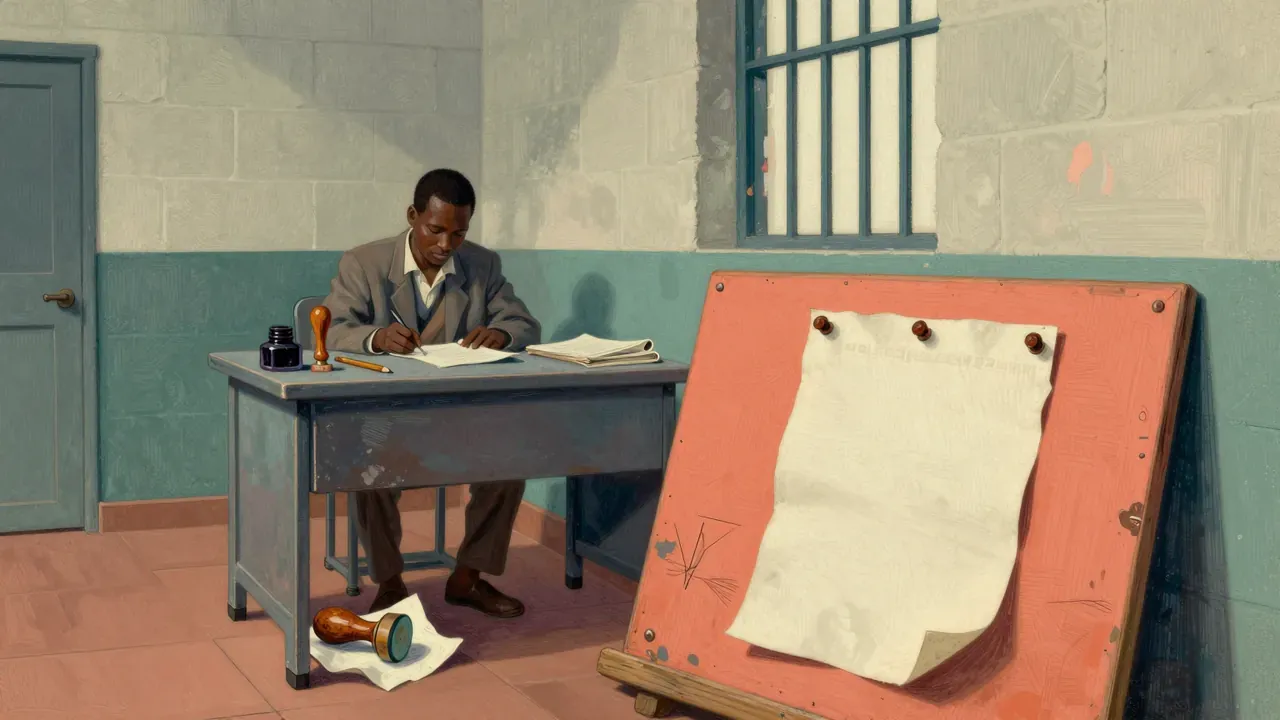
Ousmane Sembène’s 1968 Wolof-language debut follows Ibrahima Dieng, an illiterate Dakar resident, as he attempts to collect a money order from his nephew in Paris. Blocked at every turn by identity requirements, administrative fees, and familial obligations, he sinks deeper into debt — culminating in theft by a relative. Shot with documentary restraint and rooted in Senegalese social reality, Mandabi is a foundational work of African cinema that treats bureaucracy as violence and language as power.

13:00

Xala

Ousmane Sembène · 1975

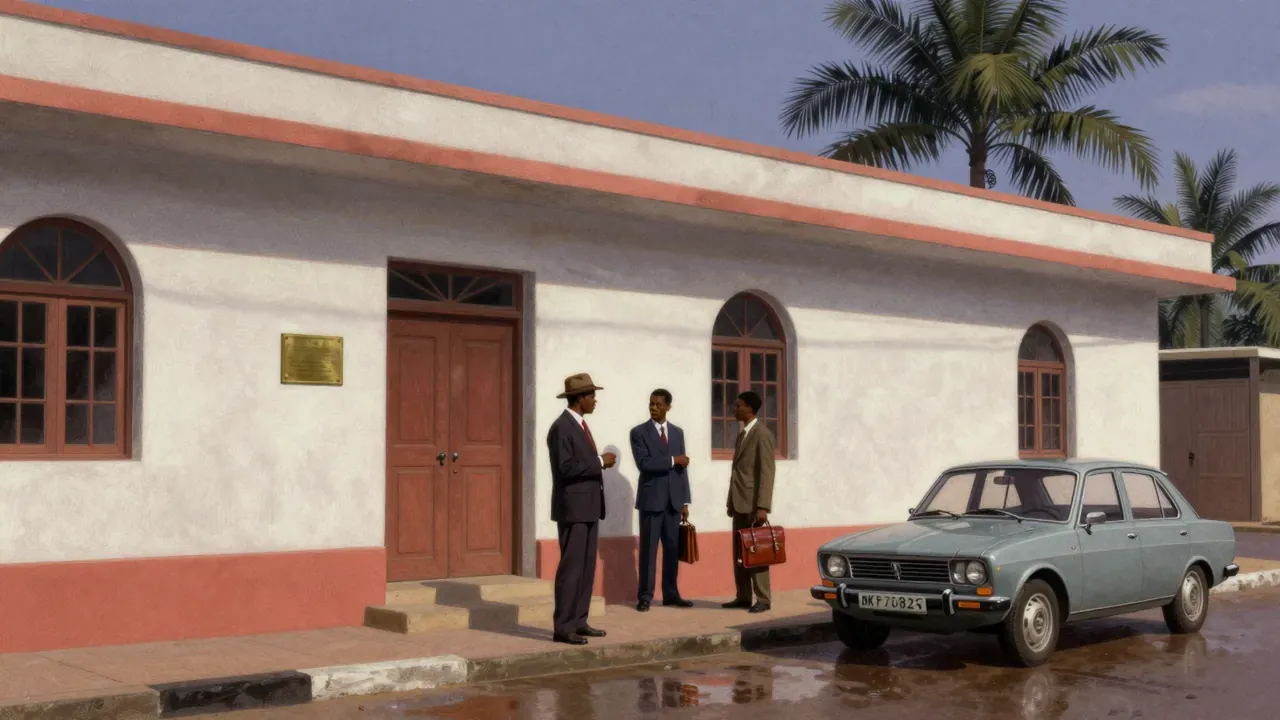
Ousmane Sembène’s 1975 satire follows El Hadji, a Senegalese businessman whose sudden impotence coincides with his appointment to the Chamber of Commerce and his third marriage. As his business unravels and his authority crumbles, the affliction proves allegorical: a diagnosis of moral and political failure in post-independence Senegal. Stylised, unsentimental and precisely constructed, the film uses folk logic and social ritual to indict elite complicity, not individual weakness.