filmbriefs
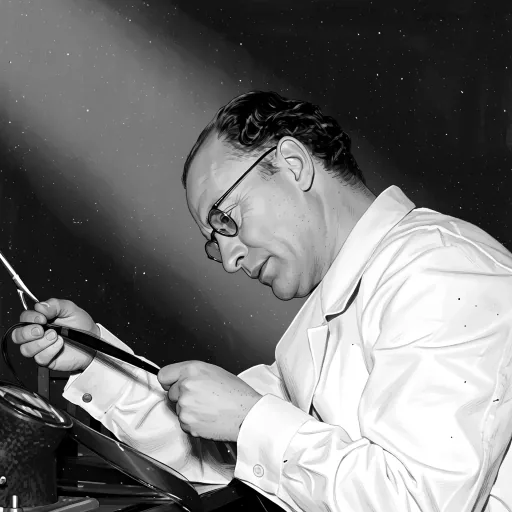
Editor · Cinematographer · 1901–1971

Oscar Rosander

15
briefs
13:00
average
195 min
in total
On film.briefs15
13:00

A Lesson in Love

Ingmar Bergman · 1954

A Lesson in Love (1954) is Ingmar Bergman’s gently ironic study of a Stockholm marriage tested by professional pride, quiet restlessness, and a charming patient. Starring Eva Dahlbeck and Gunnar Björnstrand, it trades existential gravity for domestic nuance, using light comedy and unhurried observation to explore love as daily practice rather than grand declaration. Shot by Martin Bodin and scored by Dag Wirén, it remains a subtle, underseen pivot in Bergman’s career — modest in scope, exact in execution.

13:00

Crisis

Ingmar Bergman · 1946

Ingmar Bergman’s 1946 debut Crisis adapts a Danish radio play into a tightly plotted Swedish drama about an 18-year-old girl torn between her stern foster mother and her glamorous, compromised biological mother. Shot in studio-bound naturalism by Oscar Rosander, it traces Nelly’s journey from village innocence to urban disillusionment and back — not as psychological evolution but as a series of ethically weighted decisions. Its strength lies in structural rigour and moral specificity; its weakness in underdeveloped psychology and tonal uncertainty in the city sequences.

13:00

Dollar

Gustaf Molander · 1938

Dollar is a tightly constructed 1938 Swedish comedy directed by Gustaf Molander, starring Ingrid Bergman as Julia Balzar. When compulsive gambler Louis Brenner incurs a large debt, a cheque is written to cover it — but its true origin sparks misunderstandings among three affluent couples holidaying at a ski resort. Misattributed generosity, psychosomatic paralysis, and a high-stakes psychoanalytic wager unfold with quiet precision, culminating in a late revelation about whose money was really spent. Shot by Åke Dahlqvist and edited by Oscar Rosander, it prioritises structural clarity over emotional exposition.

13:00

June Nights

Per Lindberg · 1940

Per Lindberg’s June Nights (1940) follows Kerstin Nordbäck (Ingrid Bergman), a woman shot by her sailor lover and subsequently branded a ‘tramp’ by the press. She relocates to Stockholm to rebuild her life, only for the journalists to follow. Written by Ragnar Hyltén-Cavallius and shot by Åke Dahlqvist, the film is a restrained, psychologically precise drama about reputation, labour, and the asymmetry of visibility in a world governed by headlines.

13:00

Port of Call

Ingmar Bergman · 1948

Set in postwar Gothenburg, Port of Call follows Berit, a young woman recovering from a suicide attempt, and Gösta, a sailor choosing to stay on land. Their relationship unfolds without melodrama, anchored in small gestures, unspoken histories, and the quiet persistence of daily life. Shot by Gunnar Fischer and scored sparingly by Erland von Koch, it is Bergman’s first sustained engagement with psychological realism—grounded, restrained, and resolutely unmetaphorical.

13:00

Secrets of Women

Ingmar Bergman · 1952

Ingmar Bergman’s 1952 drama Secrets of Women unfolds across three interwoven stories told by women waiting for their husbands. Shot in crisp black-and-white by Gunnar Fischer, it observes marital tension, concealed pregnancy, and marital farce with quiet precision — avoiding grand statements in favour of subtle shifts in tone, glance, and silence.

13:00

Smiles of a Summer Night

Ingmar Bergman · 1955

Set over one Midsummer Night in early-twentieth-century Sweden, Ingmar Bergman’s Smiles of a Summer Night traces shifting affections among lawyers, actresses, counts and servants. Shot by Gunnar Fischer and scored by Erik Nordgren, it balances theatrical structure with emotional nuance, using wit and restraint rather than exposition or psychology to resolve its tangles. It is a film about how love negotiates time, class and habit — not revelation, but recalibration.

13:00

Summer Interlude

Ingmar Bergman · 1951

Ingmar Bergman’s 1951 drama follows a ballerina who, during a tense rehearsal day, receives the diary of her first love — a young man who died thirteen years earlier after a diving accident. Returning to the island where they met, she revisits that summer not to grieve anew, but to rediscover the physical ease and emotional openness she buried beneath professional discipline and adult reserve. Shot on location at Dalarö with restrained cinematography by Gunnar Fischer, the film balances memory and immediacy, loss and renewal, without recourse to exposition or sentiment. It marks Bergman’s turn toward psychological intimacy and formal precision — not as intellectual exercise, but as embodied experience.

13:00

The Devil's Eye

Ingmar Bergman · 1960

Ingmar Bergman’s 1960 fantasy comedy The Devil’s Eye follows Satan’s attempt to cure a metaphysical stye by sending Don Juan to seduce a Swedish vicar’s chaste daughter. Shot by Gunnar Fischer and scored by Erik Nordgren, it treats heaven, hell, and bourgeois domesticity as adjacent departments in the same administrative system — dry, precise, and quietly subversive.

13:00

The Magician

Ingmar Bergman · 1958

Ingmar Bergman’s 1958 The Magician follows a travelling troupe of performers led by mute magician Albert Vogler, whose claims of supernatural ability provoke suspicion in a Swedish village. Through layered deceptions, an autopsy gone awry, and a final royal summons, the film examines belief, authority, and the blurred line between fraud and revelation — all rendered in Gunnar Fischer’s muted, reflective cinematography and sustained by Max von Sydow’s physically restrained performance.

13:00

To Joy

Ingmar Bergman · 1950

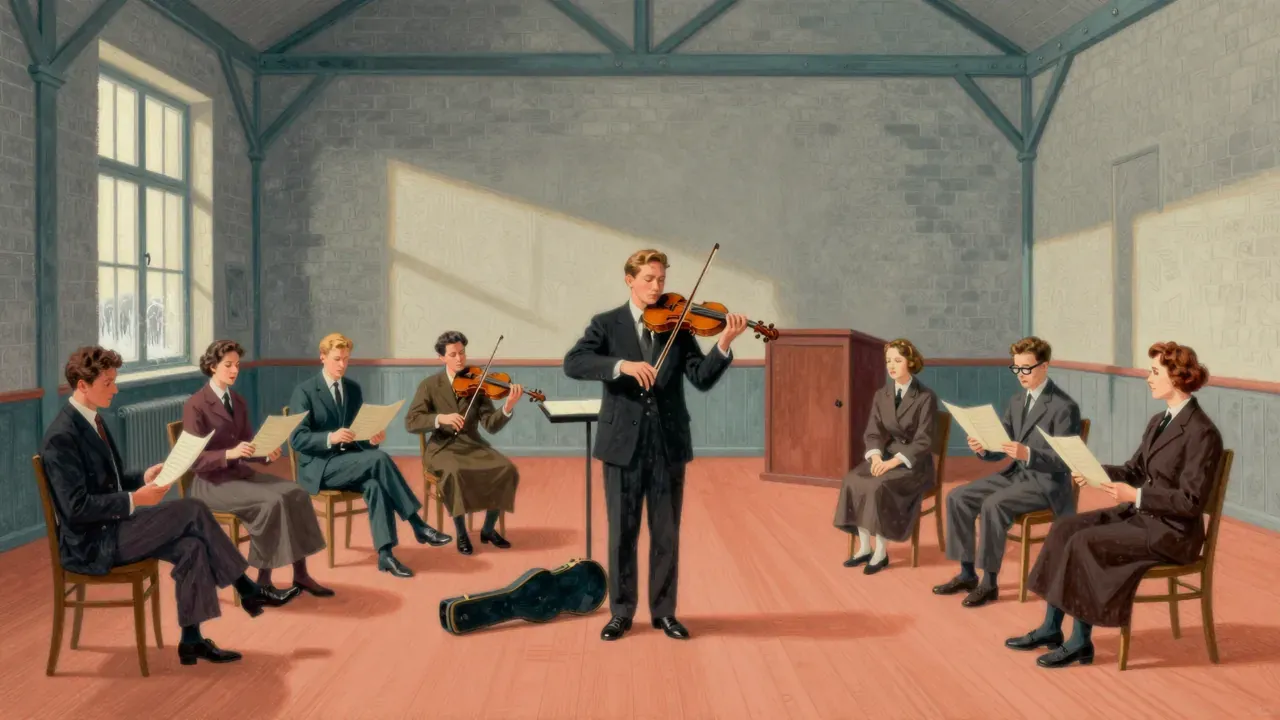
Ingmar Bergman’s 1950 drama follows violinists Stig and Marta as their marriage frays under the pressure of professional compromise, unspoken resentment, and the lure of easier affections. Shot in restrained black-and-white by Gunnar Fischer, with performances rooted in physical detail rather than declamation, it is a film of accumulations — glances, silences, repeated gestures — rather than climaxes. Its power lies in its refusal to moralise or resolve.

13:00

Torment

Alf Sjöberg · 1944

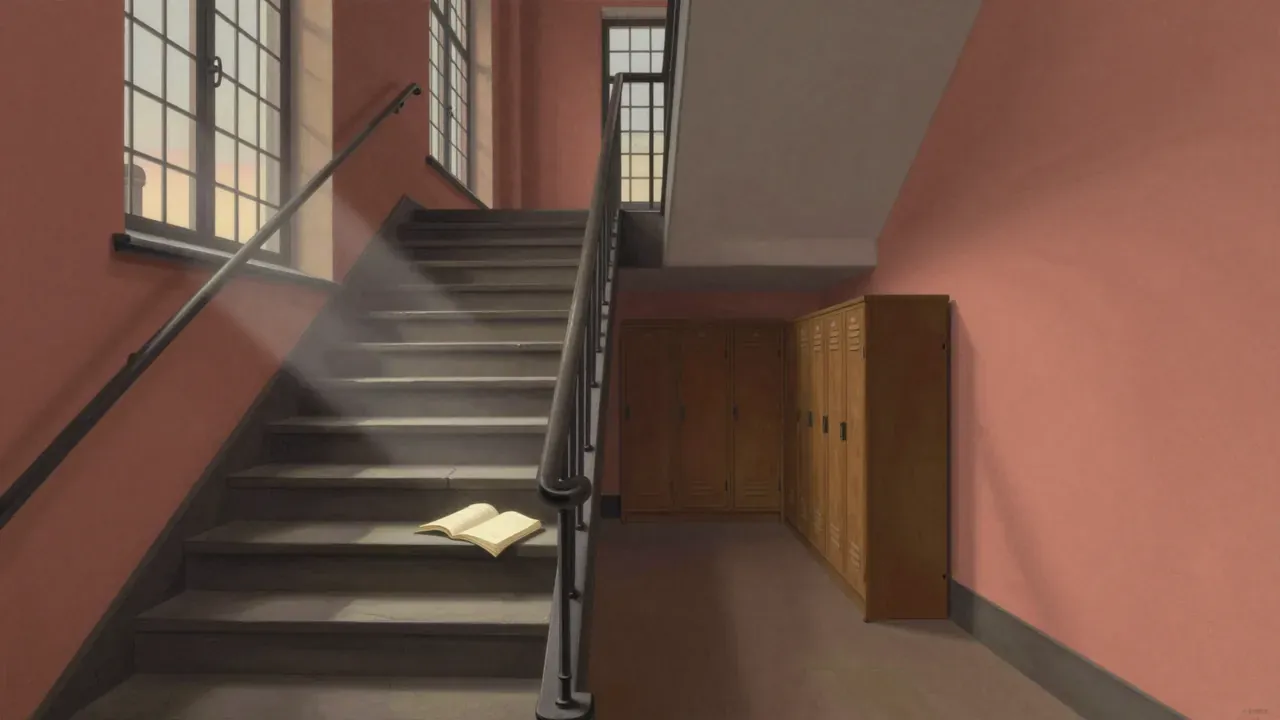
Torment (1944), written by Ingmar Bergman and directed by Alf Sjöberg, follows a Stockholm student tormented by a sadistic Latin teacher. Shot with stark realism and minimal score, it uses the school as a closed system of power, exposing how abuse thrives in bureaucratic silence. Its restrained performances and unsentimental structure make it a foundational work of Scandinavian arthouse cinema — less concerned with individual guilt than with the architecture of complicity.

13:00

Walpurgis Night

Gustaf Edgren · 1935

A 1935 Swedish drama set over one Walpurgis Night in Stockholm, Walpurgis Night observes a civil servant’s household as long-held tensions surface amid guests, family, and fading light. Directed by Gustaf Edgren and written by Oscar Rydqvist, it features early performances by Ingrid Bergman and Victor Sjöström, with restrained craft across cinematography, editing, and performance. Its strength lies in behavioural nuance and temporal precision; its weakness, occasional narrative vagueness and underdeveloped subplots.

13:00

The Virgin Spring

Ingmar Bergman · 1960

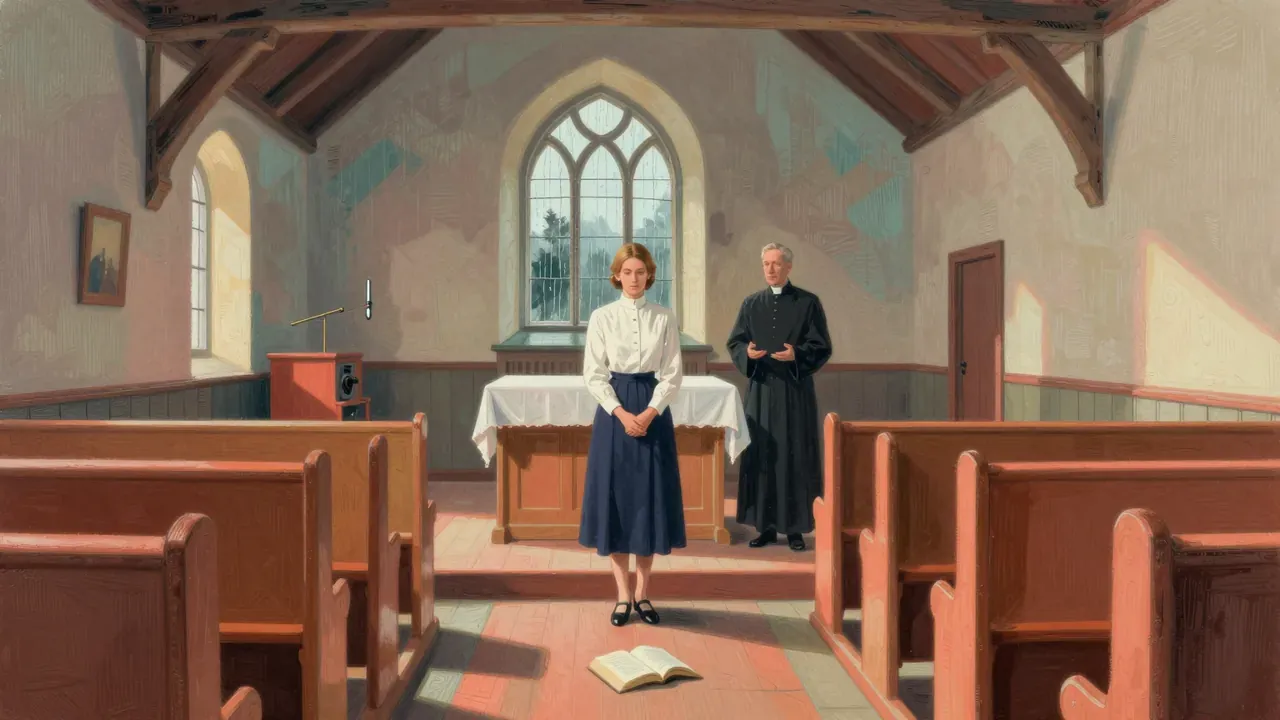
Ingmar Bergman’s 1960 drama, adapted by Ulla Isaksson from a medieval Swedish ballad, follows a Christian landowner whose daughter is raped and murdered by three herdsmen. After they unknowingly seek shelter at his home, he kills them at dawn. At the site of her death, a spring emerges. Shot by Sven Nykvist in austere natural light, the film explores guilt, vengeance, and the silence of God — not as abstract ideas, but as physical, inescapable facts.

13:00

Wild Strawberries

Ingmar Bergman · 1957

Victor Sjöström, in his last screen role, plays an elderly professor driving to collect an honorary degree while dreams and hitchhikers force him to confront the coldness he built his life on. Ingmar Bergman wrote it from a hospital bed the same year as The Seventh Seal, and it won the Golden Bear in Berlin, becoming one of the clearest statements of his recurring interest in memory, guilt, and old age.