filmbriefs
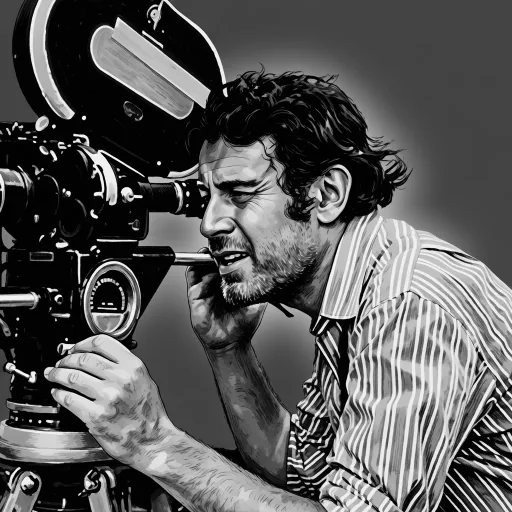
Cinematographer

Miroslav Ondříček

4
briefs
13:00
average
52 min
in total
On film.briefs4
13:00

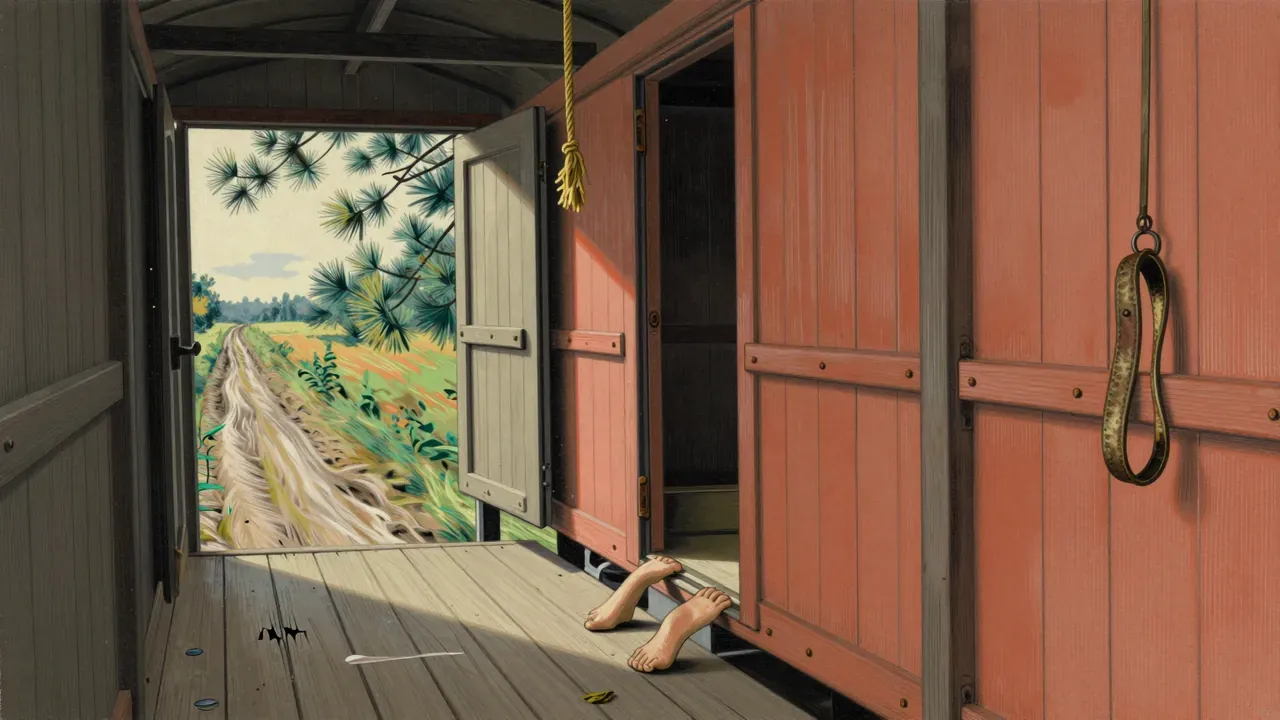
Diamonds of the Night

Jan Němec · 1964

Jan Němec’s 1964 debut Diamonds of the Night follows two teenage boys fleeing a train to a concentration camp. With minimal dialogue and radical editing, it immerses the viewer in their physical and psychological disintegration—hunger, memory, hallucination and exhaustion rendered through stark cinematography, tactile sound design and restrained performances. Adapted from Arnošt Lustig’s autobiographical story, it avoids exposition in favour of embodied realism and surreal rupture. Its power lies in what it withholds as much as what it shows.
13:00

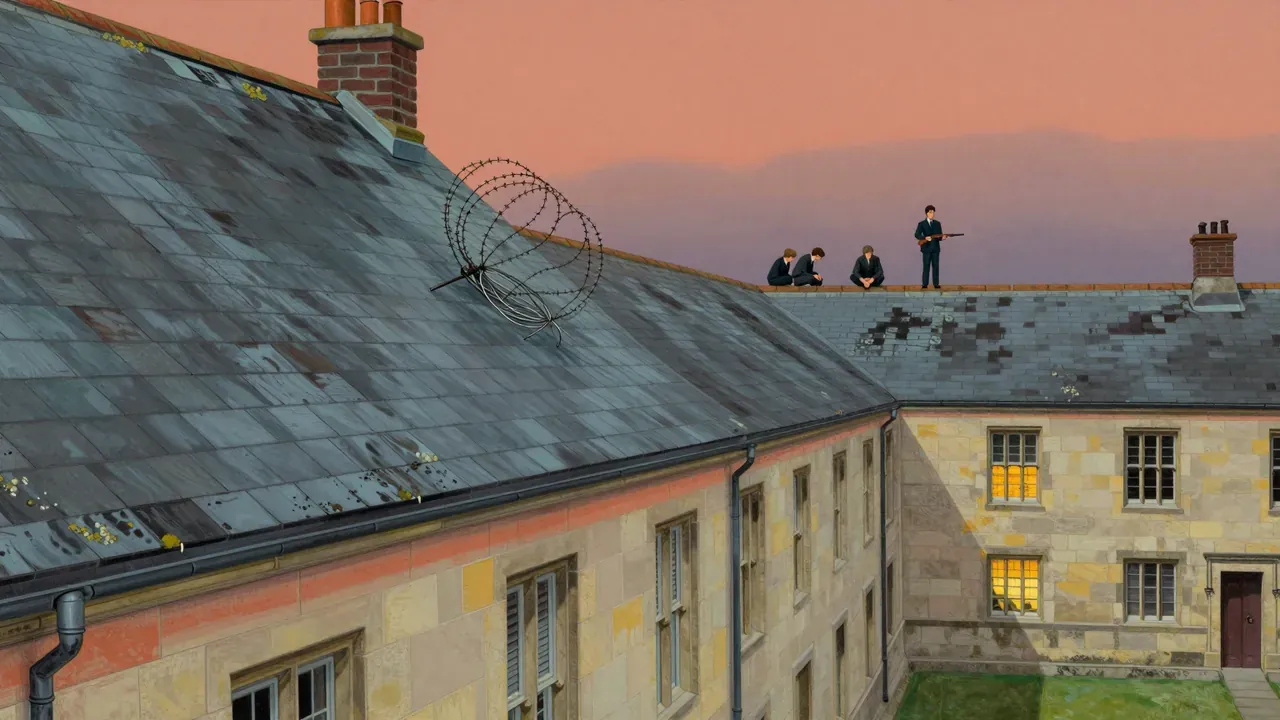
If....

Lindsay Anderson · 1968

Lindsay Anderson’s 1968 If.... is a black-and-white-and-colour satire of English public school life, following Malcolm McDowell’s Mick Travis and two peers as they move from quiet dissent to armed revolt. Shot across Cheltenham College and Aldenham School, it uses surrealist interludes, abrupt tonal shifts, and a fragmented narrative to dissect hierarchy, delegated authority, and the institutional reproduction of violence. Though its Palme d’Or win and critical acclaim attest to its impact, its refusal of psychological exposition and narrative closure makes it demanding — and enduring.

13:00

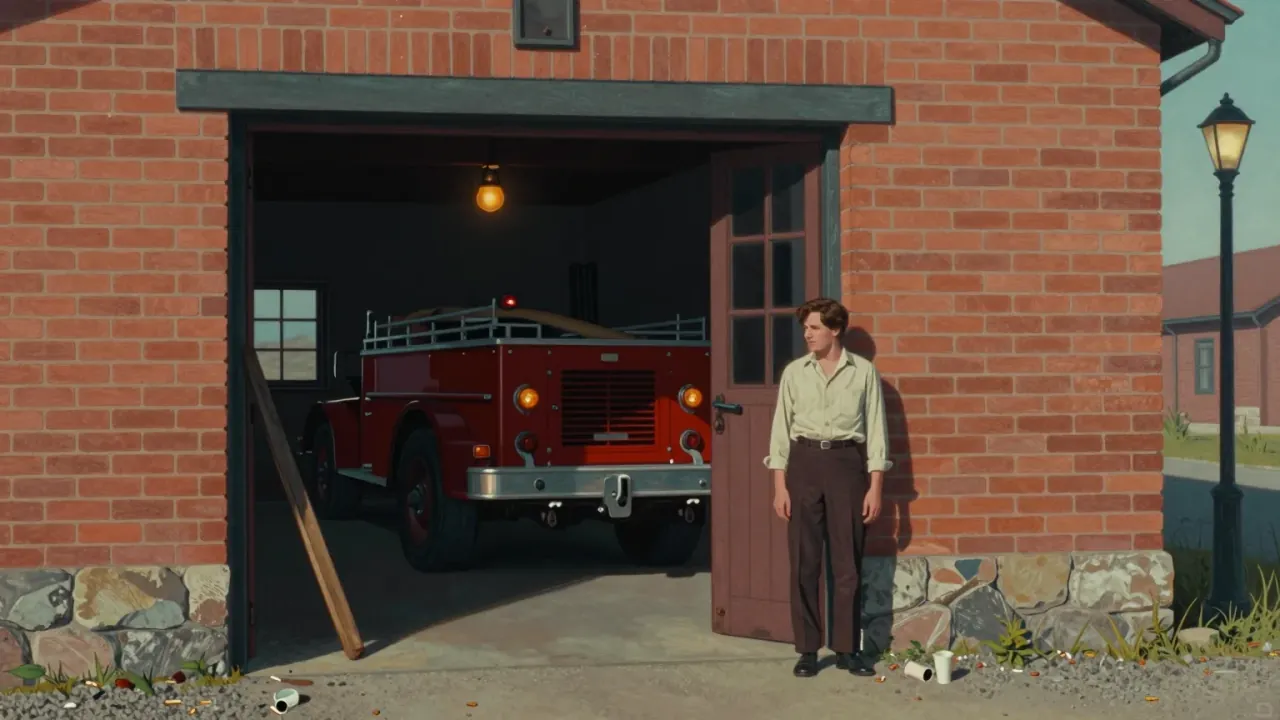
The Fireman's Ball

Miloš Forman · 1967

Miloš Forman’s 1967 Czechoslovak comedy follows a provincial fire brigade’s annual ball as it slowly derails under the weight of its own good intentions, indifference and procedural inertia. Shot at Barrandov Studios by Miroslav Ondříček and scored by Karel Mareš, it observes without judging, repeats without explaining, and ends without resolving — making its case for the quiet absurdity of communal life through restraint, not rhetoric.

13:00

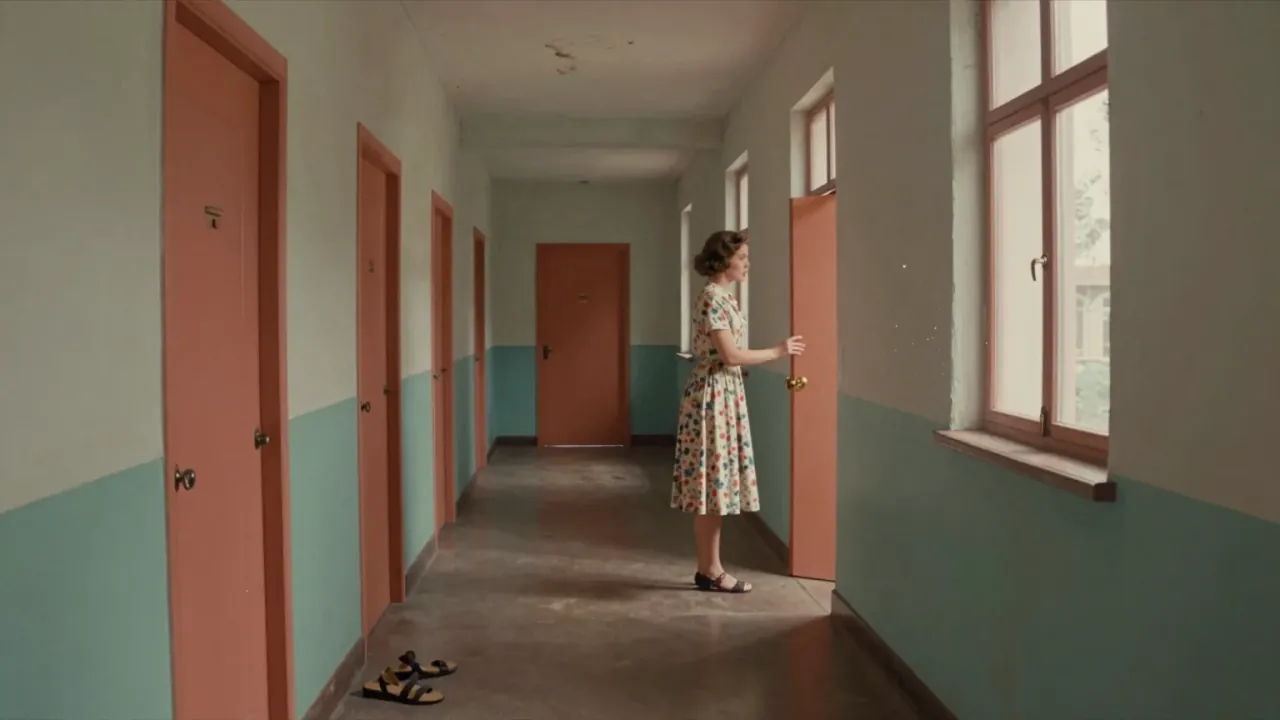
Loves of a Blonde

Miloš Forman · 1965

Loves of a Blonde (1965), Miloš Forman’s second feature, follows Andula, an 18-year-old shoe-factory worker in provincial Czechoslovakia, as she navigates romance, loneliness and social expectation. Shot on location with mostly non-professional performers and extensive improvisation, it uses documentary-style techniques to build a restrained, unsentimental portrait of young adulthood under late socialism. Its power lies in duration, texture and behavioural authenticity rather than plot or exposition.