filmbriefs
Studio

Merchant Ivory Productions

4
briefs
13:00
average
52 min
in total
On film.briefs4
13:00

Howards End

James Ivory · 1992

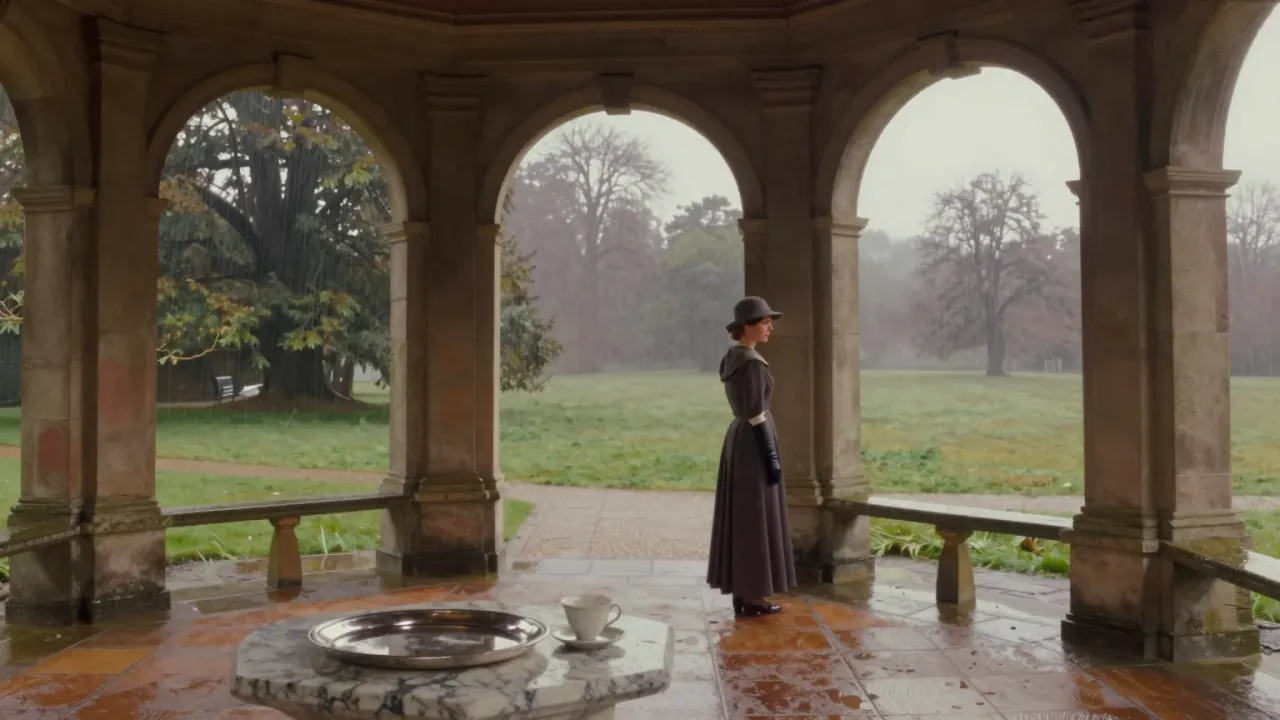
James Ivory’s 1992 adaptation of E. M. Forster’s novel traces class, inheritance, and quiet moral reckoning across Edwardian Britain. Emma Thompson, Anthony Hopkins, and Vanessa Redgrave anchor a precisely observed world where property, language, and silence carry equal weight. Tony Pierce-Roberts’ cinematography and Luciana Arrighi’s production design ground the film in tactile reality, while Richard Robbins’ score underscores its restraint. Though some subplots lack depth and its pacing demands patience, the film rewards close attention with cumulative emotional and intellectual resonance.

13:00

A Room with a View

James Ivory · 1986

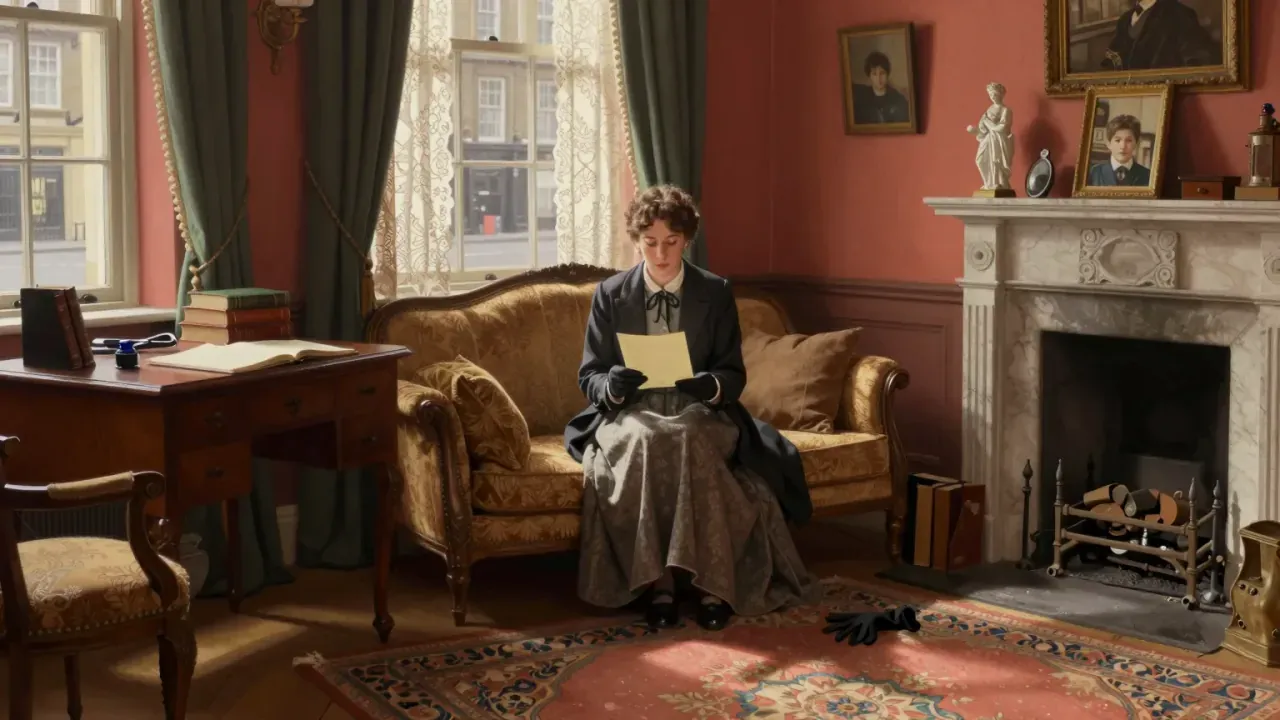
James Ivory’s 1986 adaptation of E. M. Forster’s novel follows Lucy Honeychurch’s awakening to desire and selfhood amid the rigid codes of Edwardian England and Italy. Starring Helena Bonham Carter and Julian Sands, it is a restrained, visually precise romance that trusts subtlety over exposition and behaviour over backstory.

13:00

Heat and Dust

James Ivory · 1983

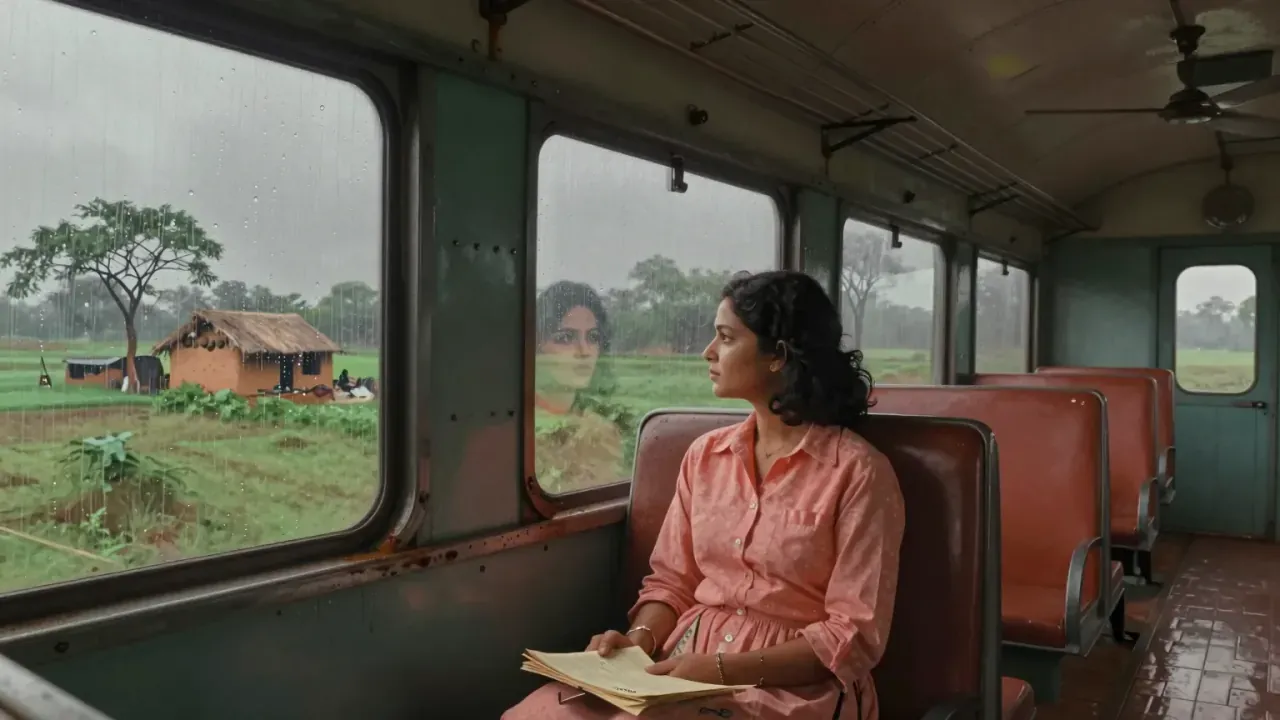
Heat and Dust (1983), directed by James Ivory from Ruth Prawer Jhabvala’s adapted screenplay, interweaves two women’s lives across 1920s and 1982 India. Greta Scacchi and Julie Christie play Olivia and Anne, whose parallel affairs with Indian men expose enduring structures of power, desire and silence. Walter Lassally’s restrained cinematography and Humphrey Dixon’s measured editing sustain a mood of quiet inevitability. It is less a romance than a forensic study of inheritance — of privilege, of trauma, of the unspeakable things passed down with letters and land.

13:00

The Remains of the Day

James Ivory · 1993

James Ivory’s 1993 adaptation of Kazuo Ishiguro’s novel follows Anthony Hopkins’ butler Stevens on a 1958 road trip to revisit his former housekeeper, Emma Thompson’s Miss Kenton. Interwoven flashbacks reveal their years serving Lord Darlington — a man whose misguided appeasement of Nazism corrodes both his reputation and Stevens’ sense of self. With muted cinematography, sparse music, and performances rooted in restraint, the film renders emotional life as gesture, memory as omission, and class as embodied discipline.