filmbriefs
Composer

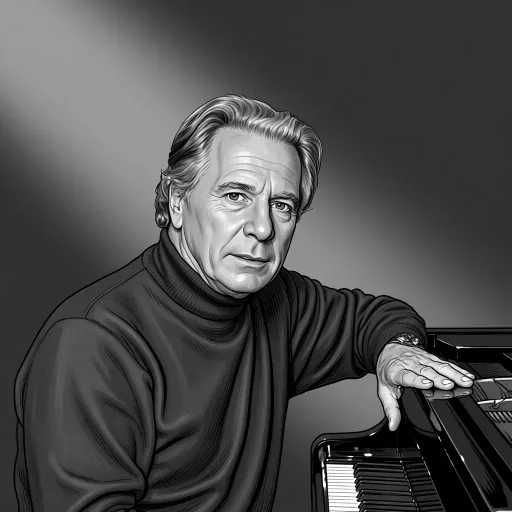
Maurice Jarre

4
briefs
13:00
average
52 min
in total
On film.briefs4
13:00

Doctor Zhivago

David Lean · 1965

David Lean’s 1965 adaptation of Pasternak’s novel follows physician-poet Yuri Zhivago across Russia’s collapse, centring his love for Lara amid revolution and war. Filmed mostly in Spain with Freddie Young’s wintry cinematography and Maurice Jarre’s iconic score, it prioritises atmosphere and endurance over exposition or ideology. Though criticised for length and historical vagueness, its tactile realism and emotional restraint have secured its place as a benchmark of romantic epic filmmaking.

13:00

Lawrence of Arabia

David Lean · 1962

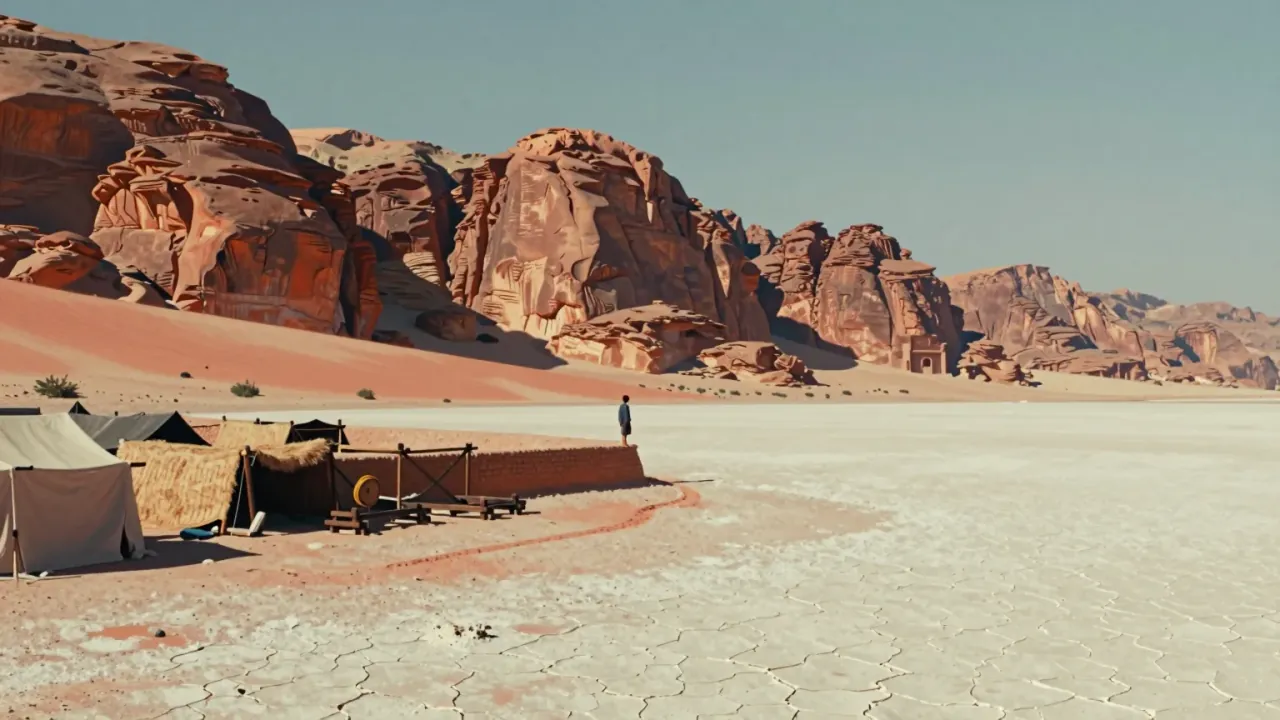
David Lean’s 1962 epic follows T. E. Lawrence’s immersion in the Arab Revolt during the First World War. Peter O'Toole stars in a performance defined by restraint and volatility, supported by Freddie Young’s monumental Super Panavision 70 cinematography and Maurice Jarre’s evocative score. The film prioritises atmosphere over exposition, using vast, still landscapes to chart internal collapse and reinvention. Though rooted in history, it functions as a psychological portrait — of identity, allegiance and the cost of translation between worlds.

13:00

Ryan's Daughter

David Lean · 1970

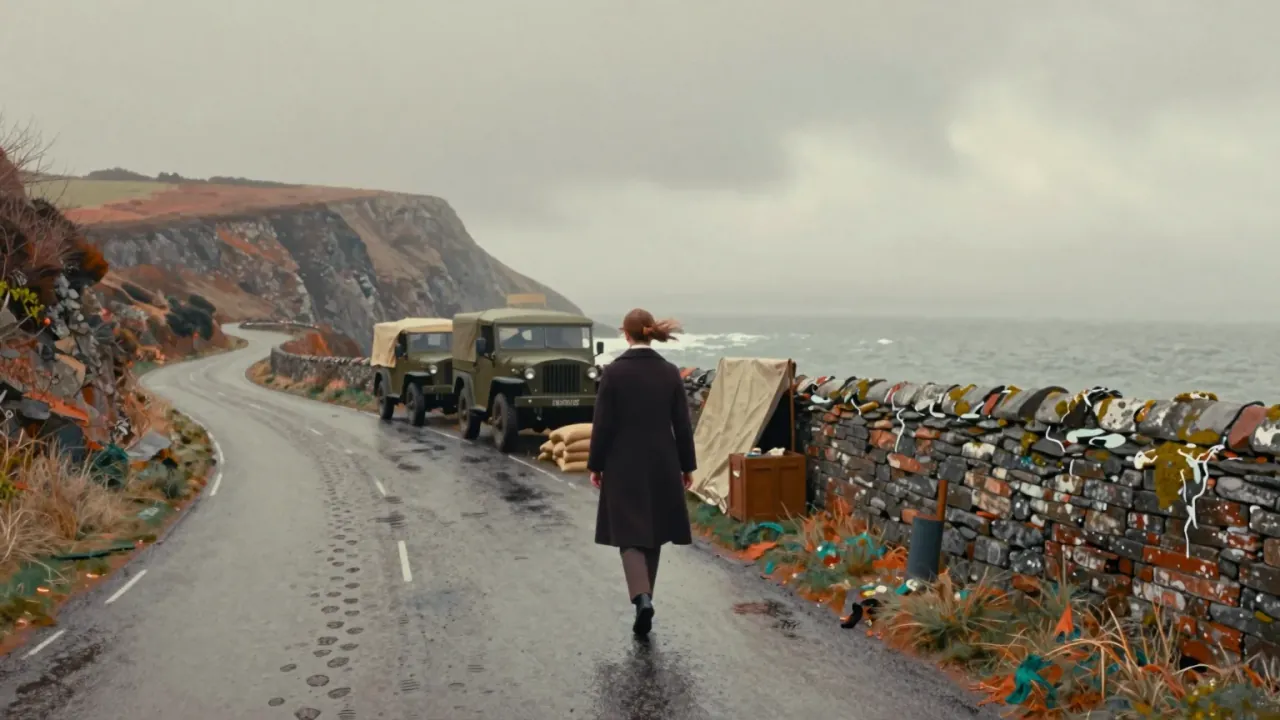
David Lean’s 1970 film transposes Madame Bovary to wartime Ireland, following Rosy Ryan’s affair with a British officer amid nationalist suspicion and coastal isolation. At 189 minutes, it leans into duration, weather, and visual texture over psychological exposition. Freddie Young’s cinematography and Maurice Jarre’s score anchor its scale, while Robert Mitchum and John Mills deliver its most grounded performances. Critically divisive on release, it remains a demanding, atmospheric study of visibility, consequence, and containment — best approached as a work of sustained mood, not narrative drive.

13:00

The Man Who Would Be King

John Huston · 1975

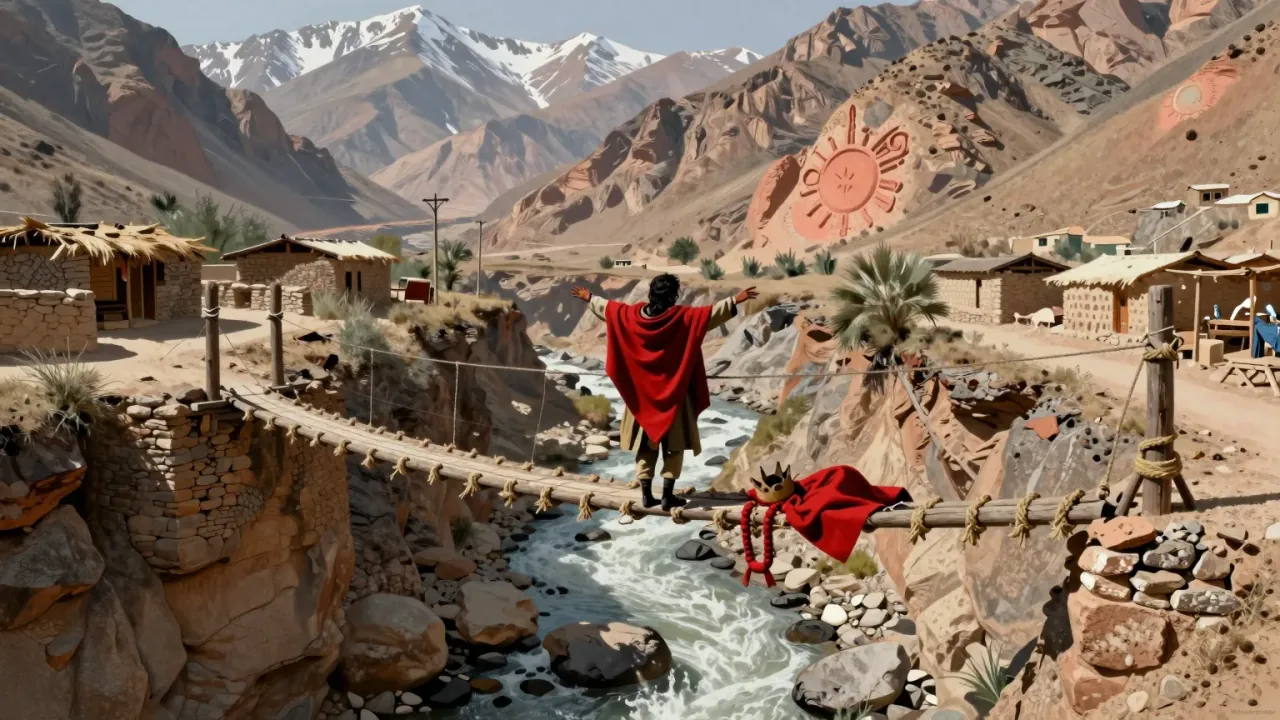
John Huston’s 1975 film adapts Kipling’s novella into a morally austere, visually grounded account of two British ex-soldiers who impersonate gods in Kafiristan. Michael Caine and Sean Connery anchor a story about ritual, sovereignty, and the material conditions of belief — shot in Morocco and France, scored by Maurice Jarre, and edited with deliberate restraint. It avoids moralising, instead tracing the slow, logical erosion of a lie until only consequence remains.