Saved
Director · 1931–2025

Masahiro Shinoda

4
briefs
13:00
average
52 min
in total
On film.briefs4
13:00

Demon Pond

Masahiro Shinoda · 1979

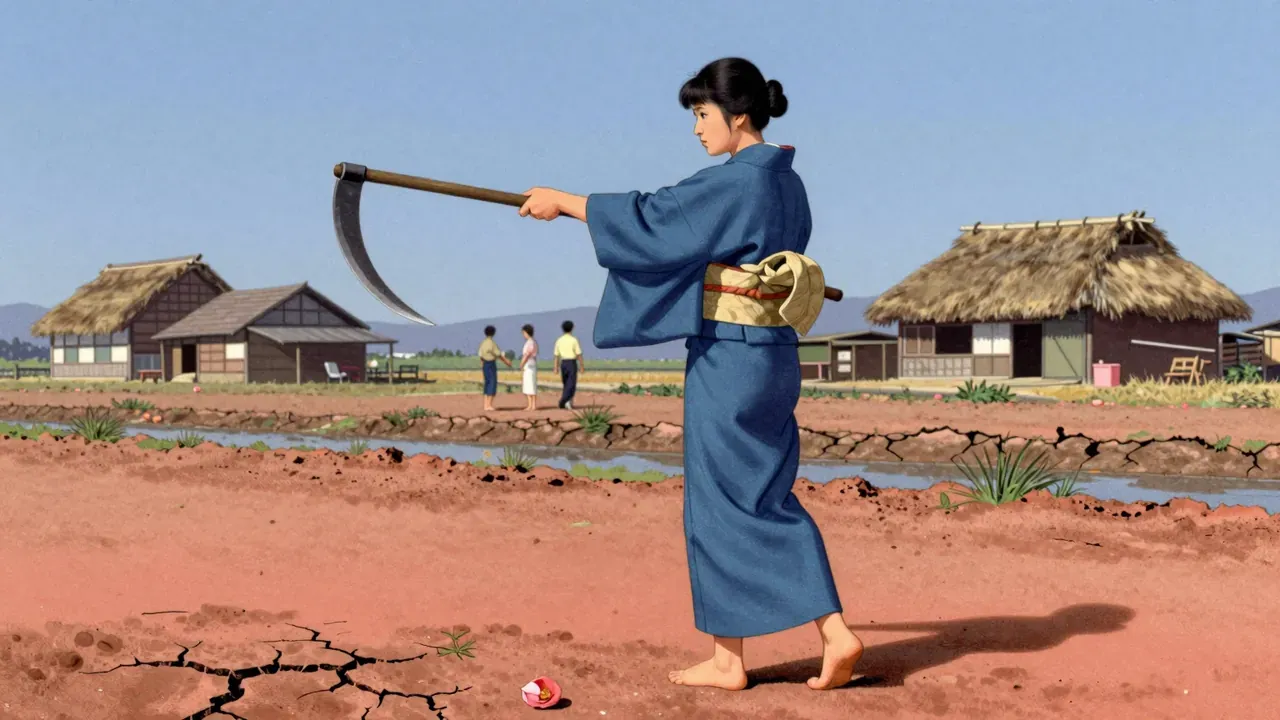
Masahiro Shinoda’s Demon Pond adapts Izumi Kyōka’s 1913 play into a formally rigorous Japanese fantasy. Set in 1930s rural Japan, it follows a schoolteacher caught in a village’s pact with a dragon god — a covenant enforced by daily bell-ringing. When drought drives the villagers to sacrifice the rumoured sorceress Yuri (Tamasaburo Bando, in a dual role), ritual fractures, unleashing flood and transformation. Shot by Masao Kosugi, scored by Isao Tomita with Moog-Debussy-Mussorgsky hybrids, and featuring optical composites by Nobuo Yajima, the film sustains a precise balance between kabuki abstraction and cinematic naturalism.
13:00

Double Suicide

Masahiro Shinoda · 1969

Masahiro Shinoda’s Double Suicide adapts Chikamatsu’s 1721 puppet play into live action, preserving its theatrical grammar: kuroko in black manipulate the world around the lovers, sets remain deliberately artificial, and music by Tōru Takemitsu punctuates rather than soothes. Shima Iwashita plays both wife and courtesan, binding the film’s duality in performance. It is a rigorous, unsentimental study of obligation, debt, and the formal limits of agency — where suicide is not escape but the only sentence the world permits.

13:00

Pale Flower

Masahiro Shinoda · 1964

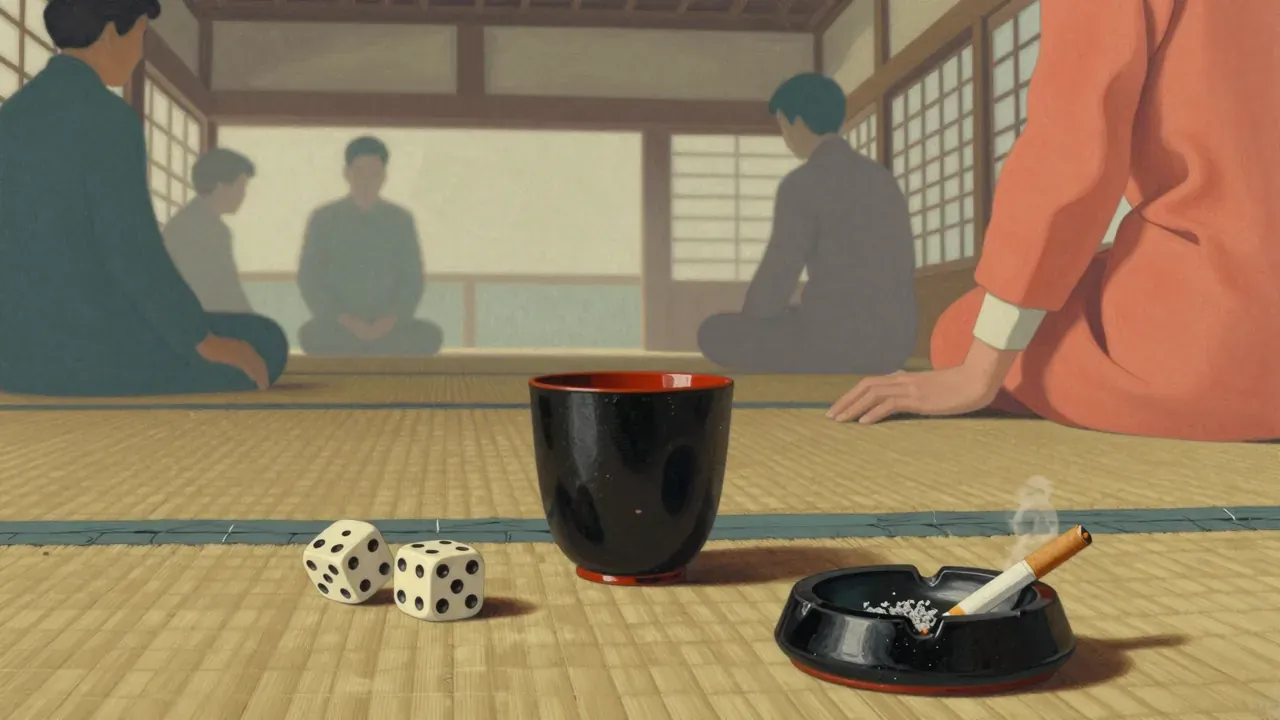
Masahiro Shinoda’s 1964 yakuza drama follows Muraki, a hitman released from prison, drawn into a fatal attraction with Saeko, a thrill-seeking gambler. Set against Tokyo’s underground gambling dens and nocturnal streets, the film replaces plot with rhythm, silence with tension, and character psychology with physical precision. Tōru Takemitsu’s dissonant score and Shinsaku Himeda’s restrained cinematography deepen its mood of existential exhaustion. It is a foundational Japanese New Wave work — austere, hypnotic, and unrelenting in its formal control.

13:00

Samurai Spy

Masahiro Shinoda · 1965

Masahiro Shinoda’s 1965 Samurai Spy follows ninja spy Sasuke Sarutobi amid the unstable truce after Sekigahara. Drawn reluctantly into a web of double agents working for Tokugawa and Toyotomi factions, Sasuke navigates shifting loyalties, unverifiable identities, and pervasive distrust. With restrained performances, Kazuo Miyagawa’s chiaroscuro cinematography, and Tōru Takemitsu’s sparse, haunting score, the film builds tension through ambiguity rather than action. It is less a tale of heroic infiltration than a study in exhaustion, institutional compromise, and the quiet collapse of certainty in the service of power.