filmbriefs
Director · Screenwriter · Actor

Marguerite Duras

4
briefs
13:00
average
52 min
in total
On film.briefs4
13:00

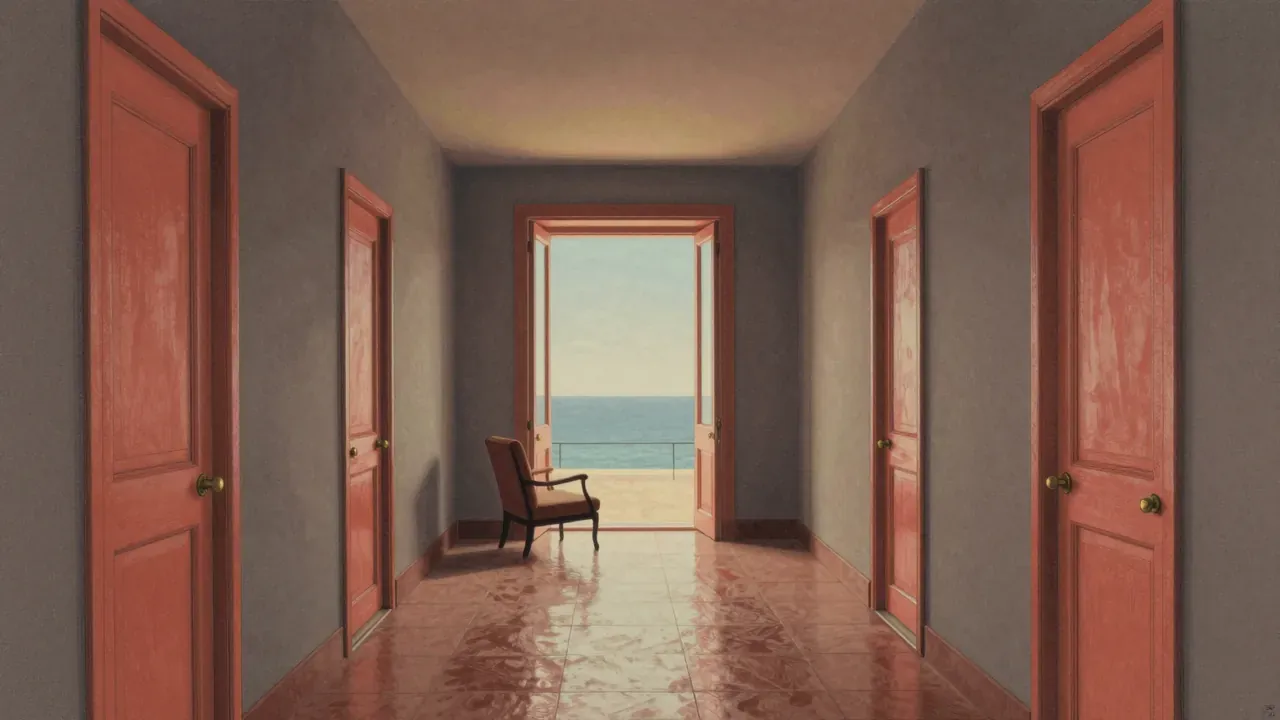
Baxter, Vera Baxter

Marguerite Duras · 1977

Baxter, Vera Baxter (1977) is a French arthouse drama written and directed by Marguerite Duras. Set largely in a rented seaside villa, it follows Vera Baxter as she receives two visitors and recounts fragments of her marriage. With Delphine Seyrig, Noëlle Châtelet, and Claudine Gabay, the film uses stillness, repetition, and architectural framing to explore existential exhaustion, bourgeois entrapment, and the silent circuits of duty. Carlos d’Alessio’s sparse score and unhurried editing reinforce its austere tone.
13:00

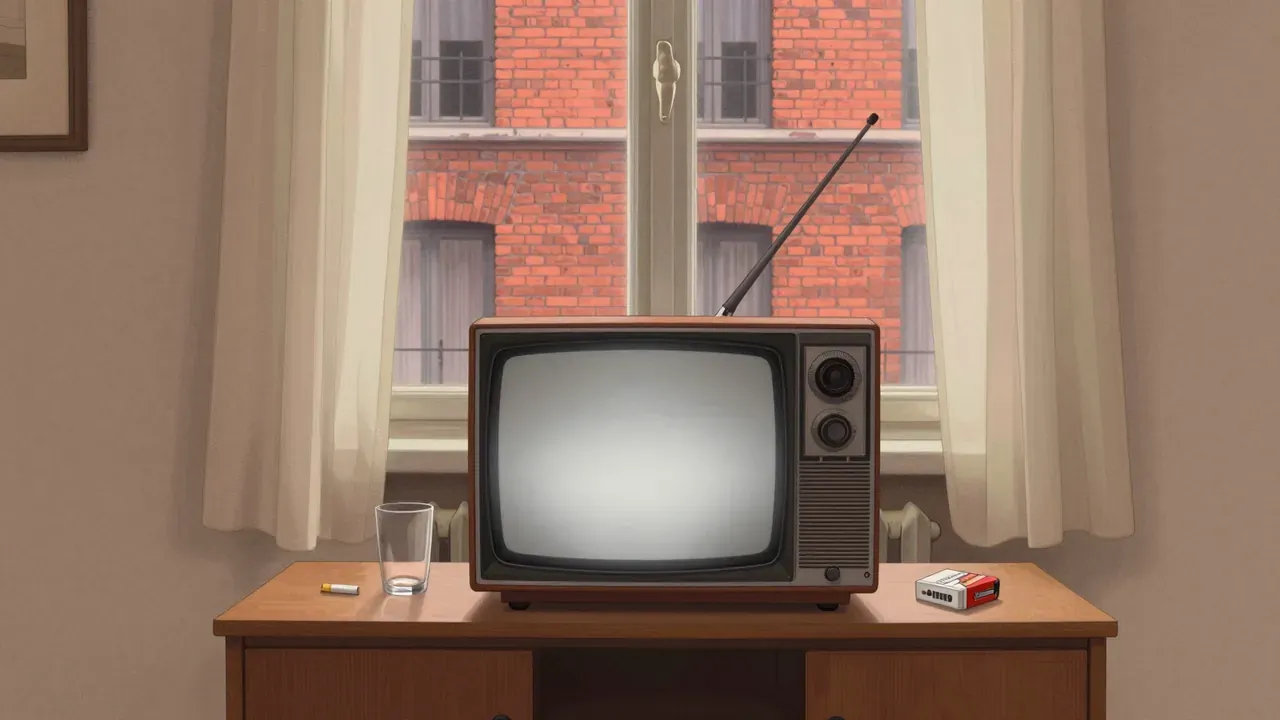
Every Man for Himself

Jean-Luc Godard · 1980

Every Man for Himself (1980) is Jean-Luc Godard’s rigorously structured drama, composed in four parts like a musical work. Following three protagonists — a filmmaker, a journalist, and a sex worker — across intersecting lives in Switzerland, it examines alienation, commodification, and the erosion of time and intimacy under capitalism. Shot by Renato Berta and William Lubtchansky, edited by Godard himself, and scored by Gabriel Yared, it employs deliberate decelerations, sparse dialogue, and the recurring aria Suicidio! as structural motif. Nathalie Baye won the César Award for Best Supporting Actress.

13:00

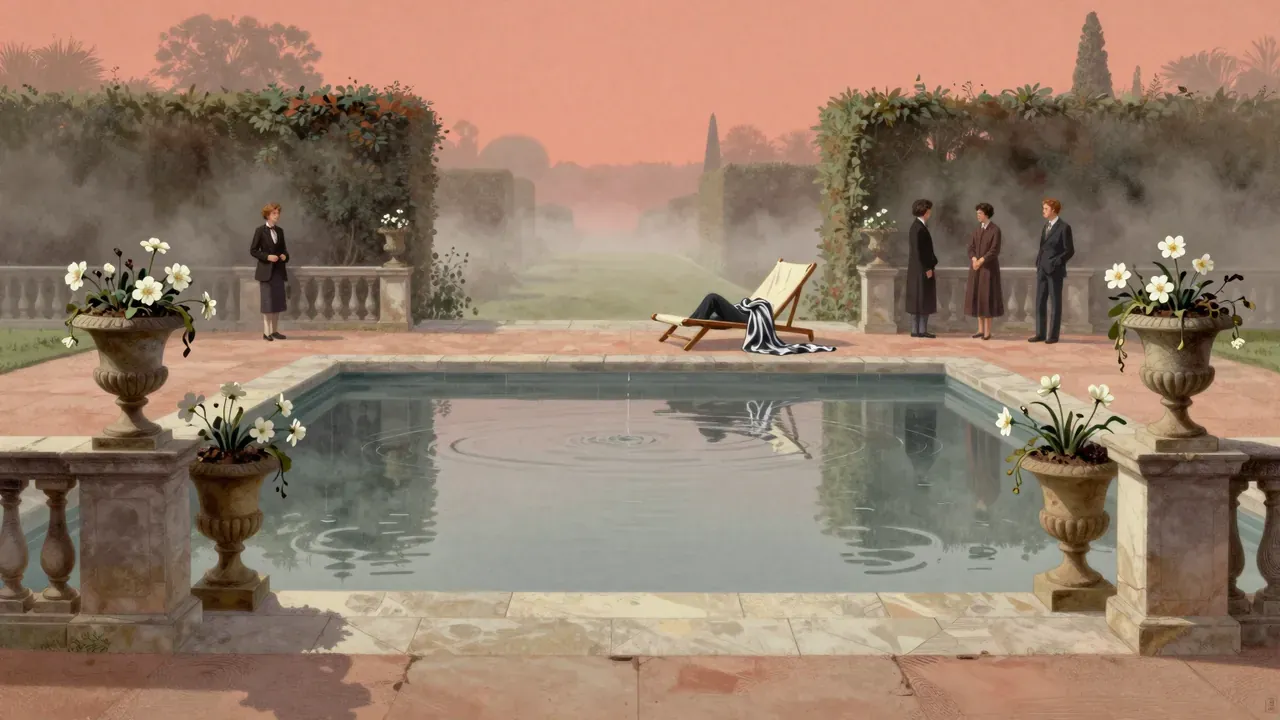
India Song

Marguerite Duras · 1975

Marguerite Duras’s 1975 India Song is a radically elliptical drama set in 1930s Calcutta but filmed in decaying French châteaux and apartments. Delphine Seyrig’s voice narrates the life of Anne-Marie Stretter, wife of the French ambassador, over slow, empty images. Bruno Nuytten’s cinematography avoids intimacy; Carlos d’Alessio’s score hovers beneath dialogue; all performances are pre-recorded and detached. It is less a narrative than a sonic and spatial composition — austere, hypnotic, and uncompromising.

13:00

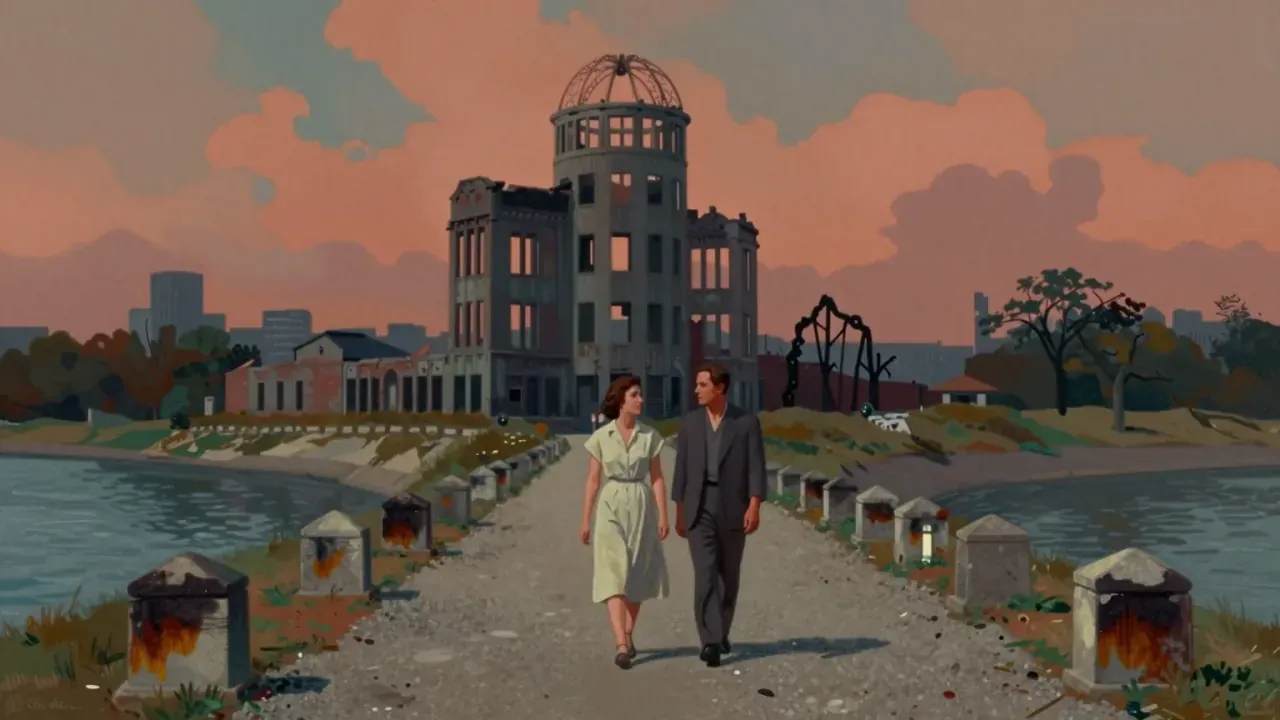
Hiroshima mon amour

Alain Resnais · 1959

Alain Resnais’ 1959 debut, written by Marguerite Duras, traces a fleeting encounter between a French actress and a Japanese architect in Hiroshima. Through tightly composed images, fragmented flashbacks, and restrained performances, it explores how personal and historical trauma intertwine — not as metaphor, but as embodied experience. Shot in France and Japan, edited with surgical precision, and scored with near-silence, it treats love, memory, and forgetting as inseparable forces.