Saved
Director · Screenwriter · Producer · 1895–1974

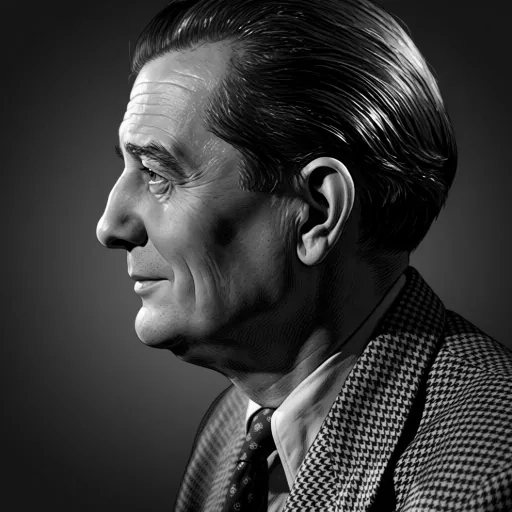
Marcel Pagnol

7
briefs
13:00
average
91 min
in total
On film.briefs7
13:00

César

Marcel Pagnol · 1936

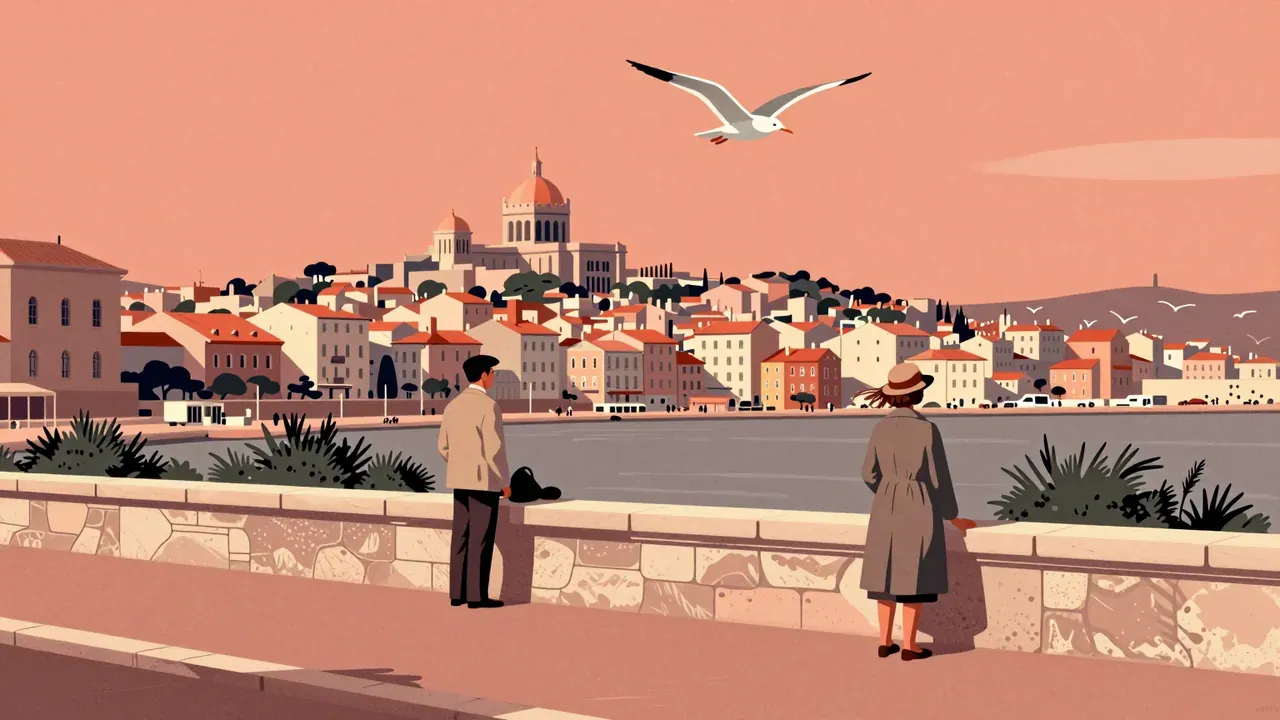
Marcel Pagnol’s 1936 César closes his Marseille Trilogy with Raimu, Pierre Fresnay, and Orane Demazis returning as César, Marius, and Fanny. Twenty years after Marius sailed away, his son Césariot learns the truth of his paternity — and sets in motion a slow, socially intricate reckoning. Set entirely in and around Marseille, the film favours conversational rhythm over plot mechanics, regional texture over spectacle, and moral ambiguity over resolution. Its 168-minute runtime demands patience, but repays it with layered performances and a deeply felt sense of place and consequence.
13:00

Fanny

Marc Allégret · 1932

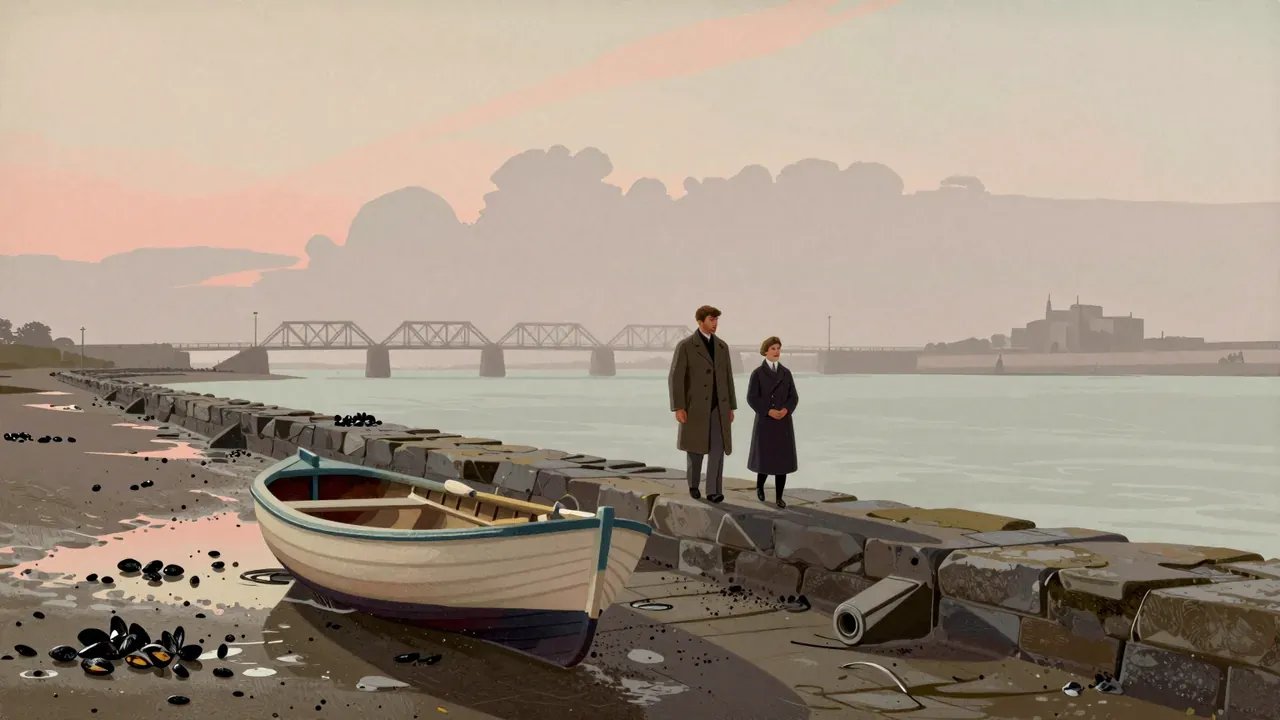
A 1932 French drama directed by Marc Allégret from Marcel Pagnol’s play, Fanny is the second part of the Marseille Trilogy. Set in the port city, it follows Fanny’s pragmatic marriage to the kindly widower Panisse after becoming pregnant by her childhood love Marius — and the quiet, collective decision to raise their son as Panisse’s heir. Anchored by Raimu’s commanding presence and Orane Demazis’s restrained performance, the film favours moral ambiguity over resolution, and lived-in realism over theatrical flourish.

13:00

Jean de Florette

Claude Berri · 1986

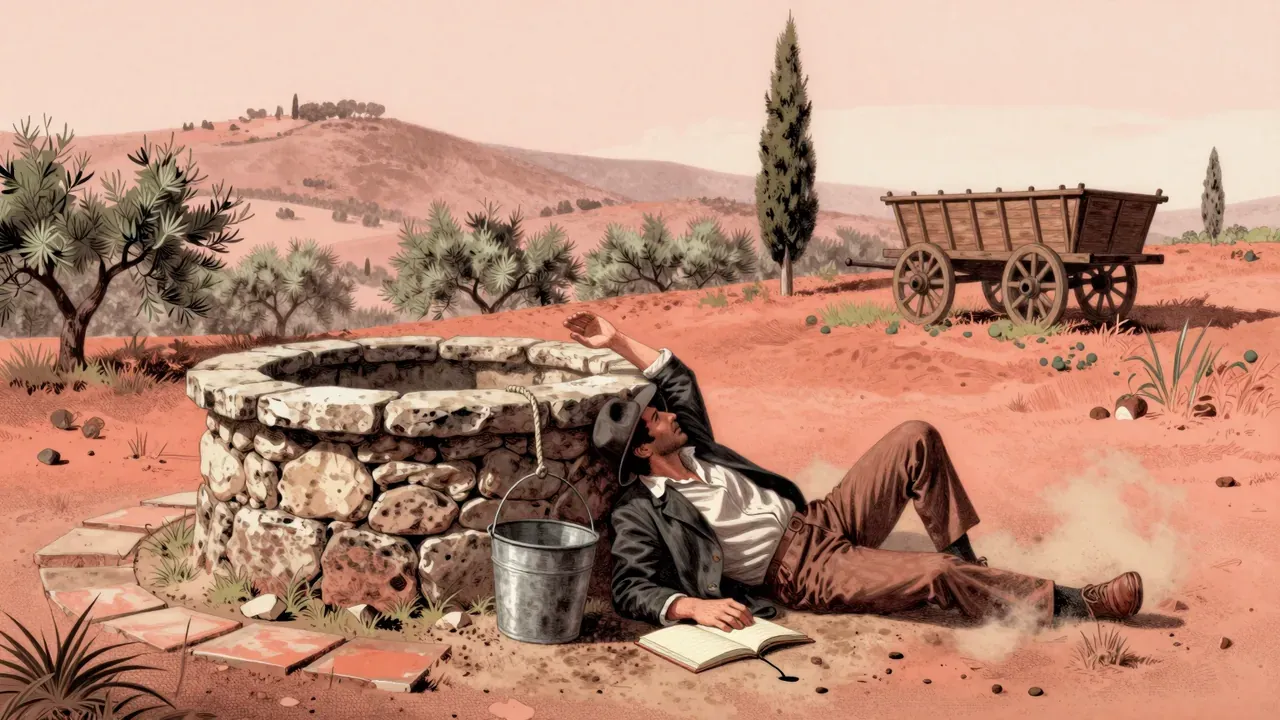
Jean de Florette is a 1986 French drama directed by Claude Berri, adapted from Marcel Pagnol’s novel. Set in rural Provence in the 1920s, it follows two farmers who sabotage a newcomer’s attempt to farm by concealing a vital spring. Shot back-to-back with its sequel Manon of the Spring, it relies on precise period detail, restrained performances, and a landscape that functions as both setting and moral arbiter.

13:00

Manon des Sources

Claude Berri · 1986

A 1986 French drama, directed by Claude Berri and adapted from Marcel Pagnol’s novel, concluding the story begun in Jean de Florette. Set in rural Provence ten years later, it follows Manon Cadoret as she uncovers the truth behind her father’s death and orchestrates a slow, water-based reckoning against those who ruined him. Starring Yves Montand, Daniel Auteuil, and Emmanuelle Béart, it is a formally restrained, morally exacting film about inheritance, silence, and the physical reality of justice.

13:00

Marius

Alexander Korda · 1931

Marius (1931), directed by Alexander Korda from Marcel Pagnol’s play, is the first film of the Marseille Trilogy. Set in a waterfront bar in pre-war Marseille, it traces Marius’s conflict between love for Fanny and longing for the sea. With restrained performances, naturalistic lighting by Theodore J. Pahle, and dialogue rooted in subtext, it prioritises emotional authenticity over plot mechanics. Though structurally dependent on coincidence, its power lies in specificity: gesture, silence, and the quiet gravity of ordinary choice.

13:00

The Baker's Wife

Marcel Pagnol · 1938

Marcel Pagnol’s 1938 film follows a Provençal baker whose wife runs off with a shepherd, halting bread production and forcing feuding villagers to cooperate in her retrieval. Adapted from Jean Giono, it foregrounds communal pragmatism over individual psychology, using Raimu’s grounded performance and Vincent Scotto’s restrained music to explore forgiveness as daily practice, not spiritual breakthrough.

13:00

Toni

Jean Renoir · 1935

Jean Renoir’s 1935 Toni follows an Italian migrant in Provence as he navigates work, love and displacement among a mixed group of labourers. Shot entirely on location with non-professional actors, it uses restraint — in performance, editing and sound — to observe class, language and longing without commentary. Its influence on later movements is well documented, but its power lies in its quiet, unwavering attention to the material conditions of ordinary lives.