Saved
Director · Screenwriter · Actor · 1925–1994

Mai Zetterling

4
briefs
13:00
average
52 min
in total
On film.briefs4
13:00

Loving Couples

Mai Zetterling · 1964

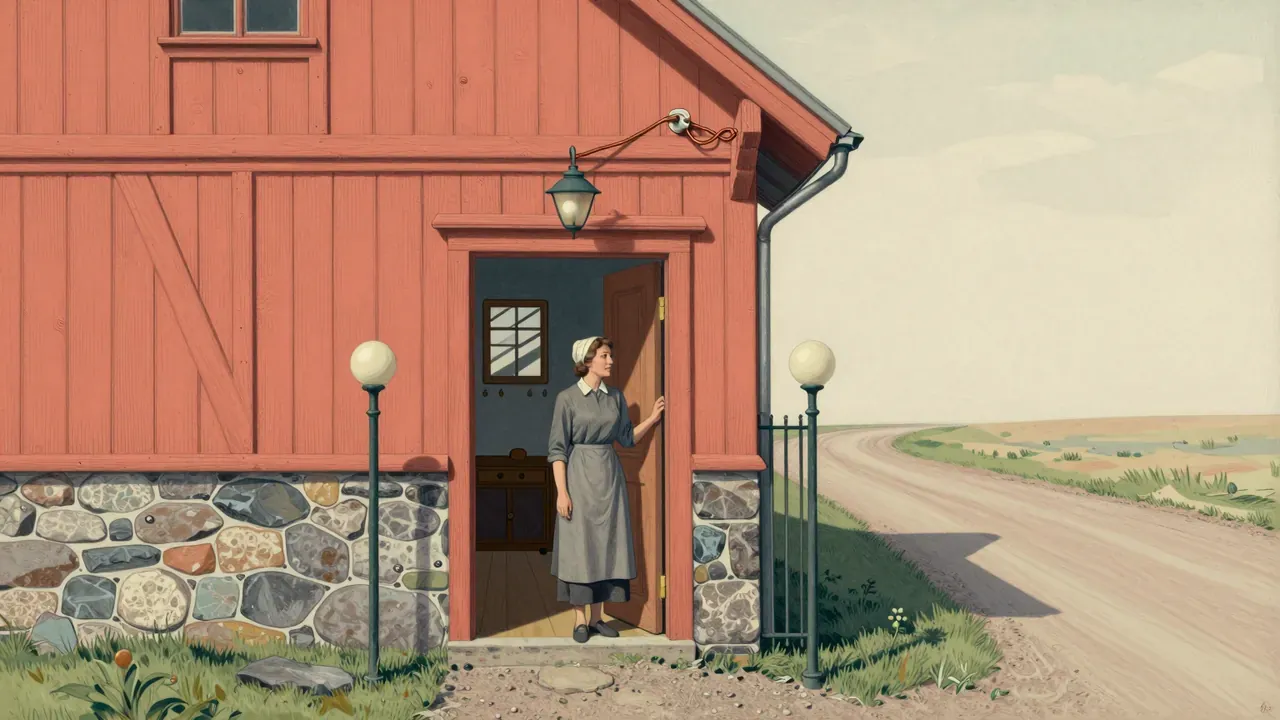
A 1964 Swedish drama following three women — a maid, a tenant’s wife, and an heiress — whose intersecting lives converge at a maternity hospital in August 1914. Structured through restrained flashbacks and anchored by Sven Nykvist’s precise cinematography, it examines class, consent, and bodily autonomy in the shadow of impending war and modernisation.
13:00

Night Games

Mai Zetterling · 1966

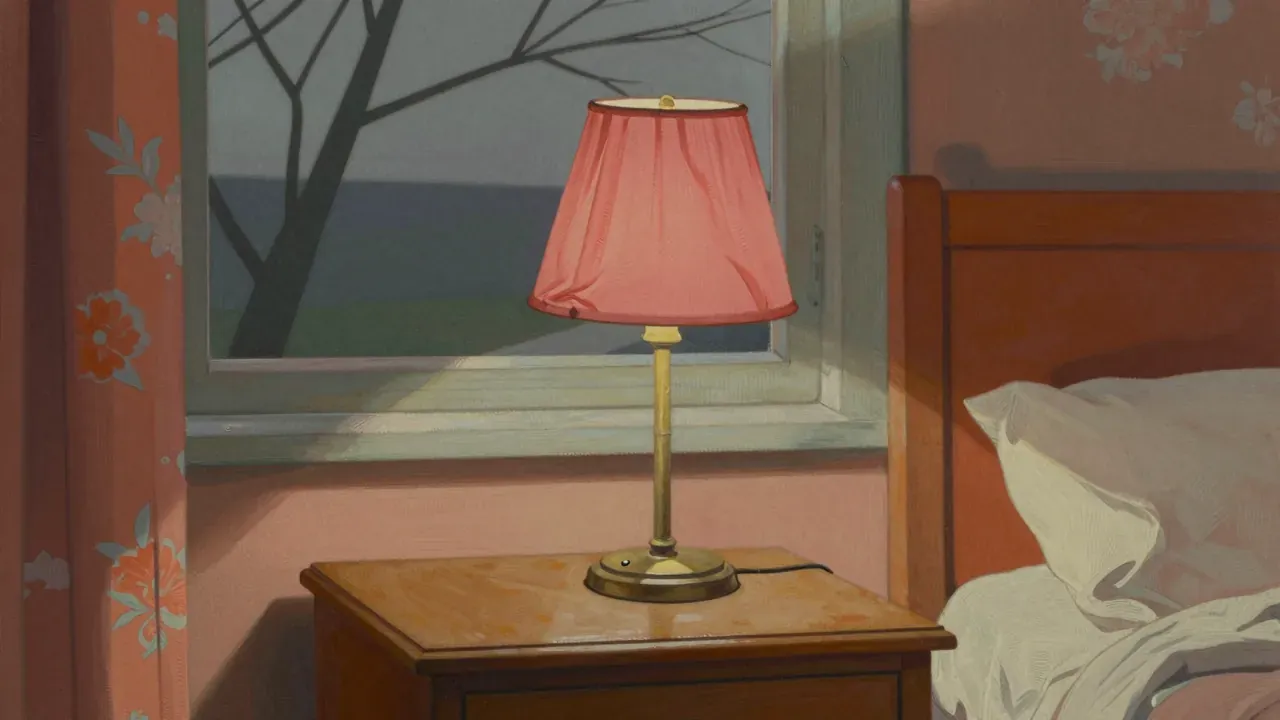
A 1966 Swedish drama directed by Mai Zetterling, Night Games traces a man’s return to his childhood home and the memories it unleashes — particularly of his charismatic, neglectful mother and the sexual and emotional confusions of adolescence. Shot by Rune Ericson and scored by Georg Riedel and Jan Johansson, it uses restrained visuals and elliptical editing to render memory as sensory residue rather than narrative. Starring Ingrid Thulin and Jörgen Lindström, it avoids moral framing, opting instead for psychological fidelity. Controversial on release, it remains a tightly controlled study of inherited trauma.

13:00

The Girls

Mai Zetterling · 1968

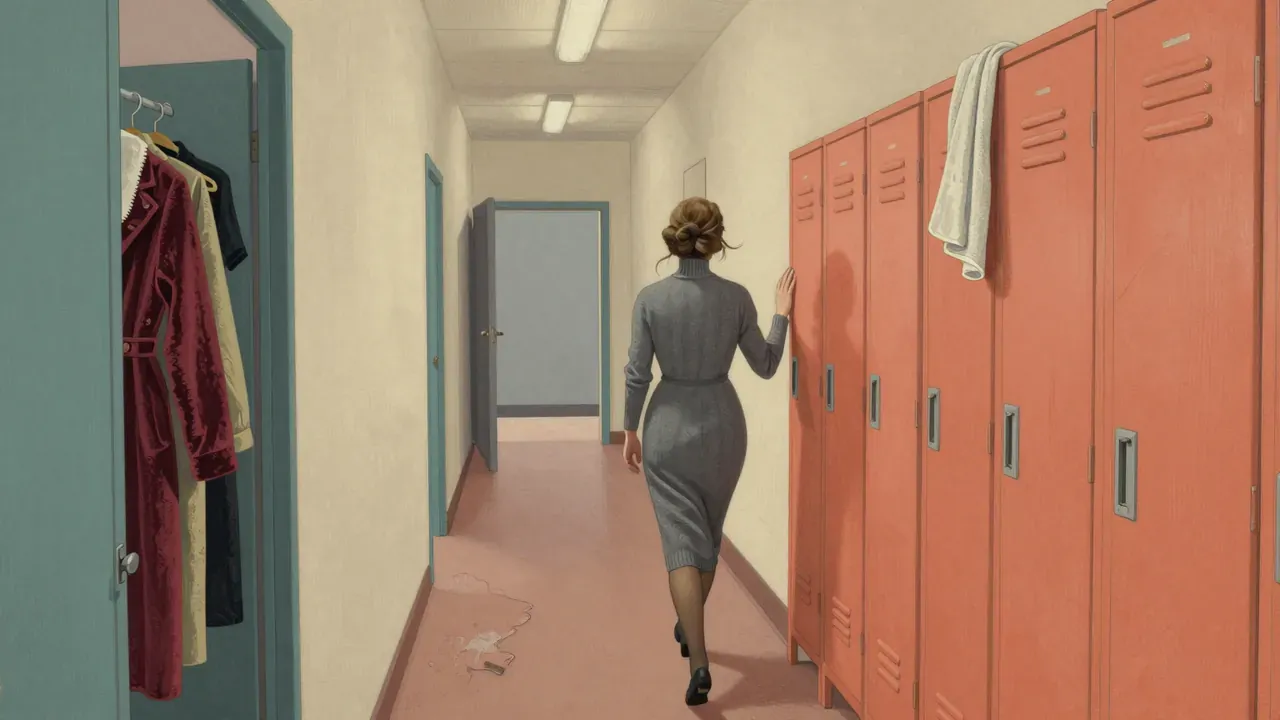
Mai Zetterling’s 1968 film follows three actresses touring a production of Lysistrata while managing motherhood, marital strain, and professional precarity. Shot with quiet precision by Rune Ericson and performed with restrained intensity by Bibi, Harriet and Gunnel Andersson, it locates feminist consciousness in accumulated small choices rather than grand declarations. Though its theatrical framing remains inert and its men underdeveloped, its enduring power lies in its unsentimental attention to the cost of being seen — and unseen.

13:00

Torment

Alf Sjöberg · 1944

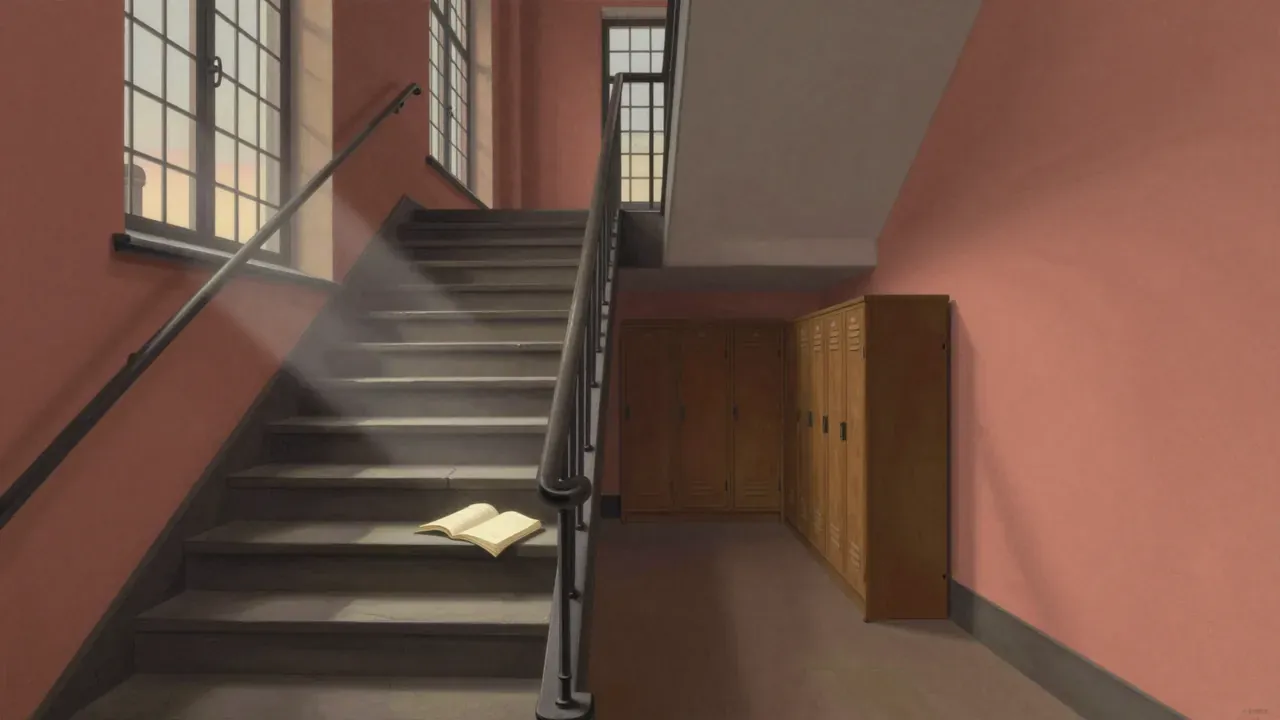
Torment (1944), written by Ingmar Bergman and directed by Alf Sjöberg, follows a Stockholm student tormented by a sadistic Latin teacher. Shot with stark realism and minimal score, it uses the school as a closed system of power, exposing how abuse thrives in bureaucratic silence. Its restrained performances and unsentimental structure make it a foundational work of Scandinavian arthouse cinema — less concerned with individual guilt than with the architecture of complicity.