filmbriefs
Composer

Leigh Harline

4
briefs
13:00
average
52 min
in total
On film.briefs4
13:00

Pickup on South Street

Samuel Fuller · 1953

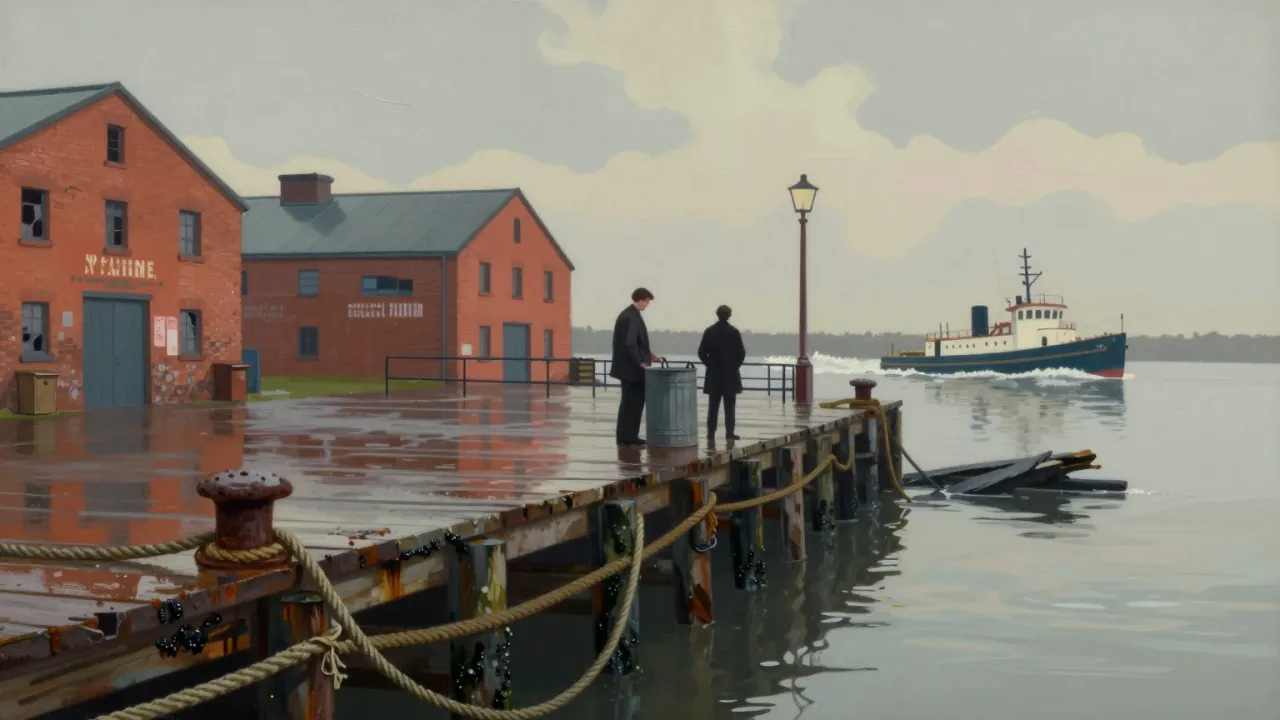
Samuel Fuller’s 1953 thriller follows a pickpocket who steals microfilm containing state secrets, dragging a disillusioned courier, a cynical informant, and weary detectives into a collision of Cold War paranoia and New York street logic. Shot with documentary restraint by Joseph MacDonald and driven by terse, unsentimental performances — especially Thelma Ritter’s Oscar-nominated turn — it treats ideology as incidental to survival, and patriotism as a negotiable commodity.
13:00

They Live by Night

Nicholas Ray · 1948

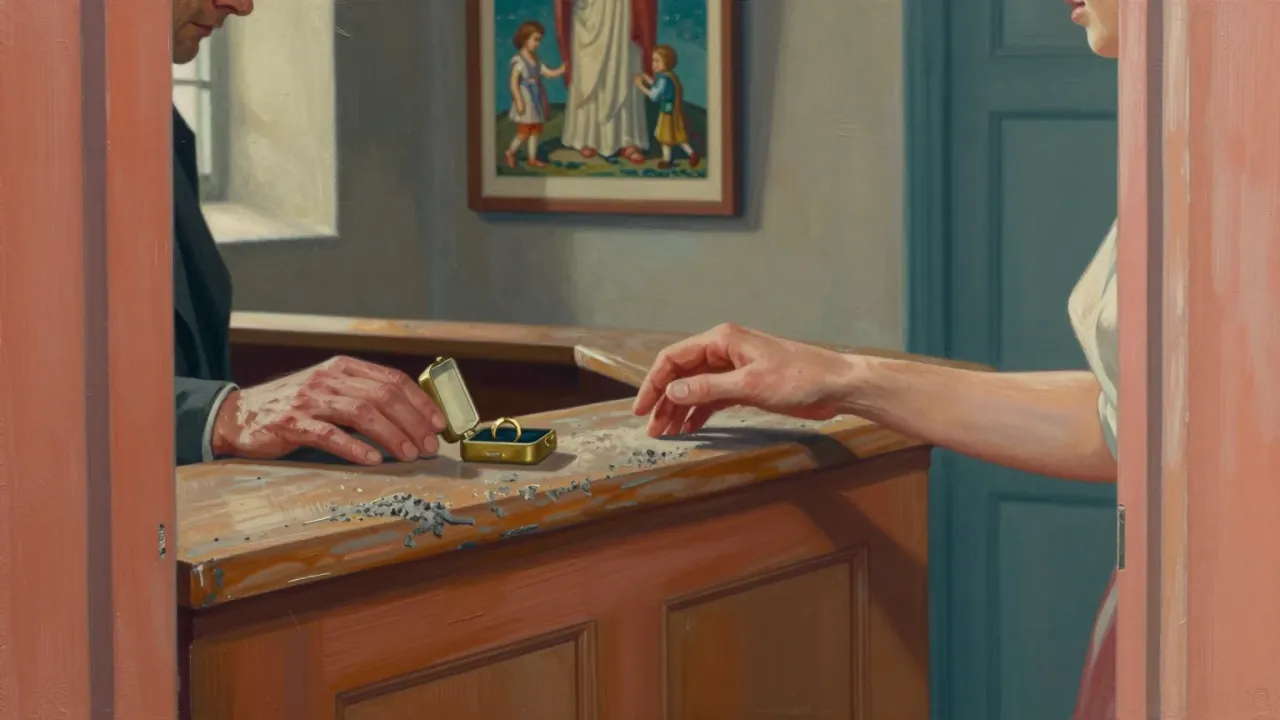
Nicholas Ray’s 1948 debut follows a young convict and a service-station attendant who marry and flee across Depression-era America. Shot with quiet intensity by George E. Diskant and performed with understated gravity by Farley Granger and Cathy O'Donnell, it treats love and lawlessness as inseparable states — not as rebellion, but as the only possible response to a world that denies them personhood.

13:00

Pinocchio

Ben Sharpsteen, Hamilton Luske, Norm Ferguson, T. Hee · 1940

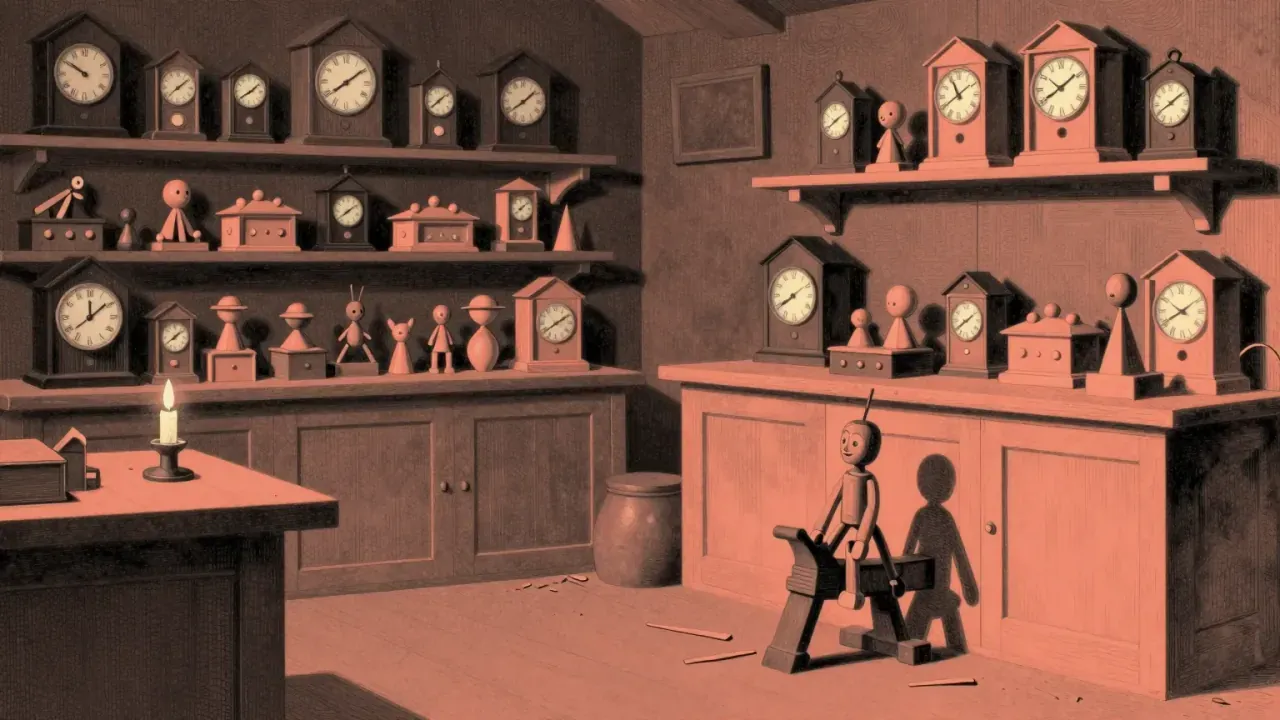
A woodcarver's puppet is brought to life and told he must prove himself brave, truthful and unselfish before he can become a real boy, guided — imperfectly — by a cricket appointed as his conscience. Made for $2.5 million as Disney's second feature, the film pushed effects animation further than Snow White had, rendering water, smoke and lightning with a level of realism the studio hadn't attempted before, even as it lost money on first release when the war cut off its overseas markets.

13:00

Snow White and the Seven Dwarfs

David Hand, William Cottrell, Wilfred Jackson, Larry Morey · 1937

Snow White and the Seven Dwarfs follows the fairy-tale plot closely — a jealous queen, a poisoned apple, seven miners who take in a runaway princess — but its significance is in what it proved possible: a full-length animated feature with distinct character personalities, made for $1.5 million after two years of story meetings that discarded far more ideas than they kept. Industry figures dismissed it in advance as Disney's Folly; it opened at the Carthay Circle Theatre in December 1937 and changed what a cartoon was allowed to be.