filmbriefs
Actor · 1961

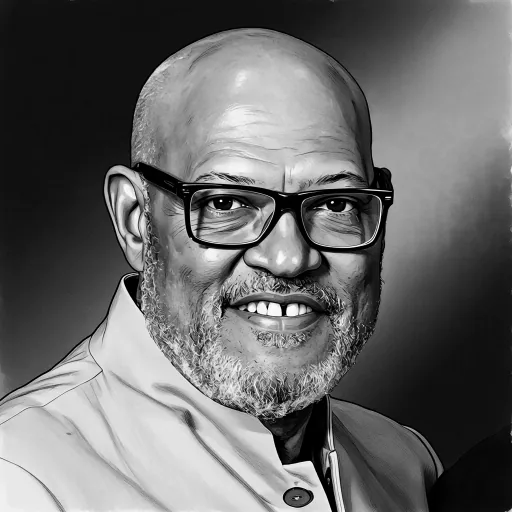
Laurence Fishburne

6
briefs
13:00
average
78 min
in total
On film.briefs6
13:00

Boyz n the Hood

John Singleton · 1991

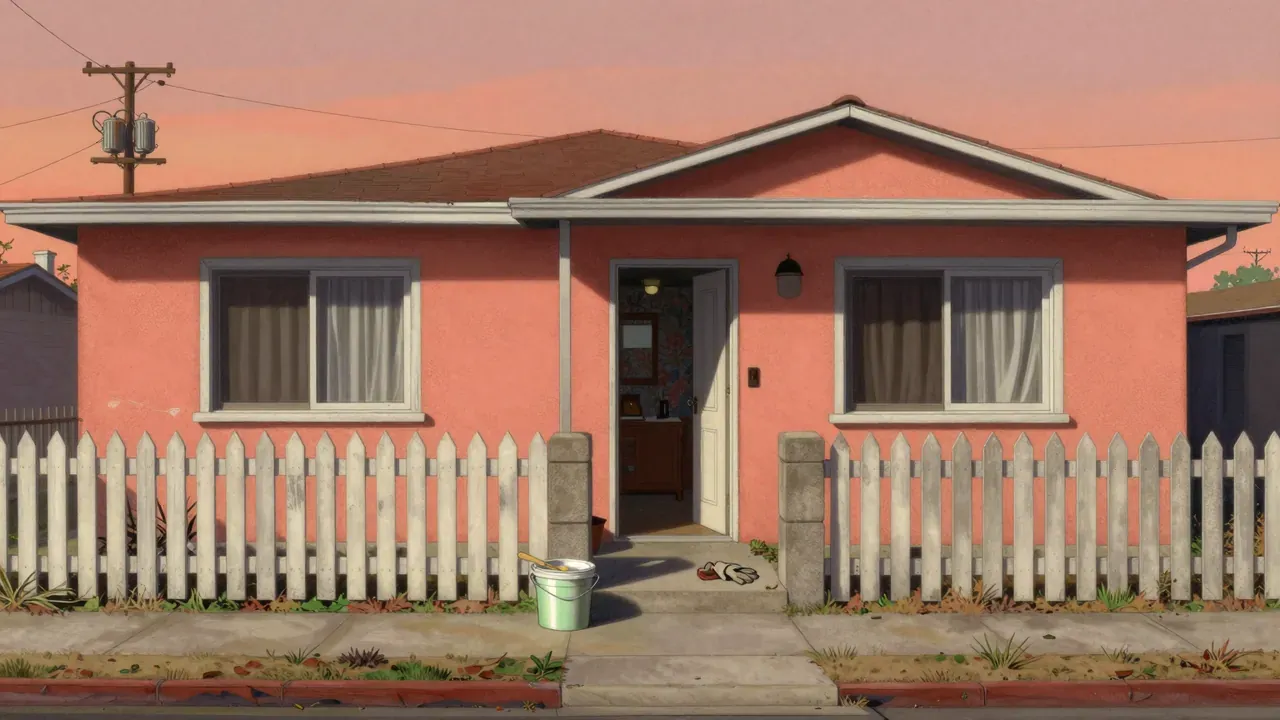
Boyz n the Hood follows Tre Styles from age ten to seventeen as he navigates fatherhood, friendship, and fatal consequences in South Central Los Angeles. Written and directed by John Singleton at twenty-three, it uses linear storytelling, naturalistic performance, and location shooting to ground its depiction of environment as education. The film avoids sensationalism, treating gang culture, policing, and aspiration with equal sobriety. Its power lies in accumulation: small gestures, repeated silences, and the weight of ordinary days.
13:00

Deep Cover

Bill Duke · 1992

A Cincinnati police officer goes undercover in Los Angeles to dismantle a drug cartel, only to discover his mission is entangled with State Department interests protecting a South American politician. Directed by Bill Duke and starring Laurence Fishburne and Jeff Goldblum, the 1992 neo-noir sustains a tone of institutional weariness, using voice-over, Bojan Bazelli’s shadowed cinematography, and Michel Colombier’s score to trace the slow dissolution of professional conviction. Its strength lies in moral texture, not plot mechanics.

13:00

Rumble Fish

Francis Ford Coppola · 1983

Francis Ford Coppola’s 1983 adaptation of S. E. Hinton’s novel is a formally rigorous, high-contrast black-and-white fable about adolescent longing, imitation, and time. Starring Matt Dillon and Mickey Rourke, it treats Rusty James’s worship of his enigmatic brother as a ritual rather than a relationship — sustained by Stephen H. Burum’s expressionist cinematography and Stewart Copeland’s percussive, location-recorded score.

13:00

The Matrix

Lilly Wachowski · 1999

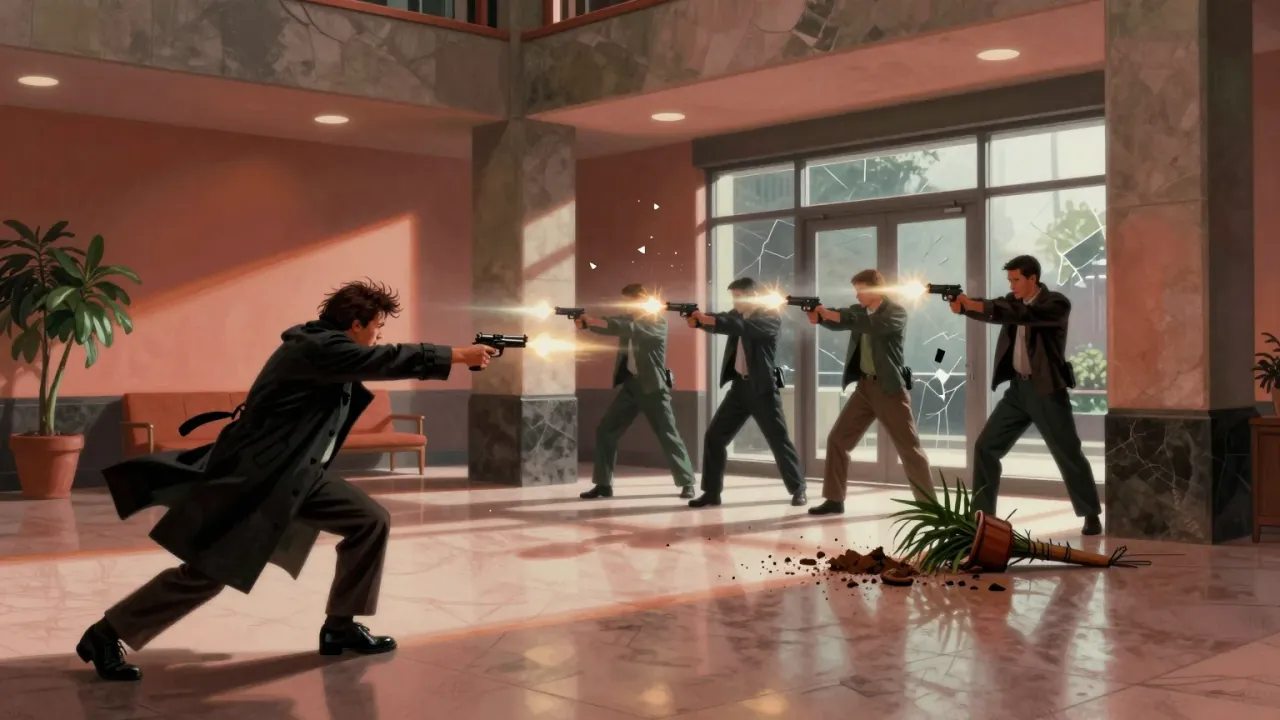
The Matrix is a 1999 science-fiction thriller directed by Lilly Wachowski, starring Keanu Reeves as Neo, a computer hacker who discovers reality is a machine-generated simulation. Guided by Morpheus (Laurence Fishburne) and Trinity (Carrie-Anne Moss), he joins a rebellion against sentient machines. Built on rigorous martial arts choreography, innovative visual effects including 'bullet time', and a green-tinged visual grammar, the film treats perception as infrastructure and freedom as embodied practice. It won four Academy Awards, including Best Visual Effects and Best Film Editing, and remains culturally resonant for its fusion of philosophy, action, and formal invention.

13:00

Apocalypse Now

Francis Ford Coppola · 1979

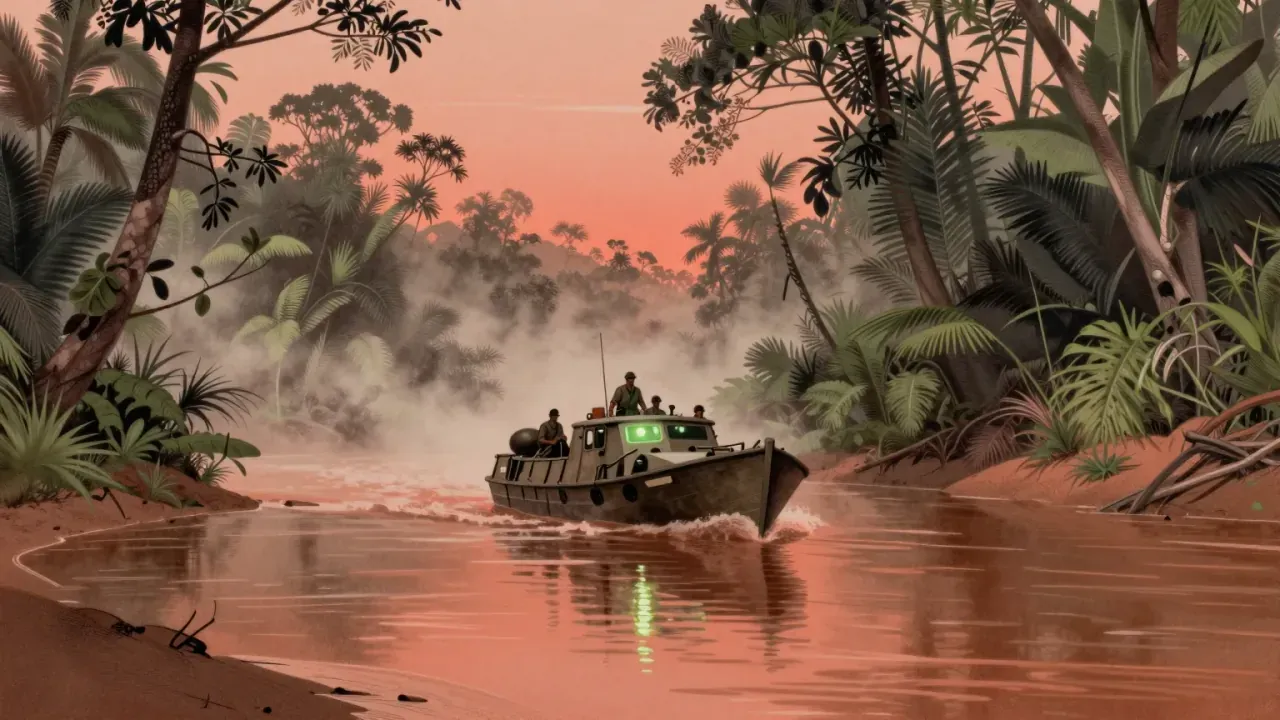
Francis Ford Coppola's 1979 film relocates Joseph Conrad's Heart of Darkness to the Vietnam War, sending Captain Willard up a river into Cambodia to assassinate Colonel Kurtz, a decorated officer who has gone rogue and established himself as a warlord among a private army. Shot by Vittorio Storaro on a production in the Philippines that ran a year over schedule, battered by a typhoon, a leading actor's heart attack and an unprepared, overweight Marlon Brando, it premiered unfinished at Cannes to win the Palme d'Or, and later took home Oscars for cinematography and sound on a budget of $31.5 million against an $83.5 million return.

13:00

The Matrix Revolutions

Lilly Wachowski · 2003

The Wachowskis' 2003 conclusion to the Matrix trilogy sends Neo into the machine city to end humanity's war with the machines while Zion faces a final assault and Agent Smith threatens to overwrite both worlds. Shot back to back with The Matrix Reloaded and released the same year, it opened to the widest simultaneous release of its time and grossed $427.3 million, but drew a marked drop in critical reception, with reviewers praising the visual effects while faulting the film's characterisation and climax.