filmbriefs
Director · Actor · Screenwriter · 1911–2008

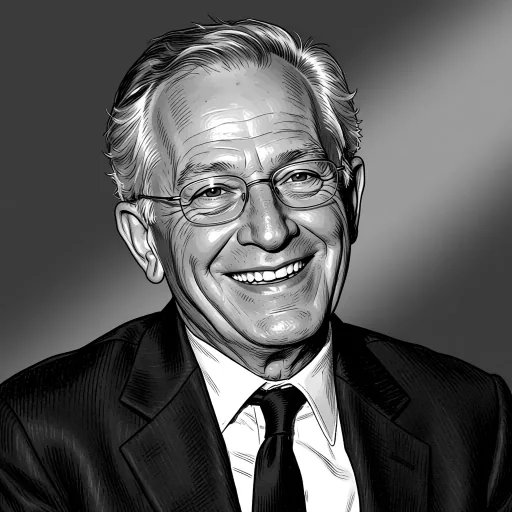
Jules Dassin

5
briefs
13:00
average
65 min
in total
On film.briefs5
13:00

Brute Force

Jules Dassin · 1947

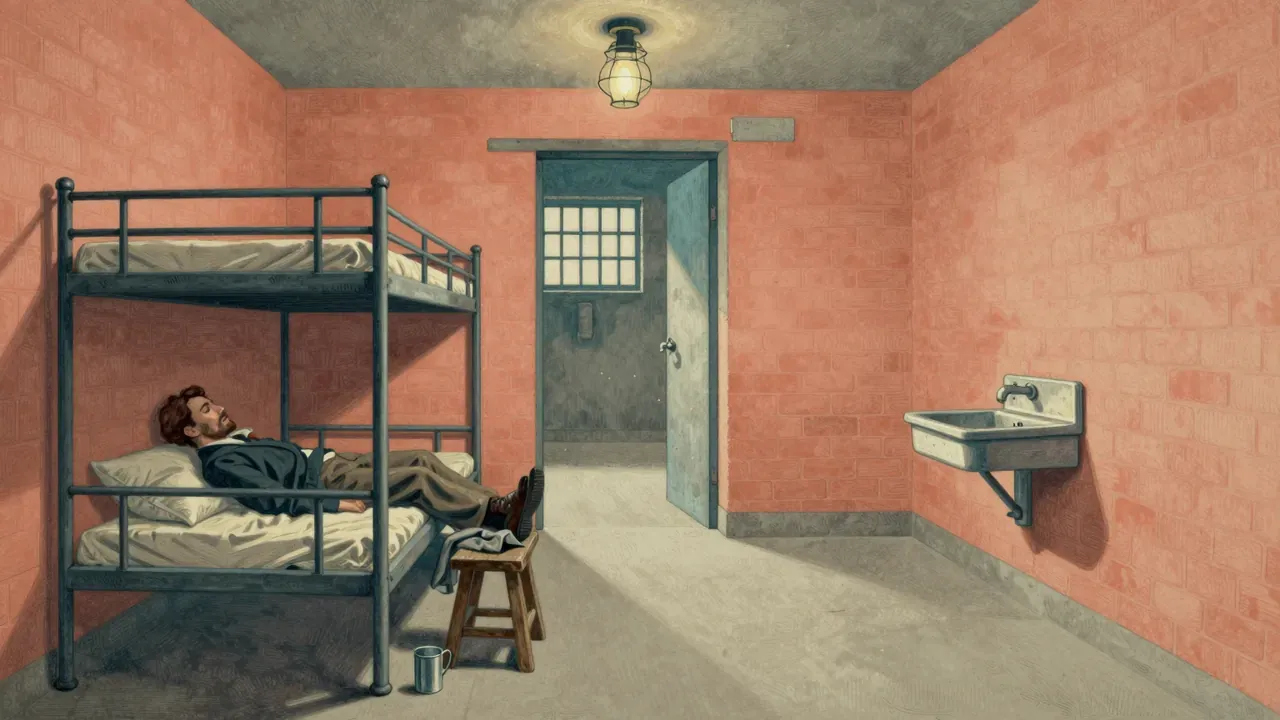
Brute Force (1947) is a tightly wound crime drama set inside Westgate Prison, where Capt. Munsey’s sadistic enforcement and Warden Barnes’ passivity create a powder keg. When Joe Collins organises an escape, the system responds not with reform but with annihilation. Directed by Jules Dassin and written by Richard Brooks, it uses noir’s visual austerity and moral severity to mount a sustained critique of punitive justice — not as aberration, but as design.
13:00

Night and the City

Jules Dassin · 1950

Jules Dassin’s 1950 London-set noir follows American tout Harry Fabian as he schemes to corner the city’s wrestling trade, only to be undone by his own miscalculations, betrayals, and the implacable logic of the underworld he misunderstands. Shot on location and at Shepperton Studios, it features Richard Widmark in a tightly coiled performance, Mutz Greenbaum’s precise cinematography, and Franz Waxman’s urgent score. Unsentimental and structurally rigorous, it ends not with reflection but with finality.

13:00

Thieves' Highway

Jules Dassin · 1949

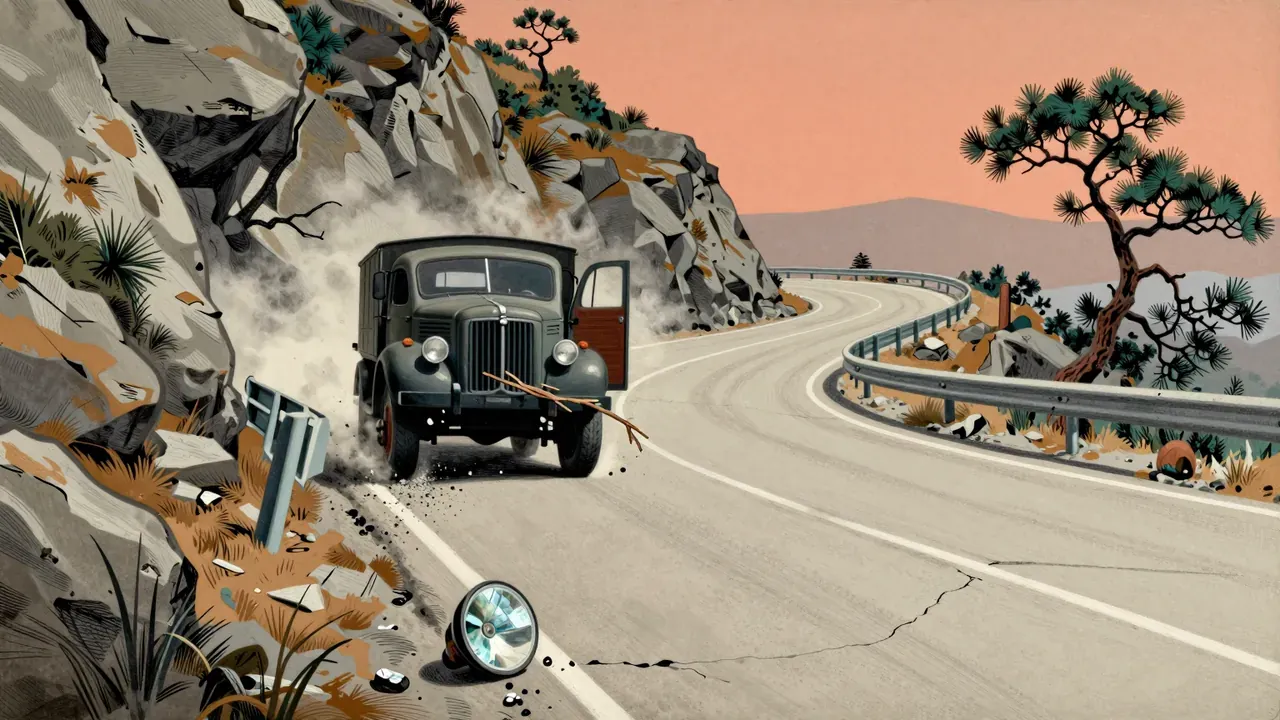
A 1949 crime drama directed by Jules Dassin, Thieves’ Highway follows a returning WWII veteran who drives apples from Fresno to San Francisco to confront the produce dealer who crippled his father. Shot on location in Oakland and San Francisco, it uses the real rhythms of the fruit trade — loading docks, freight elevators, downhill truck crashes — to ground its moral conflict in material fact. Richard Conte, Lee J. Cobb, and Valentina Cortese anchor a tightly wound narrative written by A. I. Bezzerides, with cinematography by Norbert Brodine and music by Alfred Newman.

13:00

Rififi

Jules Dassin · 1955

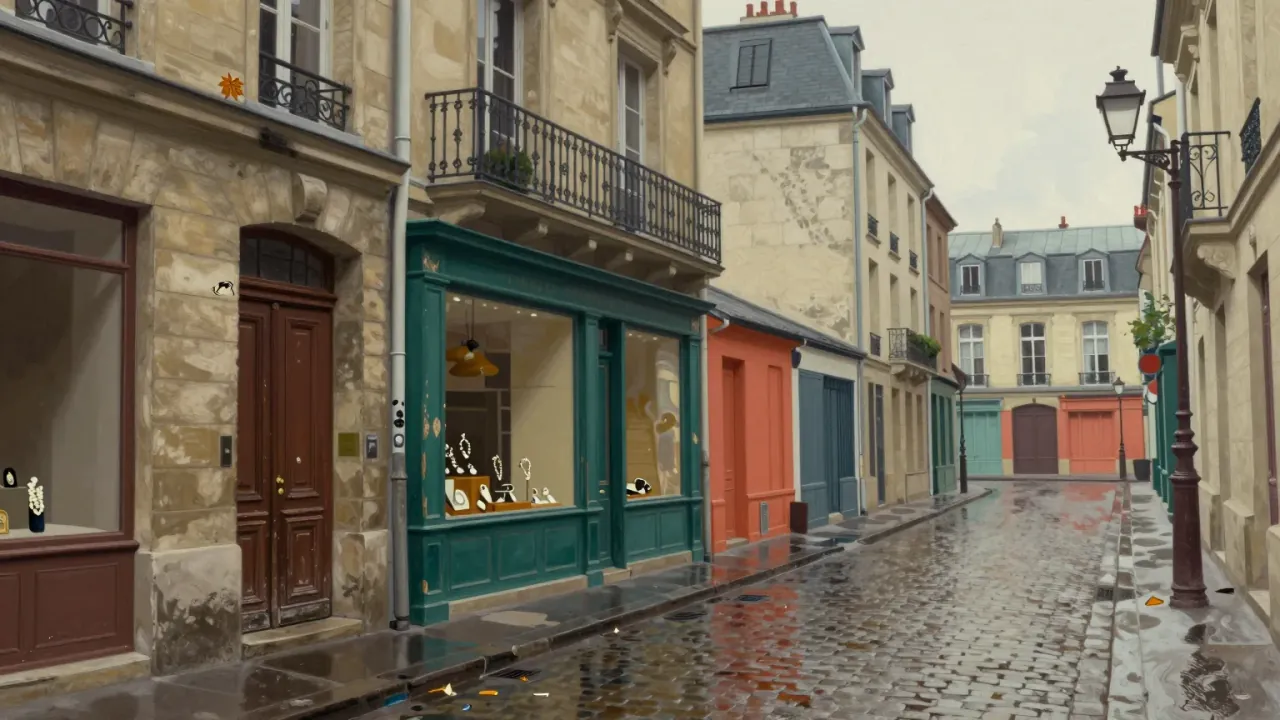
Rififi (1955), directed by Jules Dassin, is a French crime film centred on a meticulously detailed, nearly silent jewellery heist in Paris. Made on a low budget after Dassin’s Hollywood blacklist, it strips away music, exposition, and glamour to focus on process, consequence, and the collapse of a thieves’ code. Its enduring power lies in its restraint: no score during the heist, no close-ups for emphasis, no redemption offered.

13:00

The Naked City

Jules Dassin · 1948

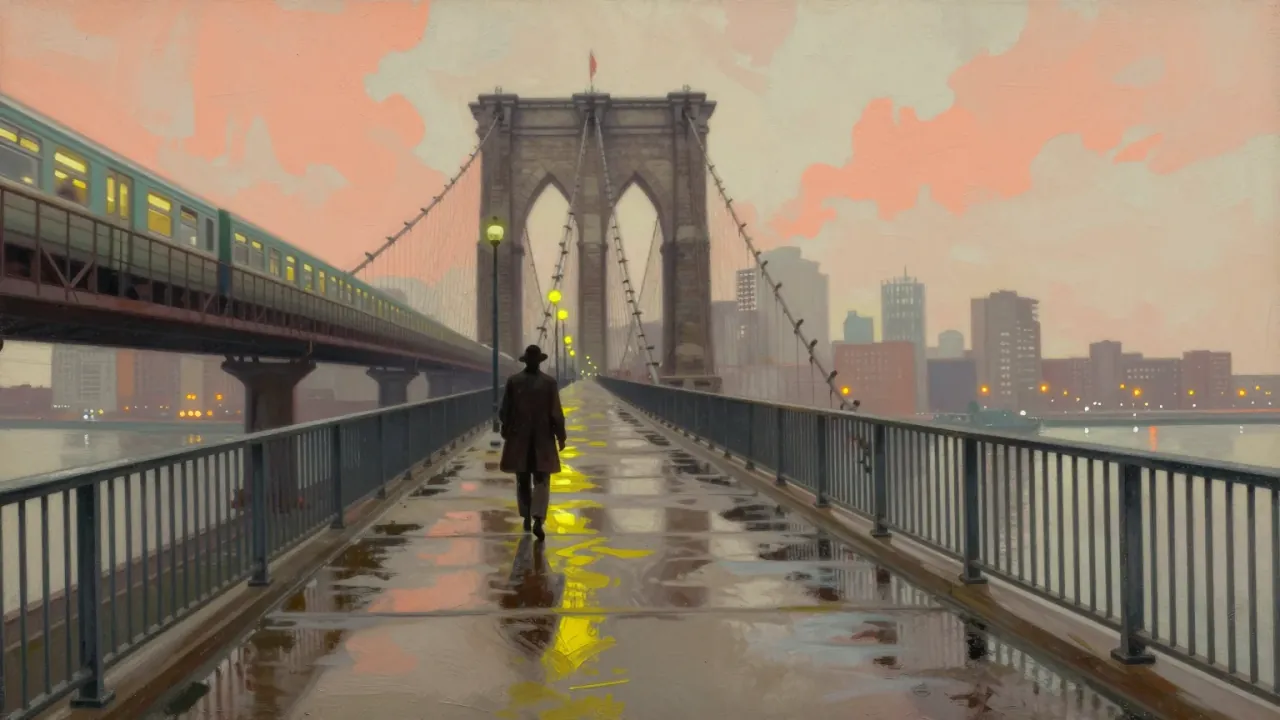
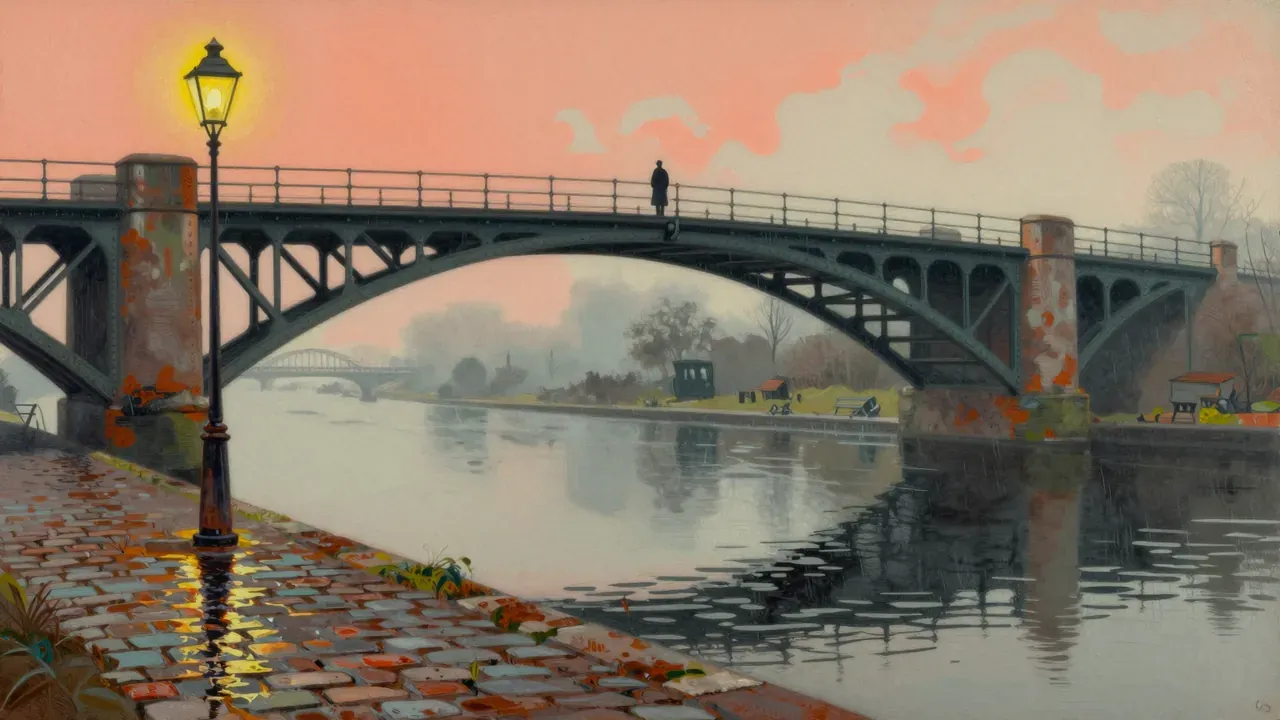
The Naked City (1948) follows NYPD detectives investigating the murder of a model across real New York locations. Directed by Jules Dassin and written by Albert Maltz, it prioritises procedural fidelity over character depth or moral commentary. William H. Daniels’ cinematography and Paul Weatherwax’s editing anchor the film in tangible urban space, while Miklós Rózsa’s score underscores its climactic bridge chase and elegiac epilogue. Winner of two Academy Awards, it remains influential for its documentary rigour and structural clarity — a film less about crime than about how cities and institutions absorb and resolve it.