filmbriefs
Director · Screenwriter · Producer · Actor · Editor

Jim Jarmusch

7
briefs
13:00
average
91 min
in total
On film.briefs7
13:00

Dead Man

Jim Jarmusch · 1995

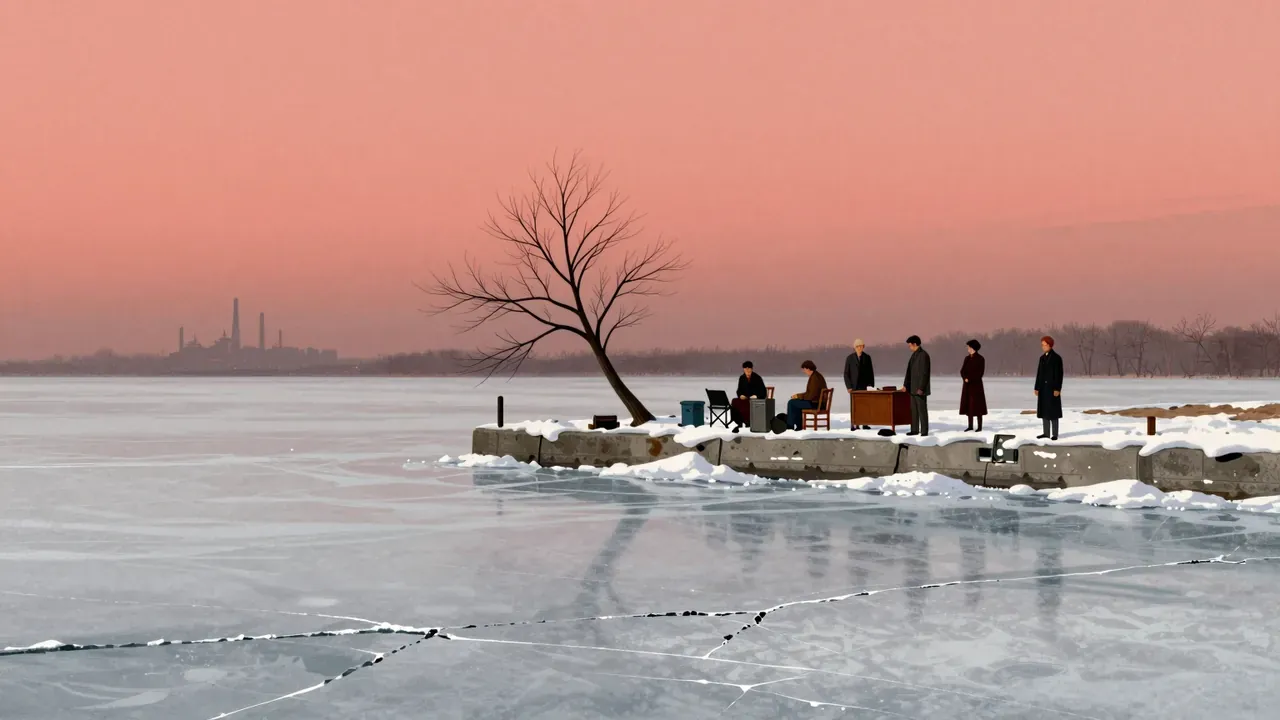
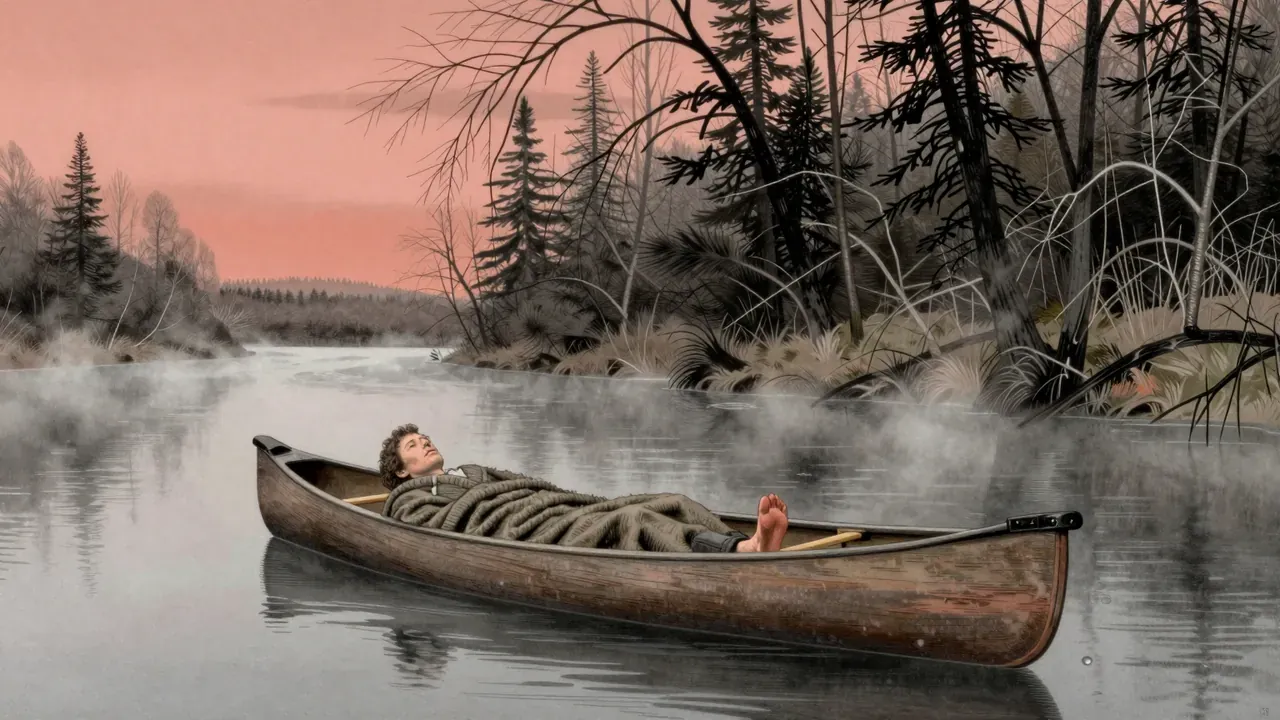
Dead Man (1995) is Jim Jarmusch’s monochrome acid western starring Johnny Depp as a fatally wounded accountant guided west by Gary Farmer’s enigmatic Native American spirit-guide Nobody. Shot by Robby Müller and scored by Neil Young, it rejects narrative convention in favour of ritual, silence, and poetic logic — foregrounding Indigenous epistemology, untranslated Cree and Blackfoot dialogue, and a vision of landscape as sentient participant. Though critically divisive on release, it has since been reassessed as a singular, austere meditation on mortality, colonialism, and perception.
13:00

Down by Law

Jim Jarmusch · 1986

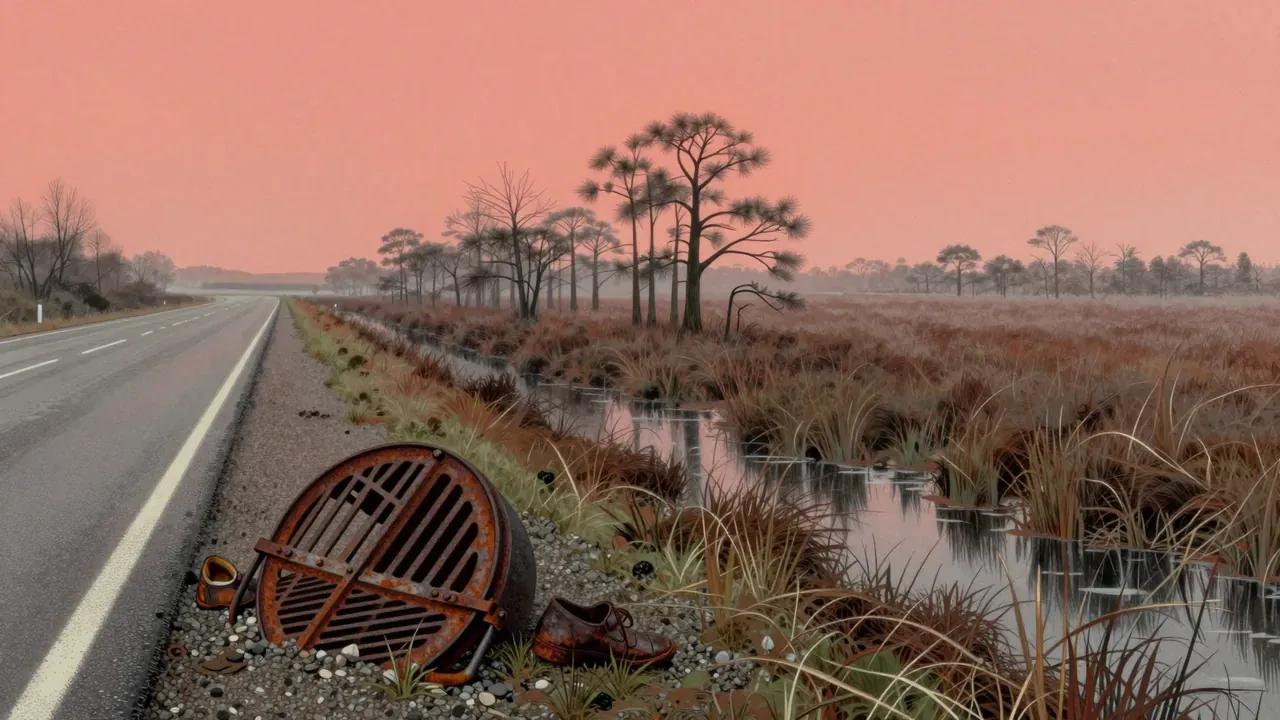
Jim Jarmusch’s 1986 black-and-white arthouse film follows three mismatched convicts — a radio DJ, a pimp, and an Italian immigrant — who escape from a New Orleans prison into the Louisiana bayou. With minimal plot, deliberate pacing, and Robby Müller’s stark cinematography, it foregrounds texture, silence, and the quiet evolution of trust over conventional narrative drive. Starring Tom Waits, John Lurie, and Roberto Benigni, it is a study in tonal precision, linguistic friction, and the unforced poetry of ordinary endurance.

13:00

Ghost Dog: The Way of the Samurai

Jim Jarmusch · 1999

Ghost Dog: The Way of the Samurai (1999) follows a Black hitman in New Jersey who lives by the samurai code of Hagakure while working for an Italian-American crime family. Directed by Jim Jarmusch and scored by RZA, it unfolds with deliberate stillness, using Robby Müller’s restrained cinematography and Forest Whitaker’s physically precise performance to sustain a world where ritual, silence, and cross-cultural synthesis are structural facts, not themes to be explained.

13:00

Leningrad Cowboys Go America

Aki Kaurismäki · 1989

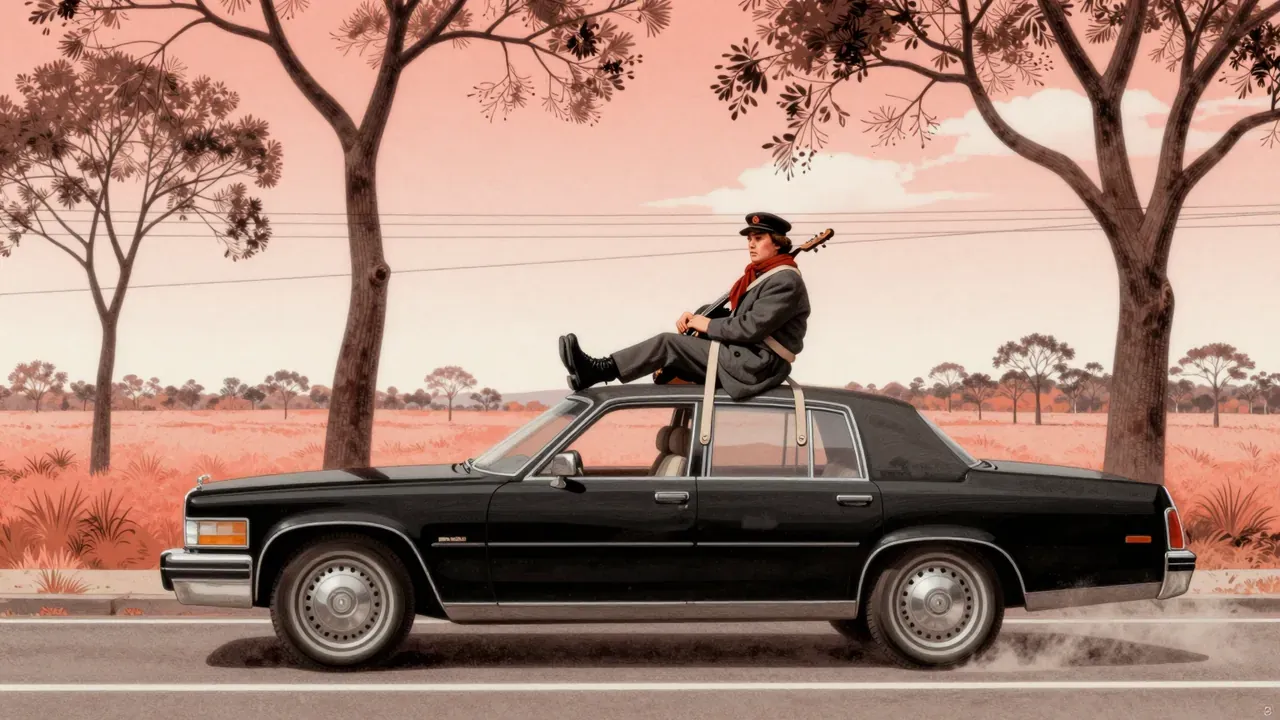
Leningrad Cowboys Go America (1989) is a 78-minute Finnish comedy directed by Aki Kaurismäki, following a fictional Soviet band’s deadpan journey from the tundra to a Mexican wedding via New York and the American South. Starring Matti Pellonpää and Kari Väänänen, with cameos by Jim Jarmusch and Duke Robillard, it deploys rigid framing, monotone delivery and metronomic editing to sustain a tone of bureaucratic absurdity. There are no arcs, no explanations, no emotional payoffs — only forward motion, repeated gestures, and the quiet insistence that this is all perfectly reasonable.

13:00

Mystery Train

Jim Jarmusch · 1989

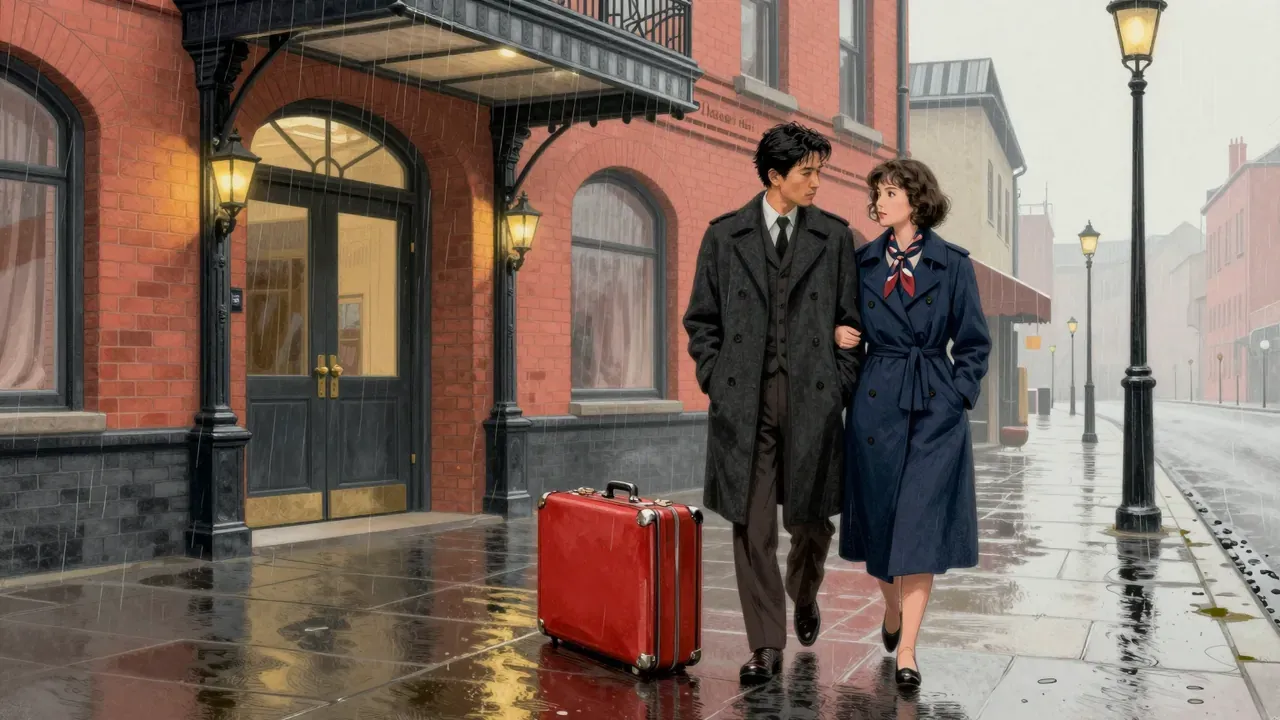
Mystery Train is Jim Jarmusch’s 1989 triptych set over one night in Memphis, following a Japanese couple, an Italian widow, and a disoriented Englishman as they navigate the city’s margins. Shot in controlled colour by Robby Müller and scored sparsely by John Lurie, it treats narrative as variation rather than progression. Though critically acclaimed and formally assured, its third segment falters under schematic weight. It rewards patient attention with cumulative texture, not plot resolution.

13:00

Night on Earth

Jim Jarmusch · 1991

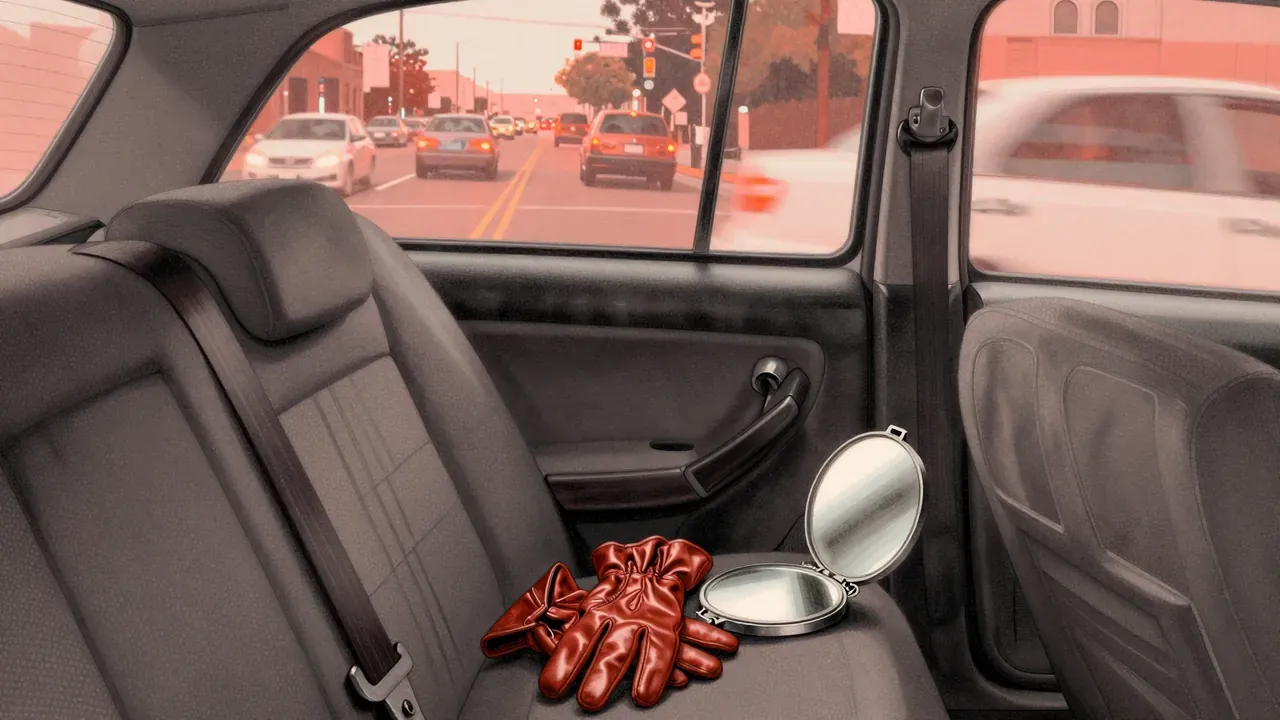
Night on Earth (1991) is Jim Jarmusch’s anthology film following five taxi rides across Los Angeles, New York, Paris, Rome, and Helsinki, all occurring over the same night. Each vignette centres on a temporary, often fraught, bond between driver and passenger. Shot on location with minimal intervention, it prioritises quiet observation over plot, using natural light, sparse music by Tom Waits, and unhurried performances to explore miscommunication, class, mortality, and fleeting kinship. Though uneven in impact—its Paris and Rome segments falter linguistically and tonally—the film’s cumulative power lies in its restraint and specificity.

13:00

Stranger Than Paradise

Jim Jarmusch · 1984

Jim Jarmusch’s 1984 debut is a black-and-white, three-act film built from fixed long takes and two-second blackouts. It follows Willie, his cousin Eva, and his friend Eddie across Brooklyn, Cleveland, and Florida — not as a journey of discovery, but as a study in duration, repetition, and the quiet absurdity of routine. With minimal dialogue, no score, and no conventional coverage, it asks the viewer to attend to stillness itself.