filmbriefs
Actor · Screenwriter · Producer · 1909–1984

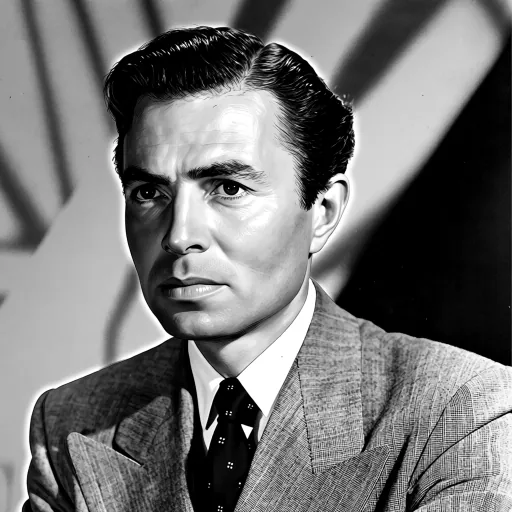
James Mason

6
briefs
13:00
average
78 min
in total
On film.briefs6
13:00

Bigger Than Life

Nicholas Ray · 1956

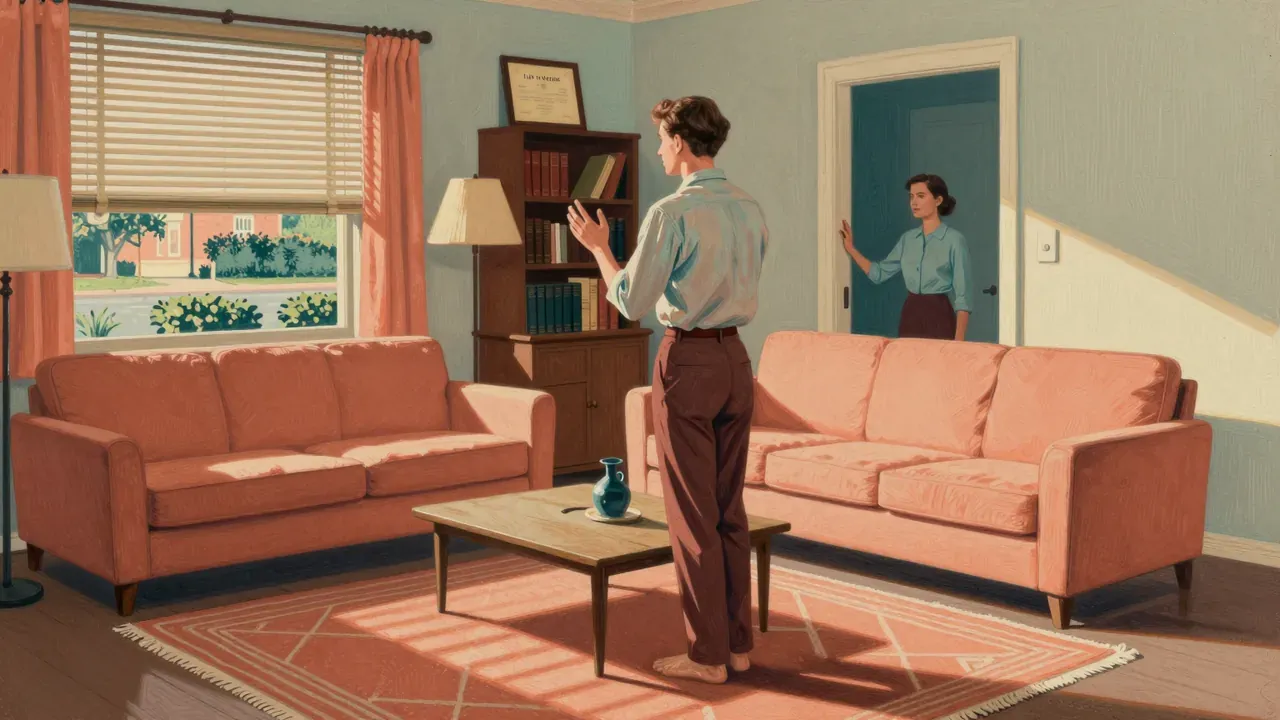
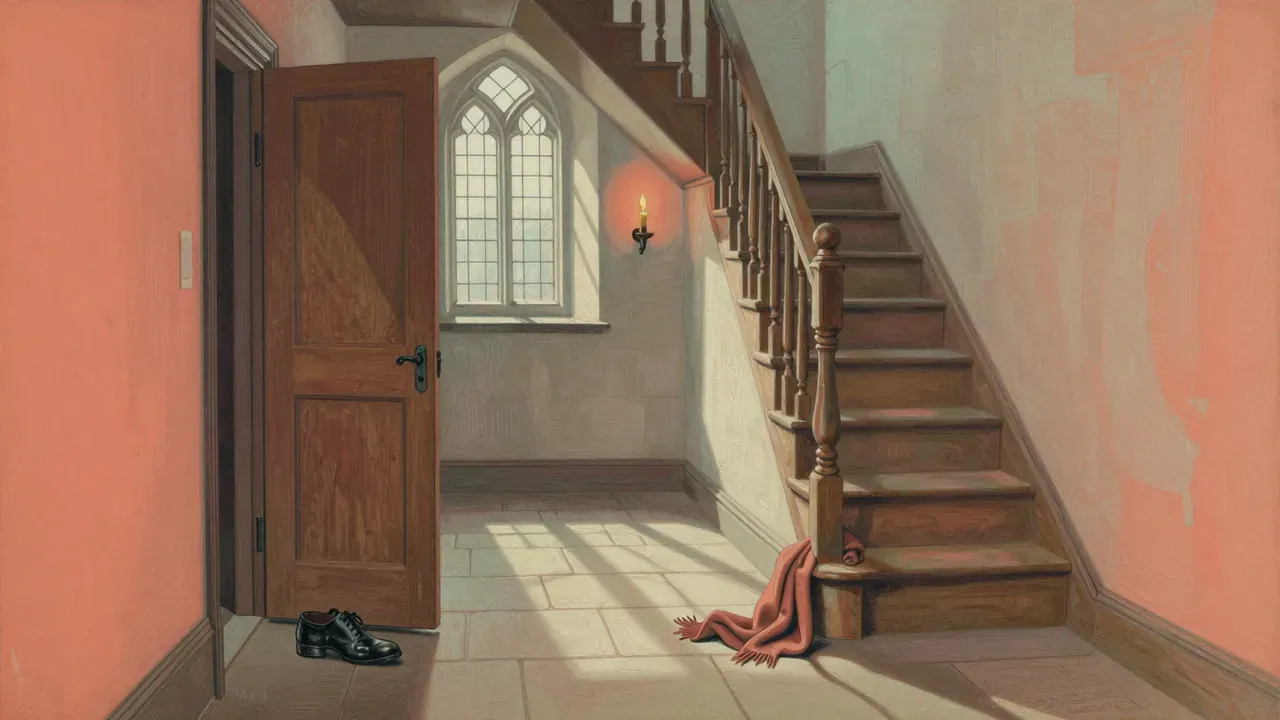
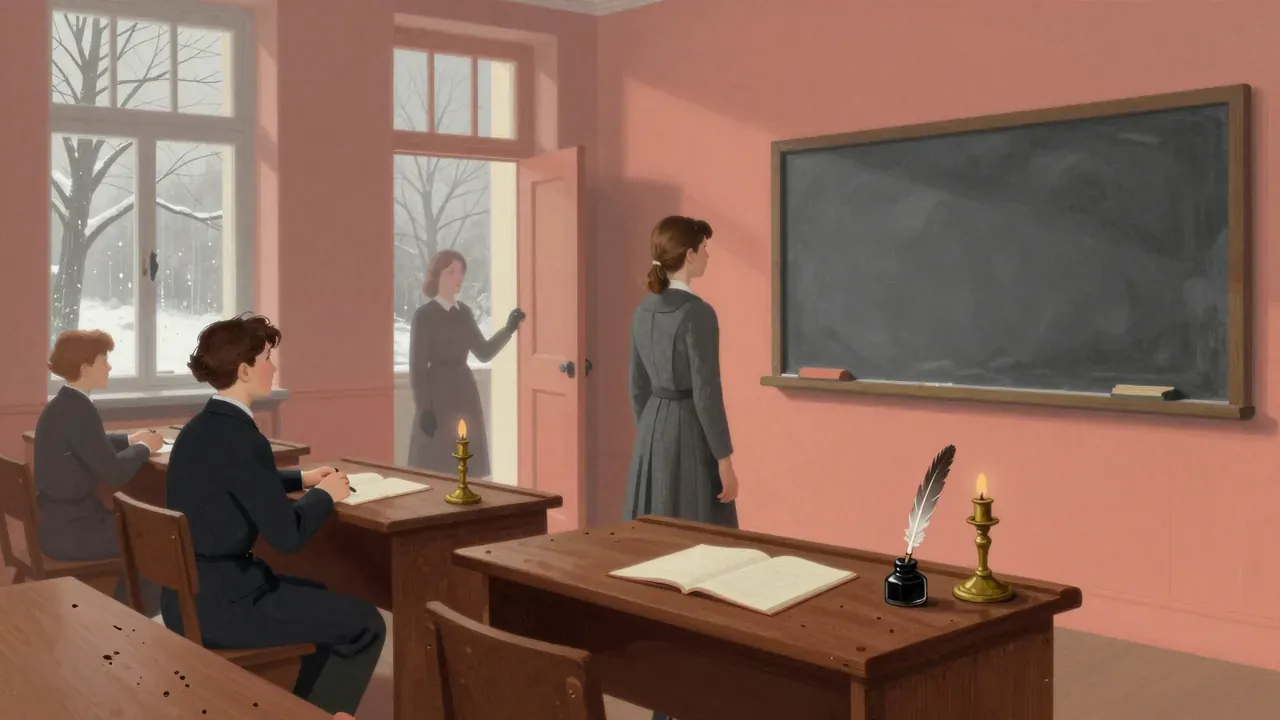
Nicholas Ray’s 1956 drama follows schoolteacher Ed Avery, whose recovery from a rare illness via cortisone treatment triggers a psychological unraveling that fractures his marriage, terrifies his son, and exposes the brittle ideologies underpinning Eisenhower-era domestic life. James Mason stars and produced; Joseph MacDonald’s CinemaScope cinematography turns suburban interiors into psychological pressure chambers.
13:00

Roman Polanski: Odd Man Out

Carol Reed · 1947

Odd Man Out (1947), directed by Carol Reed and starring James Mason, follows a wounded Irish nationalist as he staggers through Belfast over a single night, pursued by police and abandoned by comrades. Adapted from F. L. Green’s novel, it avoids naming the IRA or debating ideology, focusing instead on Johnny McQueen’s physical and moral dissolution. Robert Krasker’s chiaroscuro cinematography, William Alwyn’s restrained score, and R. C. Sherriff’s lean script build tension through proximity and silence. Though lauded on release and awarded BAFTA’s first Best British Film prize, its political reticence and slow pacing divide modern viewers. It remains a masterclass in atmospheric realism and embodied performance.

13:00

The Man in Grey

Leslie Arliss · 1943

The Man in Grey (1943), directed by Leslie Arliss for Gainsborough Pictures, is a dual-timeline period drama adapting Eleanor Smith’s novel. In 1943 London, a Wren and an RAF pilot visit an auction; the event triggers a flashback to the early 1800s, where Clarissa Rohan’s loyalty to the ambitious, bitter Hesther Shaw sets in motion a chain of betrayal, coercion, and vengeance. Margaret Lockwood, James Mason, Phyllis Calvert, and Stewart Granger lead a cast defined by stark moral contrasts, supported by Arthur Crabtree’s expressive cinematography and a tightly wound studio aesthetic. It inaugurated the Gainsborough melodramas — escapist, emotionally direct, and formally assured.

13:00

The Wicked Lady

Leslie Arliss · 1945

The Wicked Lady (1945) is a Gainsborough Pictures swashbuckler starring Margaret Lockwood as a bored noblewoman who becomes a highway robber. Directed and written by Leslie Arliss, it adapts Magdalen King-Hall’s novel into a tightly paced moral fable, where transgression is glamorous, consequence inevitable, and redemption absent. Shot at Gainsborough Studios and Blickling Hall, it relies on Jack E. Cox’s high-contrast cinematography, Terence Fisher’s brisk editing, and Hans May’s ironic score. Though criticised for thin supporting characters and abrupt plot turns, its enduring power lies in Lockwood’s commanding, physically assured performance and its unwavering commitment to its own logic.

13:00

Lolita

Stanley Kubrick · 1962

Stanley Kubrick’s 1962 Lolita is a black-and-white arthouse drama adapted from Vladimir Nabokov’s novel under strict Hays Code restrictions. Starring James Mason as Humbert Humbert and Sue Lyon as Dolores Haze, it reframes the story as a tragicomic romance, avoiding explicit content through irony, voice-over, and visual indirection. Filmed largely in England despite its American setting, it features Peter Sellers in multiple roles and a jazz-inflected score by Nelson Riddle. Though commercially successful and critically well-received, it sacrifices the novel’s psychological and linguistic complexity for viability — making it less a faithful adaptation than a record of constraint.

13:00

North by Northwest

Alfred Hitchcock · 1959

An advertising executive mistaken for a nonexistent spy is chased across the United States toward a crop-duster in an empty field and a climax on the carved faces of Mount Rushmore. Built by Hitchcock and Ernest Lehman around set pieces conceived before the plot that justifies them, it is Cary Grant at his most physically tested and Hitchcock's biggest production to date.