filmbriefs
Director · Screenwriter · Actor · 1931–1990

Jacques Demy

8
briefs
13:00
average
104 min
in total
On film.briefs8
13:00

A Room in Town

Jacques Demy · 1982

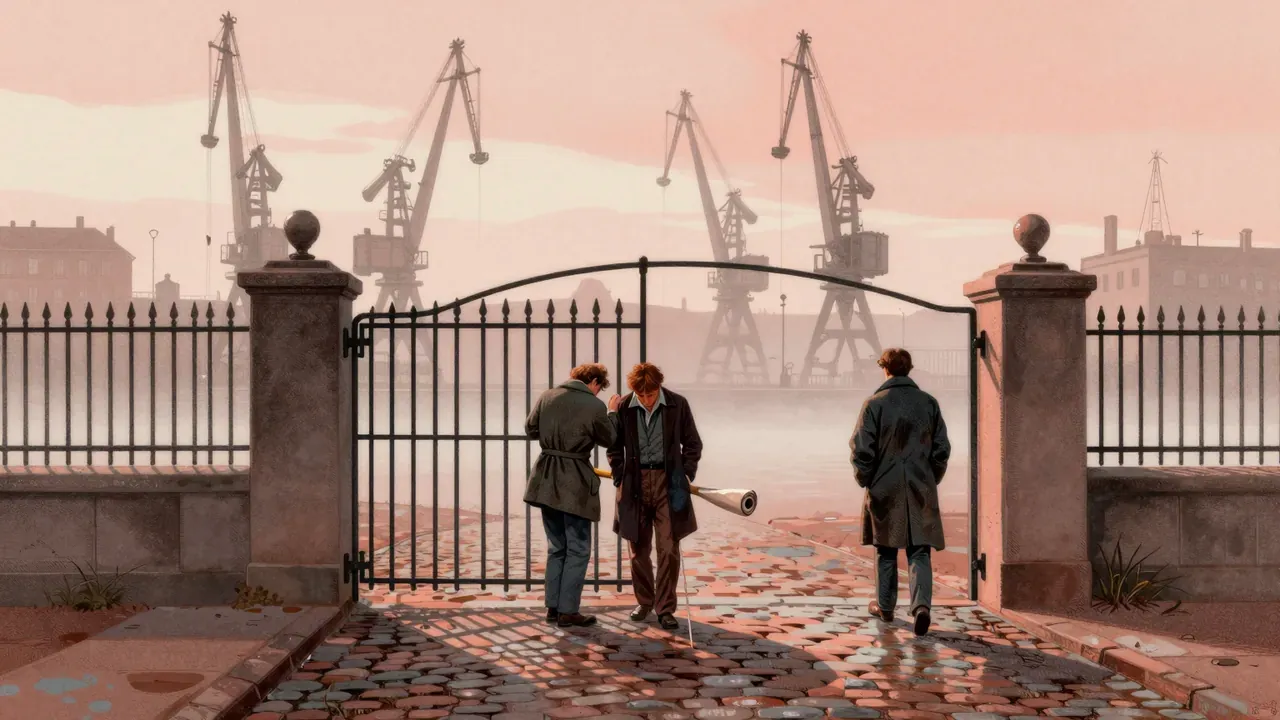
Jacques Demy’s 1982 sung-through musical, set during the 1955 Nantes shipyard strike, follows a young striker torn between two women as political tension escalates. Every line is sung to Michel Colombier’s austere score; Jean Penzer’s cinematography is precise and unflashy. Though less buoyant than The Umbrellas of Cherbourg, it pursues a graver, more politically explicit vision of musical storytelling — one where melody carries ideology, and tragedy arrives in perfect time.

13:00

Bay of Angels

Jacques Demy · 1963

Jacques Demy’s 1963 black-and-white drama follows a young bank clerk and a compulsive gambler through the casinos of Nice and Monte Carlo. Built around Jeanne Moreau’s tightly coiled performance and Michel Legrand’s percussive score, it studies addiction as rhythm, not pathology — where money is incidental, and the real stakes are time, attention, and the diminishing space between decisions.

13:00

Paris Belongs to Us

Jacques Rivette · 1961

Jacques Rivette’s 1961 debut is a slow-burning, enigmatic drama set among Parisian artists haunted by unexplained deaths and whispered conspiracies. Shot in natural light and real locations, it sustains a mood of existential and political unease without offering explanations — treating paranoia as ambient, collective, and structurally embedded.

13:00

Peau d'Âne

Jacques Demy · 1970

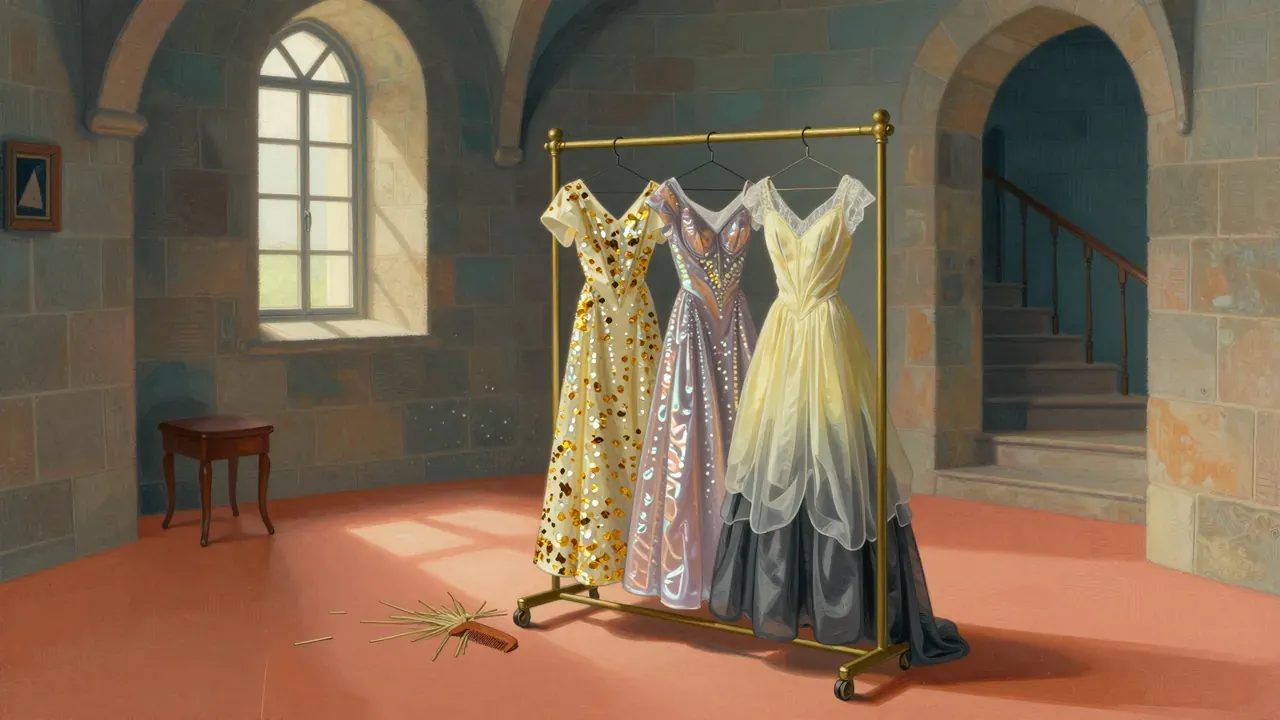
Jacques Demy’s 1970 musical fantasy Peau d’Âne adapts Perrault’s Donkeyskin with meticulous visual and musical precision. Catherine Deneuve stars as a princess who flees her father’s incestuous proposal by donning a magic donkey skin, finding refuge and love in disguise. Shot across historic French châteaux, scored by Michel Legrand, and designed with sumptuous, symbolic costumes, the film treats folklore as a self-contained system of rules, colour, and ritual — not a psychological case study. Its power lies in consistency, not catharsis.

13:00

The Beaches of Agnès

Agnès Varda · 2008

The Beaches of Agnès is a 2008 French documentary essay directed by Agnès Varda, in which she revisits places, people and objects from her life to mark her eightieth birthday. Using mirrors on beaches, stills, home movies, and everyday artefacts, she builds a portrait that privileges texture over timeline, presence over exposition. Shot and edited with Hélène Louvart and Marie-Josèphe Yoyotte, with music by Joanna Bruzdowicz, it won the César Award for Best Documentary in 2009.

13:00

The Umbrellas of Cherbourg

Jacques Demy · 1964

Jacques Demy’s 1964 film tells the story of Geneviève and Guy, young lovers in Cherbourg separated by war and circumstance. Every line is sung to Michel Legrand’s continuous score; Jean Rabier’s cinematography uses saturated, deliberate colour; and the narrative unfolds across five years with formal rigour and emotional restraint. It won the Palme d’Or and remains a landmark of musical and arthouse cinema.

13:00

The Young Girls of Rochefort

Jacques Demy · 1967

Jacques Demy’s 1967 musical follows twin sisters in the French port town of Rochefort over three days as a fair arrives, lovers circle, and artistic ambitions converge. With Ghislain Cloquet’s luminous cinematography and Michel Legrand’s intricate score, it builds emotion through repetition, colour, and quiet intention rather than plot turns — a formally rigorous, emotionally resonant portrait of longing held in balance.

13:00

The 400 Blows

François Truffaut · 1959

François Truffaut's 1959 debut follows Antoine Doinel, a twelve-year-old in Paris who lies, skips school and steals rather than be caught in either his parents' indifference or his teacher's contempt. Shot with Jean-Pierre Léaud in the role he would return to four more times, it became a founding film of the French New Wave and ends on one of cinema's most quoted images: a boy running toward the sea, then held there, mid-stride, looking back at the camera.