filmbriefs
Cinematographer · 1908–1990

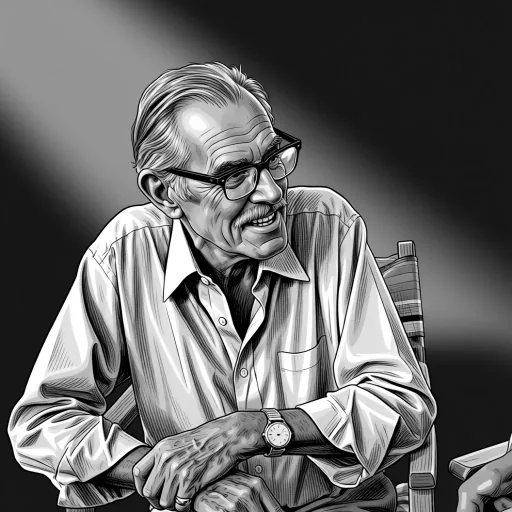
Jack Hildyard

6
briefs
13:00
average
78 min
in total
On film.briefs6
13:00

Caesar and Cleopatra

Gabriel Pascal · 1945

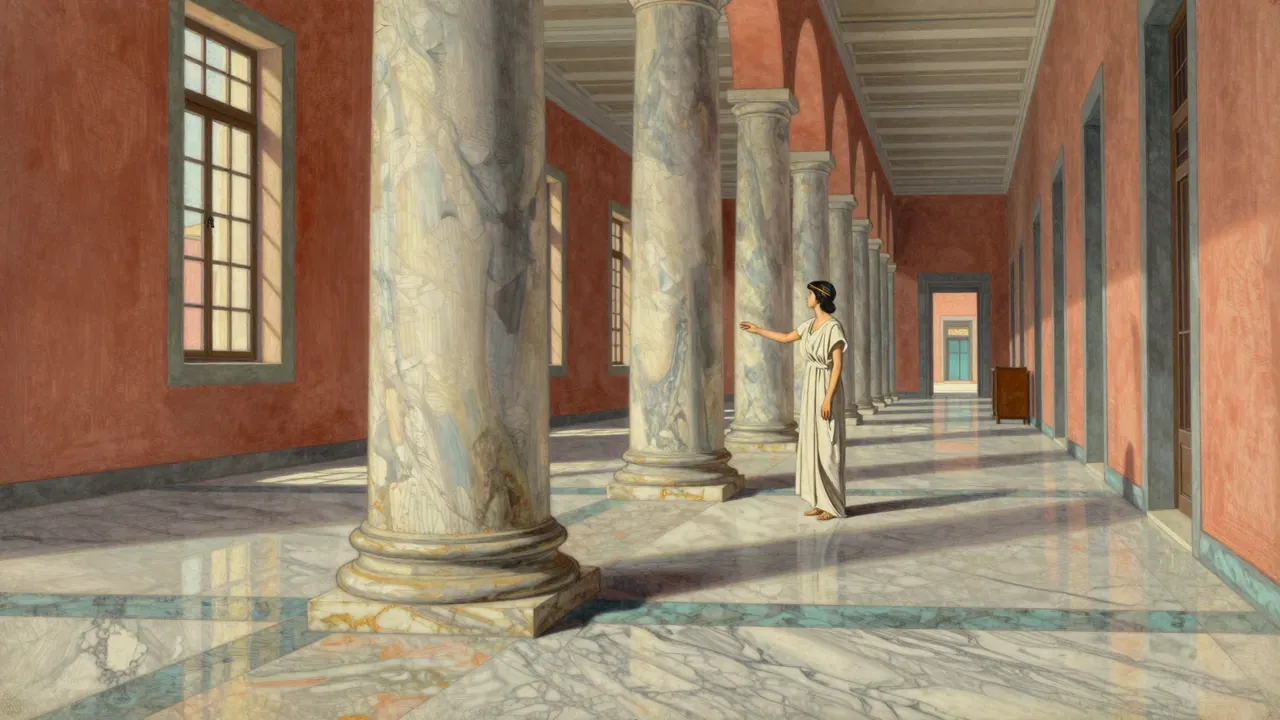
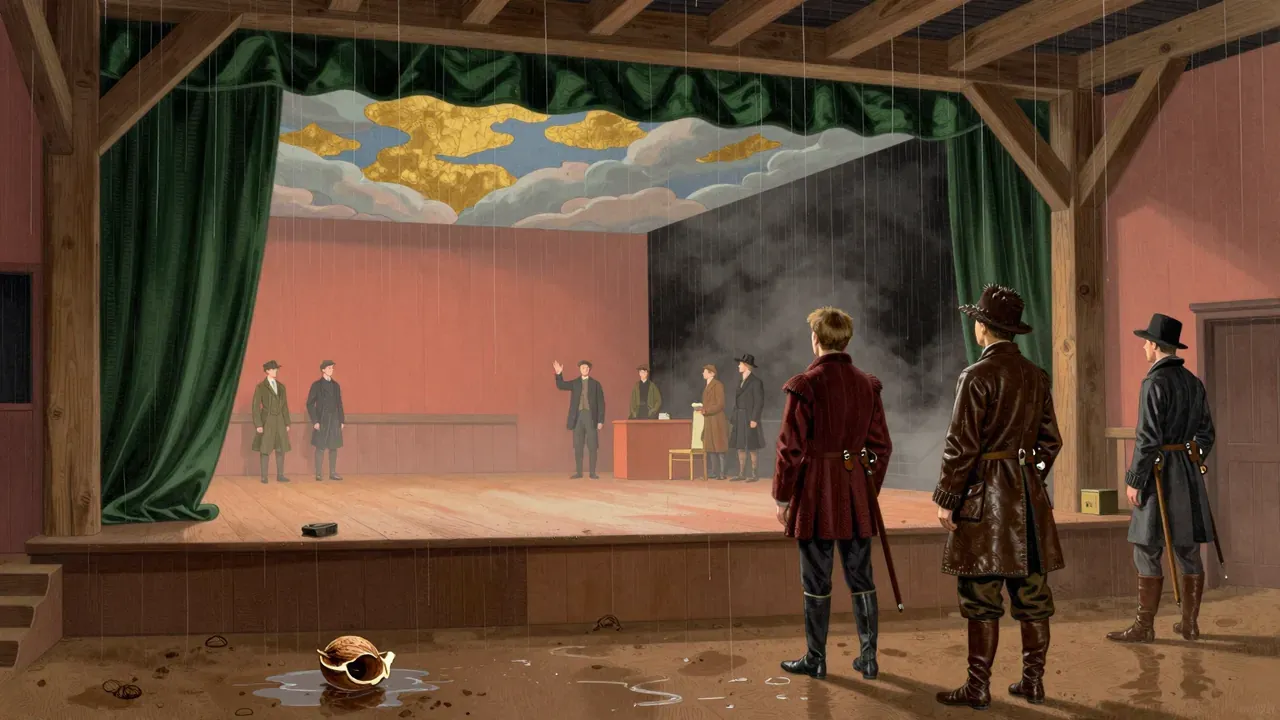
Gabriel Pascal’s 1945 Technicolor film adapts George Bernard Shaw’s 1901 play with near-verbatim fidelity. Starring Vivien Leigh and Claude Rains, it follows Cleopatra’s tutelage under Caesar during the Siege of Alexandria. Lavish in scale but restrained in execution, it privileges dialogue, idea and historical procedure over spectacle or sentiment. Though a financial failure on release, it endures as a rare example of British studio craft applying philosophical seriousness to ancient subject matter.
13:00

Henry V

Laurence Olivier · 1944

Laurence Olivier’s 1944 Henry V is a British government-backed film designed to bolster morale during the Second World War. Shot in Technicolor on location in Ireland and at Denham Studios, it blends miniature models, medieval manuscript aesthetics, and naturalistic battle scenes to recast Shakespeare’s play as a unifying national myth. Olivier stars, directs, and co-writes, omitting Henry’s harsher actions to foreground leadership, language, and legacy. Its craft — in cinematography, costume, editing and Walton’s score — is exacting and intentional. Though simplified in ethics, it remains a landmark of cinematic adaptation and wartime culture.

13:00

Hobson's Choice

David Lean · 1954

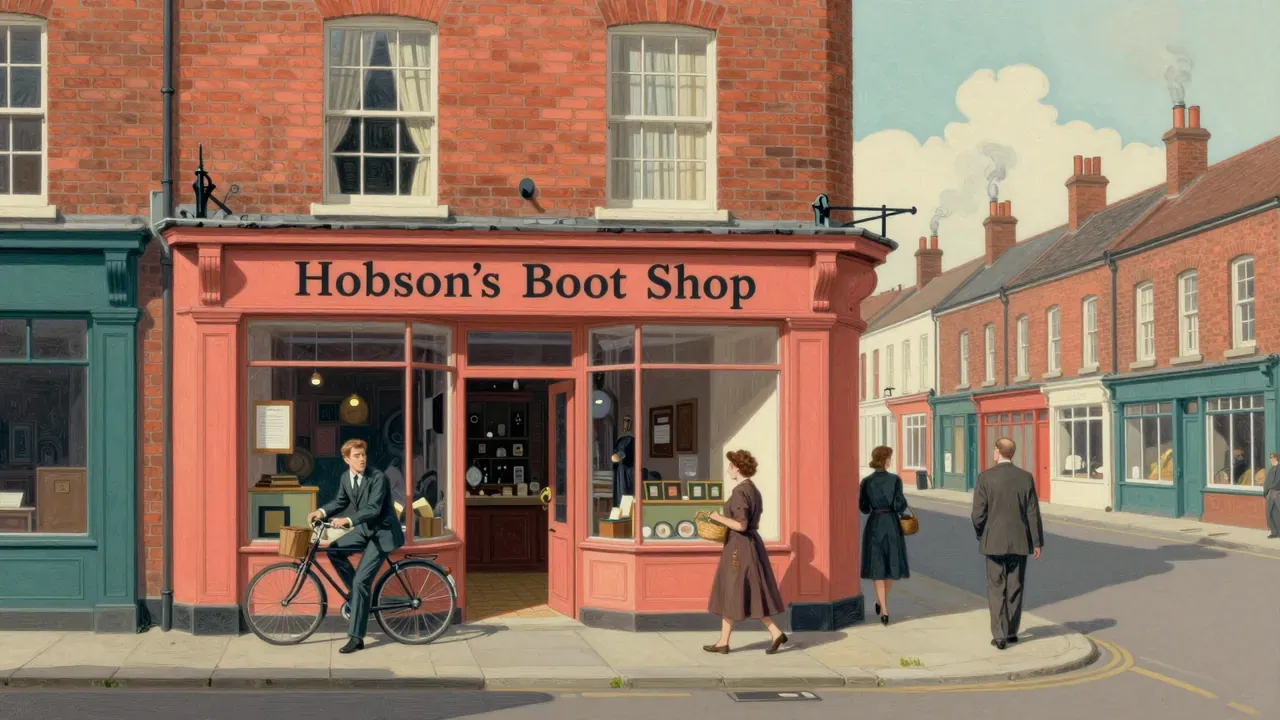
David Lean’s 1954 adaptation of Harold Brighouse’s play follows Maggie Hobson as she marries bootmaker Will Mossop to escape her tyrannical father’s household, then builds a rival business with him in 1880 Salford. Grounded in precise performance and restrained craft, it treats class, literacy, and domestic labour as material forces — not metaphors — and locates dignity in incremental, negotiated change.

13:00

Summertime

David Lean · 1955

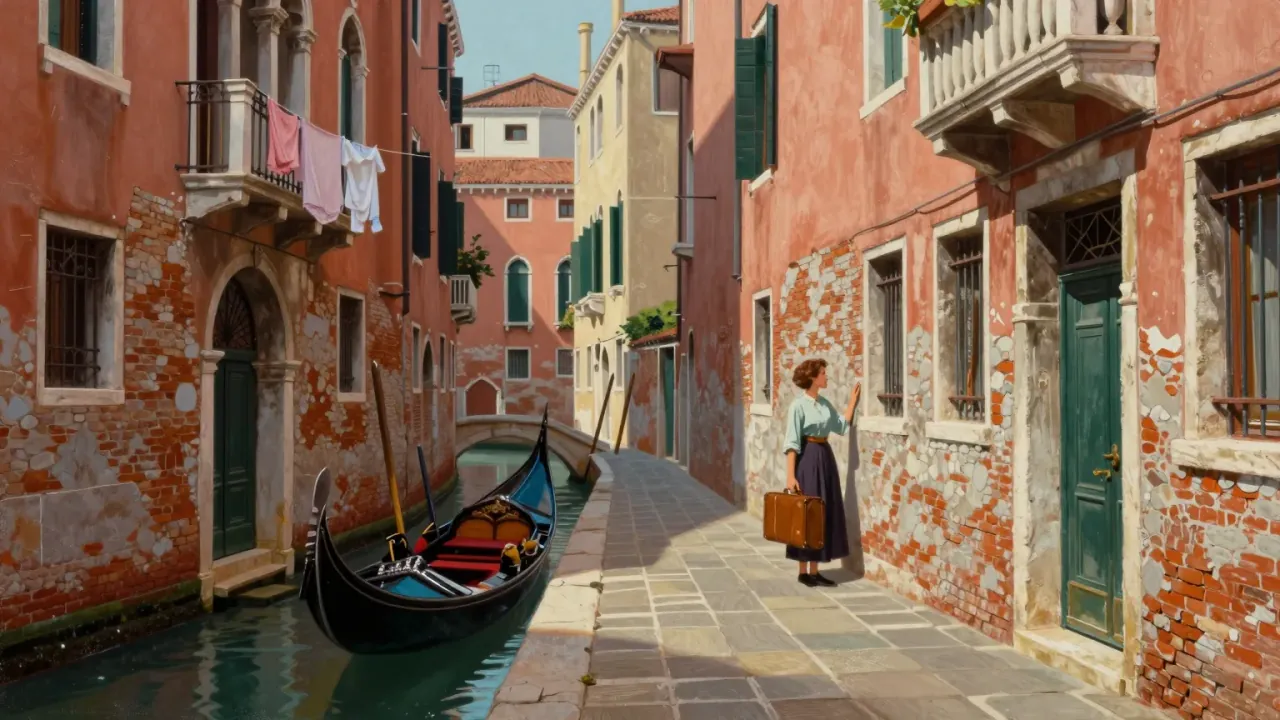
David Lean’s 1955 Summertime follows Katharine Hepburn as Jane Hudson, a lonely American secretary on her first solo trip to Venice, where she forms a tender, complicated bond with an Italian antiques dealer. Shot on location in Eastmancolor, the film leans on Hepburn’s understated performance, Jack Hildyard’s observant cinematography, and a script that prizes psychological realism over plot mechanics. Though constrained by 1950s censorship and occasional theatrical residue, it remains a quietly devastating study of longing, ageing, and the asymmetries of desire.

13:00

The Bridge on the River Kwai

David Lean · 1957

David Lean’s 1957 war drama follows British POWs forced to build a railway bridge for their Japanese captors in Thailand. At its centre is Colonel Nicholson, whose obsession with discipline and engineering excellence leads him to collaborate with the enemy — not out of weakness, but conviction. With Alec Guinness, William Holden and Sessue Hayakawa, it is a tightly wound study of pride, obedience and the porous line between order and complicity.

13:00

The Sound Barrier

David Lean · 1952

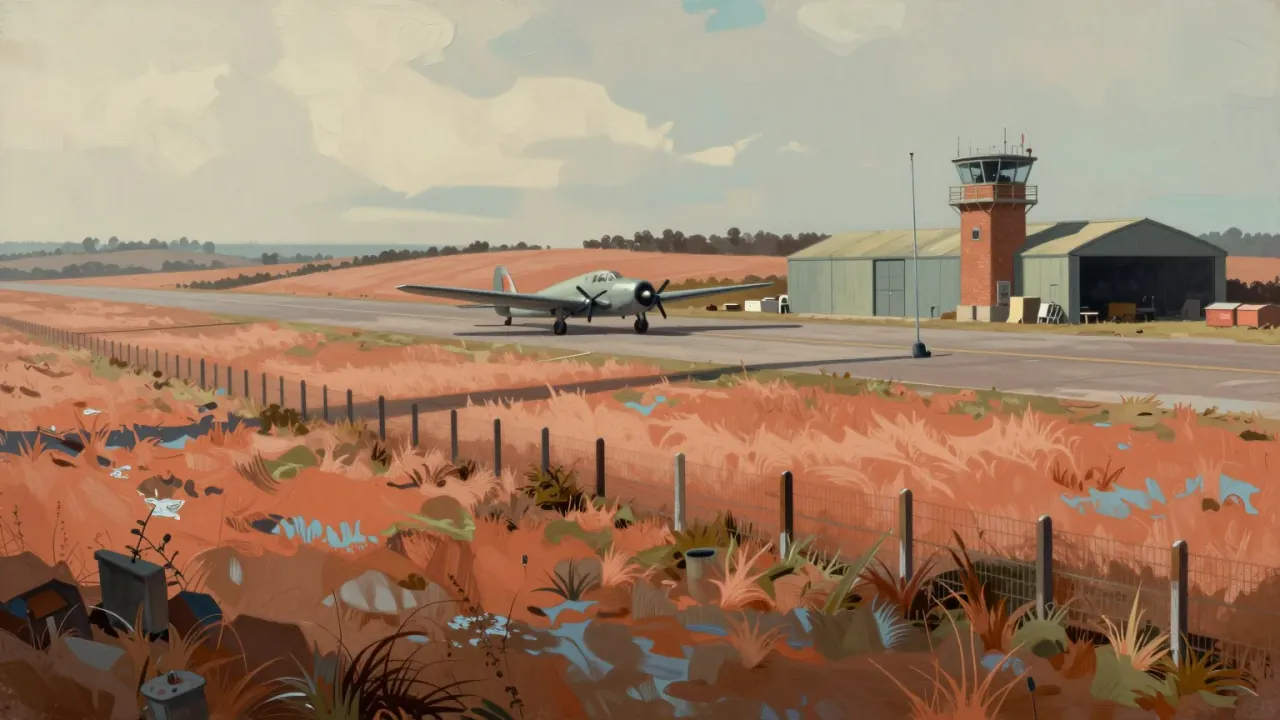
David Lean’s 1952 aviation drama follows a British aircraft magnate, his daughter, and two test pilots as they confront the physical and human limits of early jet flight. Written by Terence Rattigan and shot by Jack Hildyard, it balances procedural realism with restrained emotion, using sound, silence, and composition to convey the weight of progress. Though historically imprecise and structurally austere, its power lies in its unwavering focus on consequence over spectacle.