Saved
Director · Producer · 1927–2001

Hiroshi Teshigahara

4
briefs
13:00
average
52 min
in total
On film.briefs4
13:00

Antonio Gaudi

Hiroshi Teshigahara · 1984

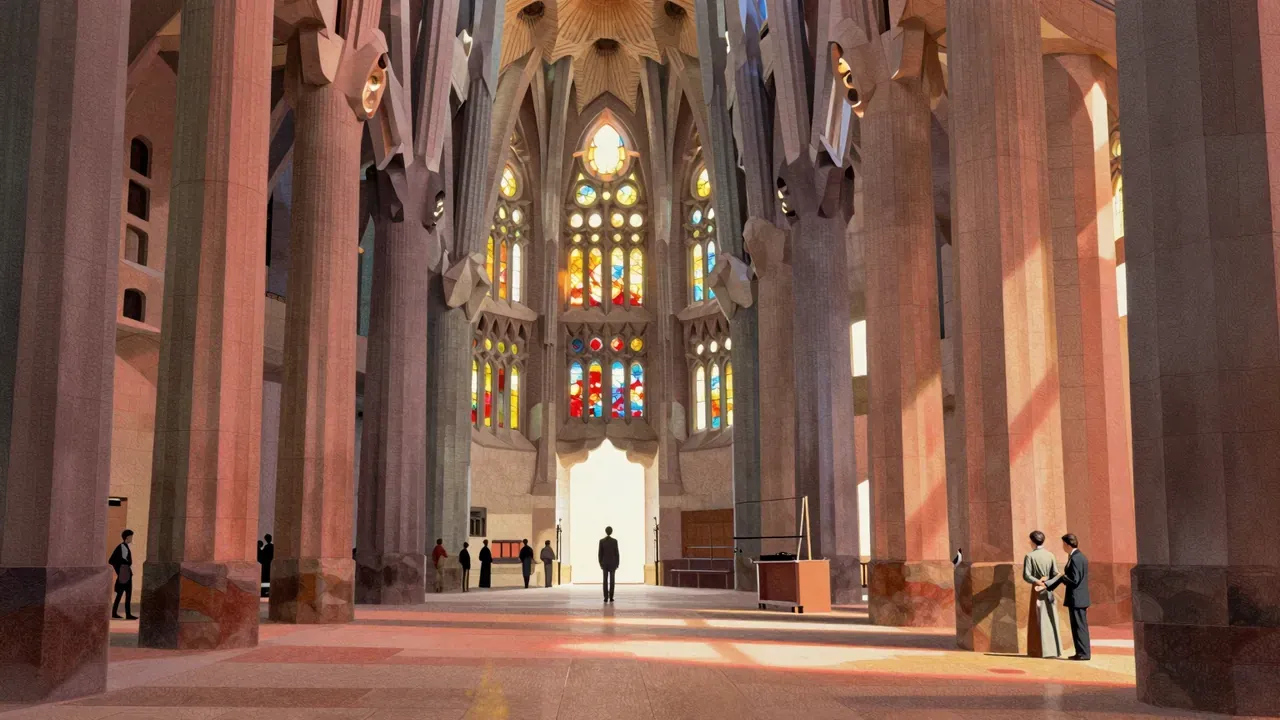
Hiroshi Teshigahara’s 1984 documentary Antonio Gaudi is a wordless, immersive study of Antoni Gaudí’s architecture in Barcelona. Shot in Spanish but produced in Japan, it uses sustained camera movement, deliberate pacing, and Toru Takemitsu’s evocative score to foreground the physical presence of buildings like the Sagrada Família and Park Güell — avoiding biography, history, or explanation entirely.
13:00

Pitfall

Hiroshi Teshigahara · 1962

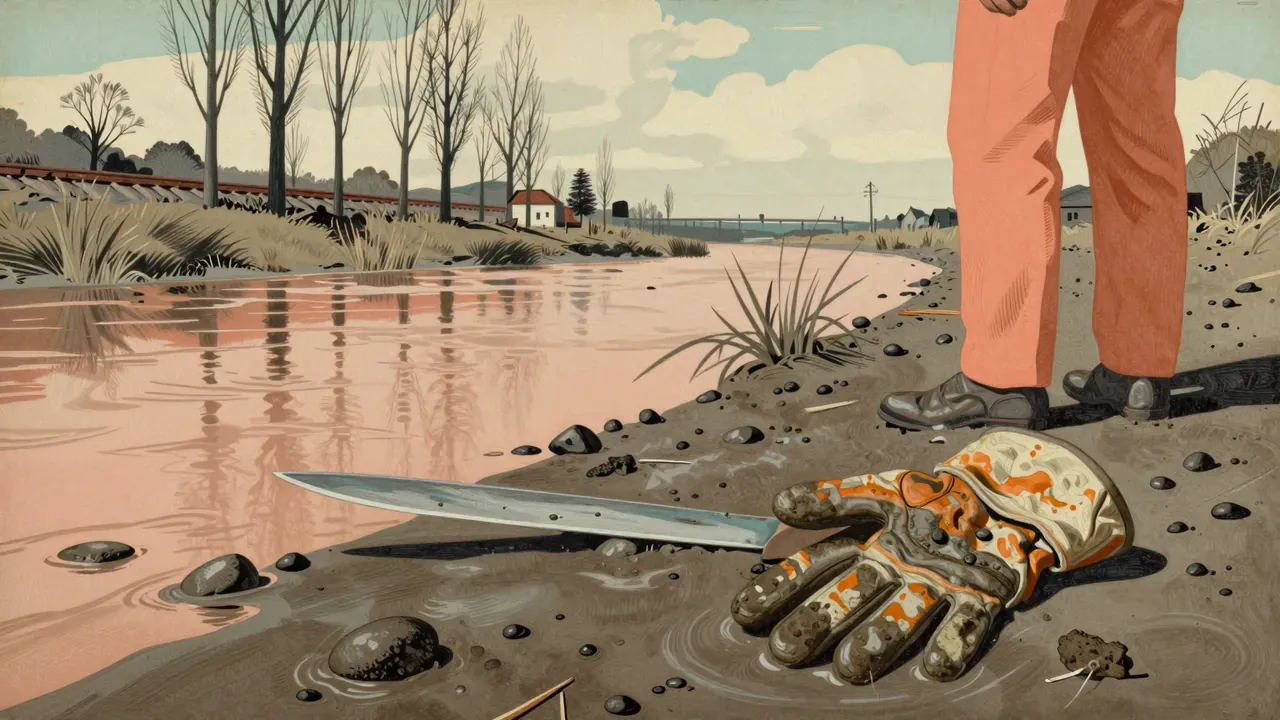
Hiroshi Teshigahara’s 1962 debut, written by Kōbō Abe, follows a miner murdered in a Kyūshū ghost town, then resurrected as a silent ghost while a man in white manipulates evidence to frame a union leader. Shot in stark black-and-white with Tōru Takemitsu’s percussive score, it uses surreal structure and deliberate opacity to articulate systemic erasure — not as metaphor but as lived, repeatable condition.

13:00

The Face of Another

Hiroshi Teshigahara · 1966

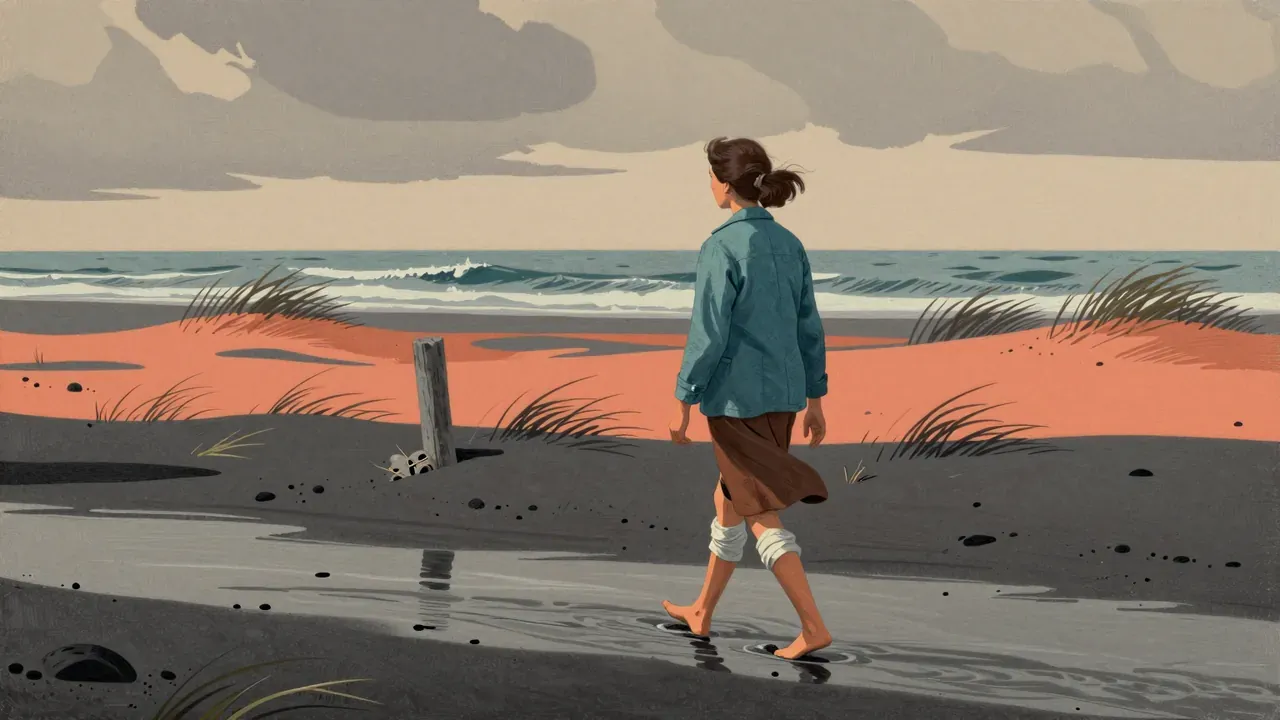
Hiroshi Teshigahara’s 1966 adaptation of Kōbō Abe’s novel follows an engineer who, disfigured by industrial accident, receives a lifelike prosthetic mask. As he lives a double life — one masked, one bandaged — his sense of self fractures. Interwoven is a parallel story of a woman scarred by war. With Tōru Takemitsu’s sparse score, Hiroshi Segawa’s austere cinematography, and Arata Isozaki’s glass-walled sets, the film explores identity as social contract, not essence. It is a rigorous, unsettling inquiry into visibility, recognition, and the violence of normalcy.

13:00

The Woman in the Dunes

Hiroshi Teshigahara · 1964

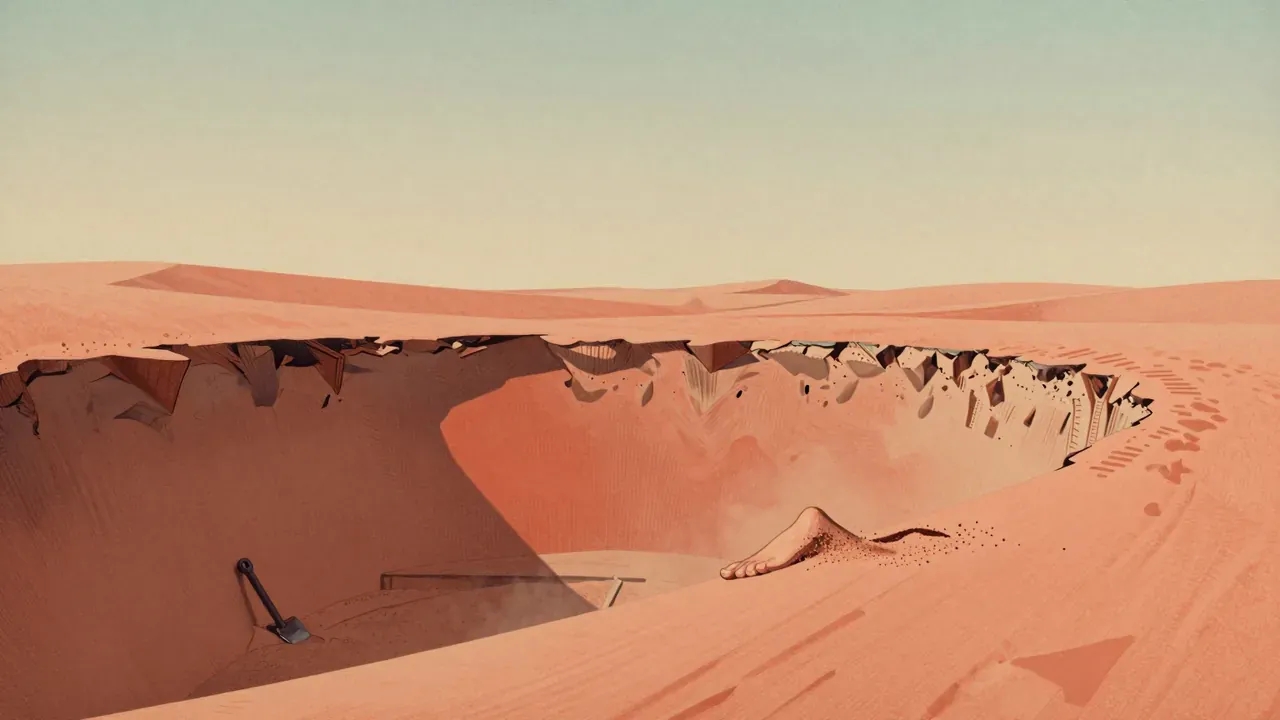
Hiroshi Teshigahara’s 1964 drama adapts Kōbō Abe’s novel into a stark, physically immersive allegory. Eiji Okada and Kyōko Kishida play a man and a woman trapped in a sand dune, bound by labour, thirst, and slow adaptation. Shot on location in Shizuoka by Hiroshi Segawa, with a dissonant score by Tōru Takemitsu, it refuses exposition and embraces repetition as both narrative and philosophical method.