filmbriefs
Composer · 1906–1967

Franz Waxman

7
briefs
13:00
average
91 min
in total
On film.briefs7
13:00

Night and the City

Jules Dassin · 1950

Jules Dassin’s 1950 London-set noir follows American tout Harry Fabian as he schemes to corner the city’s wrestling trade, only to be undone by his own miscalculations, betrayals, and the implacable logic of the underworld he misunderstands. Shot on location and at Shepperton Studios, it features Richard Widmark in a tightly coiled performance, Mutz Greenbaum’s precise cinematography, and Franz Waxman’s urgent score. Unsentimental and structurally rigorous, it ends not with reflection but with finality.
13:00

The Furies

Anthony Mann · 1950

Anthony Mann’s 1950 Western *The Furies*, adapted from Niven Busch’s novel, follows Vance Jeffords (Barbara Stanwyck) and her tyrannical father T. C. (Walter Huston) in a battle of wills over a New Mexico ranch. With Victor Milner’s restrained cinematography and Franz Waxman’s tense score, the film prioritises psychological architecture over action, building a mythic, morally austere portrait of inheritance as compulsion. Though commercially unsuccessful on release, it has since been reappraised as a key work in Mann’s filmography and a defining ‘Freudian Western’.

13:00

The Philadelphia Story

George Cukor · 1940

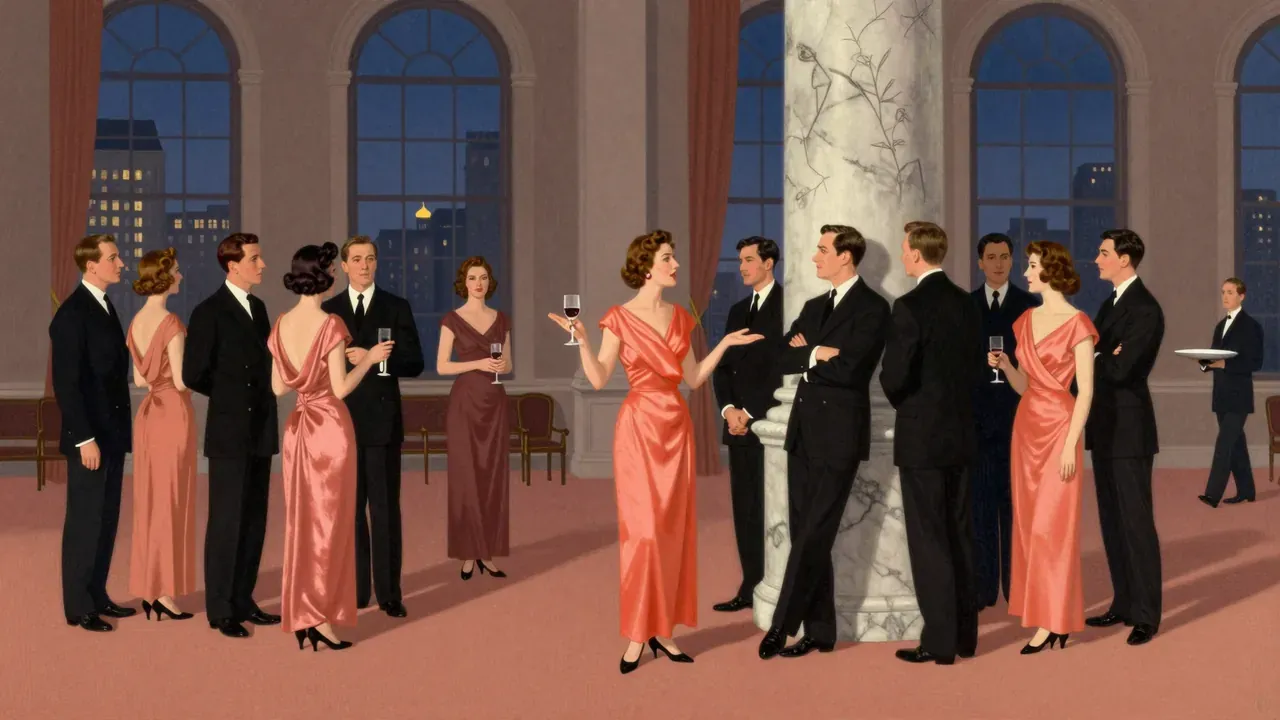
George Cukor’s 1940 romantic comedy adapts Philip Barry’s play with surgical fidelity, following Katharine Hepburn’s Tracy Lord as she navigates remarriage, journalism, and self-reckoning within Philadelphia high society. Written by Donald Ogden Stewart, shot by Joseph Ruttenberg, and performed with precise wit by Hepburn, Cary Grant, and James Stewart, it exemplifies the ‘comedy of remarriage’ genre — elegant, verbally dense, and emotionally contained. Though insulated from broader social forces, its focus on performance, privilege, and self-knowledge remains quietly radical in its restraint.

13:00

Woman of the Year

George Stevens · 1942

Woman of the Year (1942), directed by George Stevens, pairs Spencer Tracy and Katharine Hepburn for the first time in a romantic comedy about a globe-trotting political columnist and a down-to-earth sportswriter whose marriage strains under mismatched expectations. Written by Ring Lardner Jr. and Michael Kanin, with uncredited revisions by John Lee Mahin, the film balances sparkling dialogue and precise performances against a structurally compromised ending. It won the Academy Award for Best Original Screenplay and was added to the National Film Registry in 1999.

13:00

Bride of Frankenstein

James Whale · 1935

James Whale’s 1935 Bride of Frankenstein refines the gothic horror of its predecessor into something stranger and more enduring: a stylised, ironic, deeply humane meditation on autonomy and complicity. With Boris Karloff, Elsa Lanchester and Ernest Thesiger at their most expressive, and John J. Mescall’s chiaroscuro cinematography and Franz Waxman’s unresolved score lending it formal rigour, the film sustains a unique tonal balance — part fable, part farce, part tragedy. Its reputation as a masterpiece rests not on scares, but on its precision, its patience and its refusal to resolve what it sets in motion.

13:00

Rebecca

Alfred Hitchcock · 1940

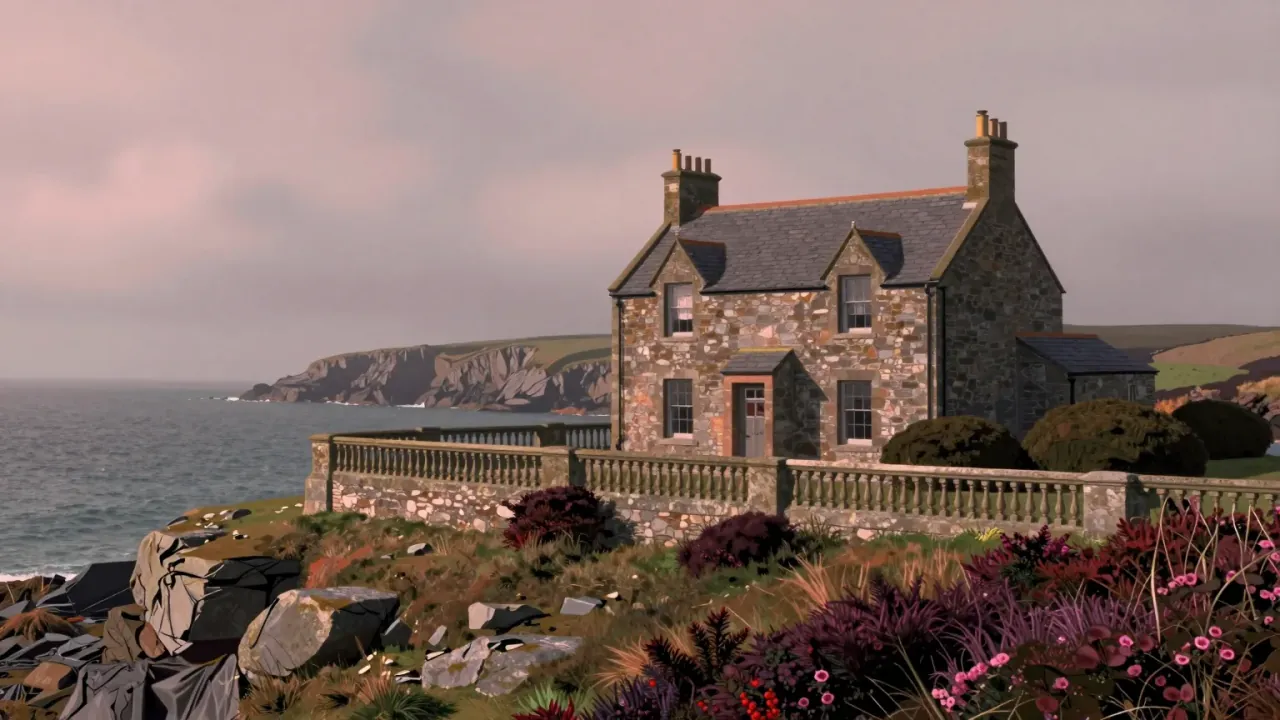
Alfred Hitchcock’s 1940 adaptation of Daphne du Maurier’s novel is a black-and-white psychological thriller about a young woman who marries a widowed aristocrat and moves into his Cornwall estate, Manderley — a house saturated with the memory of his first wife, Rebecca, who died under ambiguous circumstances. Though unseen, Rebecca dominates every room, every conversation, every glance. The film’s power lies in its restraint: its suspense is atmospheric, its horror psychological, its resolution earned not by revelation but by erosion of illusion.

13:00

Rear Window

Alfred Hitchcock · 1954

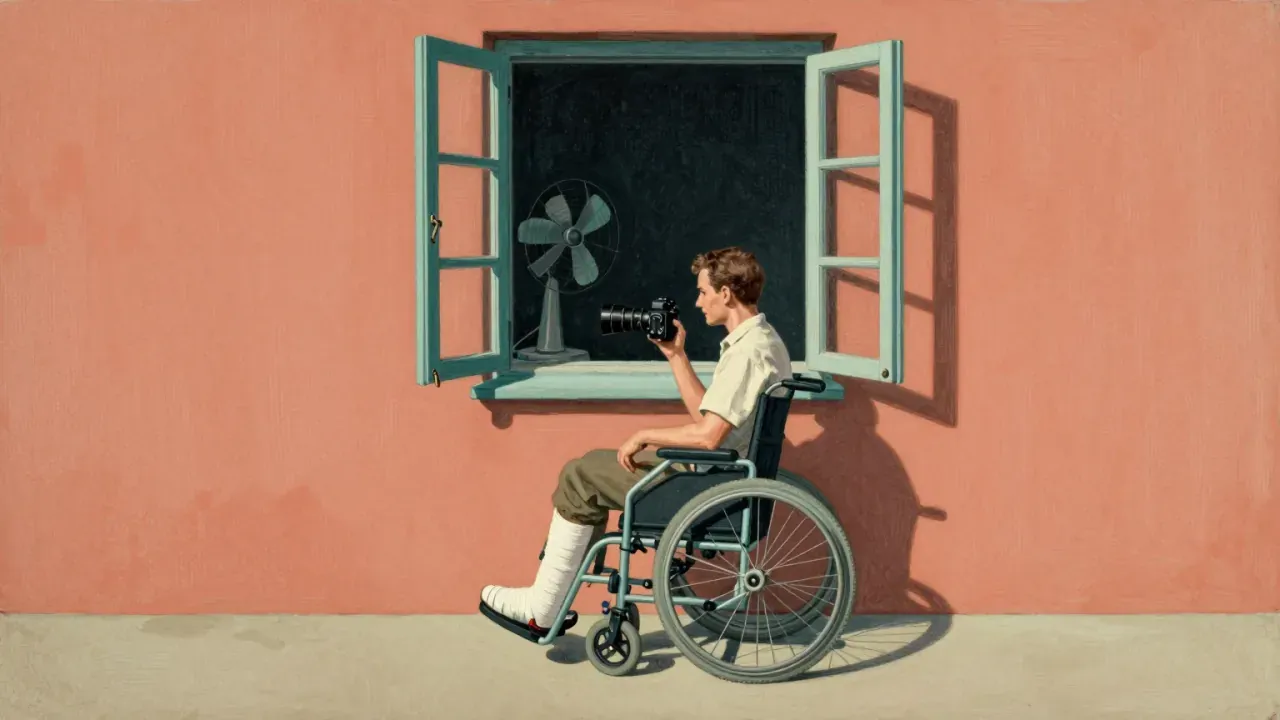
Confined almost entirely to one apartment and the courtyard it overlooks, Rear Window turns a photographer's boredom into a murder investigation conducted through binoculars. Built on a single elaborate Paramount set, it is Hitchcock at his most tightly engineered, with James Stewart watching and Grace Kelly eventually doing the one thing he cannot: crossing the courtyard himself.