filmbriefs
Actor · 1885–1969

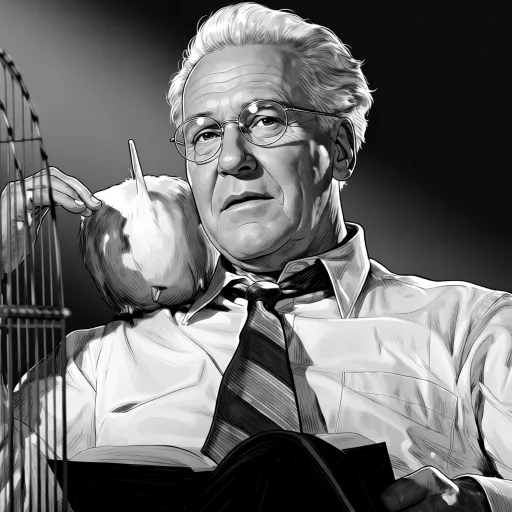
Erskine Sanford

5
briefs
13:00
average
65 min
in total
On film.briefs5
13:00

Ministry of Fear

Fritz Lang · 1944

Fritz Lang’s 1944 Ministry of Fear adapts Graham Greene’s novel into a tightly paced spy thriller set in Blitz-era London. Ray Milland plays Stephen Neale, a man recently released from a mental asylum who stumbles into a Nazi espionage ring masquerading as a charitable organisation. The film prioritises procedural suspense and period texture over the novel’s deep psychological guilt, delivering a lean, atmospheric, studio-era noir anchored in tangible wartime detail.
13:00

The Magnificent Ambersons

Orson Welles · 1942

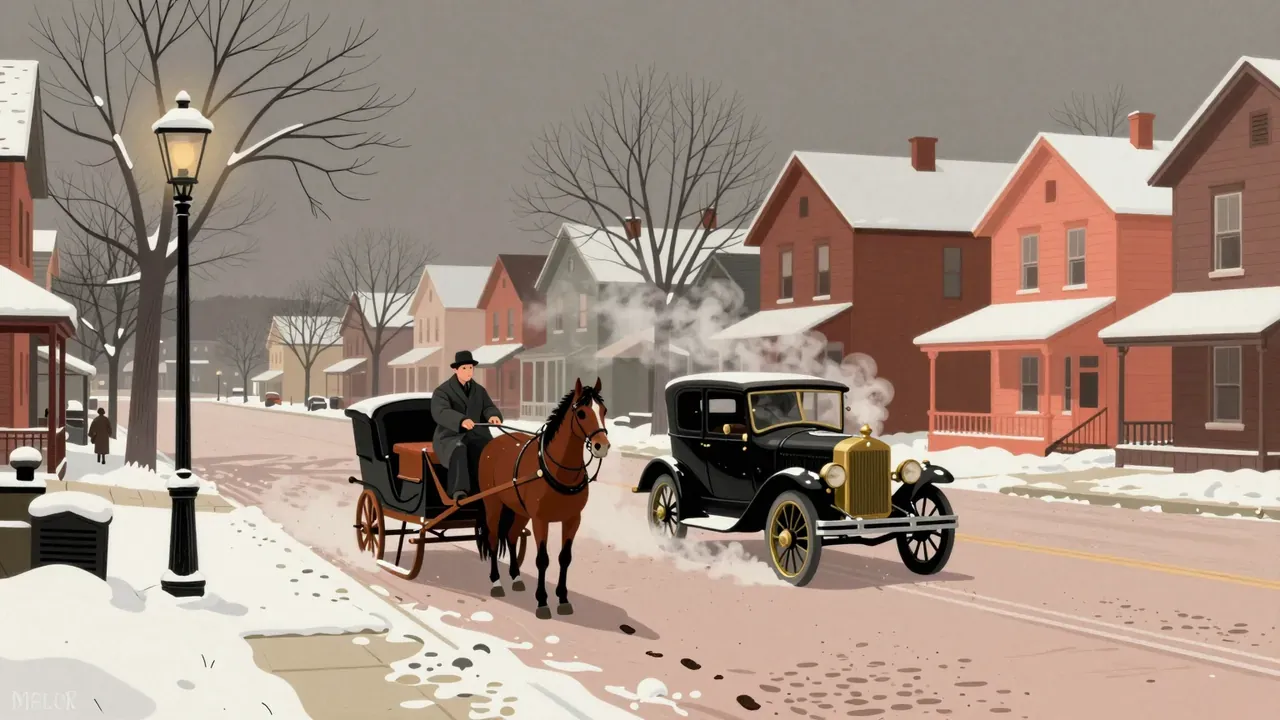
Orson Welles’s 1942 adaptation of Booth Tarkington’s novel traces the slow collapse of a wealthy Midwestern family amid industrial change. Though RKO cut over forty minutes and reshot the ending — destroying the excised footage — the surviving film remains a landmark of restrained, atmospheric storytelling, anchored by Agnes Moorehead’s performance and Stanley Cortez’s cinematography. Its power lies in what it implies, not what it states.

13:00

Letter from an Unknown Woman

Max Ophüls · 1948

Max Ophüls’ 1948 adaptation of Stefan Zweig’s novella follows Lisa Berndle’s lifelong devotion to concert pianist Stefan Brand, rendered in flashback through her final letter. Joan Fontaine’s restrained performance and Franz Planer’s under-lit cinematography sustain a mood of quiet accumulation, where emotional weight gathers not in climaxes but in silences, glances, and withheld names.

13:00

The Lady from Shanghai

Orson Welles · 1947

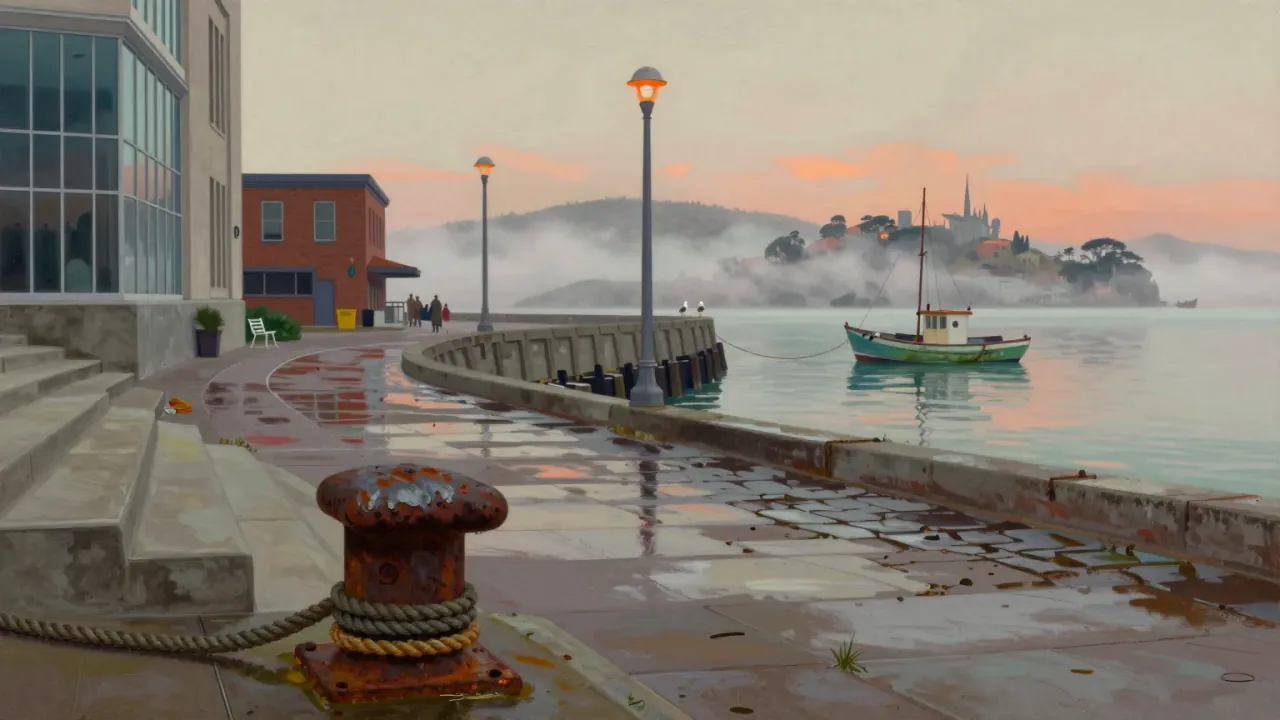
Orson Welles’s 1947 noir, shot on location in San Francisco and Acapulco, uses a tangled murder plot to interrogate perception, law, and performance. Though heavily cut by Columbia Pictures, its surviving fragments—including the legendary hall-of-mirrors finale—retain a stark, unsettling power rooted in visual and ethical ambiguity.

13:00

Citizen Kane

Orson Welles · 1941

Orson Welles's 1941 debut tells the life of publishing baron Charles Foster Kane through the conflicting memories of the people who knew him, filmed by Gregg Toland in deep focus that keeps whole rooms in sharp relief at once. It cost RKO under $840,000, won a single Oscar out of nine nominations, and lost money on release before critics rebuilt its reputation from the 1950s onward.