Saved
Director · Producer · Screenwriter · 1948

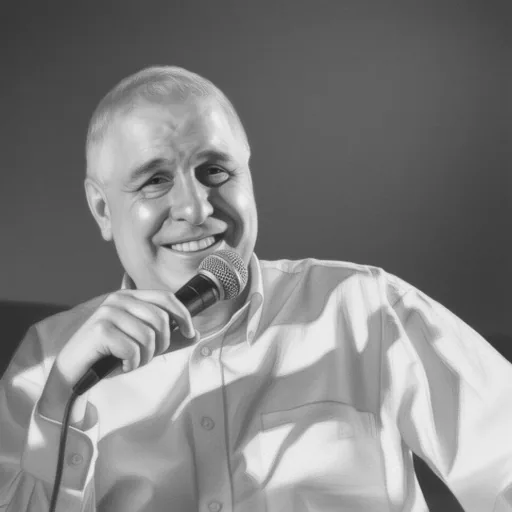
Errol Morris

4
briefs
13:00
average
52 min
in total
On film.briefs4
13:00

A Brief History of Time

Errol Morris · 1991

Errol Morris’s 1991 documentary profiles Stephen Hawking not as a disembodied genius but as a man whose physical constraints and intellectual ambitions coexist in constant dialogue. Shot on studio sets with a score by Philip Glass, it weaves family testimony, scientific reflection, and quiet observation into a portrait where cosmology and biography are inseparable.
13:00

Gates of Heaven

Errol Morris · 1978

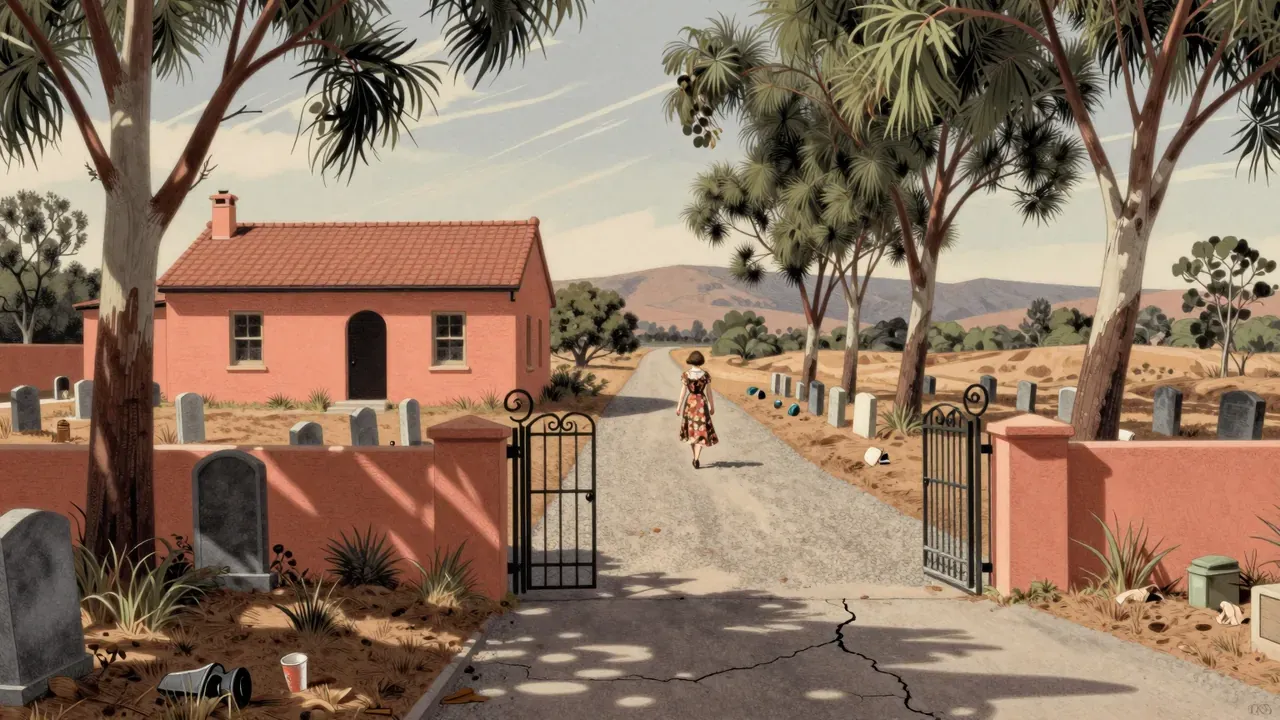
Errol Morris’s 1978 debut is an unnarrated documentary about pet cemeteries in California, built entirely from interviews with entrepreneurs, mourners and bystanders. Shot on a shoestring budget with three fired cinematographers before settling on Ned Burgess, it avoids irony, exposition and music, letting speech — hesitant, repetitive, earnest — carry philosophical weight. Its structure divides two competing businesses, revealing not satire or sentiment but a sustained inquiry into how people articulate meaning around death, care and failure.

13:00

The Thin Blue Line

Errol Morris · 1988

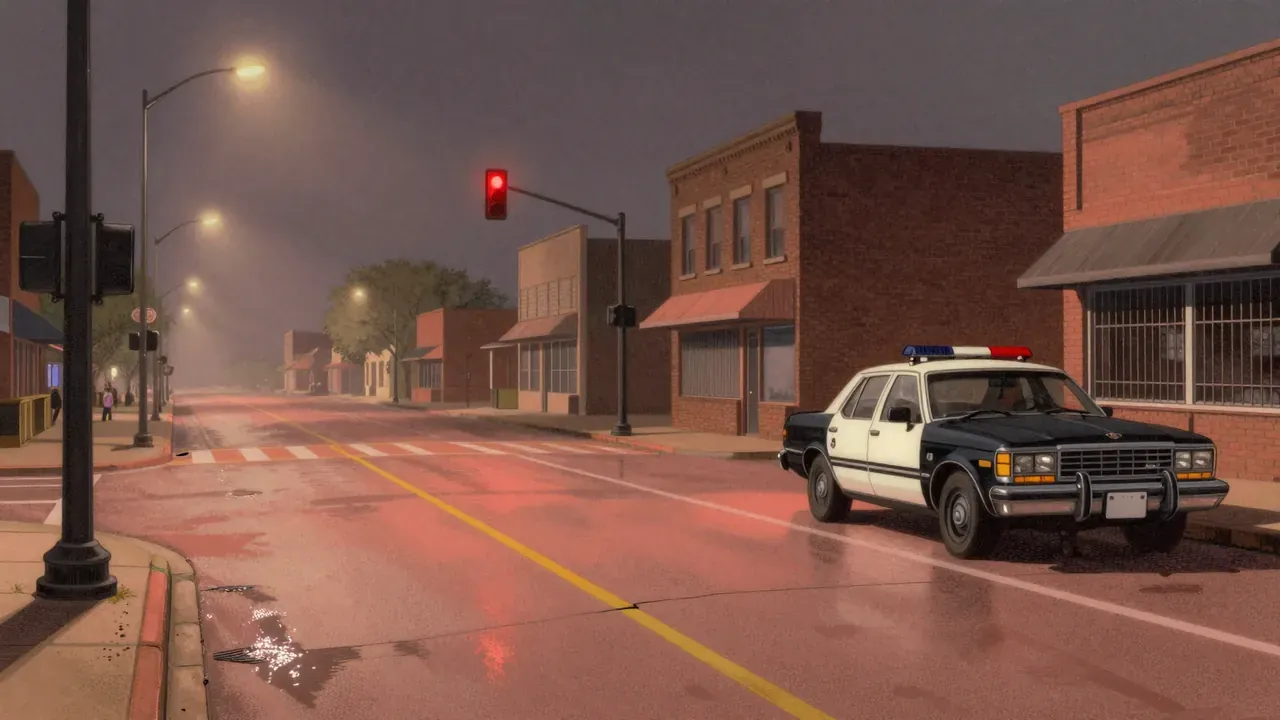
Errol Morris’s 1988 documentary reconstructs the wrongful conviction of Randall Dale Adams for the 1976 murder of Dallas police officer Robert Wood. Through stylised re-enactments, tightly framed interviews and Philip Glass’s score, it exposes inconsistencies in witness testimony and prosecutorial conduct. It helped overturn Adams’s sentence and redefined documentary form — not as observation but as active, cinematic intervention in questions of justice.

13:00

Vernon, Florida

Errol Morris · 1981

Errol Morris’s 1981 documentary Vernon, Florida profiles residents of a small Florida town through unadorned, static interviews. Abandoning an earlier plan to investigate insurance-related limb loss, Morris instead captures everyday speech — on pigeons, dentures, mousetraps and heaven — with clinical stillness and no narration, music or context. Its power lies in duration, neutrality and the quiet dignity of unmediated presence.