Saved
Director · Screenwriter · Cinematographer · Editor · 1920–2010

Éric Rohmer

10
briefs
13:00
average
130 min
in total
On film.briefs10
13:00

A Summer's Tale

Éric Rohmer · 1996

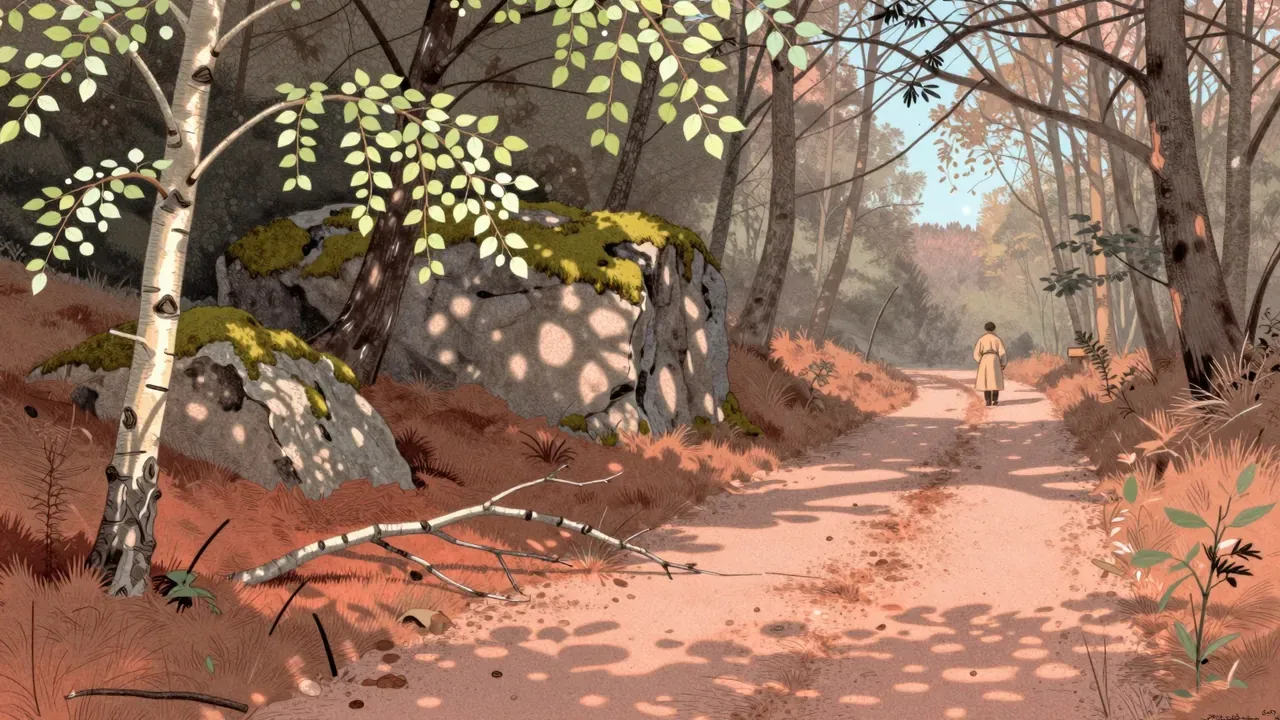
Éric Rohmer’s 1996 comedy-drama follows mathematics graduate Gaspard over three weeks in the Breton seaside town of Dinard, as he navigates hesitant affections for three women — Margot, Léna and Solène — without ever resolving between them. Shot with quiet precision by Diane Baratier and edited to sustain long takes and unhurried dialogue, the film treats romantic uncertainty not as failure but as sustained, everyday practice. Its power lies in its fidelity to duration, silence and the moral weight of small, unremarkable choices.
13:00

A Tale of Springtime

Éric Rohmer · 1990

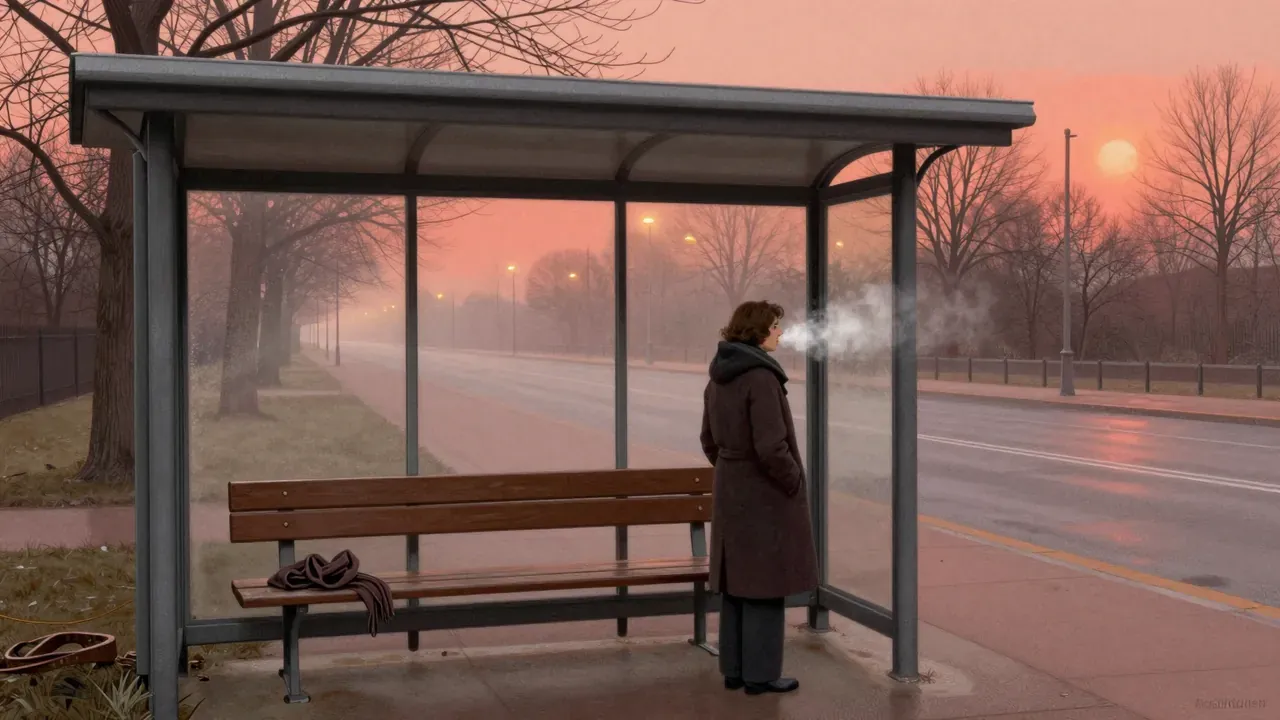
Éric Rohmer’s 1990 film follows Jeanne, a philosophy teacher, as she navigates a weekend at a country house orchestrated by her student Natacha. Through precise dialogue, restrained performances, and unhurried pacing, the film charts Jeanne’s gradual realisation that she is being slotted into an existing relational pattern—and her decision to step out of it. Shot by Luc Pagès and scored sparingly with Beethoven, it is the first of Rohmer’s ‘Tales of the Four Seasons’.

13:00

A Tale of Winter

Éric Rohmer · 1992

Éric Rohmer’s 1992 film follows Félicie, a Parisian hairdresser raising her daughter alone, as she navigates two unsatisfying relationships while holding onto the memory of a summer romance. Five years after losing contact with Charles, she sees him by chance on a New Year’s Eve bus — a reunion made possible not by fate, but by her unwavering, quiet fidelity to possibility. Shot by Luc Pagès and written and directed by Rohmer, it is the second in his ‘Tales of the Four Seasons’ series.

13:00

Autumn Tale

Éric Rohmer · 1998

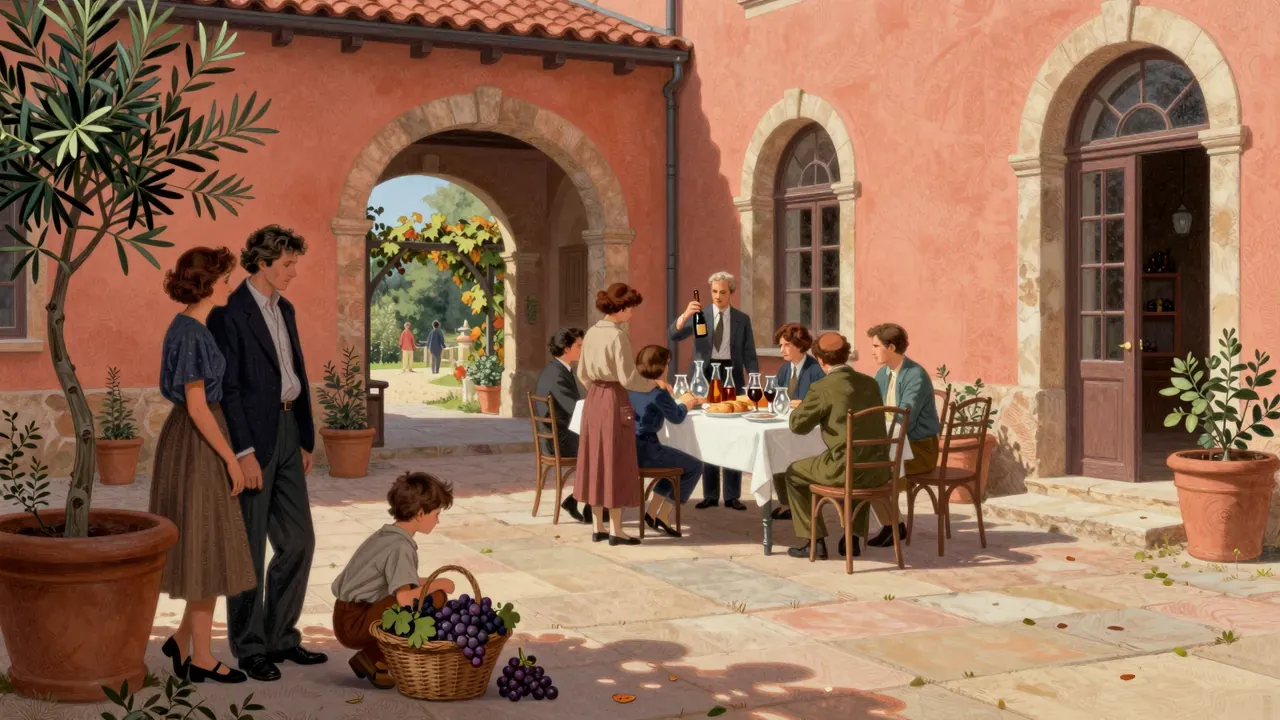
Éric Rohmer’s 1998 Autumn Tale, the final chapter of his Tales of the Four Seasons, follows a widowed winemaker in the Rhône Valley as her friends orchestrate quiet, conflicting attempts to reintroduce her to love. Shot with calm precision by Diane Baratier and performed with understated rigour by Béatrice Romand and Marie Rivière, it locates emotional truth in hesitation, miscommunication, and the slow realignment of intention. Its power lies in restraint: no grand declarations, no dramatic reversals—just the fragile, earned possibility of connection, harvested like grapes at the right moment.

13:00

Claire's Knee

Éric Rohmer · 1970

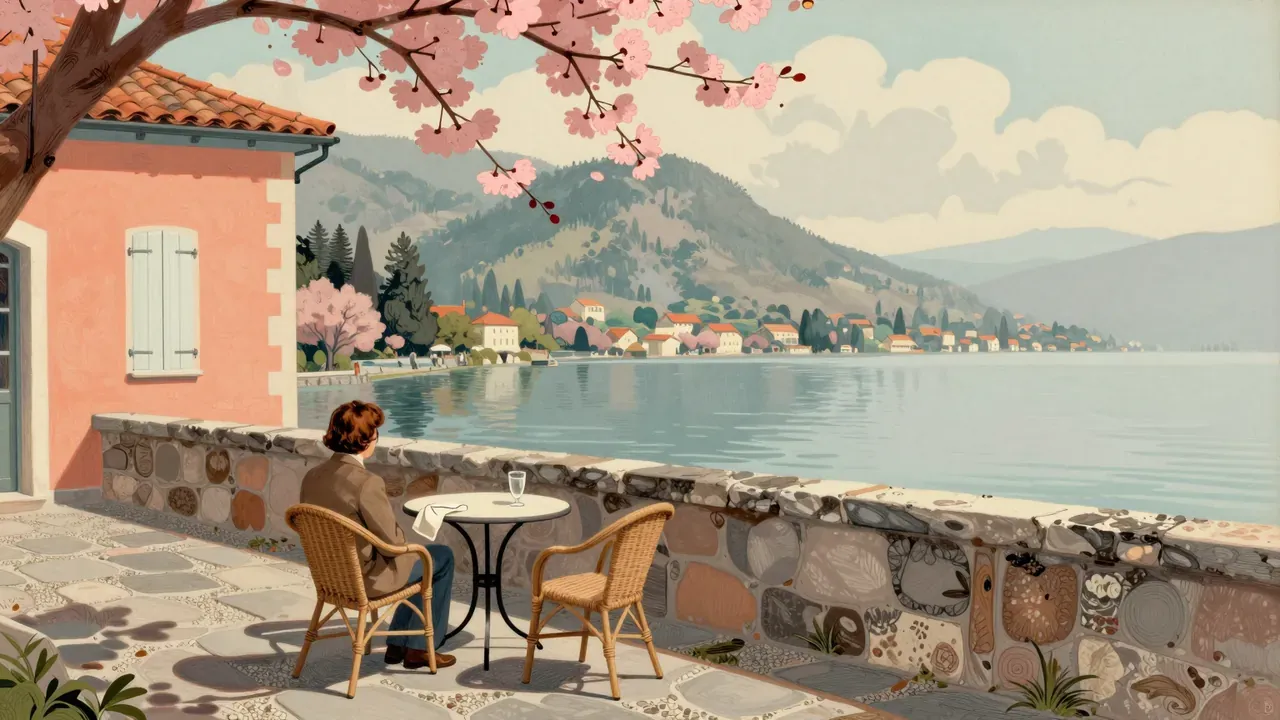
Éric Rohmer’s 1970 film follows diplomat Jérôme during a summer stay at Lake Annecy, where his interactions with two teenage girls — Laura and Claire — expose the gap between his stated principles and his unspoken desires. Shot in luminous colour by Néstor Almendros, the film unfolds through measured dialogue and subtle physical detail, treating moral life as a series of minor, reversible decisions. It is the fifth of Rohmer’s Six Moral Tales, and won the Louis Delluc Prize, the National Board of Review Award for Best Foreign Language Film, and the National Society of Film Critics Award for Best Film.

13:00

La Collectionneuse

Éric Rohmer · 1967

Éric Rohmer’s 1967 La Collectionneuse, his first in colour and fourth of the Six Moral Tales, follows Adrien as he spends a summer at a villa near Saint-Tropez with friends and a younger woman named Haydée. Through restrained performances, natural-light cinematography by Néstor Almendros, and dialogue-driven scenes, the film traces subtle shifts in power, self-perception, and attraction — refusing resolution, explanation, or moral verdict. It won the Silver Bear Grand Jury Prize at Berlin and remains a benchmark of French arthouse precision.

13:00

Love in the Afternoon

Éric Rohmer · 1972

Éric Rohmer’s 1972 film closes his Six Moral Tales series with a study of marital fidelity tested not by betrayal but by imagination. Frédéric, a contented Parisian husband and father, begins spending afternoons with Chloé, a woman from his past — a relationship built on talk, not sex, until a single moment of near-surrender forces him home. Shot by Néstor Almendros and written and directed by Rohmer, it is a film of restraint, quiet tension, and precise observation.

13:00

My Night at Maud's

Éric Rohmer · 1969

Set over Christmas in Clermont-Ferrand, Éric Rohmer’s 1969 film follows a Catholic engineer as he navigates conversations about faith, desire, and choice with three other single people. Built around Pascal’s wager and shot in natural light by Néstor Almendros, it privileges dialogue, hesitation, and quiet observation over plot or resolution. Its moral architecture rests on what is said, unsaid, deferred — and how it is said.

13:00

Suzanne's Career

Éric Rohmer · 1963

Éric Rohmer’s 1963 film follows two Parisian students — the timid Bertrand and the brash Guillaume — as they encounter Suzanne, a working woman studying Italian at night. Guillaume seduces and discards her; Bertrand watches, judges, and gradually finds his certainties undermined when Suzanne moves on — not in defeat, but in quiet self-determination. Shot in black-and-white with non-professional actors, it is the second of Rohmer’s Six Moral Tales: a precise, unsentimental study of self-deception, class, and the asymmetry of moral attention.

13:00

The Bakery Girl of Monceau

Éric Rohmer · 1962

Éric Rohmer’s 1962 short The Bakery Girl of Monceau is the first of his Six Moral Tales: a 22-minute study in male subjectivity, told via voice-over narration over static, location-shot images of Paris. A law student pursues one woman, distracts himself with another, then returns to the first — all while constructing a story in which his choices appear inevitable, noble, and coherent. There is no music, no on-set sound, no psychological exposition beyond the narrator’s own account. Its power lies in the precision of its restraint.