
filmbriefs
Director · Screenwriter · Producer · 1969

Darren Aronofsky

6
briefs
13:00
average
78 min
in total
On film.briefs6
13:00

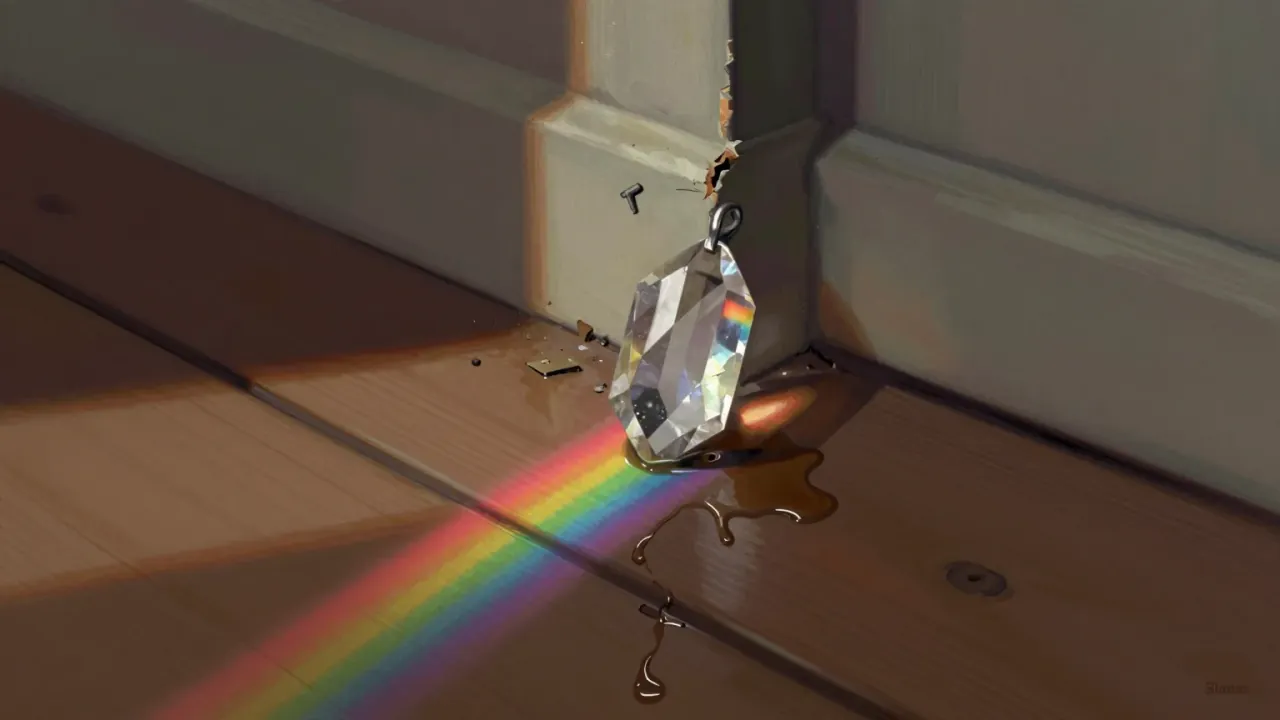
The Fountain

Darren Aronofsky · 2006

Darren Aronofsky’s 2006 film interweaves three timelines—a conquistador, a neurosurgeon, and a space traveller—all played by Hugh Jackman, bound to Rachel Weisz across centuries by love and loss. Shot on a Montreal soundstage with macro photography and a tightly controlled palette, it uses repetition, motif, and Clint Mansell’s score to explore mortality not as endpoint but as condition. Though commercially unsuccessful and critically divided, it has endured as a precise, austere, and emotionally resonant study of devotion in the face of time’s erosion.
13:00

The Wrestler

Darren Aronofsky · 2008

Darren Aronofsky’s 2008 drama follows Randy 'The Ram' Robinson, an ageing professional wrestler clinging to identity through performance as his body fails and his relationships fray. Shot on 16mm by Maryse Alberti and scored by Clint Mansell, it stars Mickey Rourke in a physically exacting performance that revitalised his career. The film won the Golden Lion at Venice and received critical acclaim for its restraint, realism, and unsentimental treatment of ageing, labour, and obsolescence.

13:00

Jackie

Pablo Larraín · 2016

Jackie (2016) follows Jacqueline Kennedy in the week after John F. Kennedy’s assassination, framed by a Life magazine interview at Hyannis Port. Directed by Pablo Larraín and starring Natalie Portman, it focuses on her psychological navigation of grief, legacy, and public performance — not as a biographical survey, but as a study in containment. Stéphane Fontaine’s cinematography, Mica Levi’s score, and Sebastián Sepúlveda’s editing sustain a tense, intimate atmosphere. The film received three Academy Award nominations, including Best Actress for Portman.

13:00

Mother!

Darren Aronofsky · 2017

Darren Aronofsky’s Mother! is a psychological horror film structured as a closed-loop parable: a woman’s domestic peace unravels under successive invasions, culminating in annihilation and cyclical rebirth. Shot in tight proximity to Jennifer Lawrence’s performance, scored with near-total silence, and driven by escalating symbolic violation, it functions less as story than as sustained sensory provocation. Its themes—ecological violation, artistic narcissism, theological recursion—are delivered without irony or ambiguity. Critical reception was divided: many admired its formal rigour and intensity; others found its allegory reductive and its relentlessness exhausting. It grossed $44.5m on a $30m budget.

13:00

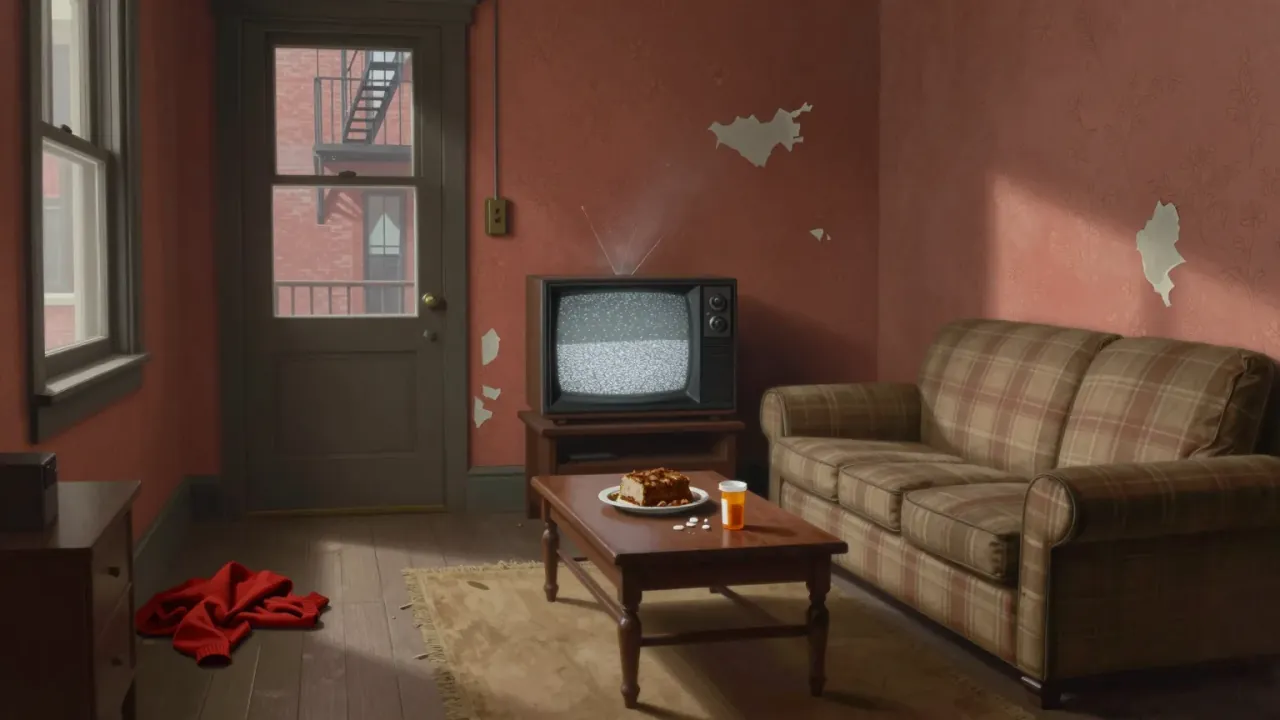
Requiem for a Dream

Darren Aronofsky · 2000

Requiem for a Dream (2000), directed by Darren Aronofsky and adapted from Hubert Selby Jr.’s novel, traces four Brooklyn lives unravelling under addiction — to drugs, television, validation, and fantasy. Shot by Matthew Libatique and edited by Jay Rabinowitz with over 2,000 cuts, its visual and rhythmic intensity mirrors psychological disintegration. Ellen Burstyn, Jared Leto, Jennifer Connelly, and Marlon Wayans perform with physical and emotional extremity. Clint Mansell’s score reinforces the film’s oppressive momentum. Though lauded for its craft and emotional force, its schematic structure limits sociological depth. It remains a landmark of arthouse intensity — demanding, unrelenting, and formally singular.

13:00

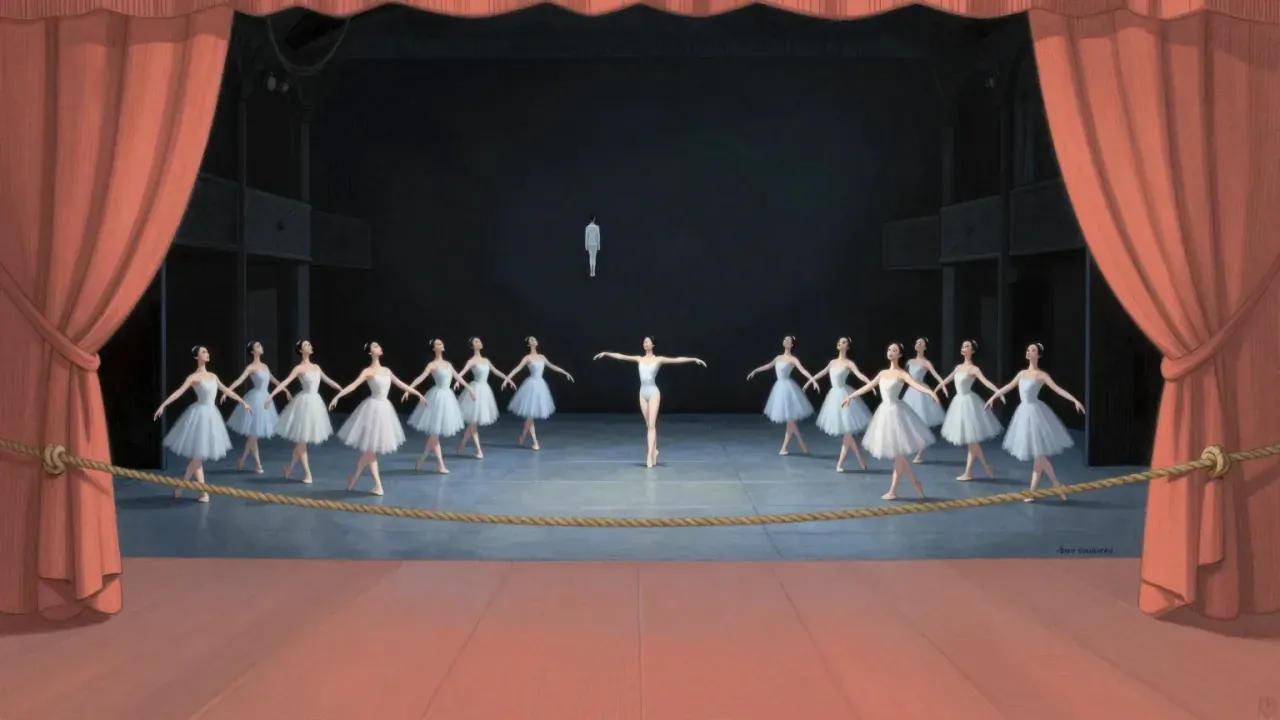
Black Swan

Darren Aronofsky · 2010

Nina Sayers, a disciplined but fragile dancer at a New York ballet company, wins the lead in Swan Lake and starts losing her grip on reality as she competes with a looser, more sensual rival for the role's darker half. Aronofsky built the film from a decade-old idea about doppelgängers and understudies, shot it on a $13 million budget with Matthew Libatique's camera pressed close to Portman's face, and had his lead actors train in ballet for months before a single scene was filmed.