filmbriefs
Saved
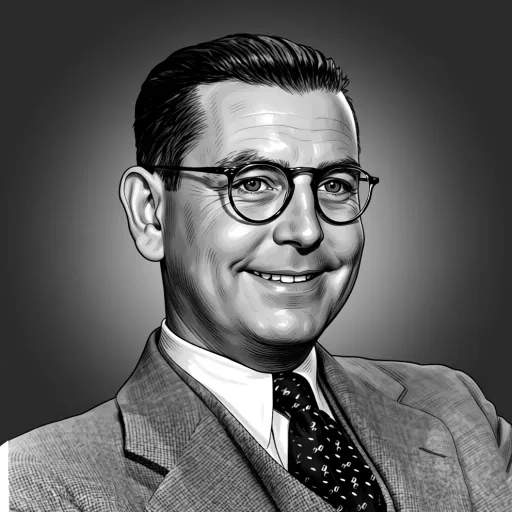
Screenwriter · Director · 1894–1955

Clyde Bruckman

3
briefs
13:00
average
39 min
in total
On film.briefs3
13:00

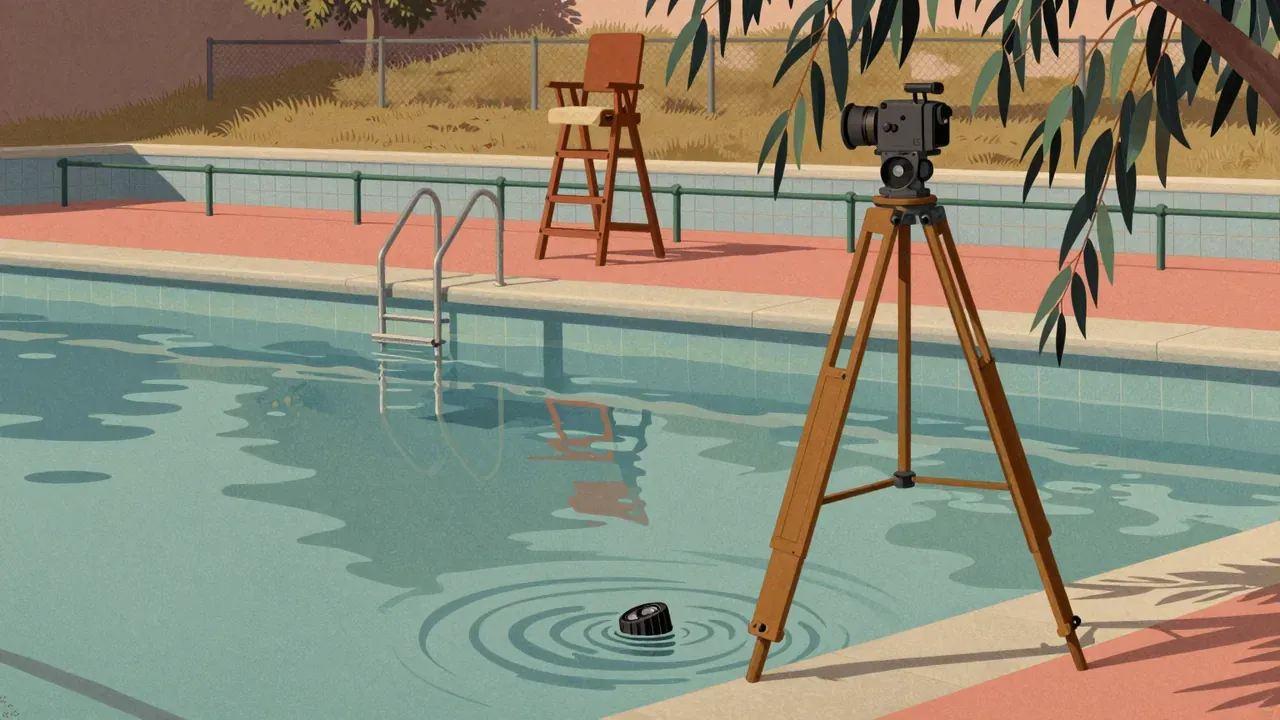
The Cameraman

Edward Sedgwick, Buster Keaton · 1928

Buster Keaton’s 1928 MGM debut follows a tintype photographer who buys a film camera to impress a newsreel secretary, then stumbles into real danger filming a Tong War in Chinatown. With Elgin Lessley’s crisp cinematography and Hugh Wynn’s taut editing, it builds comedy from spatial logic and cumulative consequence — not quips or sentiment. Though made under tightening studio control, it remains one of Keaton’s most lucid, tightly constructed films.
13:00

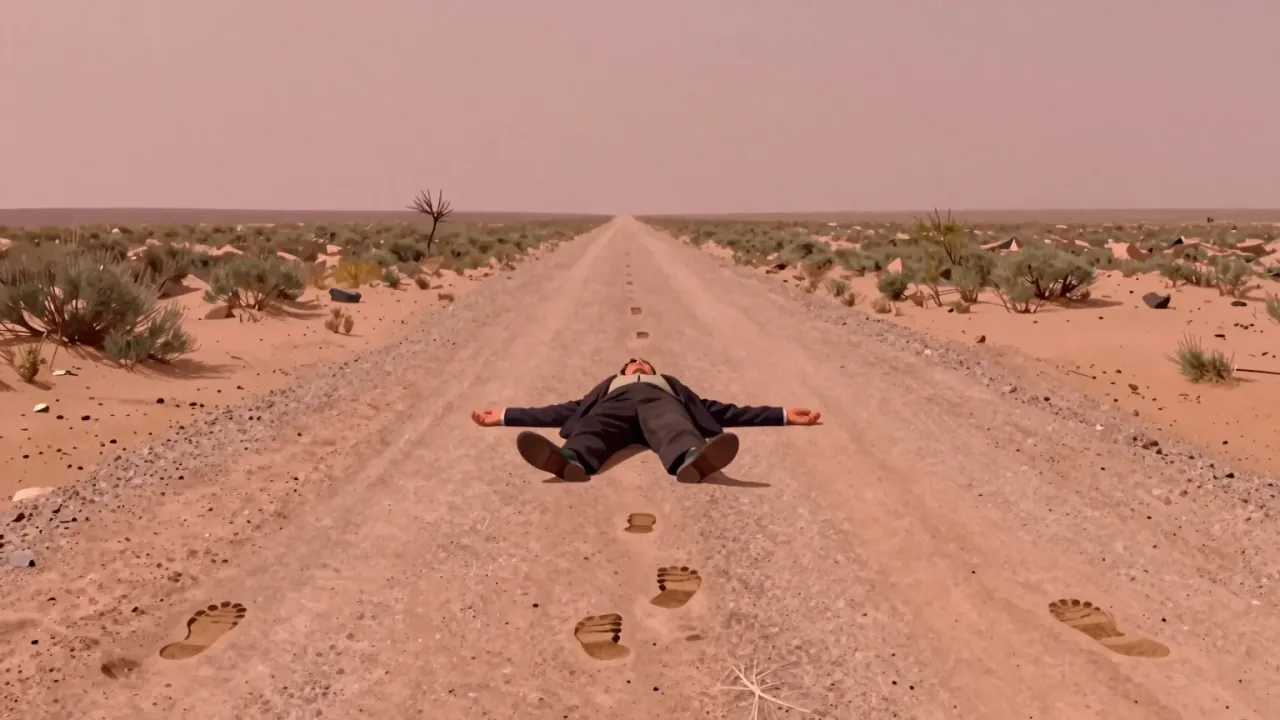
Sherlock, Jr.

Buster Keaton, Roscoe Arbuckle · 1924

A 1924 silent comedy starring Buster Keaton as a projectionist who dreams himself into the film he is screening. Directed by Keaton and Roscoe Arbuckle (under pseudonym), it uses in-camera tricks, exact camera positioning, and structural repetition to explore cinema’s grammar — not as metaphor, but as physical system. Its dream sequence remains a landmark of formal invention, prioritising spatial logic and editorial precision over character or emotion.

13:00

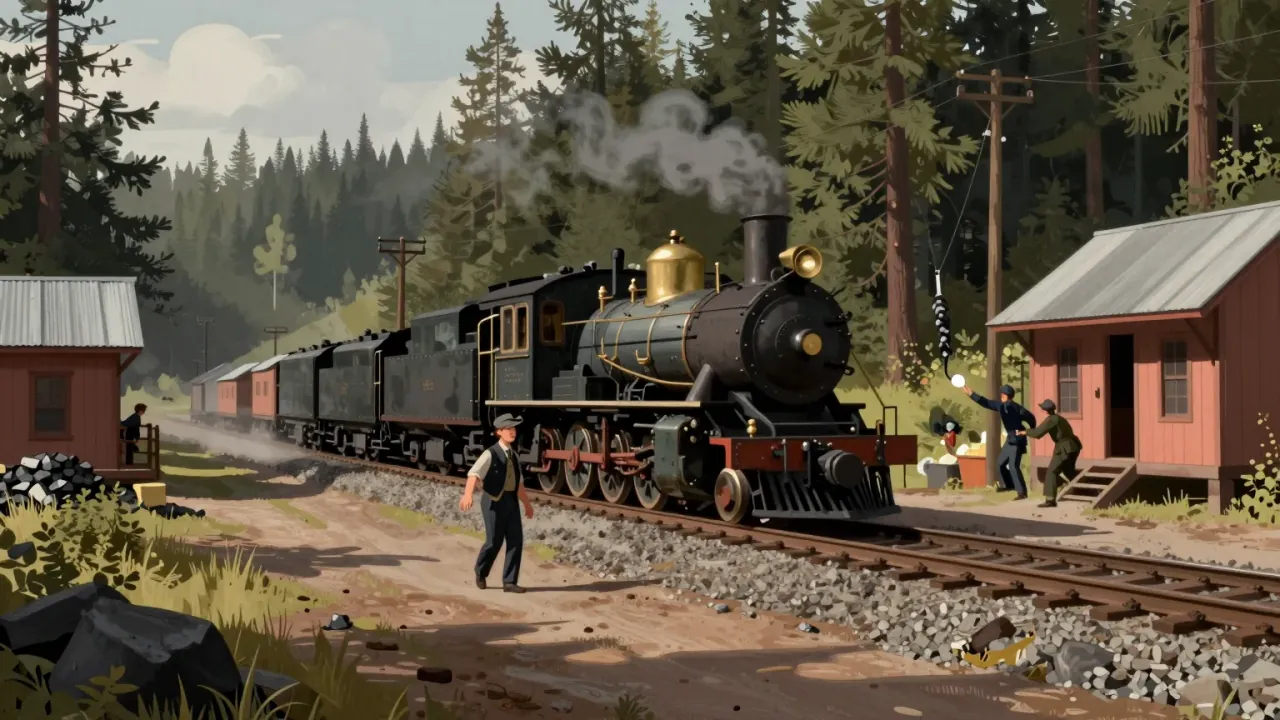
The General

Buster Keaton, Clyde Bruckman · 1926

Buster Keaton’s 1926 film The General is a romantic comedy-war film set during the American Civil War, co-directed with Clyde Bruckman. Starring Keaton as a Southern railroad engineer, it follows his pursuit of a stolen locomotive and his estranged sweetheart across Oregon landscapes shot with period-accurate trains and practical stunts. Though poorly received on release, it is now widely regarded as a landmark of cinematic craft — precise, physically coherent, and emotionally restrained.