filmbriefs
Actor · 1927–1995

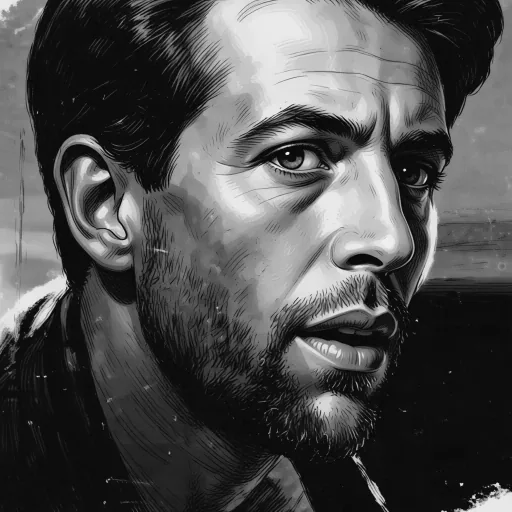
Claudio Brook

4
briefs
13:00
average
52 min
in total
On film.briefs4
13:00

Cronos

Guillermo del Toro · 1992

Guillermo del Toro’s 1992 debut follows an elderly antique dealer who discovers a 460-year-old alchemical device that reverses ageing at the cost of bloodlust and physical decay. As he grapples with renewed youth, moral compromise, and encroaching monstrosity, a dying industrialist and his violent nephew pursue the device. Shot in Mexico in Spanish, the film balances gothic horror with Catholic solemnity and familial tenderness — all without recourse to exposition or excess.
13:00

Simon of the Desert

Luis Buñuel · 1965

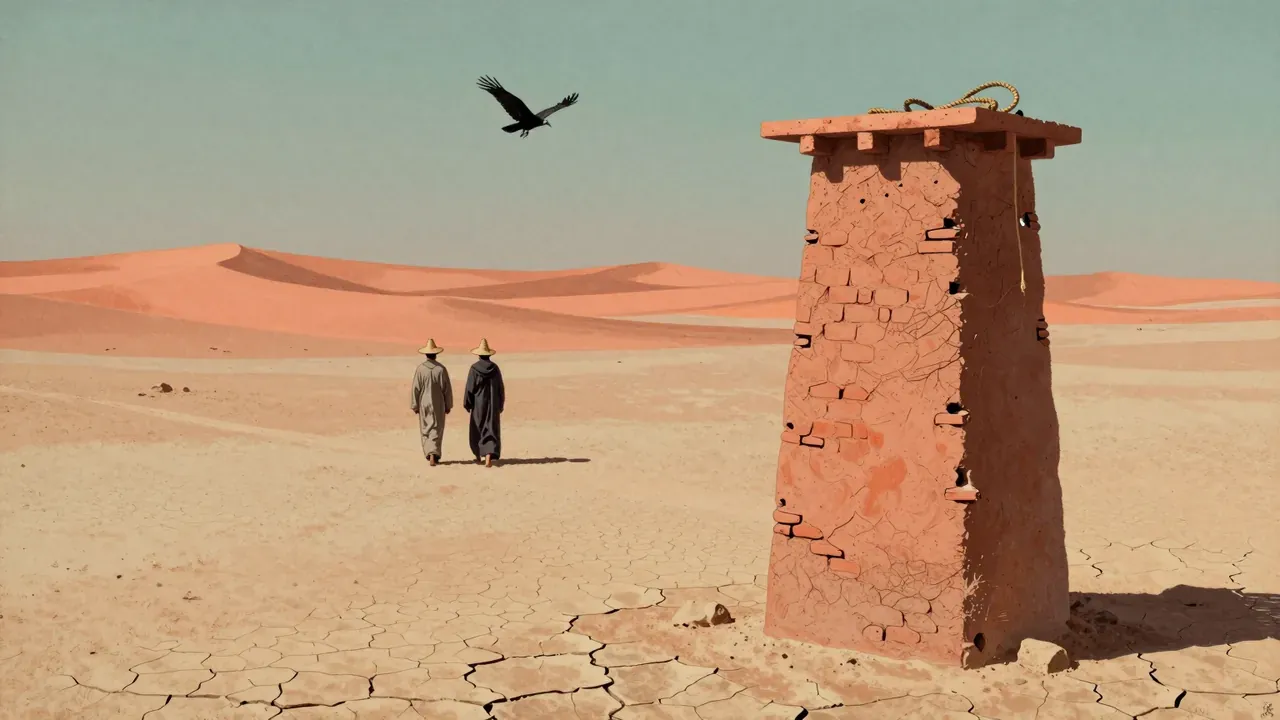
Luis Buñuel’s 1965 Simon of the Desert follows a sixth-century ascetic who lives atop a pillar in the Syrian desert — until Satan transports him to a 1960s New York nightclub. Shot by Gabriel Figueroa in the Samalayuca Dune Fields and edited with surgical restraint, the film uses Claudio Brook’s still, weary Simón to dissect the fragility of spiritual authority, the absurdity of purity, and the quiet violence of being watched. At 45 minutes, it is both complete and unresolved — a dry, precise, and deeply unsettling work of surrealist satire.

13:00

The Exterminating Angel

Luis Buñuel · 1962

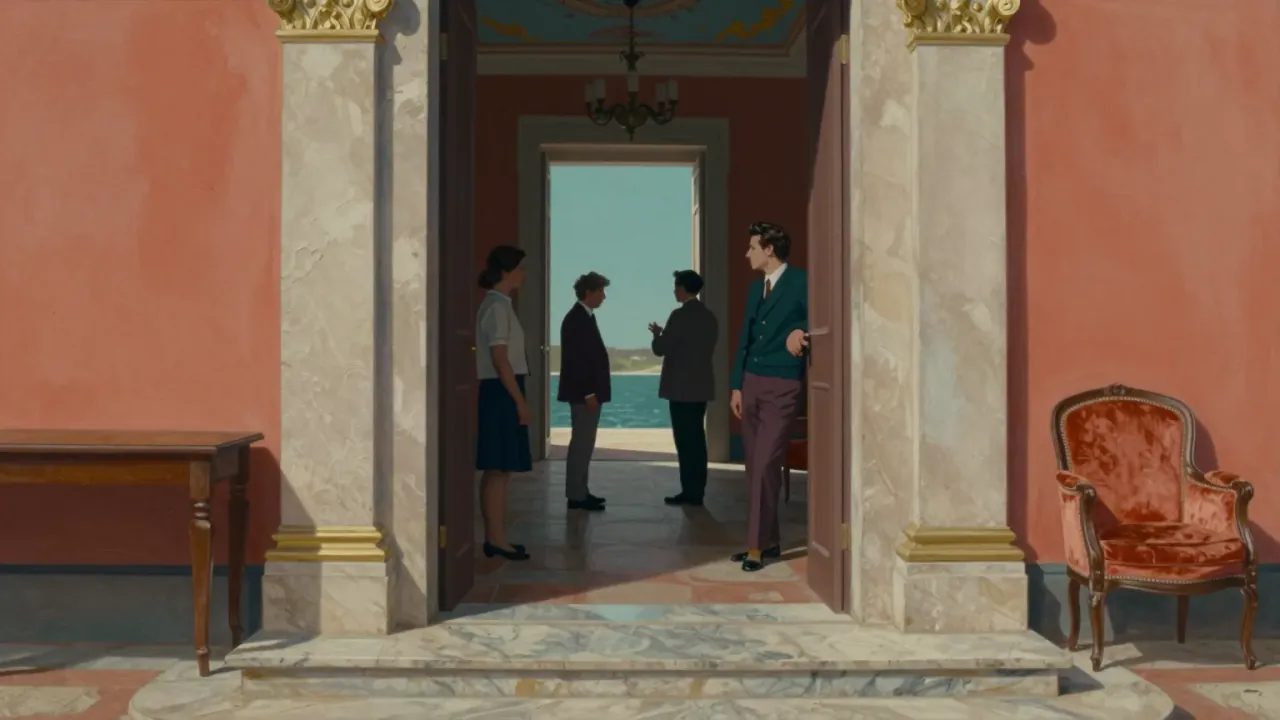
Luis Buñuel’s 1962 Mexican surrealist film follows eighteen wealthy guests trapped in a mansion after a dinner party, unable to cross the threshold despite no physical barrier. Shot in six weeks by Gabriel Figueroa, with a sparse score by Raúl Lavista and editing by Carlos Savage, it uses repetition, stillness, and behavioural precision to dissect ritual, class, and collective inertia. It premiered at Cannes, won the FIPRESCI Prize, and remains a cornerstone of arthouse and comic-horror traditions.

13:00

Viridiana

Luis Buñuel · 1961

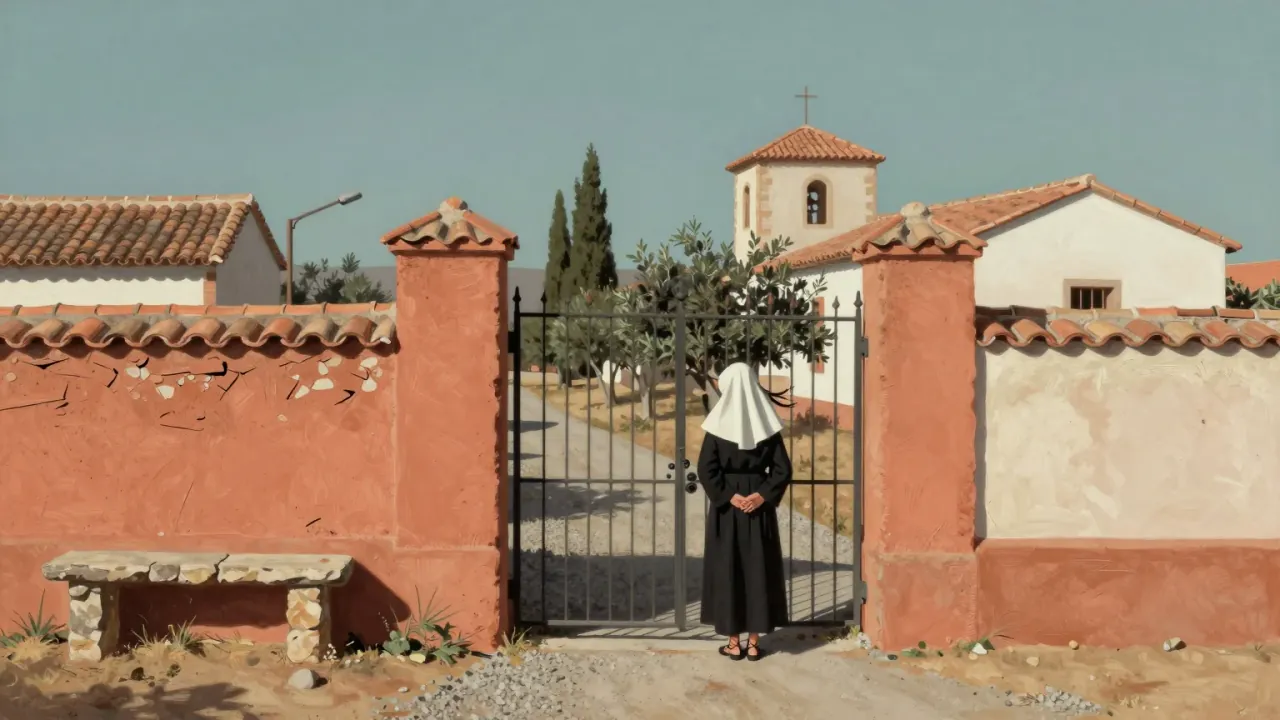
Luis Buñuel’s 1961 Palme d’Or winner adapts Pérez Galdós into a stark Mexican drama about a novice nun whose vow of poverty unravels when she tries to run an almshouse for beggars. Shot in flat, frontal compositions by José Fernández Aguayo and edited with deliberate stillness by Pedro del Rey, it uses silence, repetition, and ritual mimicry to expose the fragility of moral systems. The film’s power lies in its refusal to explain, judge, or resolve — making it essential arthouse viewing, though demanding for those who seek narrative clarity or psychological warmth.