filmbriefs
Director

Claude Autant-Lara

4
briefs
13:00
average
52 min
in total
On film.briefs4
13:00

Le mariage de Chiffon

Claude Autant-Lara · 1942

Le mariage de Chiffon (1942), directed by Claude Autant-Lara and adapted by Jean Aurenche from Sibylle Riqueti de Mirabeau’s 1894 novel, is a restrained historical comedy set in the Bourbon Restoration. Odette Joyeux stars as Chiffon, a young woman navigating an arranged marriage to the ageing Duc d’Aubières (André Luguet) while drawn to the more compatible Marc de Bray (Jacques Dumesnil). Shot in occupied Paris, the film avoids overt politics, instead focusing on social nuance, verbal precision, and the quiet assertion of self within rigid convention. Jacques Krauss designed the deliberately theatrical sets. With no credited score and a measured 103-minute runtime, it relies on performance, timing, and textual fidelity rather than spectacle or sentiment.
13:00

Love Letters

Claude Autant-Lara · 1942

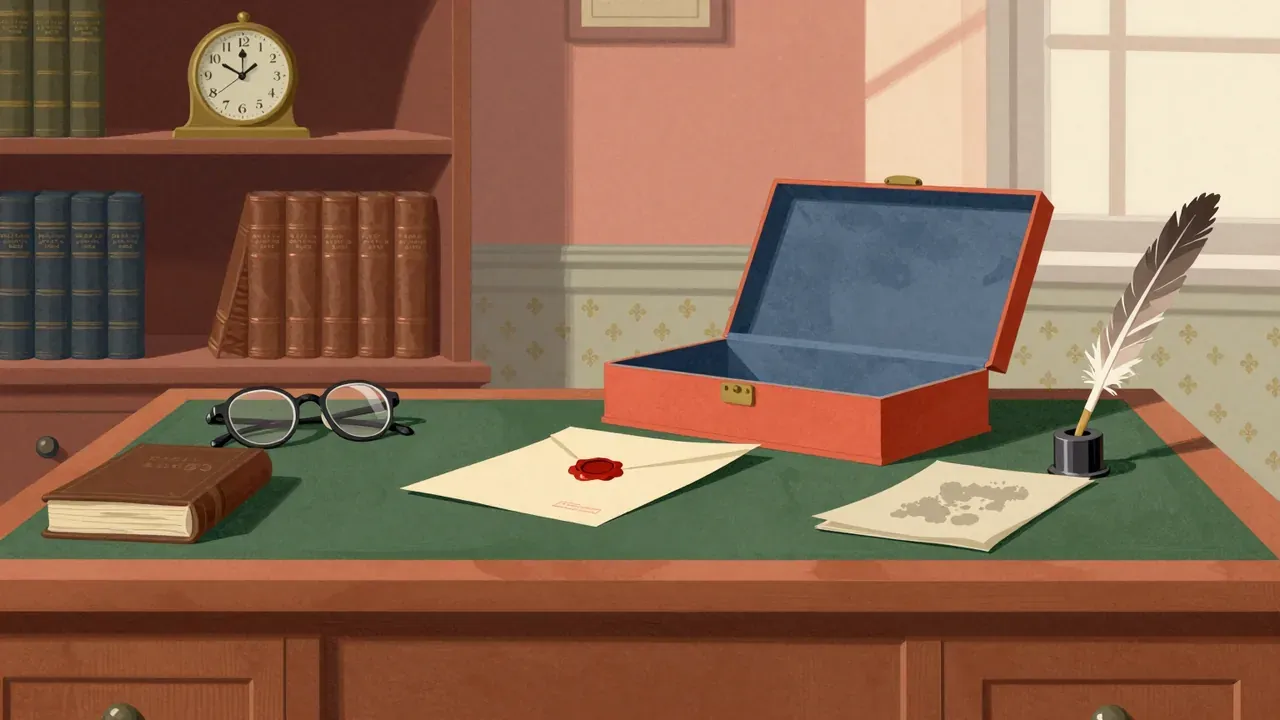
Made in occupied Paris in 1942, Love Letters is a comedy-drama set in Napoleon III’s France, centring on romantic confusion caused by intercepted correspondence. Directed by Claude Autant-Lara and scripted by Jean Aurenche, it features Odette Joyeux, François Périer, and Julien Carette in performances calibrated to polite farce. Shot at Boulogne Studios, its art direction (Robert Dumesnil, Jacques Krauss) and costumes (Christian Dior) reinforce its theatrical, surface-conscious world. The film avoids historical engagement or emotional extremity, sustaining instead a steady, wry tone rooted in manners and miscommunication.

13:00

Love Story

Claude Autant-Lara · 1943

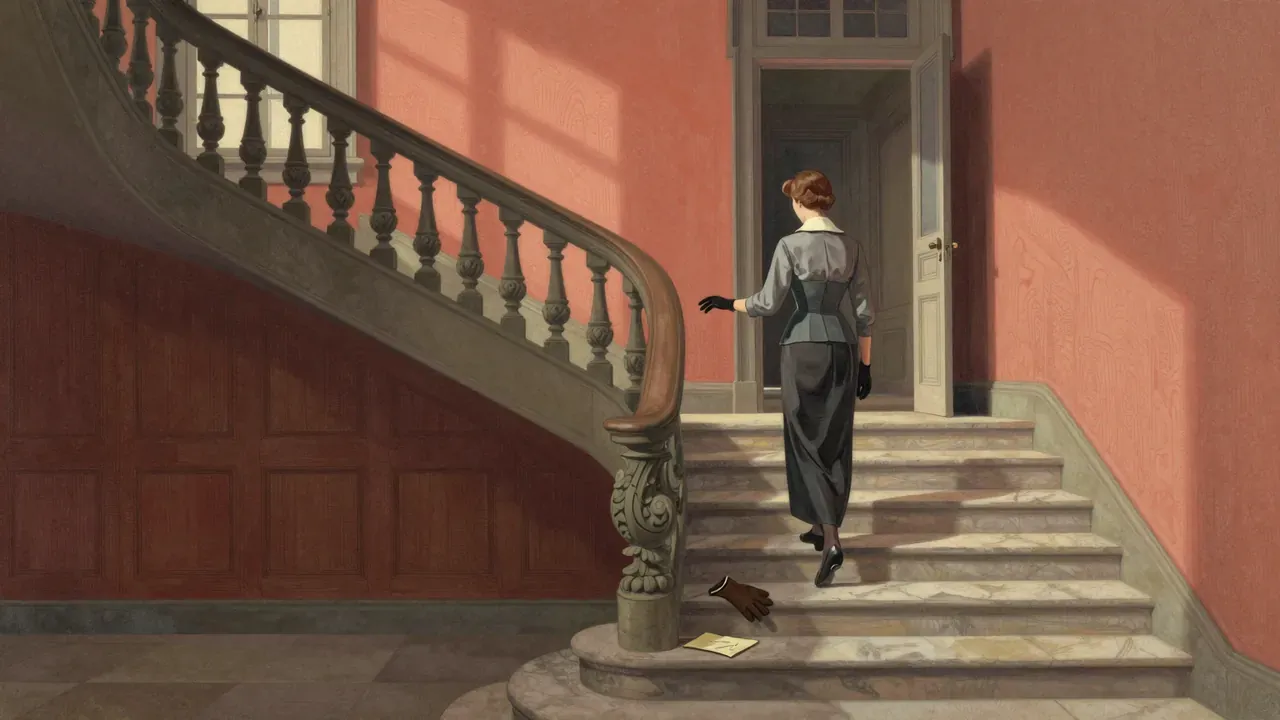
Set in late-nineteenth-century France, Claude Autant-Lara’s Love Story (Douce) follows Douce de Bonafé, a sheltered heiress whose quiet affection for the estate manager Fabien collides with her governess Irène’s ambition. When Irène pursues Fabien — and then Douce’s widowed father — the household’s fragile equilibrium fractures. With restrained performances, Philippe Agostini’s subdued cinematography, and a script that trusts silence over exposition, the film traces how inherited structures of class and gender compress desire into inevitability. Its tragedy is understated, its pacing unhurried, its moral landscape deliberately unresolved.

13:00

Sylvie et le fantôme

Claude Autant-Lara · 1946

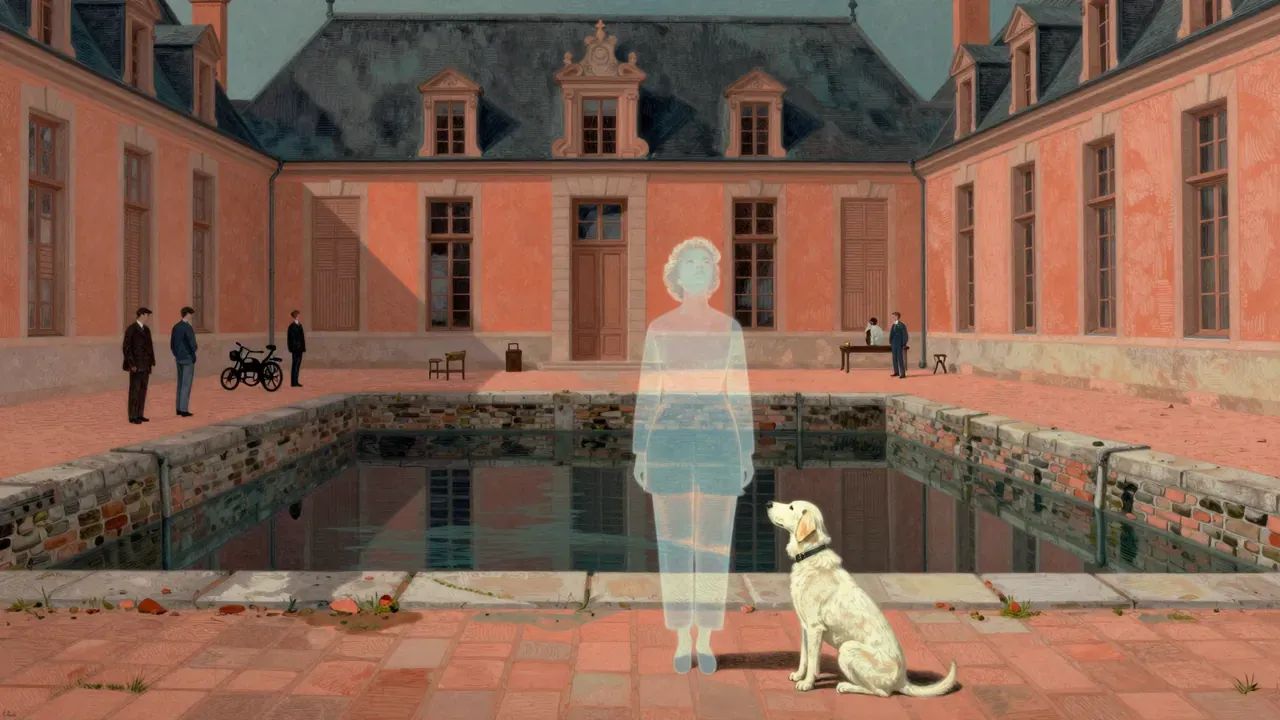
Sylvie et le fantôme (1946), directed by Claude Autant-Lara, follows a sixteen-year-old girl in a decaying château who believes in the ghost of a long-dead lover concealed behind a portrait. When the painting is sold, the ghost emerges — played by Jacques Tati — and becomes entangled in a tender, comedic web of mistaken identities, amateur hauntings, and adolescent longing. Shot with optical ingenuity at Saint-Maurice Studios, the film balances fantasy and realism through understated performances, elegant set design, and a script that treats belief as a collaborative act rather than a metaphysical claim.