filmbriefs
Editor · 1930–2017

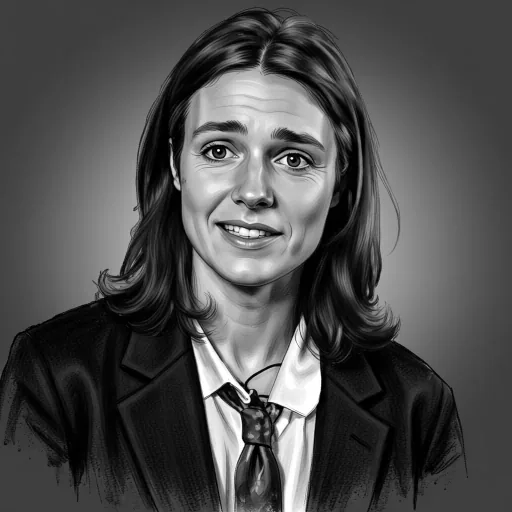
Cécile Decugis

4
briefs
13:00
average
52 min
in total
On film.briefs4
13:00

Claire's Knee

Éric Rohmer · 1970

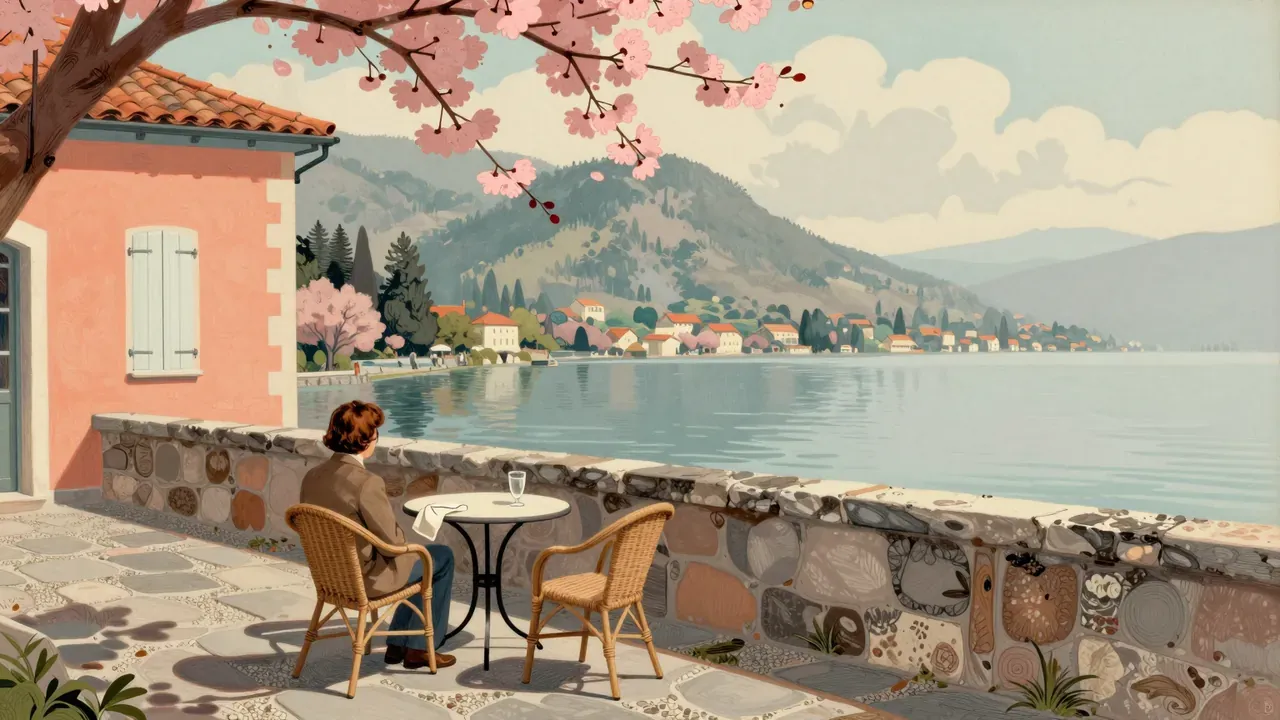
Éric Rohmer’s 1970 film follows diplomat Jérôme during a summer stay at Lake Annecy, where his interactions with two teenage girls — Laura and Claire — expose the gap between his stated principles and his unspoken desires. Shot in luminous colour by Néstor Almendros, the film unfolds through measured dialogue and subtle physical detail, treating moral life as a series of minor, reversible decisions. It is the fifth of Rohmer’s Six Moral Tales, and won the Louis Delluc Prize, the National Board of Review Award for Best Foreign Language Film, and the National Society of Film Critics Award for Best Film.
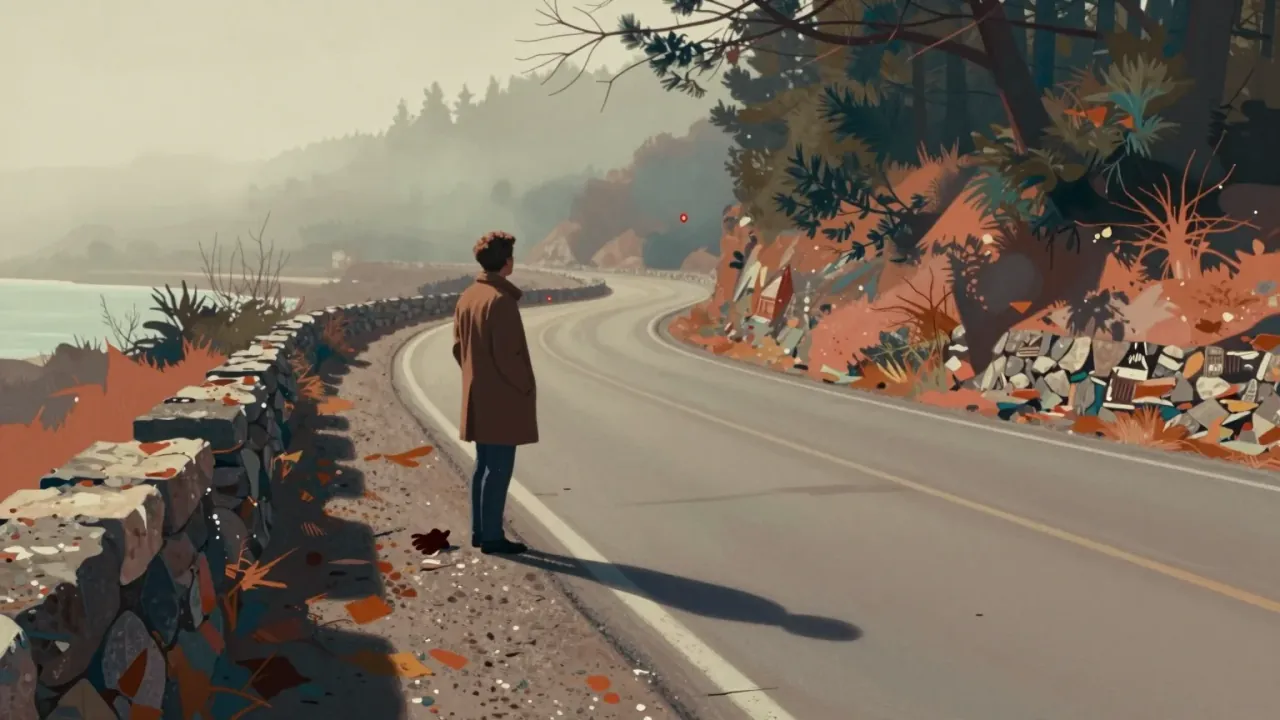
13:00

Love in the Afternoon

Éric Rohmer · 1972

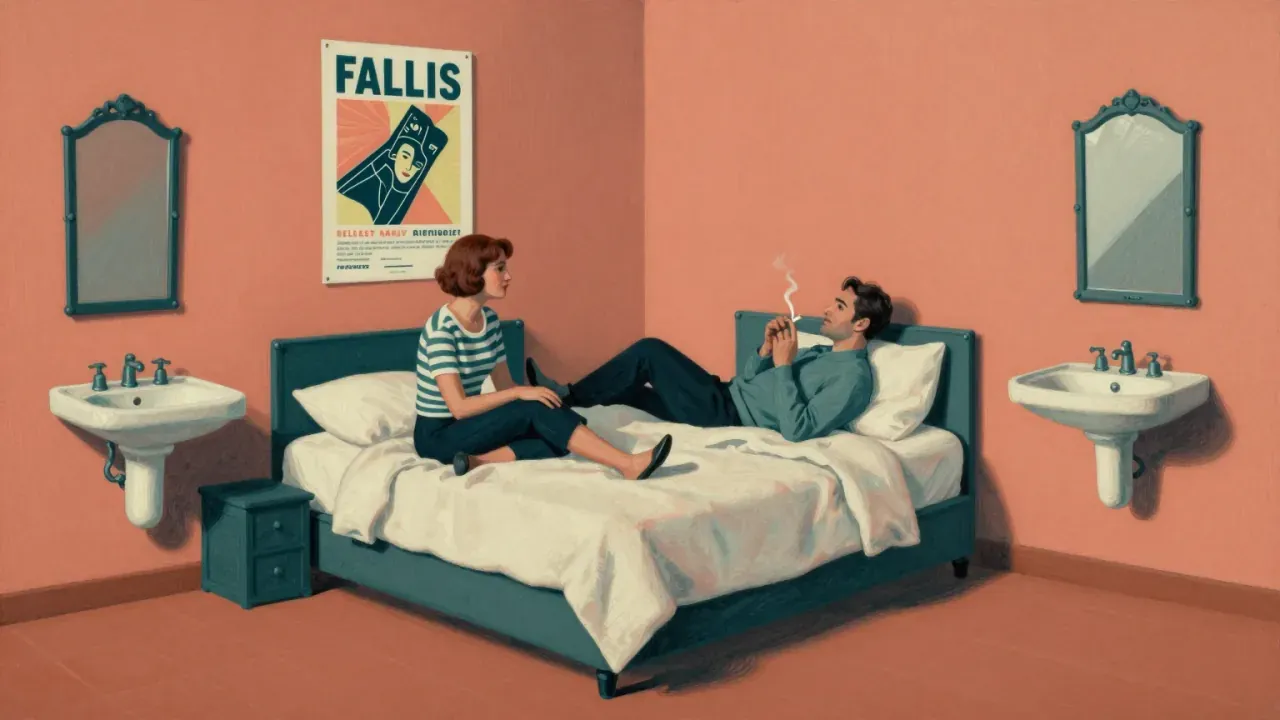
Éric Rohmer’s 1972 film closes his Six Moral Tales series with a study of marital fidelity tested not by betrayal but by imagination. Frédéric, a contented Parisian husband and father, begins spending afternoons with Chloé, a woman from his past — a relationship built on talk, not sex, until a single moment of near-surrender forces him home. Shot by Néstor Almendros and written and directed by Rohmer, it is a film of restraint, quiet tension, and precise observation.

13:00

Shoot the Piano Player

François Truffaut · 1960

François Truffaut’s 1960 second feature adapts David Goodis’s Down There into a grainy, kinetic neo-noir starring Charles Aznavour as a pianist hiding from fame and grief. Shot on location in Paris and the Alps by Raoul Coutard, edited with jarring cuts and voice-over digressions, and scored by Georges Delerue, it balances burlesque gangsters with quiet despair. Its themes — anonymity, misrecognition, love as shelter — unfold through mood and gesture more than plot. Though narratively loose, its emotional logic holds firm.

13:00

Breathless

Jean-Luc Godard · 1960

Jean-Luc Godard's 1960 debut sends a car thief who idolises American gangsters, played by Jean-Paul Belmondo, on the run through Paris after he shoots a policeman, hiding out with an American girlfriend played by Jean Seberg who is unsure whether to protect him or turn him in. Shot handheld on repurposed still-camera film stock with almost no lighting, and cut with jump cuts that were reportedly not planned during filming, it became one of the founding statements of the French New Wave.