filmbriefs
Screenwriter · 1924–1989

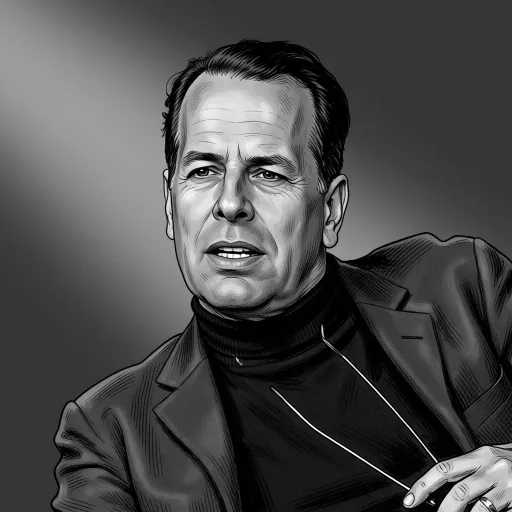
Brunello Rondi

6
briefs
13:00
average
78 min
in total
On film.briefs6
13:00

Europe '51

Roberto Rossellini · 1952

Roberto Rossellini’s 1952 film follows Irene Girard (Ingrid Bergman), an industrialist’s wife in post-war Rome, whose son’s death precipitates a radical commitment to helping others — a commitment that brings her into conflict with family, politics, medicine, the church and finally the asylum. Shot in austere black-and-white by Aldo Tonti, with a sparse score by Renzo Rossellini, the film treats compassion as a systemic challenge rather than a personal virtue.
13:00

Satyricon

Federico Fellini · 1969

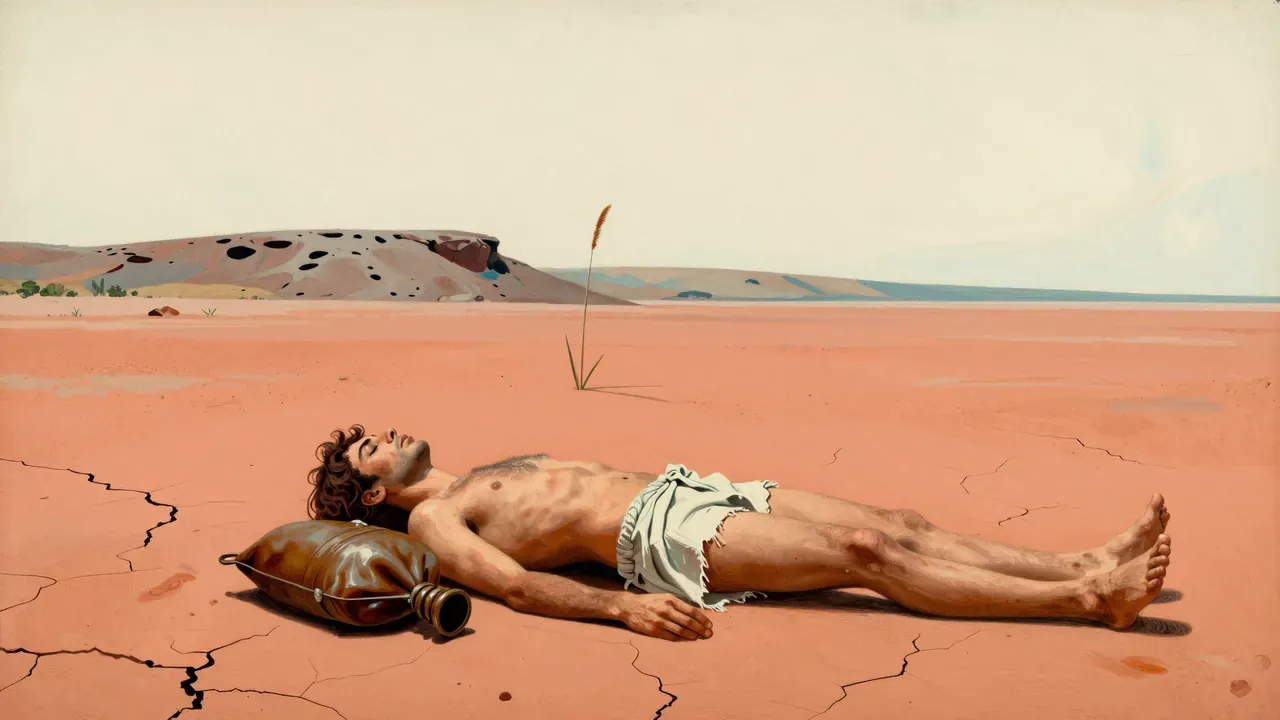
Federico Fellini’s 1969 Satyricon is a hallucinatory, episodic reimagining of Petronius’s fragmented Roman satire. Shot on studio sets and Italian locations by Giuseppe Rotunno, it follows Encolpius (Martin Potter) through a surreal, decaying empire — brothels, banquets, pirate ships, deserts — where power is performative, desire transactional, and narrative secondary to texture and tone. Nino Rota’s score and Danilo Donati’s production design anchor its visceral, dreamlike logic.

13:00

The Flowers of St. Francis

Roberto Rossellini · 1950

Roberto Rossellini’s 1950 film adapts nine parables from medieval Franciscan texts into a series of quiet, unadorned episodes. Shot in rural Italy with monks and one professional actor, it forgoes narrative for ritual, psychology for posture, and explanation for repetition. Its power lies in stillness, humility, and the radical simplicity of its vision.

13:00

Juliet of the Spirits

Federico Fellini · 1965

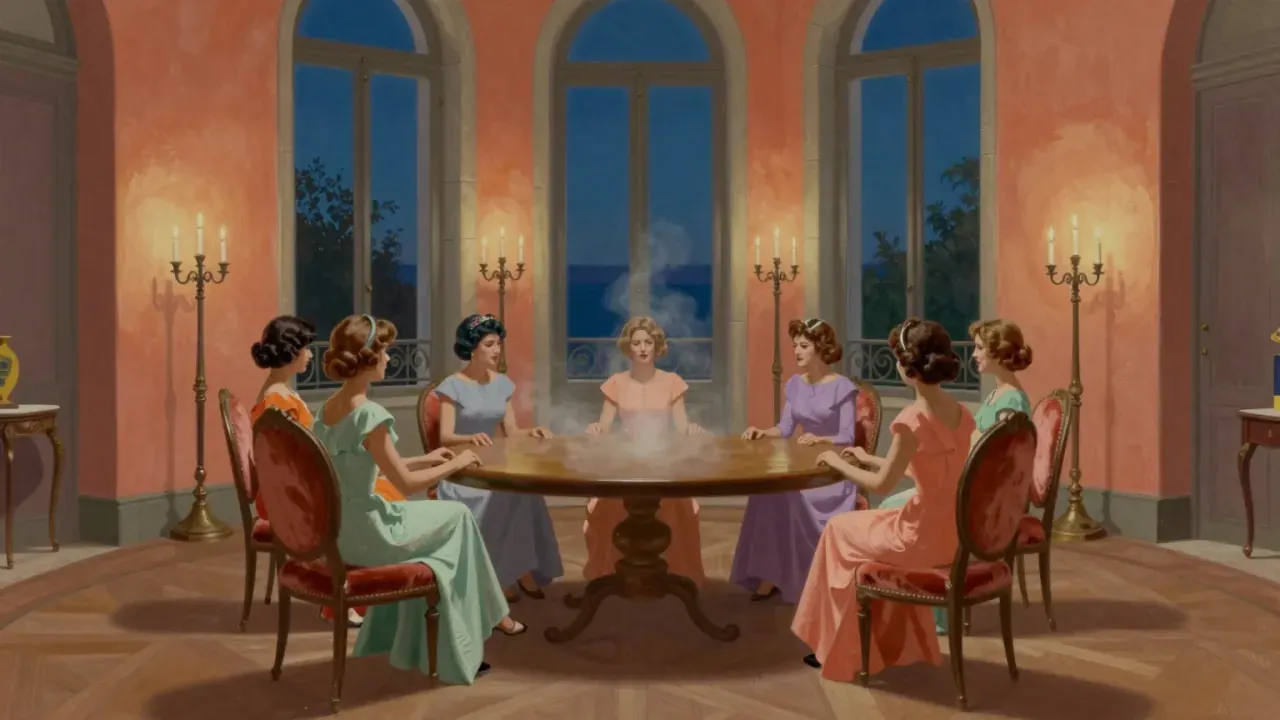
Federico Fellini’s 1965 Juliet of the Spirits is his first feature-length colour film, starring Giulietta Masina as a Roman housewife whose repressed inner life erupts in visions, memories and surreal encounters. Shot at Safa Palatino and Cinecittà Studios, it uses colour, costume and set design as primary tools to map a woman’s slow, non-linear path toward self-perception. Though nominated for two Academy Awards and widely acclaimed abroad, its reception in Italy was divided — some critics finding its baroque surfaces overwhelming its human core.

13:00

8½

Federico Fellini · 1963

Federico Fellini's 1963 film follows Guido Anselmi, a film director retreating to a spa town while his crew waits for a script he cannot write, sliding between the demands of producers, mistresses, his wife and memories of his Catholic childhood without marking the boundary between what is happening and what he is imagining. Shot by Gianni Di Venanzo in high-contrast black and white, scored by Nino Rota, and led by Marcello Mastroianni, the film won two Oscars, for costume design and international feature, and has stood since as one of the most direct portraits of creative paralysis committed to film.

13:00

La Dolce Vita

Federico Fellini · 1960

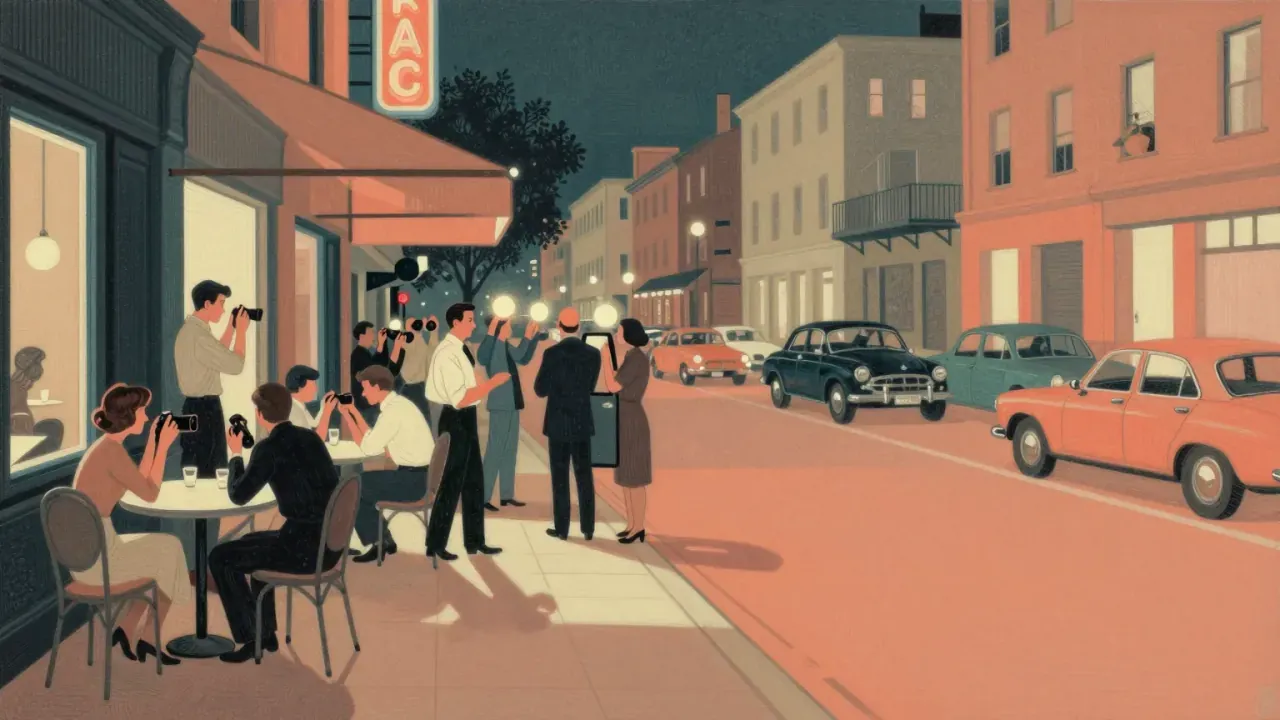
Federico Fellini's 1960 portrait of a tabloid journalist drifting through Rome's high society over a week of nights gave the world the word paparazzi and became both a critical landmark and a box-office hit despite censors in several countries. Marcello Mastroianni anchors an episodic structure built around parties, a starlet's arrival, and a friend's unexplained despair, shot largely at Cinecittà on Piero Gherardi's elaborate sets.