filmbriefs
Director · Screenwriter · 1940

Bruce Beresford

4
briefs
13:00
average
52 min
in total
On film.briefs4
13:00

Breaker Morant

Bruce Beresford · 1980

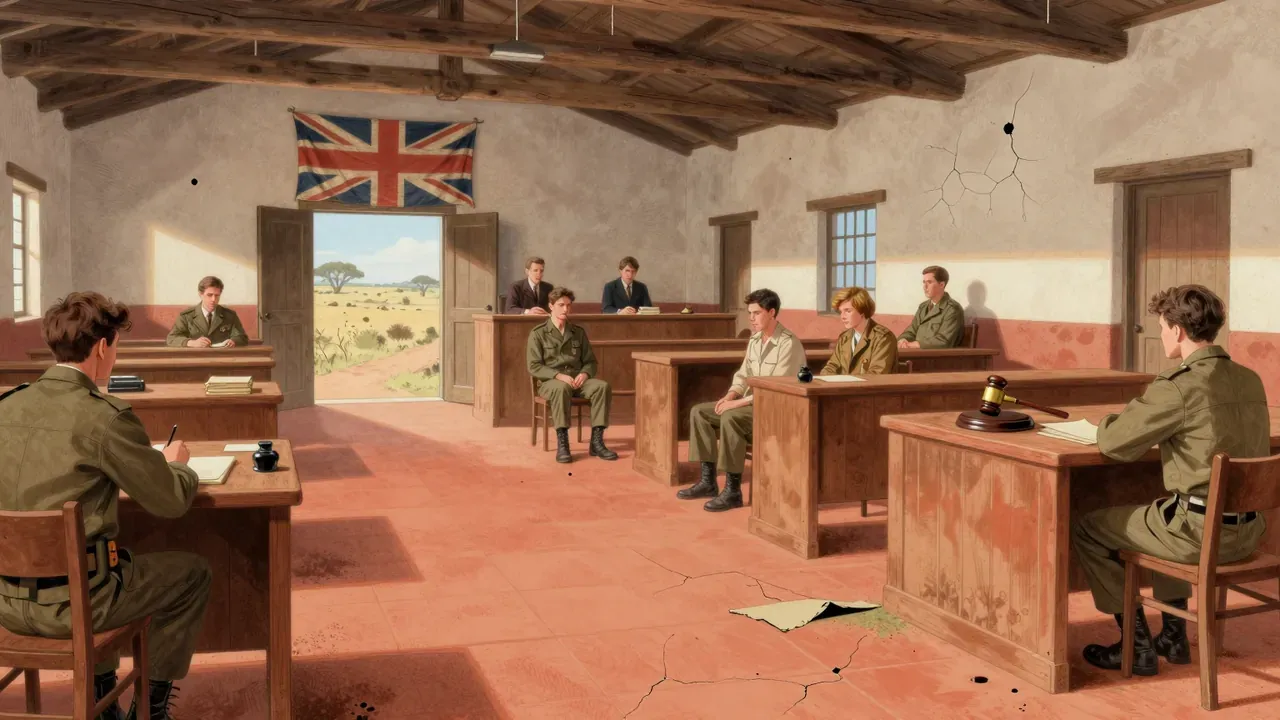
Breaker Morant (1980), directed by Bruce Beresford, dramatises the 1902 court martial of three Australian lieutenants accused of war crimes in the Boer War. Structured around courtroom testimony and fragmented flashbacks, it foregrounds procedural injustice over moral verdict, using restrained craft to expose how military justice serves political ends. Adapted from Kenneth G. Ross’s play, it won ten Australian Film Institute Awards and remains a benchmark of Australian cinema’s engagement with colonial accountability.
13:00

Mister Johnson

Bruce Beresford · 1990

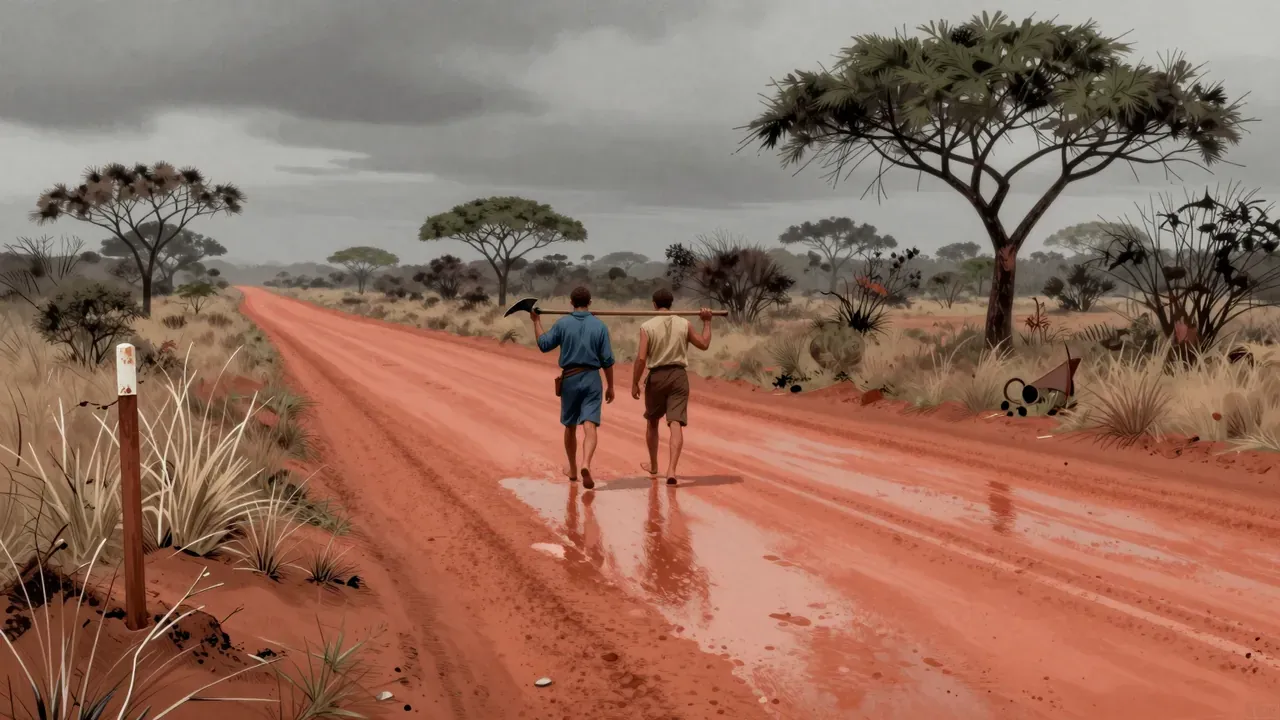
Bruce Beresford’s 1990 drama adapts Joyce Cary’s 1939 novel, following Maynard Eziashi’s Mister Johnson — a Nigerian clerk in 1929 colonial Nigeria who fervently adopts English manners, language, and bureaucracy in pursuit of status and belonging. Shot on location in Toro, Nigeria, the film observes his gradual unraveling as loyalty to colonial ideals clashes with material reality, kinship obligations, and administrative scrutiny. With restrained craft and a career-launching performance, it avoids easy moral binaries, instead tracing the quiet, logical collapse of a worldview built on mimicry.

13:00

Driving Miss Daisy

Bruce Beresford · 1989

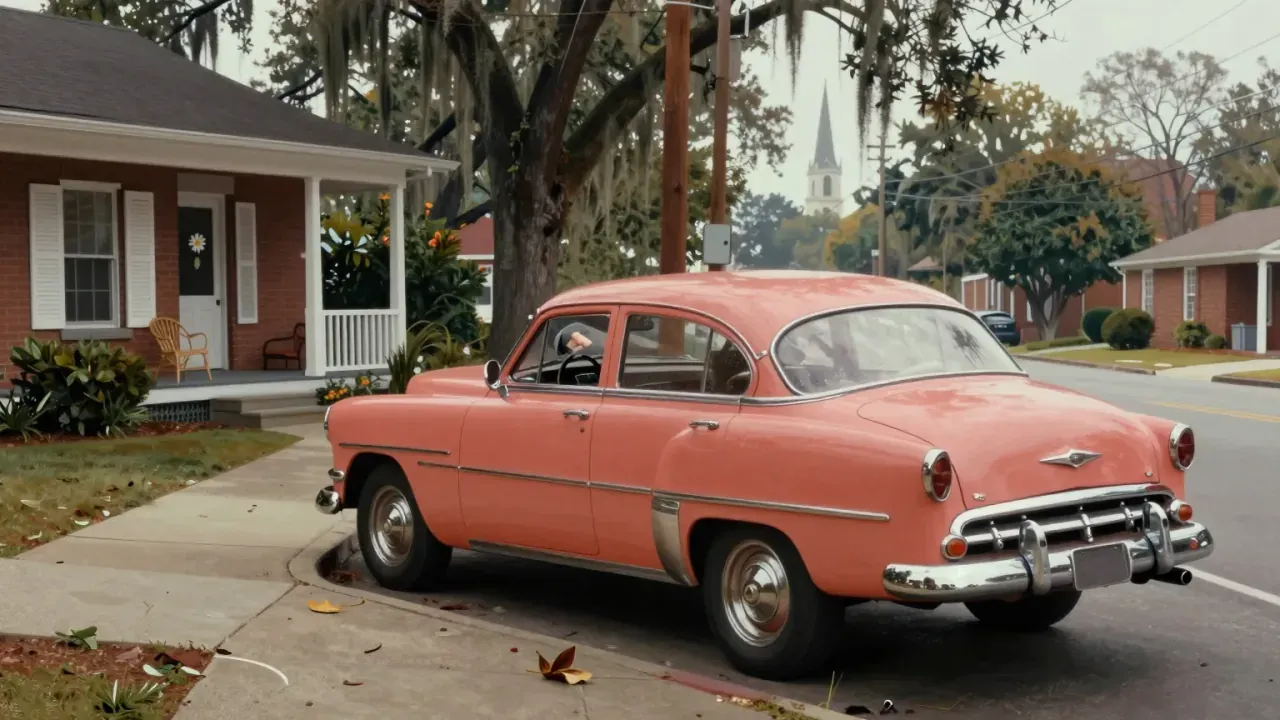
Driving Miss Daisy (1989) follows twenty-five years in the relationship between Daisy Werthan, a Jewish widow in Atlanta, and Hoke Colburn, the Black chauffeur her son hires after she can no longer drive. Adapted by Alfred Uhry from his play and directed by Bruce Beresford, it relies on understated performances by Jessica Tandy and Morgan Freeman, restrained cinematography by Peter James, and a patient, episodic structure. Though commercially successful and awarded Best Picture, it has drawn criticism for its gentle treatment of systemic racism. Its strength lies in cumulative intimacy, not exposition.

13:00

Tender Mercies

Bruce Beresford · 1983

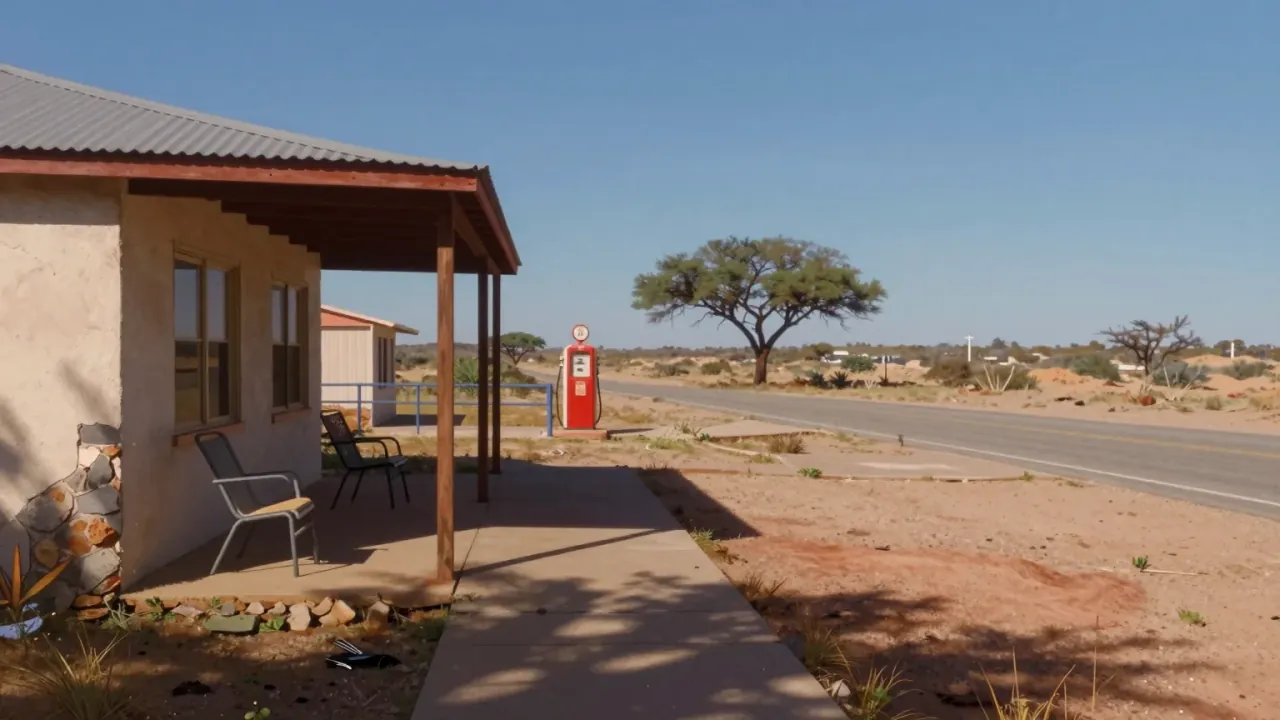
Tender Mercies (1983), directed by Bruce Beresford and written by Horton Foote, follows Mac Sledge — a washed-up country singer recovering from alcoholism — as he rebuilds a life with a young widow and her son in rural Texas. Robert Duvall’s Oscar-winning performance anchors a film defined by restraint: sparse dialogue, unvarnished performances, and a documentary-like gaze. It avoids melodrama, instead locating meaning in small, repeated acts of care — mowing the lawn, singing quietly, sharing meals. Shot on location in Waxahachie, Texas, with Russell Boyd’s naturalistic cinematography and George Dreyfus’s understated score, it is a study in endurance, presence, and the quiet persistence of mercy.