filmbriefs
Screenwriter · Producer

Anthony Havelock-Allan

7
briefs
13:00
average
91 min
in total
On film.briefs7
13:00

Blithe Spirit

David Lean · 1945

David Lean’s 1945 Blithe Spirit adapts Noël Coward’s stage comedy with formal care and muted energy. Shot in Technicolor by Ronald Neame, it preserves the play’s wit and structure while adding exterior scenes and a controversial new ending. Margaret Rutherford’s Madame Arcati anchors the film, but Rex Harrison and Kay Hammond struggle to translate their stage roles to screen. The film’s strength lies in its textures — domestic detail, vocal rhythm, restrained visual effects — not in narrative drive or emotional revelation. Though commercially disappointing in 1945, it endures as a document of mid-century British craft and constraint.
13:00

Brief Encounter

David Lean · 1945

David Lean’s 1945 adaptation of Noël Coward’s Still Life follows Laura Jesson and Alec Harvey, two married strangers whose brief, chaste affair unfolds over Thursdays in a Lancashire railway station. Shot in stark black-and-white by Robert Krasker, scored with Rachmaninoff’s Second Piano Concerto, and performed with extraordinary restraint by Celia Johnson and Trevor Howard, it renders love not as liberation but as quiet crisis — a collision of feeling and duty that resolves not in triumph or tragedy, but in return.

13:00

Oliver Twist

David Lean · 1948

David Lean’s 1948 Oliver Twist is a tightly controlled, visually rich adaptation of Dickens’s novel, notable for Guy Green’s cinematography, Alec Guinness’s controversial portrayal of Fagin, and its unflinching depiction of institutional cruelty. Though acclaimed for its craft and ranked among the greatest British films, its reliance on antisemitic visual tropes has drawn sustained criticism since release — leading to bans, edits, and protests. It remains essential viewing, not despite its flaws, but because they are so deeply embedded in its form and purpose.

13:00

Romeo and Juliet

Franco Zeffirelli · 1968

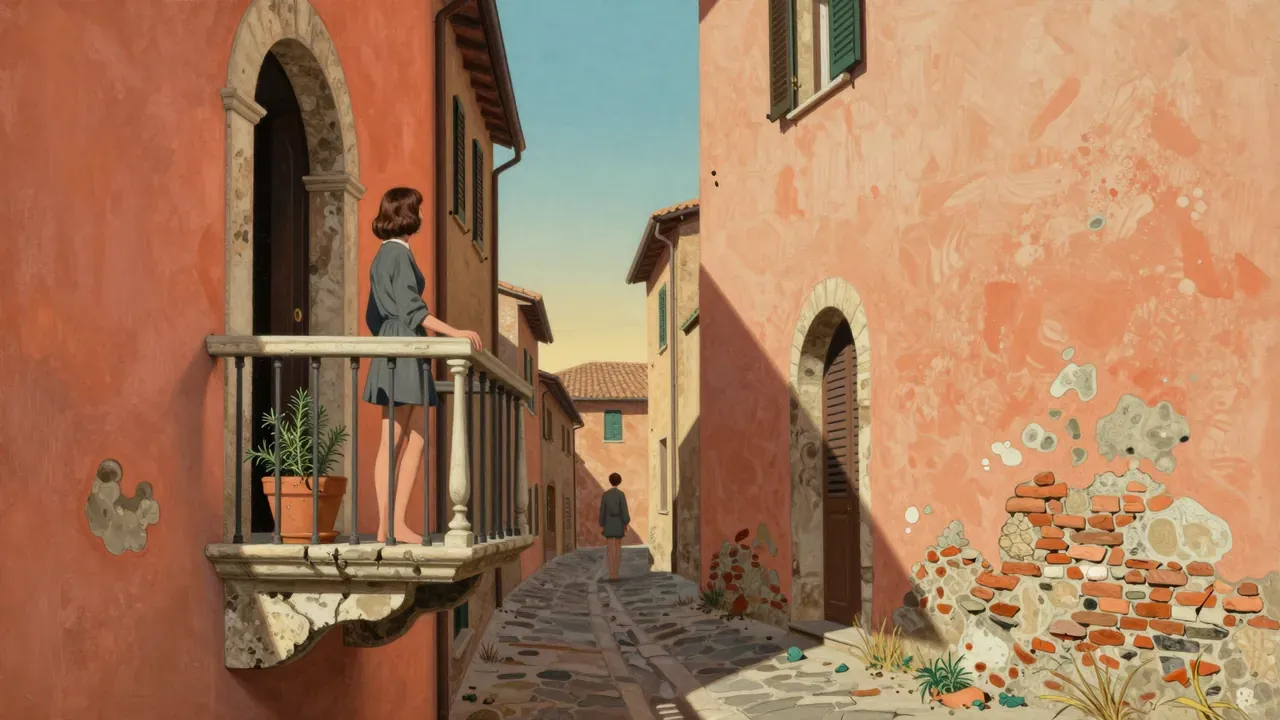
Franco Zeffirelli’s 1968 adaptation casts teenage actors Leonard Whiting and Olivia Hussey as Romeo and Juliet, filming on authentic Italian locations with period-accurate design. Trimmed for emotional directness and shot by Pasqualino De Santis, it prioritises tactile realism over rhetorical flourish. Though structurally simplified and sometimes tonally uneven, its sincerity, craft and commitment to adolescent authenticity have sustained its relevance for over fifty years.

13:00

This Happy Breed

David Lean · 1944

David Lean’s 1944 debut follows the Gibbons family across twenty years of peace and gathering storm in suburban London. Anchored by Robert Newton and Celia Johnson, it charts domestic life against national events — the General Strike, the rise of fascism, the abdication — not through speeches or spectacle, but through wallpaper, radio sets, and the weight of unspoken grief. Shot in muted Technicolor and edited with Lean’s signature temporal bleed, it is a film of accumulation: small details, repeated gestures, returning spaces. Its power lies in endurance, not revelation.

13:00

Great Expectations

David Lean · 1946

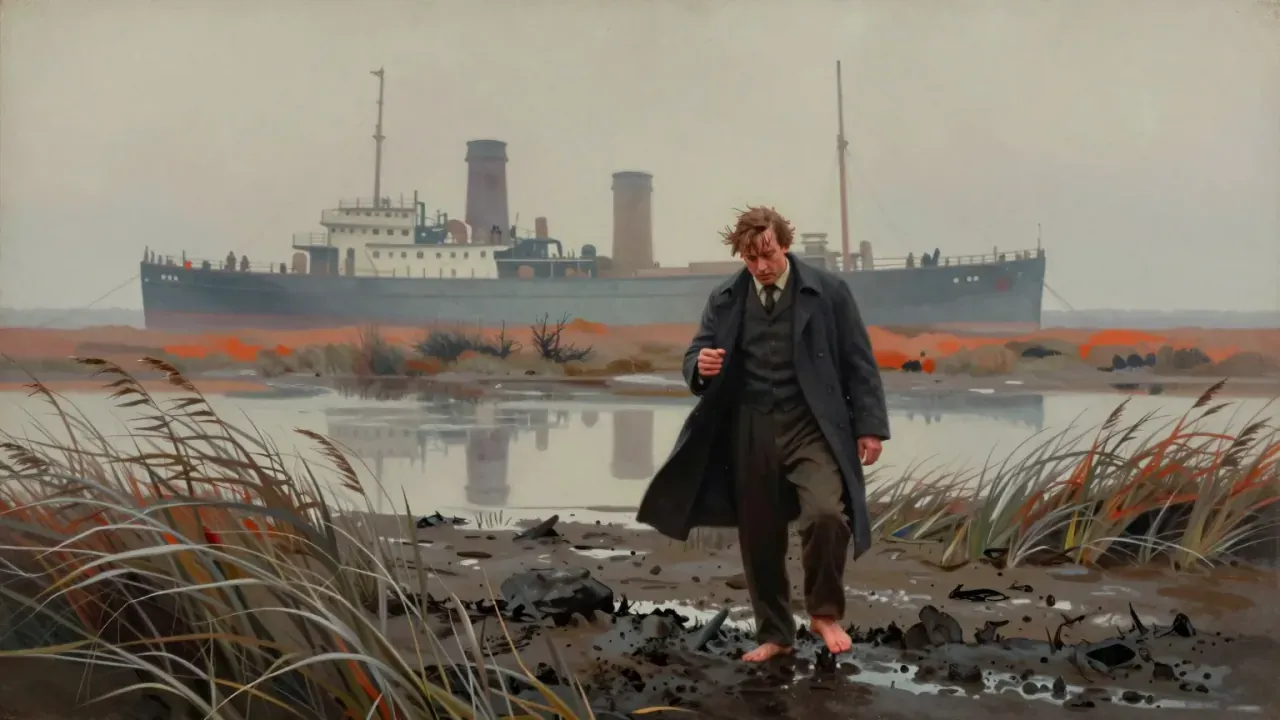
David Lean’s 1946 adaptation of Great Expectations condenses Dickens’s novel into a tightly composed black-and-white drama. Shot by Guy Green and designed by John Bryan and Wilfred Shingleton, it uses setting, light and restraint to convey Pip’s moral education and the corrosive legacy of class and abandonment. Though some psychological nuance is lost in compression, its formal discipline and emotional precision have secured its status as a landmark of British cinema.

13:00

Ryan's Daughter

David Lean · 1970

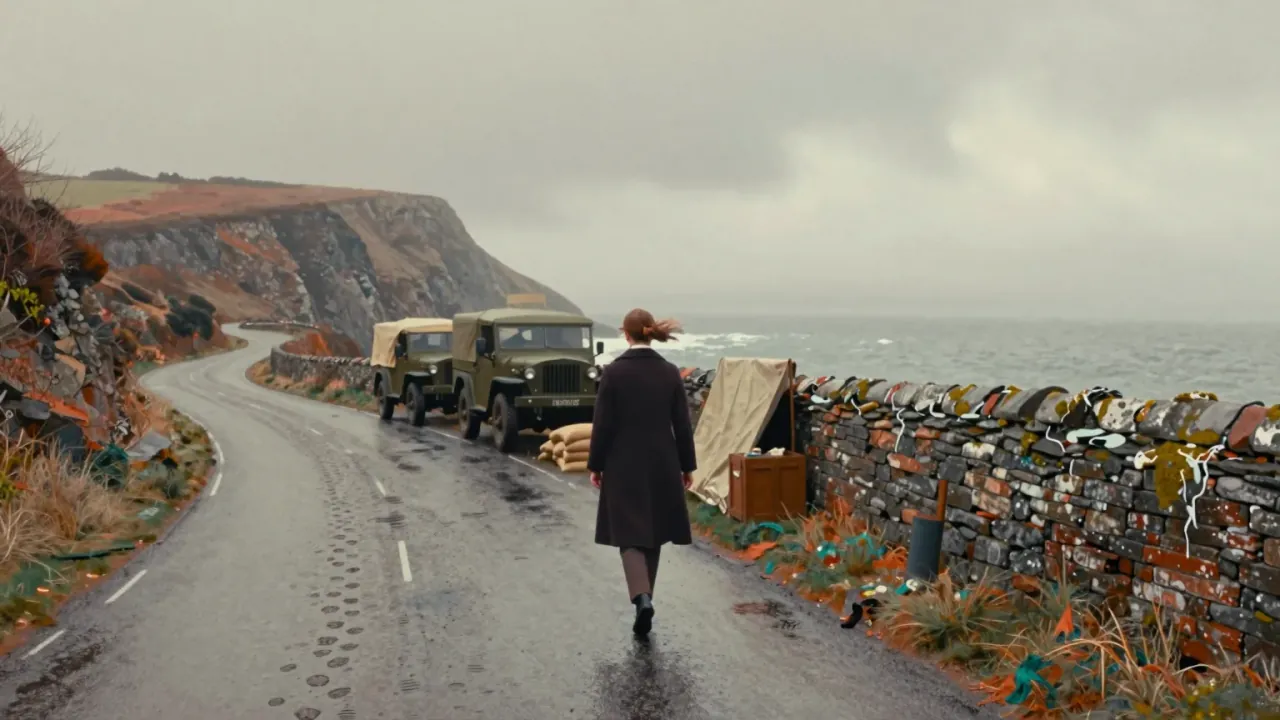
David Lean’s 1970 film transposes Madame Bovary to wartime Ireland, following Rosy Ryan’s affair with a British officer amid nationalist suspicion and coastal isolation. At 189 minutes, it leans into duration, weather, and visual texture over psychological exposition. Freddie Young’s cinematography and Maurice Jarre’s score anchor its scale, while Robert Mitchum and John Mills deliver its most grounded performances. Critically divisive on release, it remains a demanding, atmospheric study of visibility, consequence, and containment — best approached as a work of sustained mood, not narrative drive.