filmbriefs
Director · Screenwriter · Producer · Actor · 1954

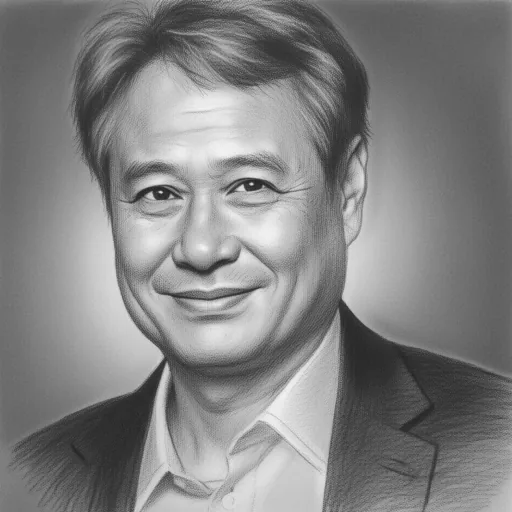
Ang Lee

7
briefs
13:00
average
91 min
in total
On film.briefs7
13:00

Ride with the Devil

Ang Lee · 1999

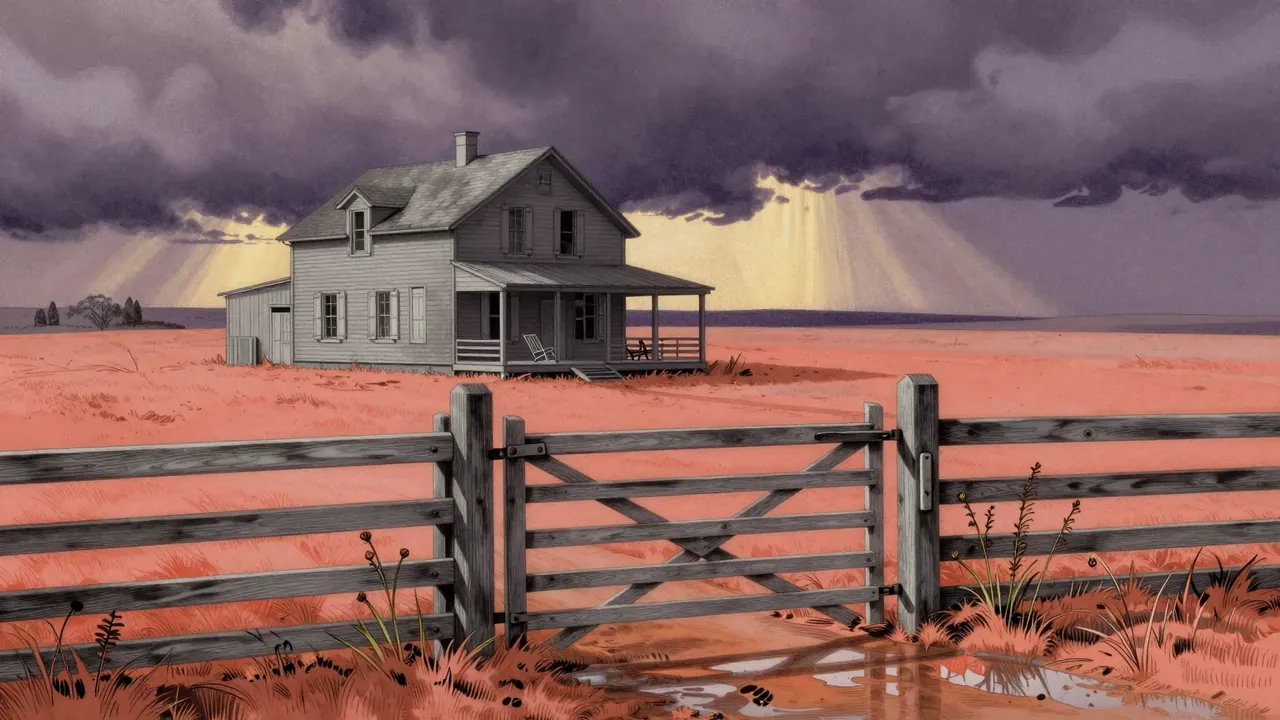
Ang Lee’s 1999 film Ride with the Devil follows young Missouri bushwhackers during the Civil War, adapting Daniel Woodrell’s novel with deliberate slowness and minimal exposition. Shot by Frederick Elmes and written by James Schamus, it foregrounds domestic endurance over battlefield drama, treating violence as rupture rather than climax. Its themes — loyalty, freedom, gendered labour, and the weight of time — emerge through gesture and silence, not speech. Though commercially overlooked and structurally demanding, it remains a singular, unhurried portrait of war’s human residue.
13:00

The Ice Storm

Ang Lee · 1997

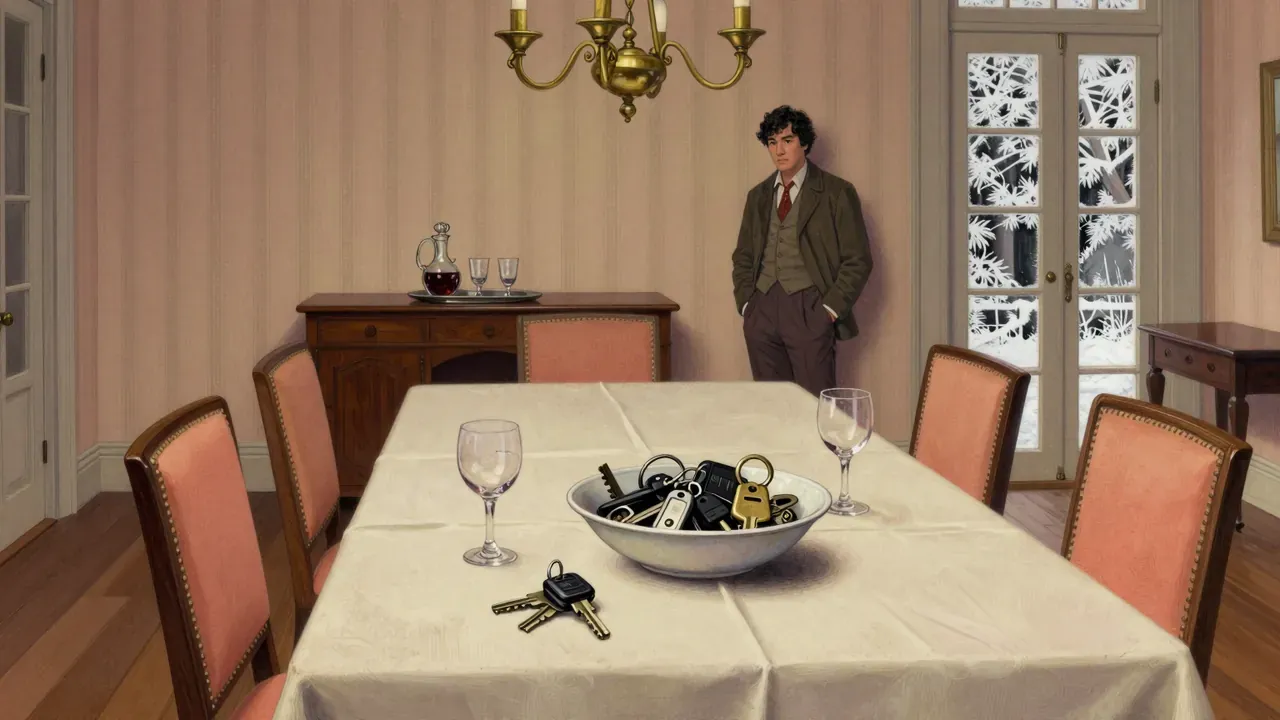
Set over a single Thanksgiving weekend in 1973, The Ice Storm follows two Connecticut families adrift in marital and generational disaffection. Directed by Ang Lee from James Schamus’s screenplay, it renders suburban ennui through restrained performances, muted cinematography, and a structure built on accumulation rather than escalation. A fatal accident during an ice storm forces a reckoning — not with morality, but with the cost of emotional drift.

13:00

Brokeback Mountain

Ang Lee · 2005

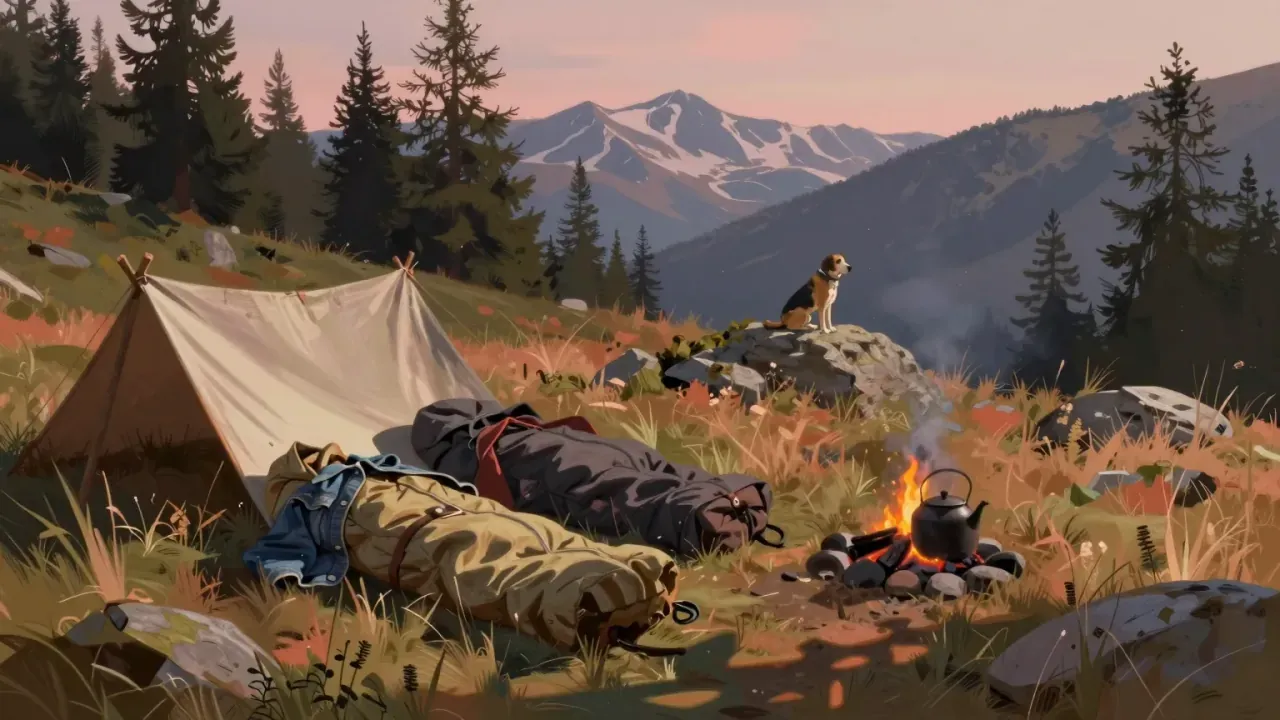
Ang Lee’s 2005 film adapts Annie Proulx’s short story into a restrained, deeply felt portrait of two cowboys whose secret relationship spans twenty years. Heath Ledger and Jake Gyllenhaal anchor a film that finds emotional power in what is unsaid, unseen, and unkept — using landscape, gesture, and silence to convey longing, repression, and endurance. Shot in Alberta and scored by Gustavo Santaolalla, it avoids sentimentality while sustaining profound melancholy.

13:00

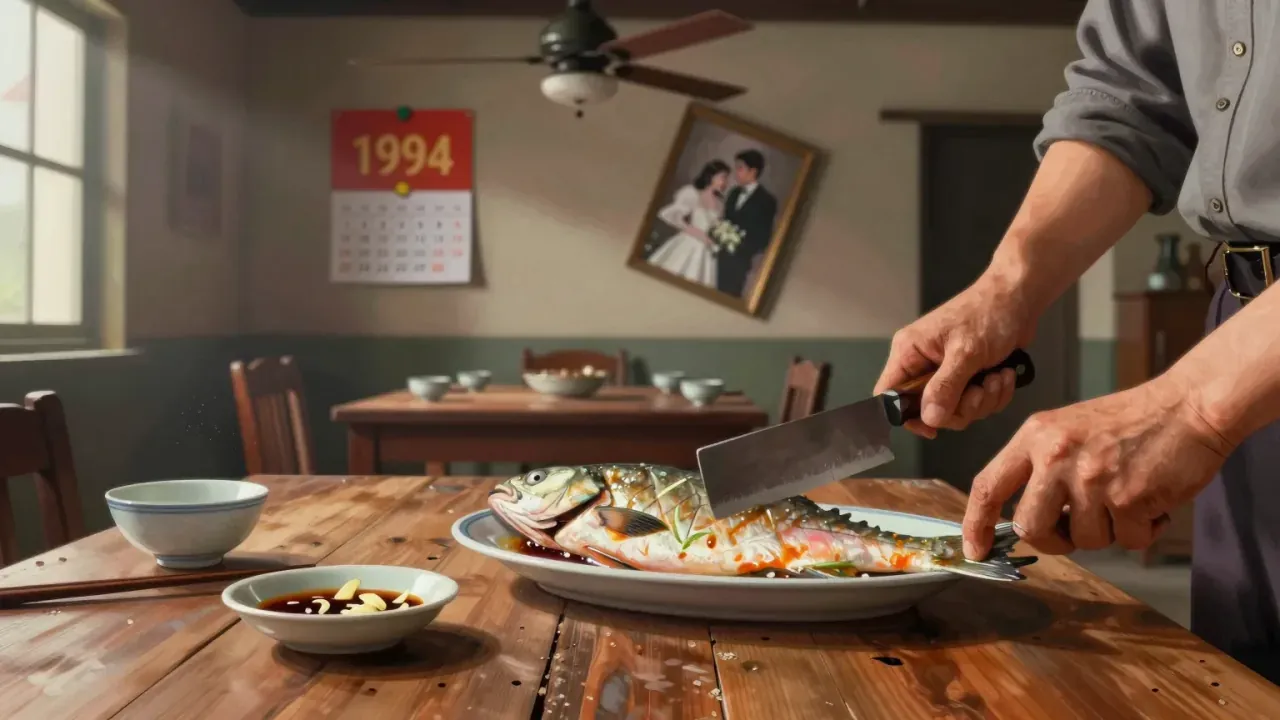
Eat Drink Man Woman

Ang Lee · 1994

Set in 1990s Taipei, Eat Drink Man Woman follows Zhu, a retired chef and widower, and his three daughters as their weekly Sunday meals become the stage for shifting desires, unspoken tensions, and gradual reinvention. Directed by Ang Lee, the film treats food, faith, career, and love as interwoven strands of daily life — not symbols, but substances. Its strength lies in specificity: Mandarin dialogue, Taipei locations, culinary detail, and performances that resist caricature. While Jia-Ning’s storyline feels underdeveloped, the film’s emotional logic remains coherent and deeply humane.

13:00

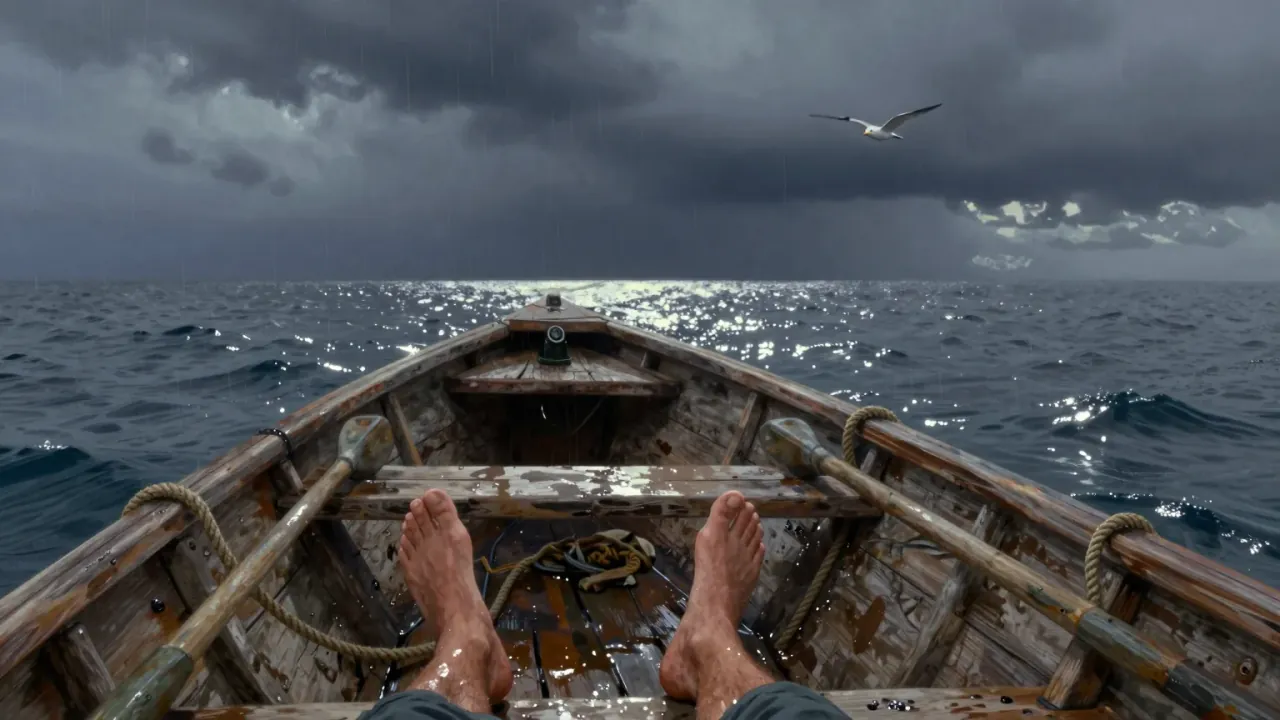
Life of Pi

Ang Lee · 2012

Ang Lee’s 2012 adaptation of Yann Martel’s novel follows a teenage Indian boy stranded at sea with a Bengal tiger. Shot across India, Taiwan and Montreal, it uses meticulous visual effects, Claudio Miranda’s cinematography and Mychael Danna’s score to render philosophy tangible. Though its Pondicherry prologue feels expository and its dual-ending pivot risks imbalance, the film’s sustained attention to sensation — water, light, breath, weight — makes its central ambiguity feel earned, not evasive.

13:00

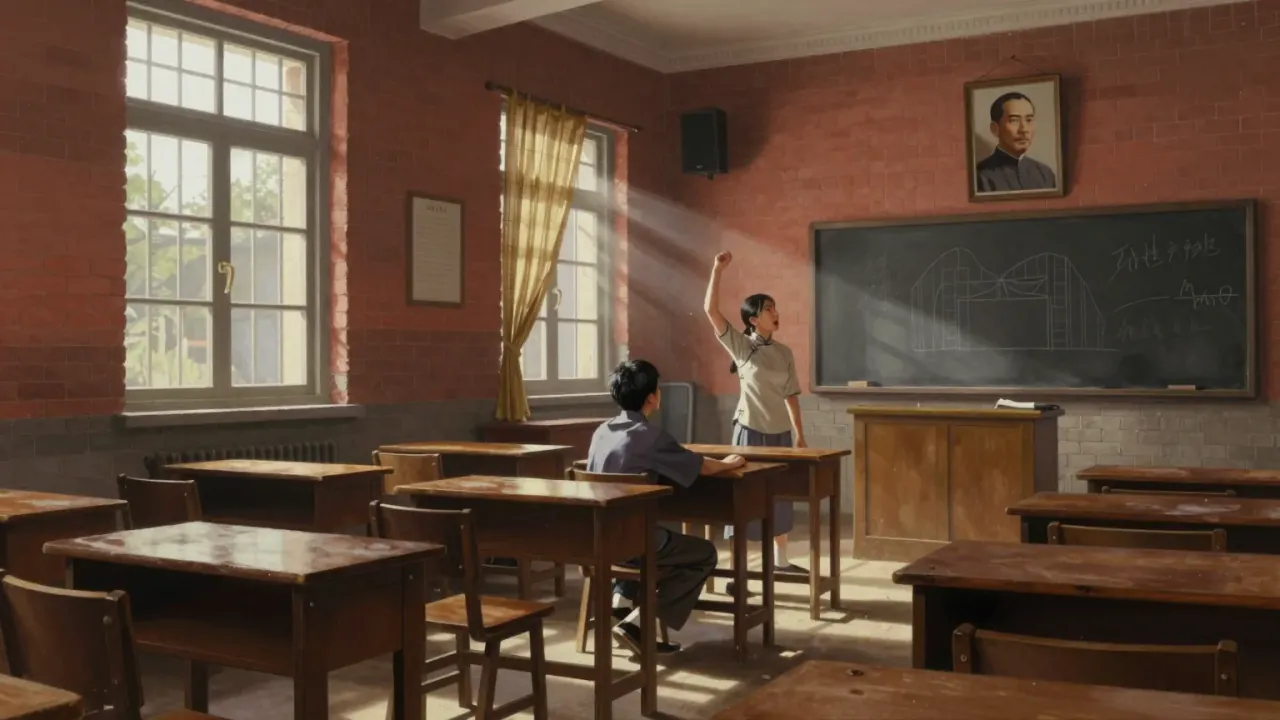
Lust, Caution

Ang Lee · 2007

Ang Lee’s 2007 adaptation of Eileen Chang’s novella follows a Chinese student who infiltrates the inner circle of a collaborator in Japanese-occupied Shanghai. Her mission blurs into intimacy, culminating in a choice that fractures loyalty, desire and selfhood. Shot by Rodrigo Prieto and scored by Alexandre Desplat, it is a slow, tactile study in moral erosion — less thriller than forensic portrait of how power reshapes the body and mind.

13:00

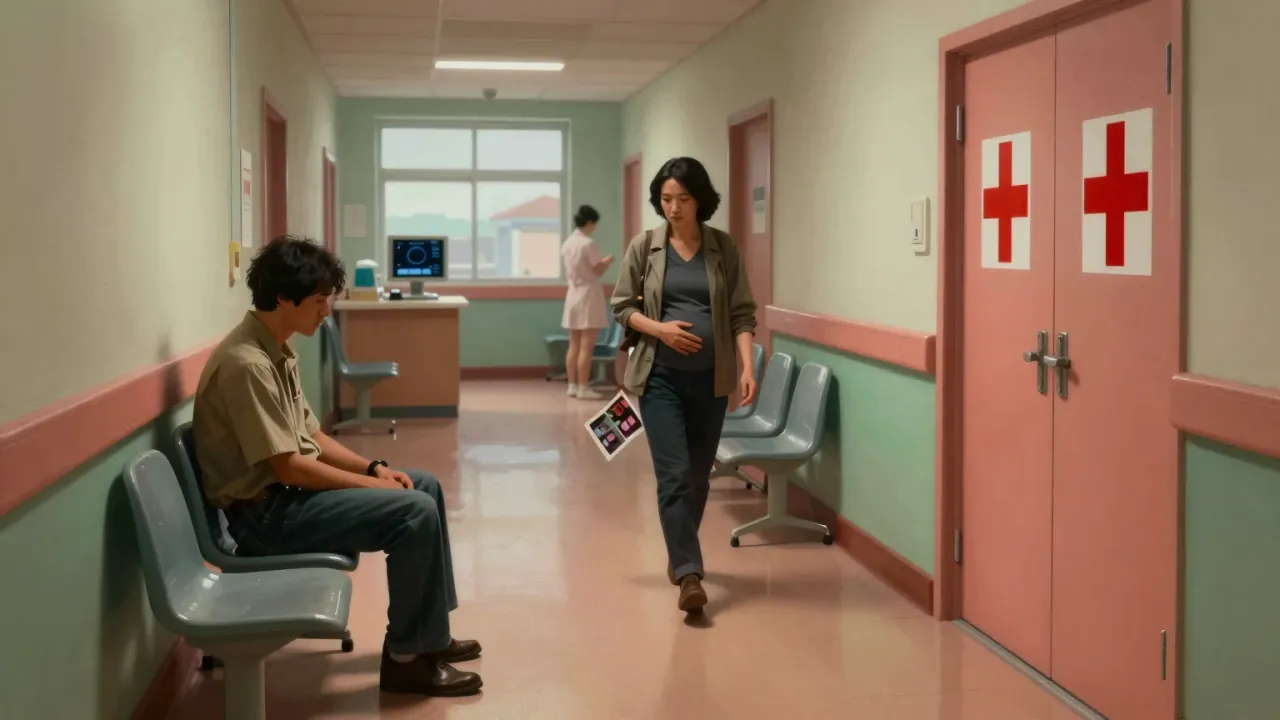
The Wedding Banquet

Ang Lee · 1993

Ang Lee’s 1993 film follows a gay Taiwanese man in Manhattan who marries a mainland Chinese woman to satisfy his parents and secure her US residency. When his parents arrive for the wedding banquet, the deception deepens — and so do the bonds between the three adults. Shot on location in New York with bilingual dialogue and understated performances, it balances comedy and pathos without resorting to caricature or easy resolution.