filmbriefs
Actor · 1881–1953

Albert Austin

4
briefs
13:00
average
52 min
in total
On film.briefs4
13:00

The Circus

Charlie Chaplin · 1928

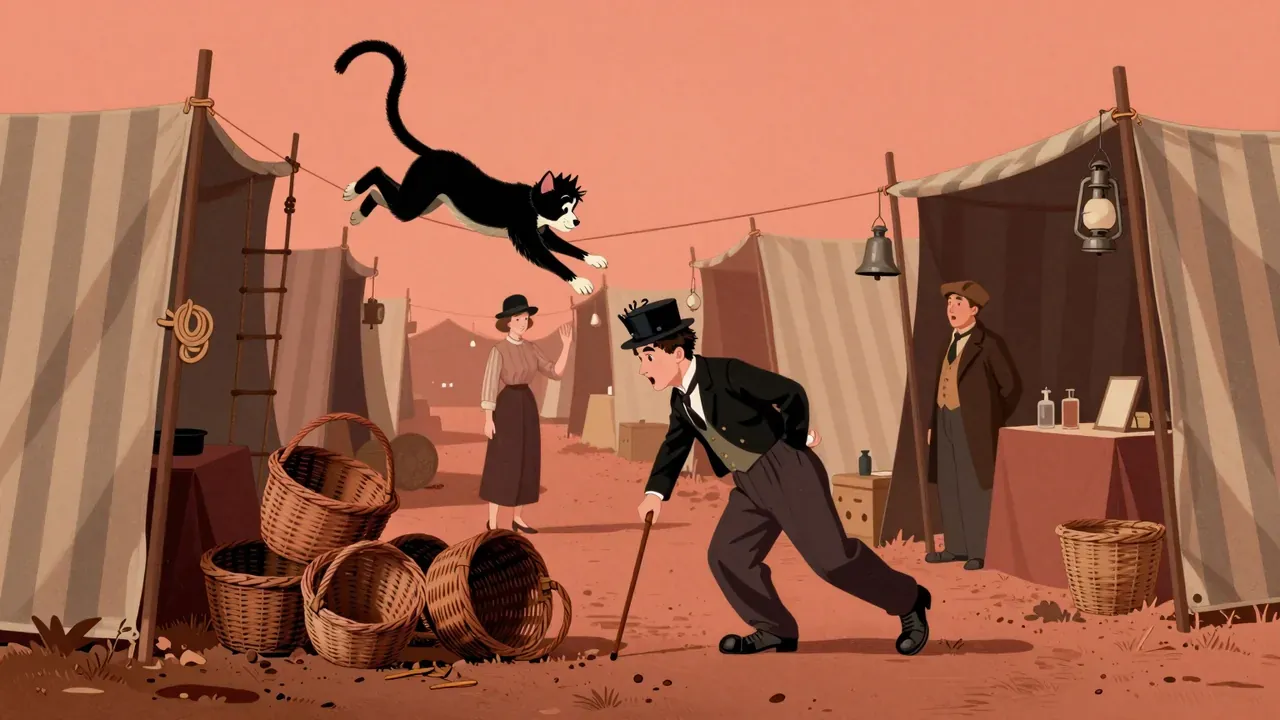
Charlie Chaplin’s 1928 silent comedy follows the Little Tramp’s accidental rise and quiet fall within a struggling circus. Hired for his unintentional chaos, he becomes indispensable — then obsolete — in a film that treats performance as labour, laughter as accident, and solitude as structural inevitability. Shot and edited by Chaplin, with music he composed, it is both a technical masterclass and a quiet self-portrait made at the dawn of sound.
13:00

The Kid

Charlie Chaplin · 1921

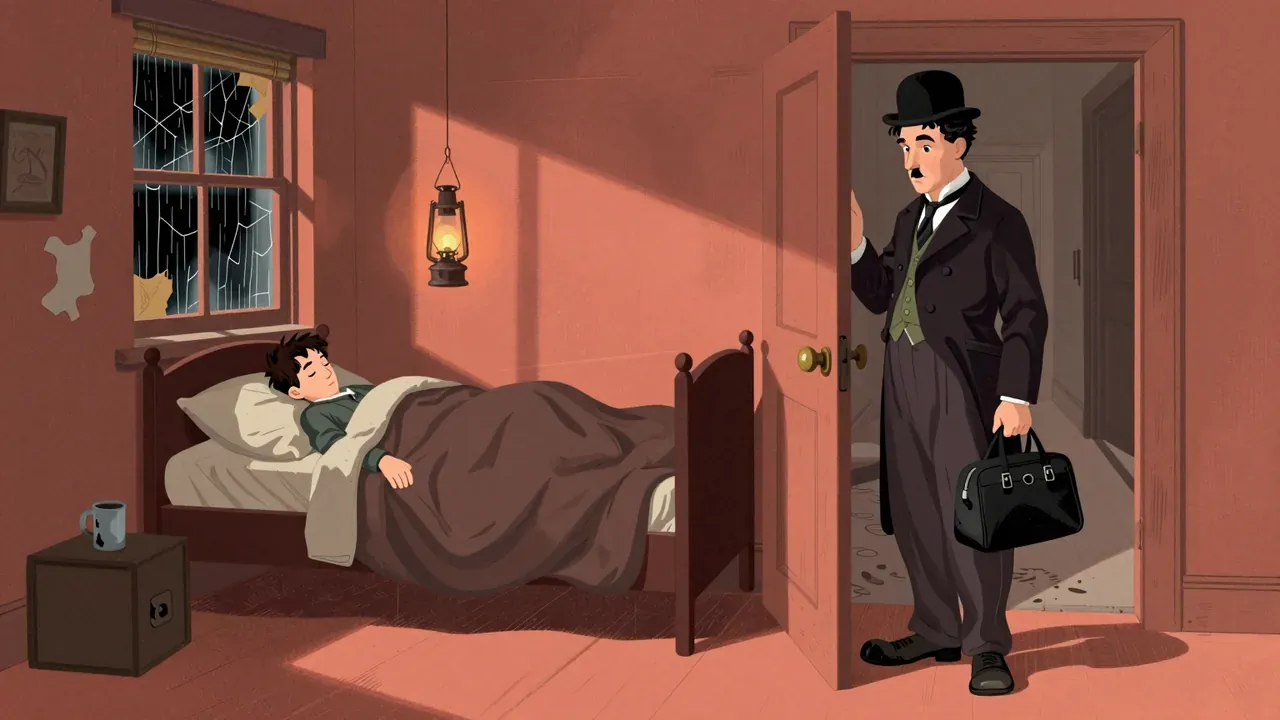
Charlie Chaplin’s 1921 feature The Kid pairs him with six-year-old Jackie Coogan in a comedy-drama about an abandoned infant raised by the Tramp. Built on tight physical performances, economical editing and unforced pathos, it balances street-level pragmatism with quiet tenderness — making care visible as routine, not revelation.

13:00

City Lights

Charlie Chaplin · 1931

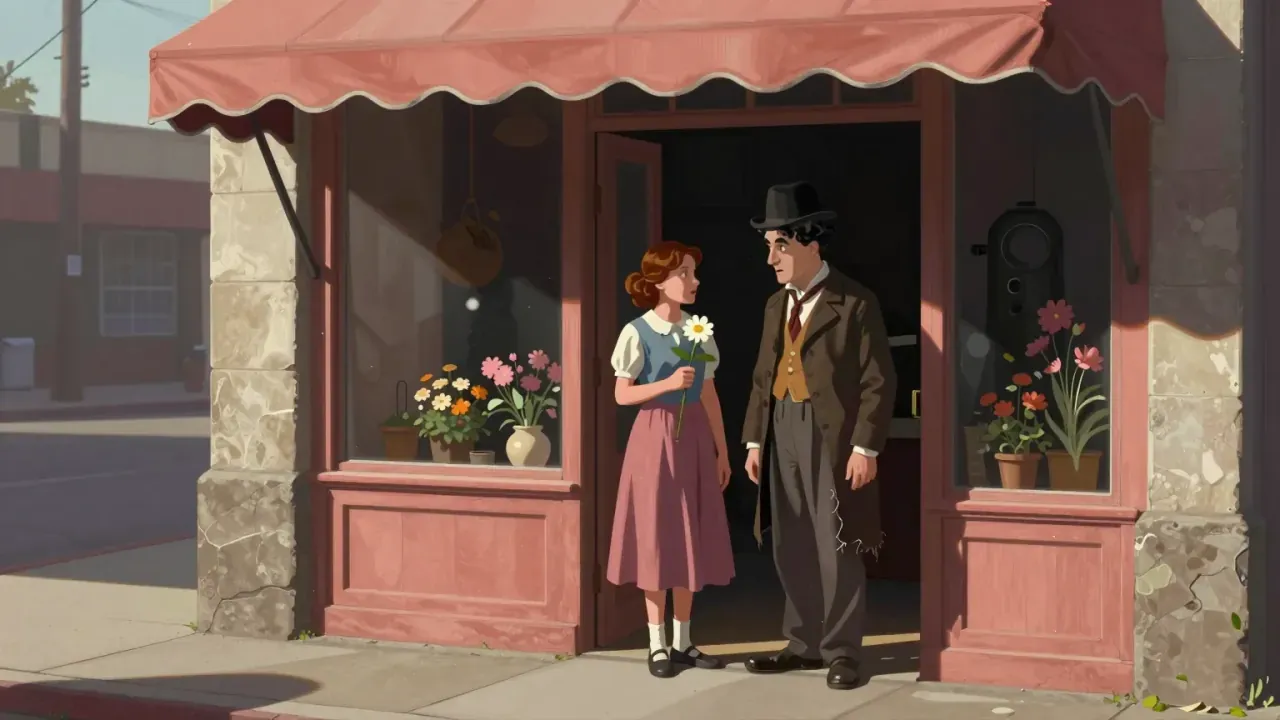
A 1931 silent romantic comedy-drama written, directed by and starring Charlie Chaplin. Though released after the arrival of sound cinema, it uses no spoken dialogue, relying instead on physical performance, intertitles, and a composed musical score. The Tramp falls for a blind flower seller and forms a volatile bond with a drunken millionaire. Its final scene — the flower girl’s first sighted meeting with the Tramp — is widely regarded as one of cinema’s most accomplished moments of wordless emotional storytelling.

13:00

The Gold Rush

Charlie Chaplin · 1925

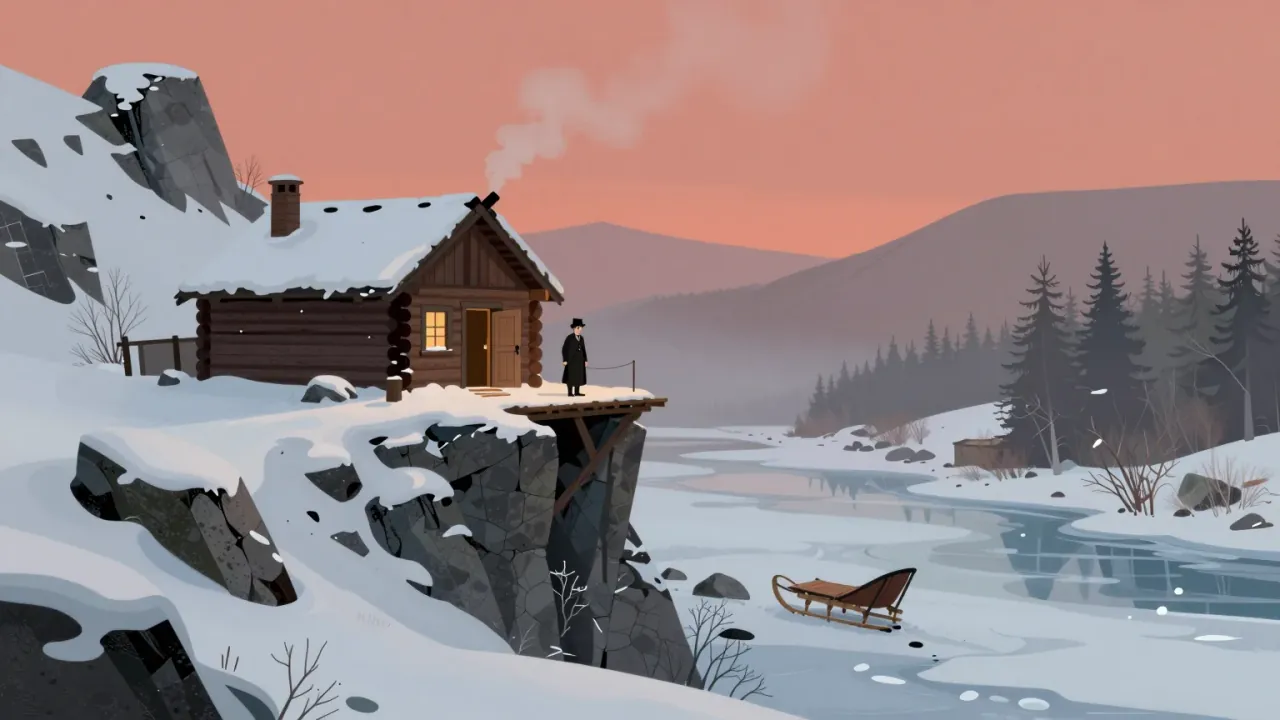
Charlie Chaplin’s 1925 silent feature The Gold Rush transplants his Little Tramp into the Klondike Gold Rush, using starvation, cold, and isolation as structural principles rather than setting. Its most enduring sequences — shoe-eating, roll-dancing, cabin-on-a-cliff — succeed through unwavering tonal control and physical precision. While the romantic second half lacks the psychological density of the survival sections, the film remains a masterclass in expressive economy: every frame, gesture, and pause serves its dual commitment to laughter and pathos.