filmbriefs
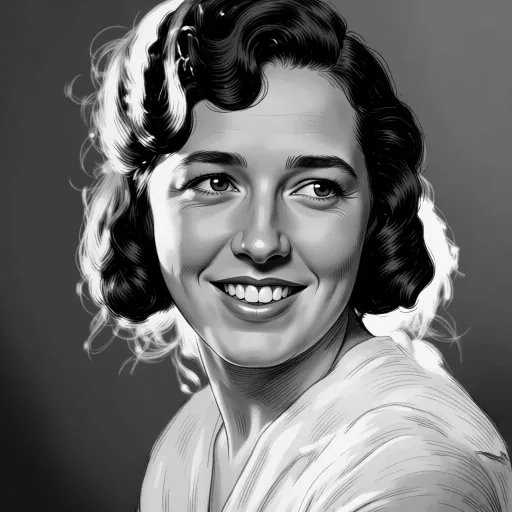
Editor · 1894–1973

Viola Lawrence

4
briefs
13:00
average
52 min
in total
On film.briefs4
13:00

Here Comes Mr. Jordan

Alexander Hall · 1941

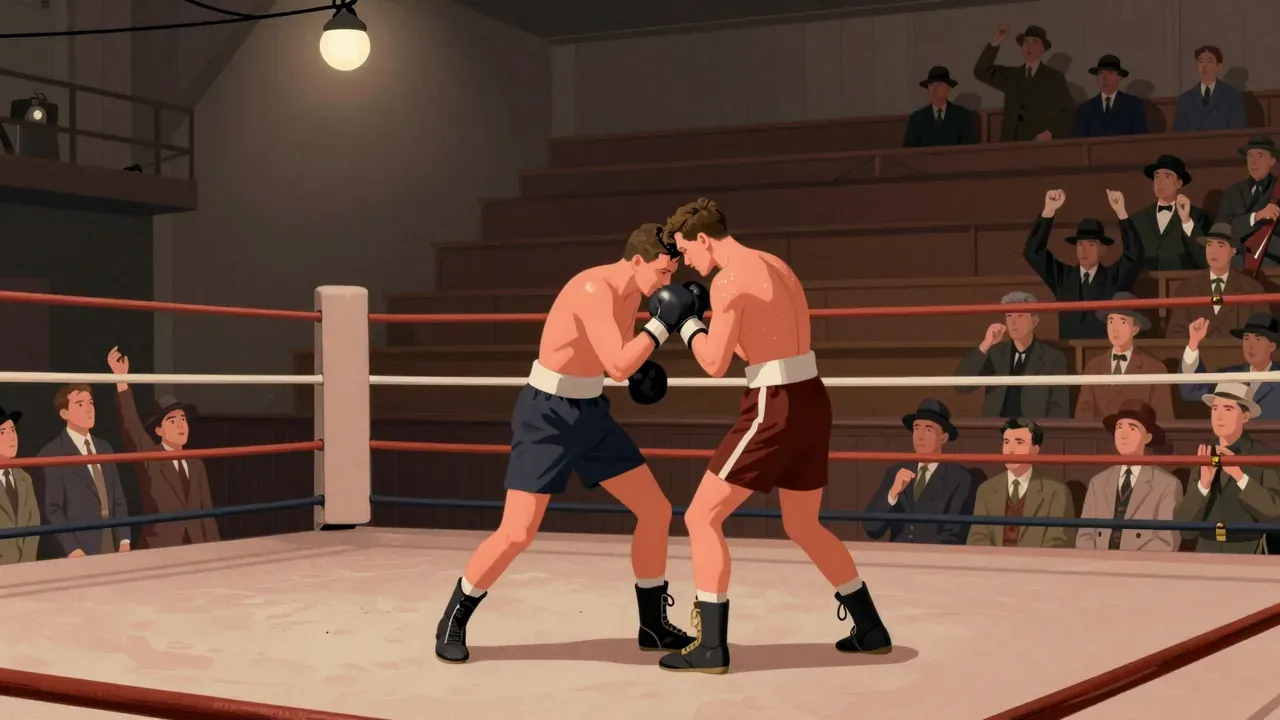
Here Comes Mr. Jordan (1941) follows boxer Joe Pendleton, mistakenly taken to Heaven before his time, who must inhabit a new body on Earth to complete his life. Directed by Alexander Hall and written by Sidney Buchman and Seton I. Miller, the film balances fantasy, romance, and comedy with precise structure and restrained performances. Its strength lies in treating the afterlife as bureaucratic infrastructure and grounding ethical choices in tangible action — restitution, not revelation. Though its final act softens its earlier rigour, the film remains a masterclass in economical, character-led storytelling.
13:00

Only Angels Have Wings

Howard Hawks · 1939

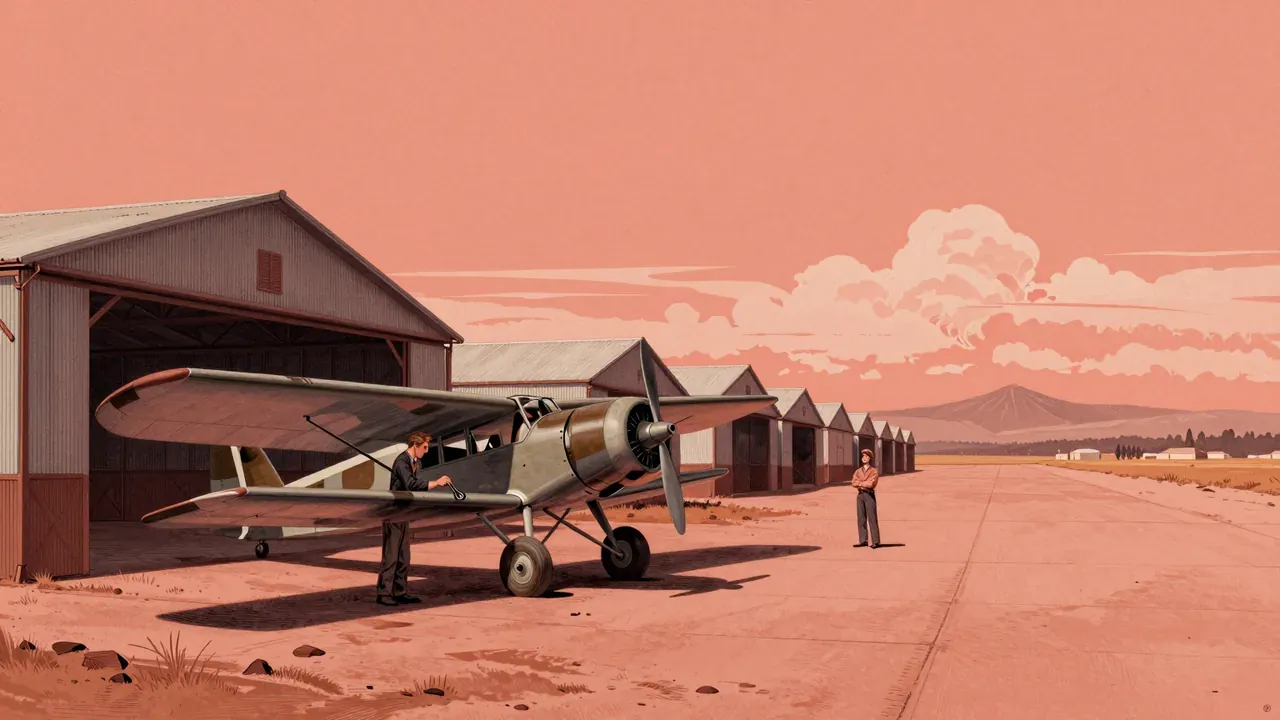
Howard Hawks’ 1939 drama follows Geoff Carter, manager of a perilous South American air freight operation, as he balances a government contract deadline against the lives of his pilots. Starring Cary Grant and Jean Arthur, it builds its world through procedural clarity, not psychology — valuing competence over confession, restraint over revelation. Joseph Walker’s cinematography, Dimitri Tiomkin’s score and Viola Lawrence’s editing sustain a single, unwavering tone: fatalism as honour, risk as routine.

13:00

In a Lonely Place

Nicholas Ray · 1950

Nicholas Ray’s 1950 drama stars Humphrey Bogart as a volatile screenwriter suspected of murder and Gloria Grahame as the neighbour who falls for him — only to realise his charm and rage are two sides of the same coin. Shot by Burnett Guffey and edited by Viola Lawrence, it trades noir thrills for psychological precision, treating Hollywood as a pressure chamber for intimacy. Its reputation has grown steadily since release, now ranked among the greatest film noirs ever made.

13:00

The Lady from Shanghai

Orson Welles · 1947

Orson Welles’s 1947 noir, shot on location in San Francisco and Acapulco, uses a tangled murder plot to interrogate perception, law, and performance. Though heavily cut by Columbia Pictures, its surviving fragments—including the legendary hall-of-mirrors finale—retain a stark, unsettling power rooted in visual and ethical ambiguity.