filmbriefs
Director · Actor · Screenwriter

Toshiya Fujita

4
briefs
13:00
average
52 min
in total
On film.briefs4
13:00

Lady Snowblood

Toshiya Fujita · 1973

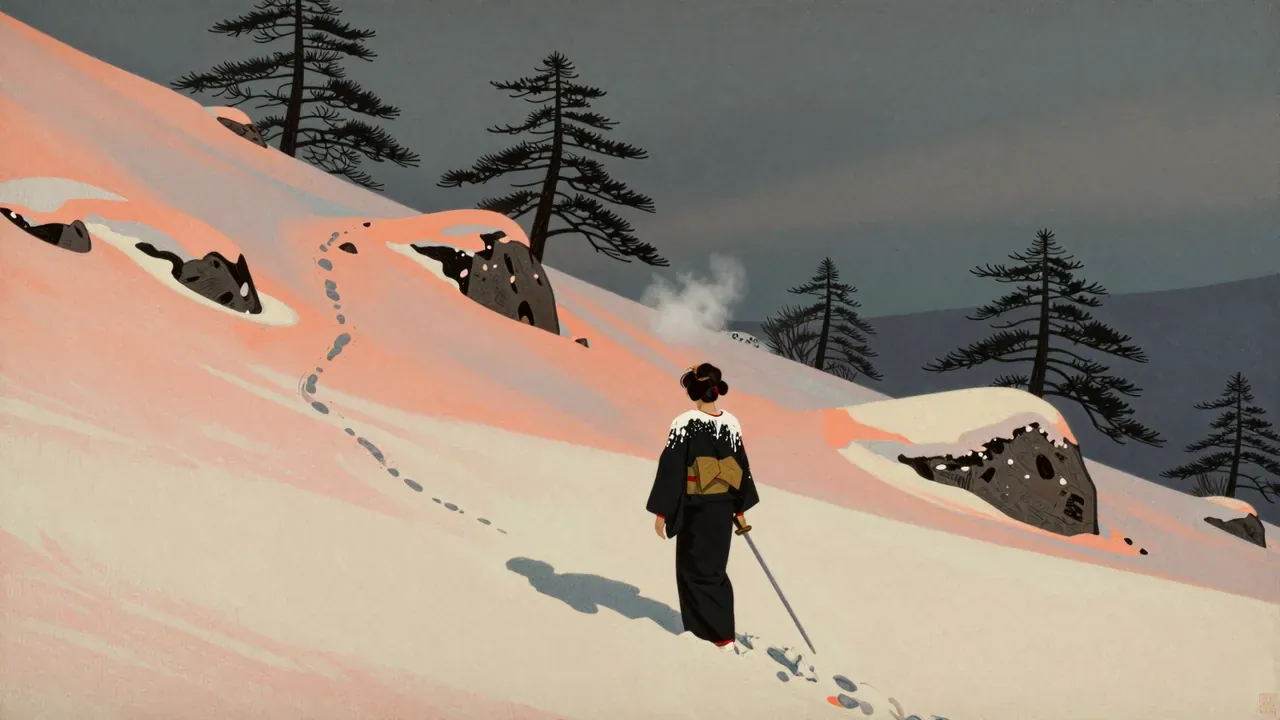
Lady Snowblood (1973), directed by Toshiya Fujita and starring Meiko Kaji, is a tightly constructed jidaigeki thriller adapted from Kazuo Kamimura’s manga. It follows Yuki, raised in prison and trained as an assassin to avenge her mother’s rape and her brother’s murder. Structured in fractured chronology, the film uses stark cinematography, minimal dialogue, and deliberate pacing to render vengeance as inherited obligation rather than personal release. Its influence on later works — notably Kill Bill — is undeniable, but its own power lies in austerity, not homage.
13:00

Lady Snowblood: Love Song of Vengeance

Toshiya Fujita · 1974

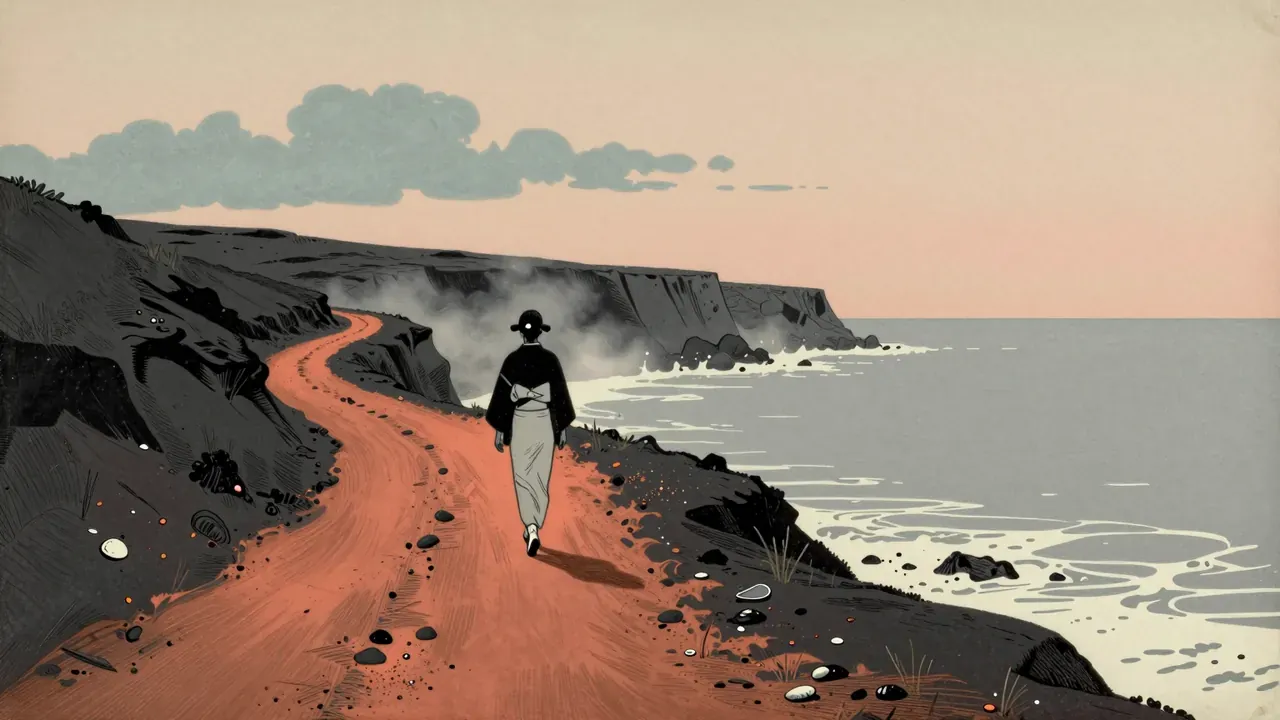
Lady Snowblood: Love Song of Vengeance (1974), directed by Toshiya Fujita, is the second film in the Lady Snowblood series — but a deliberate departure from its manga source and predecessor. Set in late-Meiji Japan, it follows Yuki Kashima (Meiko Kaji) as she infiltrates the household of anarchist Ransui Tokunaga (Jūzō Itami) under orders from the Secret Police. With restrained performances, muted cinematography by Tatsuo Suzuki and Masaki Tamura, and a script that favours implication over exposition, the film explores coercion, ideological uncertainty, and the quiet violence of bureaucratic control. Though structurally uneven and thematically opaque in places, it remains a precise, unsentimental study in moral suspension.

13:00

Tampopo

Jūzō Itami · 1985

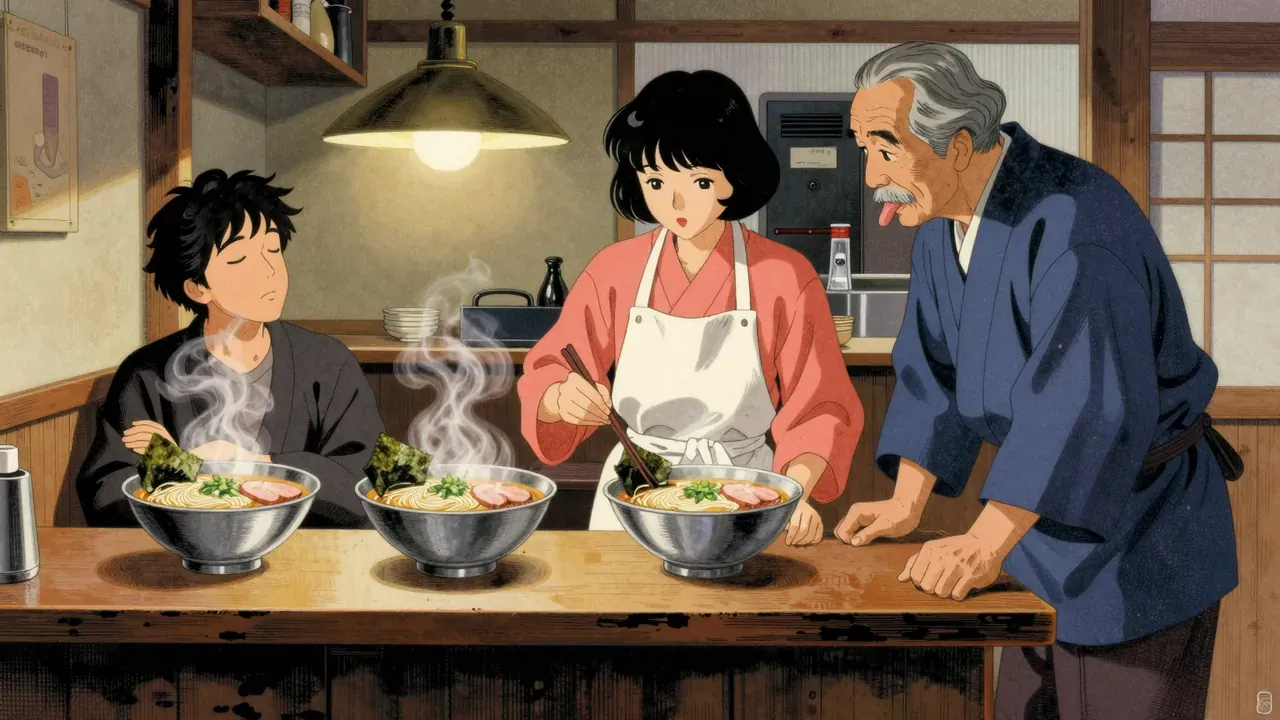
Tampopo (1985), written and directed by Jūzō Itami, follows a widowed ramen-shop owner mentored by a trucker in her quest for culinary excellence. Framed as a 'noodle western', it interweaves this central story with vignettes exploring food, class, and desire across 1980s Tokyo. Shot on location with natural light by Masaki Tamura and edited by Akira Suzuki, it favours observation over exposition, craft over climax, and quiet resonance over narrative resolution.

13:00

Thirst for Love

Koreyoshi Kurahara · 1967

Koreyoshi Kurahara’s 1967 Thirst for Love, adapted from Yukio Mishima’s novel, follows a young widow’s entanglement with her wealthy father-in-law in a meticulously restrained Japanese domestic setting. Starring Ruriko Asaoka and Nobuo Nakamura, it uses abrupt editing, strategic colour, and near-silence to render psychological disintegration without exposition. The film prioritises atmosphere over explanation, formal control over catharsis, and inherited power over individual agency.