filmbriefs
Cinematographer · 1952

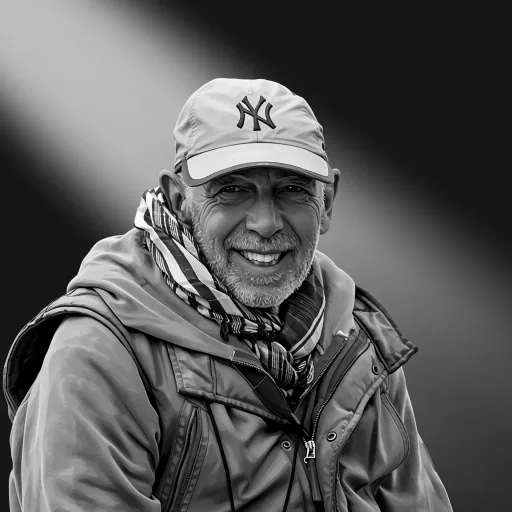
Stuart Dryburgh

4
briefs
13:00
average
52 min
in total
On film.briefs4
13:00

An Angel at My Table

Jane Campion · 1990

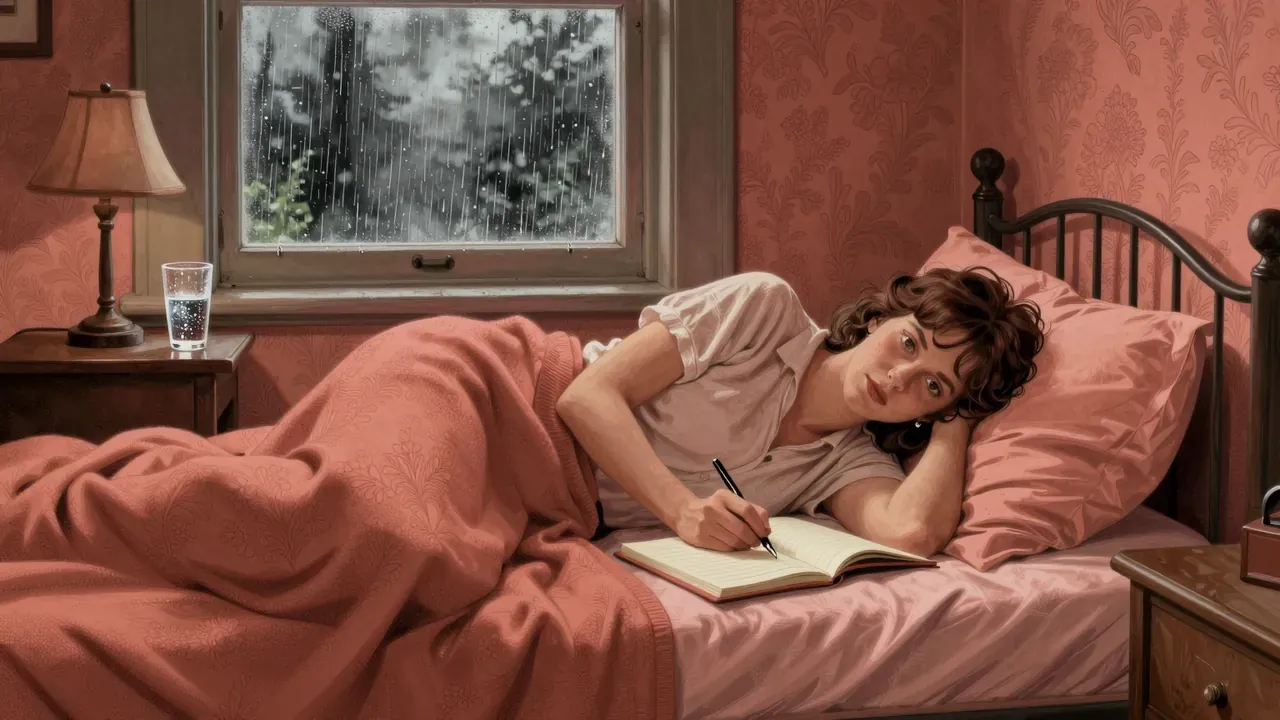
Jane Campion’s 1990 film adapts Janet Frame’s three autobiographies into a restrained, chronologically grounded portrait of a New Zealand writer whose voice was nearly erased by misdiagnosis and institutionalisation. Kerry Fox leads a layered performance across Frame’s life stages, supported by Stuart Dryburgh’s muted cinematography and Veronika Jenet’s unhurried editing. It avoids biopic cliché, focusing instead on the quiet labour of self-reclamation through language.
13:00

Lone Star

John Sayles · 1996

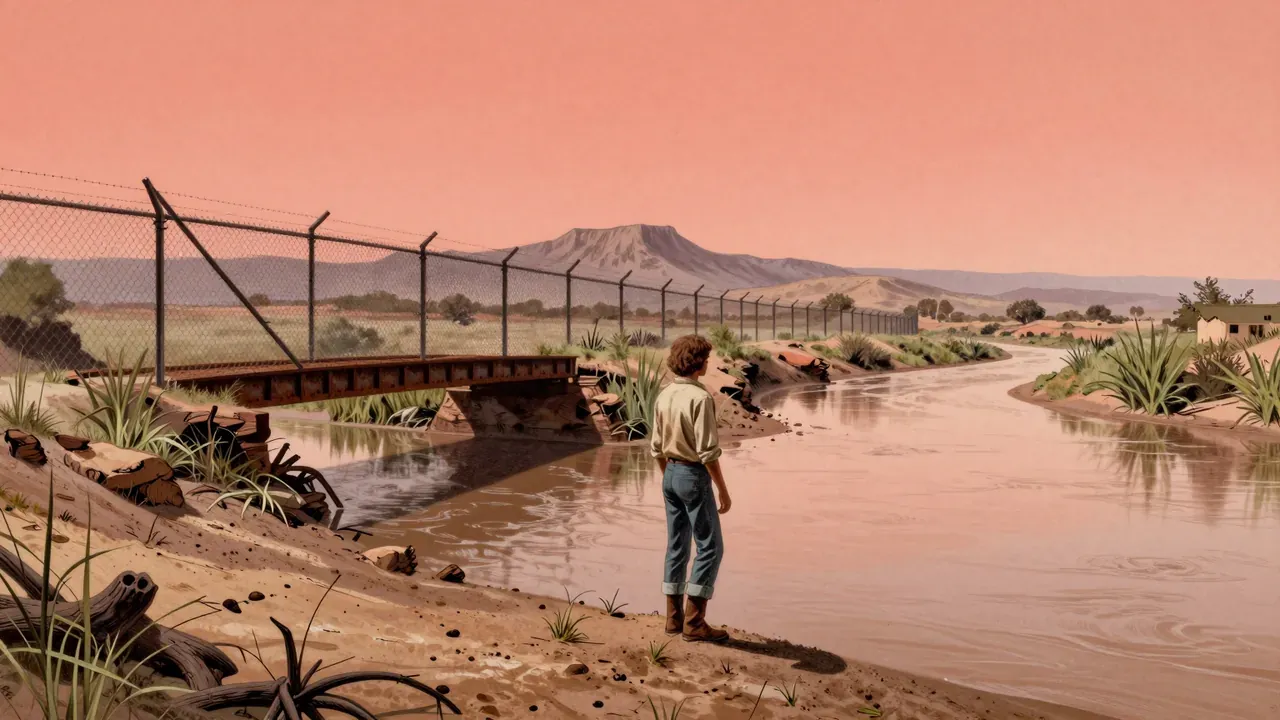
Set in a South Texas border town, Lone Star follows Sheriff Sam Deeds as he investigates the decades-old murder of his corrupt predecessor — and uncovers uncomfortable truths about his revered father, his estranged lover, and the town’s foundational myths. Written, directed and edited by John Sayles, the film layers past and present through seamless camera movements, treating crime not as genre but as entry point into questions of race, memory, and inherited guilt.

13:00

Blackhat

Michael Mann · 2015

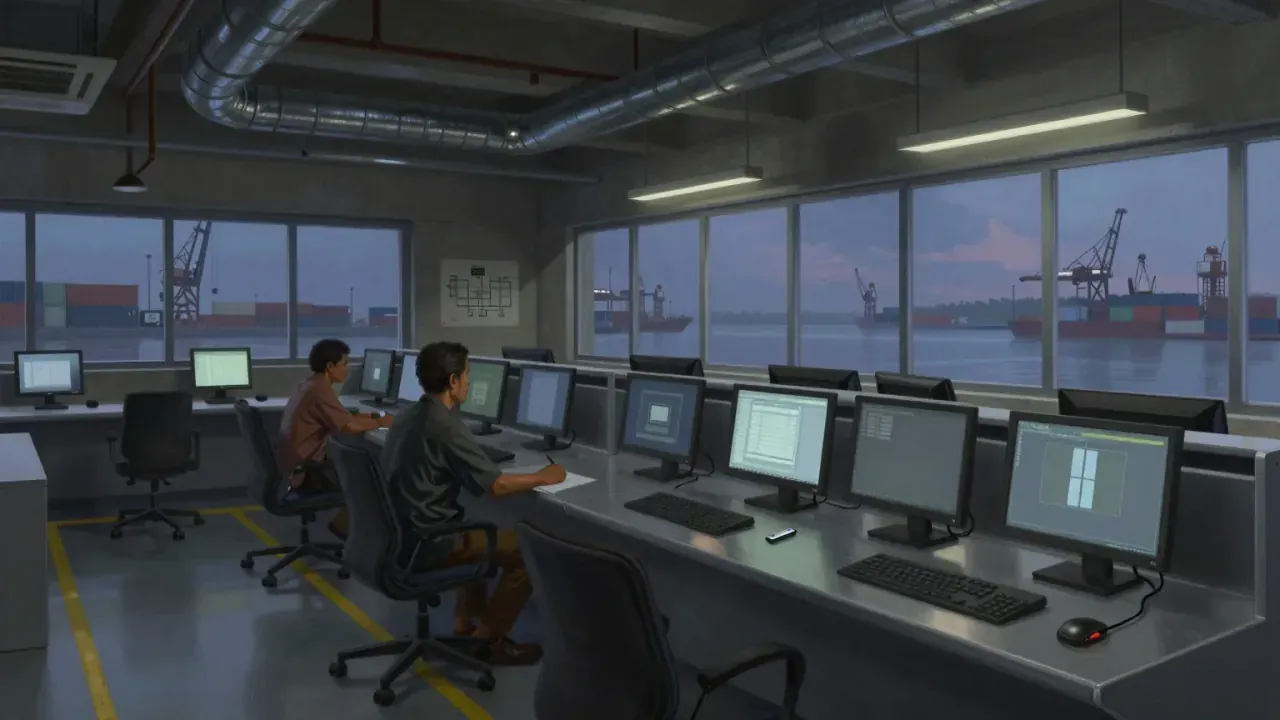
Michael Mann’s 2015 thriller Blackhat follows a convicted hacker released to track a global cyberattack spanning nuclear plants, ports, and financial markets. Shot entirely digitally across Los Angeles, Hong Kong, Jakarta, and Kuala Lumpur, it prioritises procedural realism and atmospheric tension over conventional plotting or emotional exposition. Though critically divided and commercially unsuccessful, it stands as a formally rigorous, thematically coherent attempt to render networked threat as physical, geopolitical, and human-scaled.

13:00

The Piano

Jane Campion · 1993

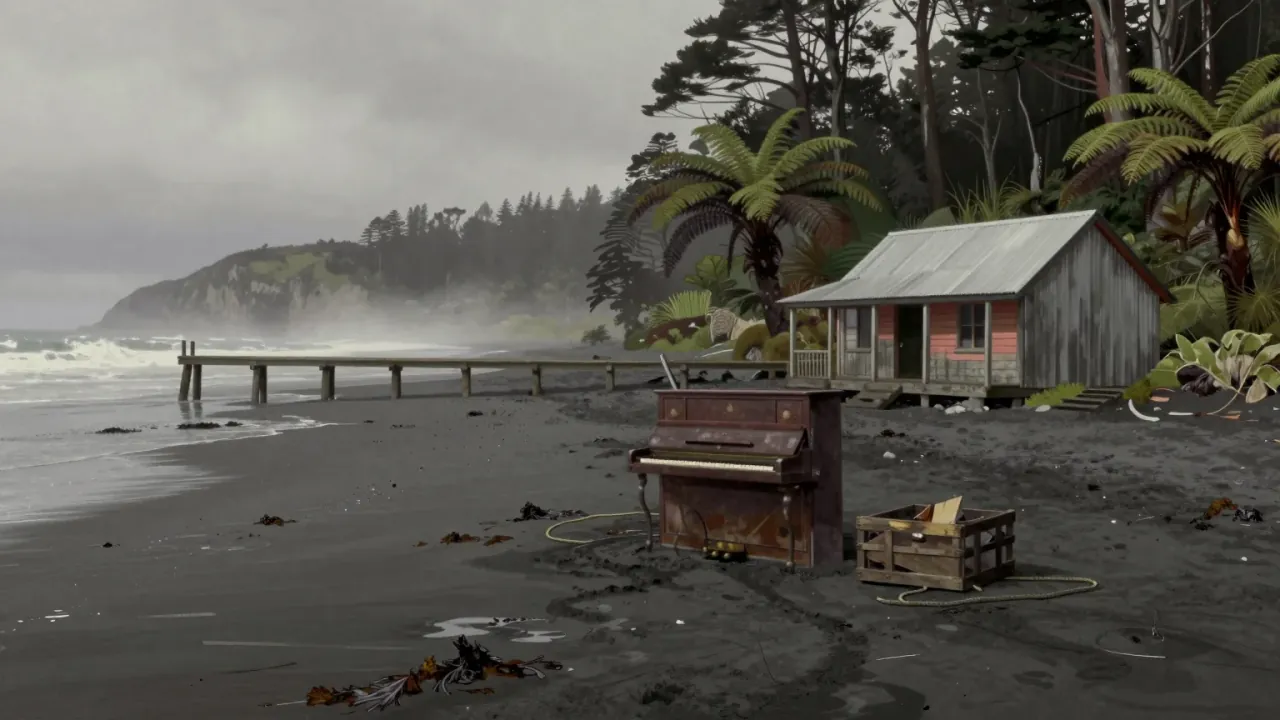
Jane Campion’s 1993 drama follows Ada McGrath, a mute Scottish woman who travels to colonial New Zealand for an arranged marriage, carrying only her daughter and a piano. When her instrument is abandoned on the beach, she negotiates its return with a neighbouring settler — a transaction that unravels into desire, betrayal, violence, and self-reclamation. Anchored by Holly Hunter’s physically exacting performance and Michael Nyman’s insistent score, the film renders interiority through gesture, sound, and resistance rather than speech.