Saved
Actor · Screenwriter · Director · 1933–2005

Sergio Citti

4
briefs
13:00
average
52 min
in total
On film.briefs4
13:00

Accattone

Pier Paolo Pasolini · 1961

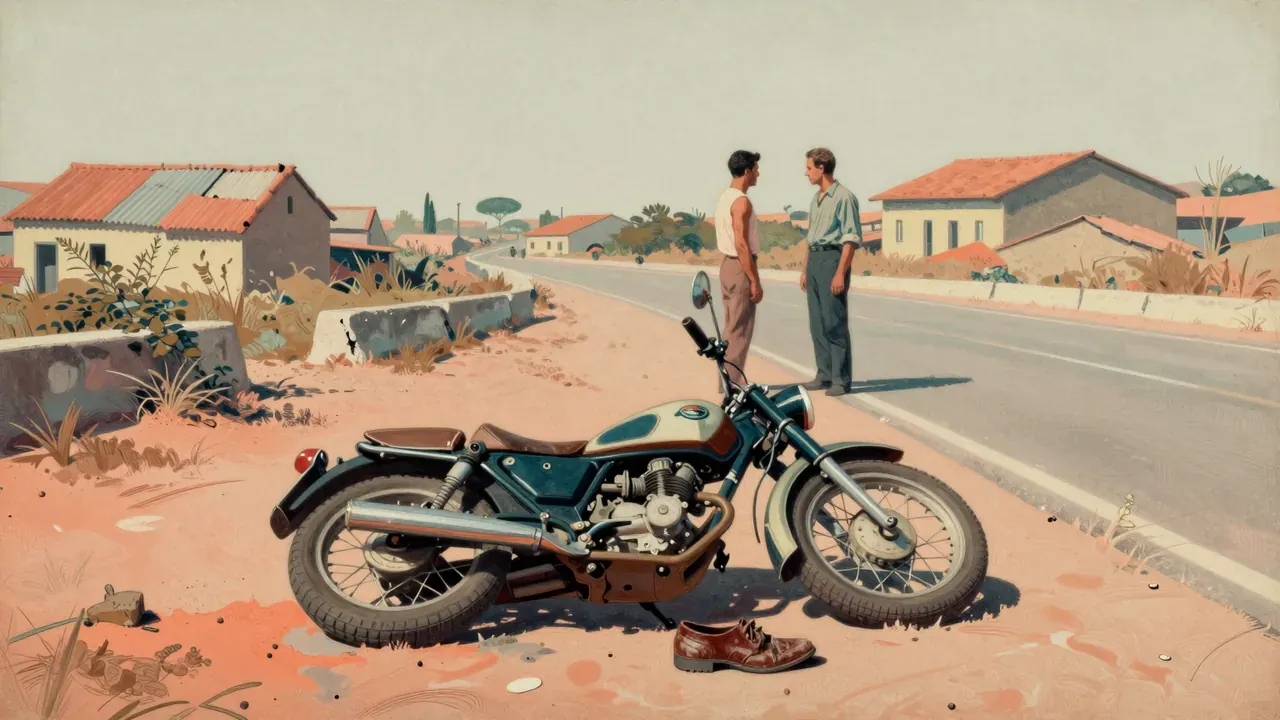
Pasolini’s 1961 debut follows Accattone, a Roman pimp adrift in the borgate, as he slides from exploitation to theft to death. Shot in stark black-and-white with non-professional actors and scored to Bach, it treats poverty not as condition to be solved but as reality to be held in view — unflinching, unexplained, and utterly devoid of sentiment.
13:00

La commare secca

Bernardo Bertolucci · 1962

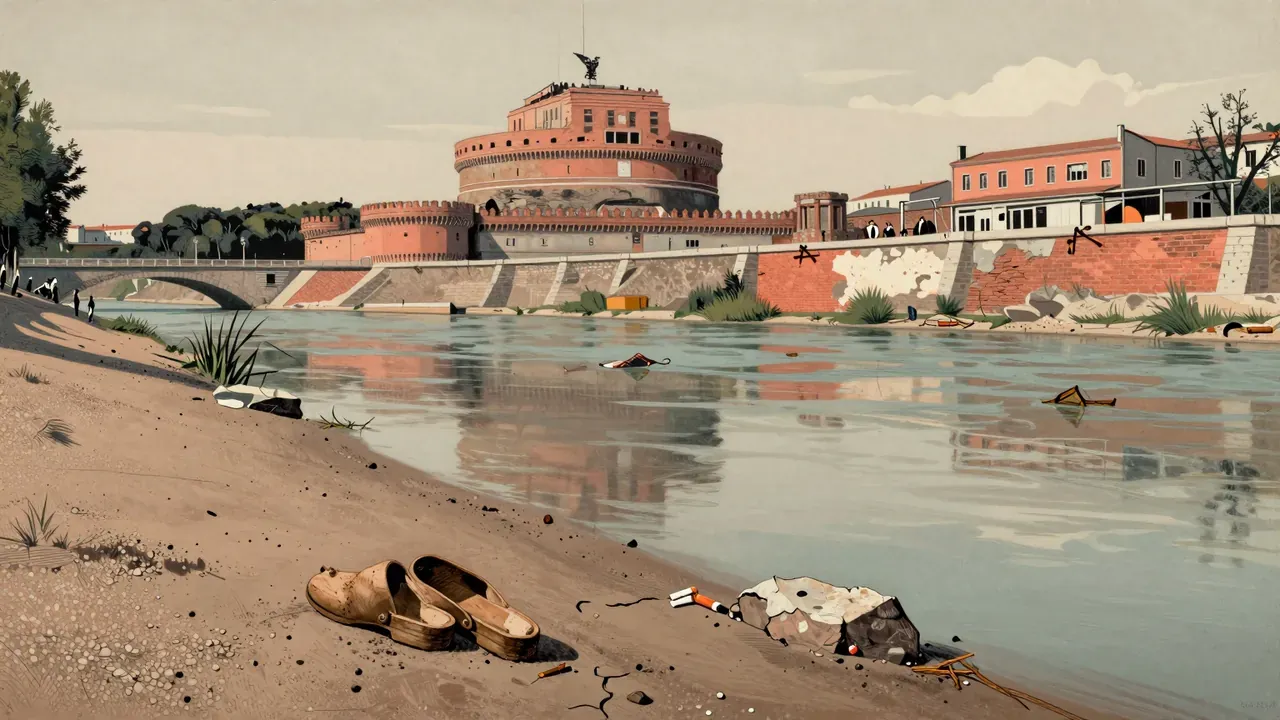
La commare secca (1962) is Bernardo Bertolucci’s first feature, a formally rigorous Italian drama based on a Pier Paolo Pasolini story. Structured around seven contradictory police testimonies concerning the murder of a Rome prostitute, it uses repetition, weather and setting—not psychology or suspense—to expose class, gender and aspiration in post-war marginality. Shot by Giovanni Narzisi, edited by Nino Baragli and scored by Piero Piccioni, it is a debut marked by discipline, austerity and social observation.

13:00

Pigsty

Pier Paolo Pasolini, Sergio Citti · 1969

Pigsty is a 1969 dual-narrative allegory co-directed by Pier Paolo Pasolini and Sergio Citti. One strand follows a mute, cannibalistic youth on Mount Etna around 1500; the other traces Julian, a listless German industrialist’s son who retreats into a pigsty in 1967. Shot in Italy and Germany with stark cinematography and near-silent editing, the film draws a structural parallel between premodern violence and postwar consumer fascism — not through argument, but through relentless, unrelieved juxtaposition.

13:00

Salò, or the 120 Days of Sodom

Pier Paolo Pasolini · 1975

Pasolini’s final film transposes de Sade’s novel to Mussolini’s puppet republic in 1944, depicting four fascist libertines who subject eighteen teenagers to escalating physical, sexual and psychological violation over four months. Structured like Dante’s Inferno and shot with forensic restraint by Tonino Delli Colli, it treats cruelty as bureaucracy and the body as commodity. Its themes — power, nihilism, fascism, consumerism — are rendered without ornament or release. Controversial on release and banned in several countries, it remains a demanding, unflinching inquiry into authority unmoored from consequence.