filmbriefs
Actor · Director · Screenwriter · 1933

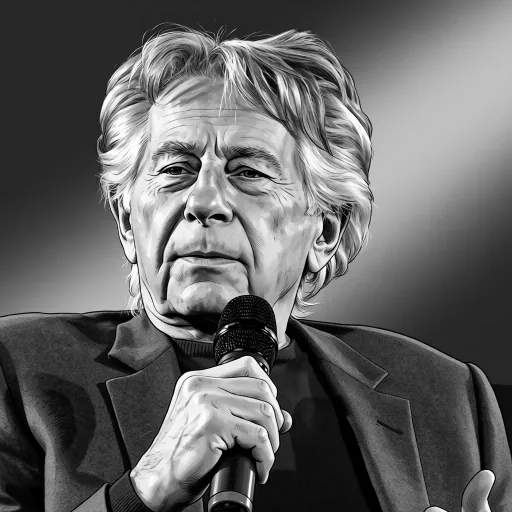
Roman Polanski

9
briefs
13:00
average
117 min
in total
On film.briefs9
13:00

A Generation

Andrzej Wajda · 1955

Andrzej Wajda’s 1955 debut A Generation follows two young men in Nazi-occupied Warsaw as they move from alienation to resistance within a communist underground cell. Shot on location in Wola with natural light and unvarnished performances, it grounds political commitment in workshop routines, shared silences, and the physical texture of daily survival. Though ideologically specific and formally austere, its power lies in its restraint — in what it shows, not what it tells.
13:00

Blood for Dracula

Paul Morrissey, Antonio Margheriti · 1974

Blood for Dracula (1974) is a co-credited Paul Morrissey–Antonio Margheriti splatter film starring Udo Kier as a dying Count Dracula who travels to pre-Fascist Italy seeking virgin blood, only to find sexual candour, Marxist rhetoric, and aristocratic bankruptcy instead. Shot in France with an English-speaking cast, it uses gothic tropes to dissect legitimacy, scarcity, and ideological exhaustion. Luigi Kuveiller’s underlit cinematography and Claudio Gizzi’s sparse score reinforce its clinical tone. Though released as Andy Warhol’s Dracula, Warhol’s involvement was nominal. The film opened to mixed reviews and remains a singular artefact of 1970s arthouse-horror hybridity.

13:00

Cul-de-sac

Roman Polanski · 1966

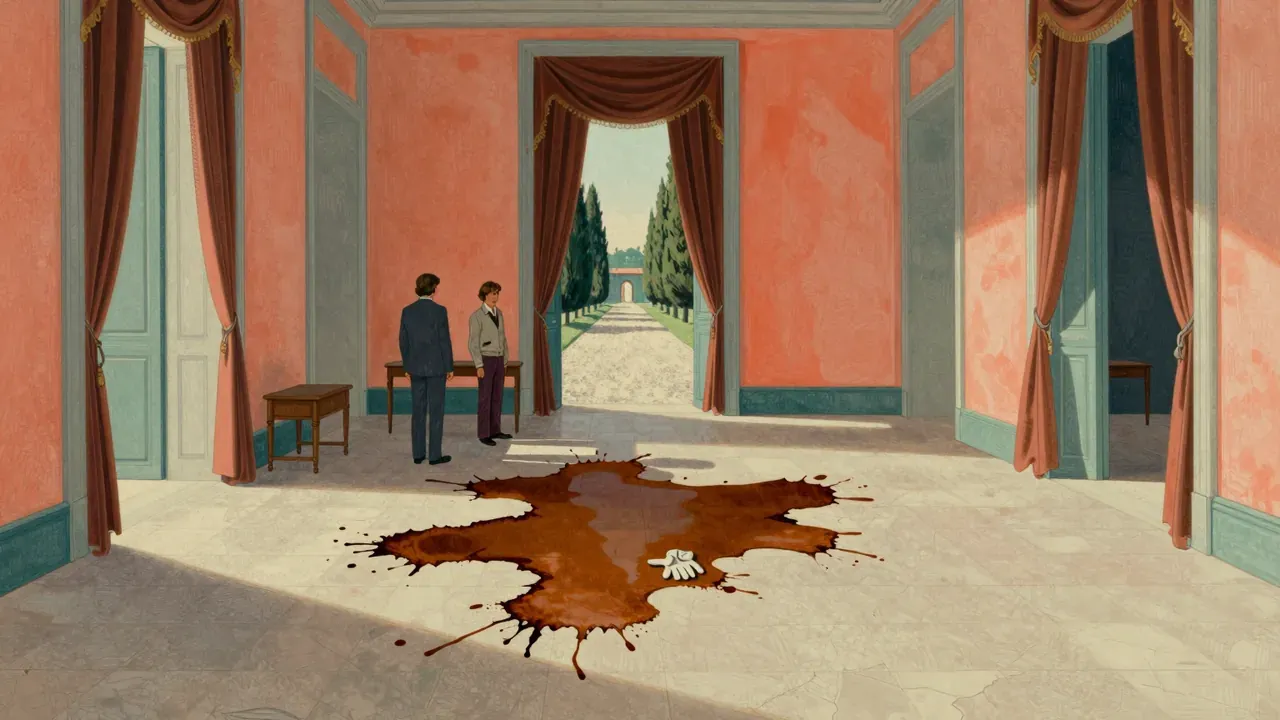
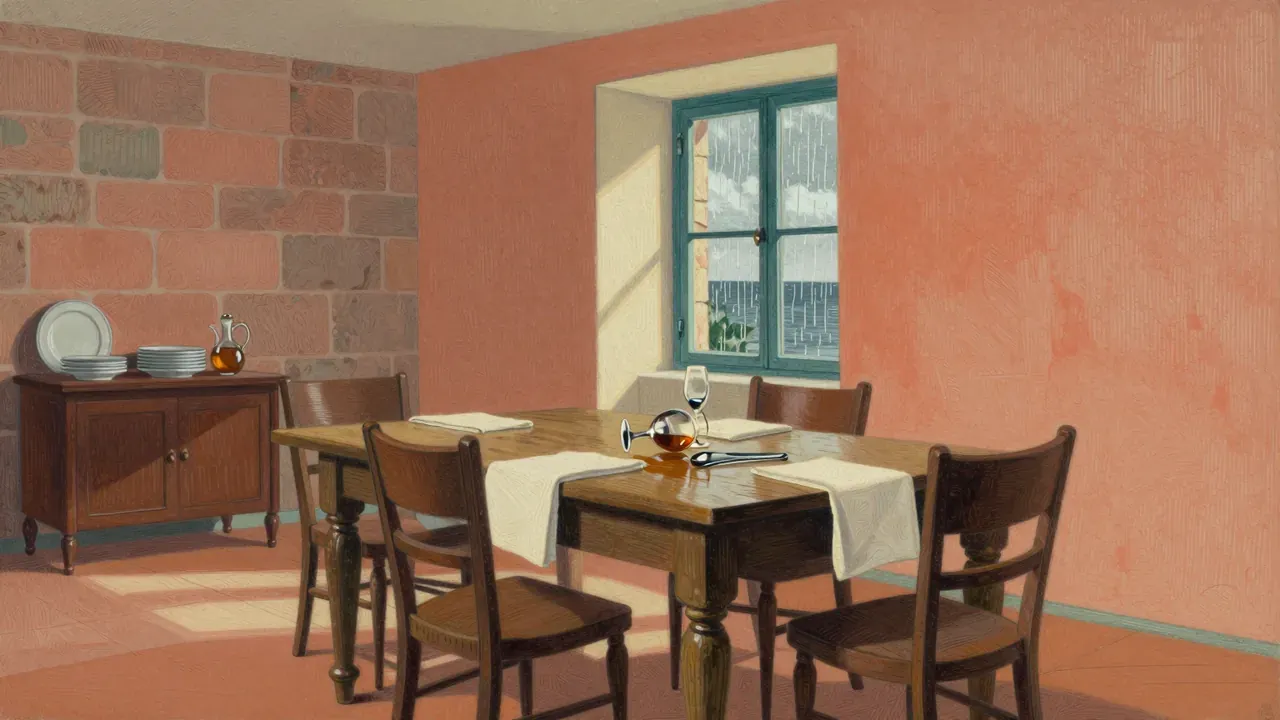
Roman Polanski’s 1966 Cul-de-sac follows two injured American gangsters who take refuge in a remote Northumberland castle owned by a brittle Englishman and his French wife. Trapped by the tide and their own unraveling composure, the four characters enact a series of increasingly absurd rituals — a beachside wake, a forced dinner party, a futile escape attempt — until all pretence collapses. Shot on location at Lindisfarne Castle, the film uses geography, silence, and precise performance to explore alienation, failed masculinity, and the fragility of domestic order. It won the Golden Bear at Berlin in 1966.

13:00

Knife in the Water

Roman Polanski · 1962

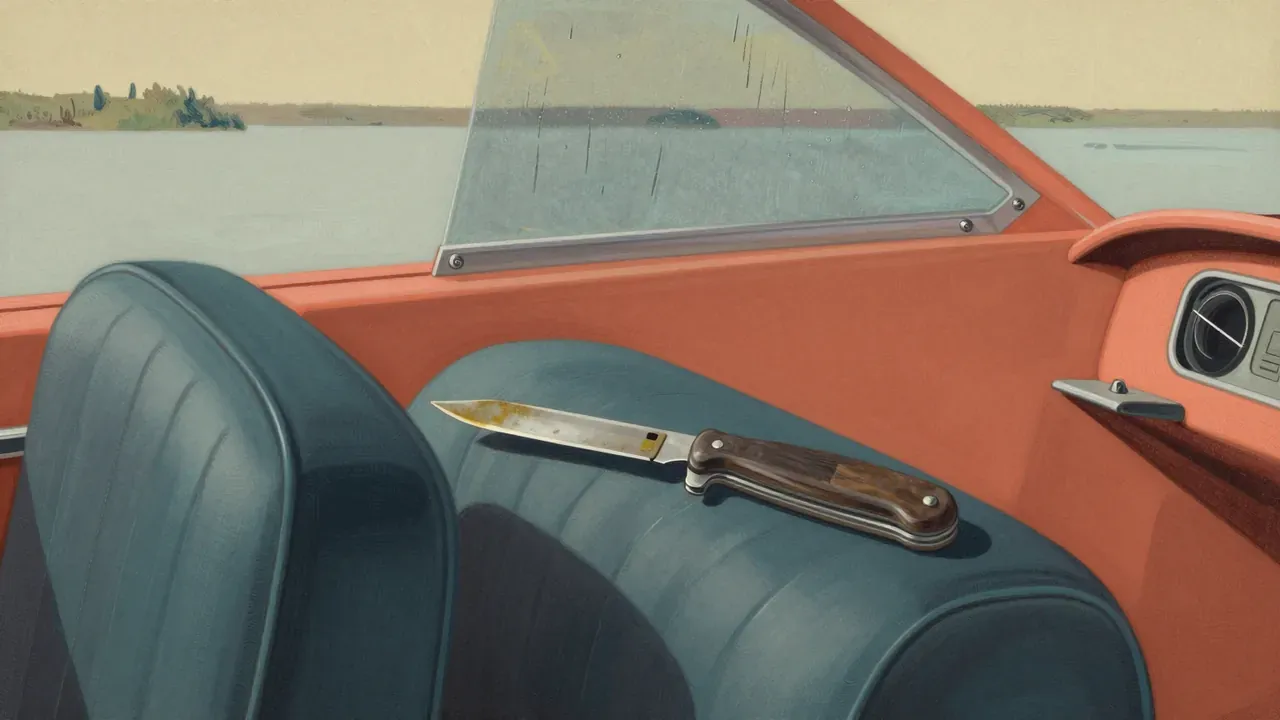
Roman Polanski’s 1962 feature debut Knife in the Water is a tightly controlled Polish drama about a married couple and a young hitchhiker adrift on a sailboat. With no exposition, minimal setting, and three restrained performances, it studies status, silence, and sexual tension through duration and constraint — culminating not in violence or revelation, but in total stasis.

13:00

Macbeth

Roman Polanski · 1971

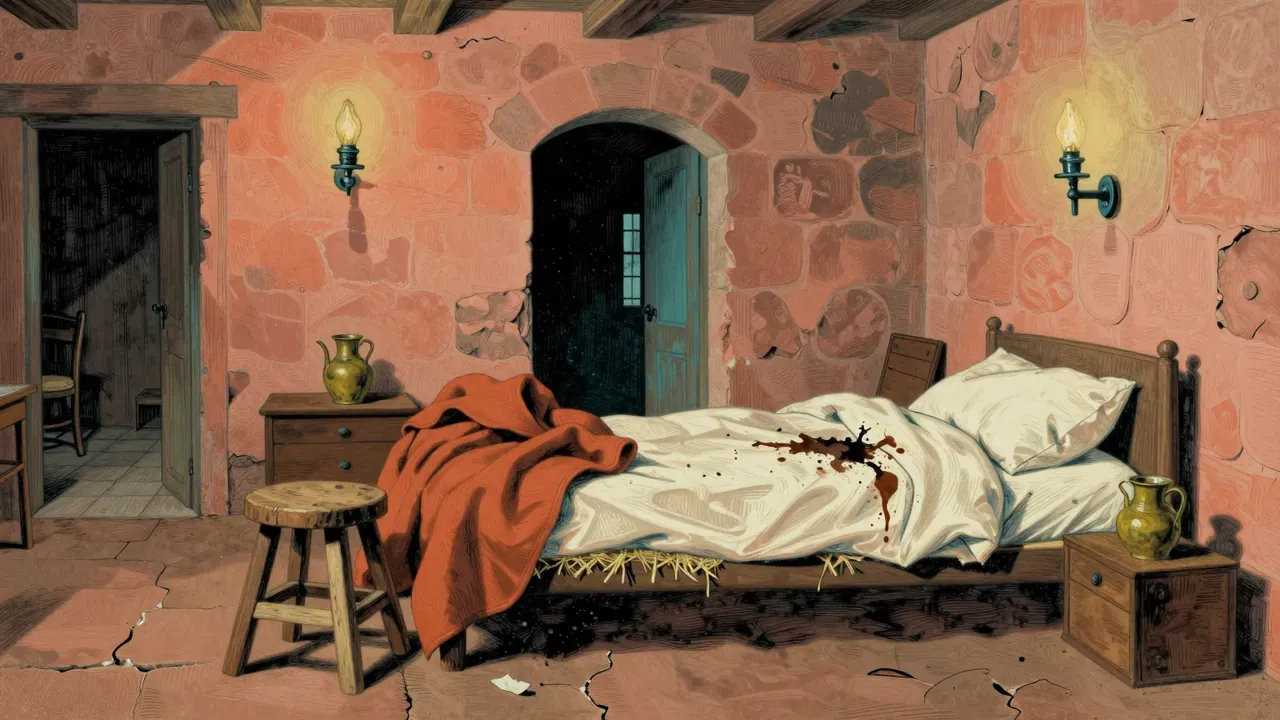
Roman Polanski’s 1971 Macbeth, co-written with Kenneth Tynan and produced by Hugh Hefner, grounds Shakespeare’s tragedy in mud, rain, and psychological realism. Shot across Wales and Northumberland with a young cast — Jon Finch and Francesca Annis as Macbeth and Lady Macbeth — it trades verse for voiceover, spectacle for stamina, and myth for material consequence. Gilbert Taylor’s cinematography and the Third Ear Band’s aleatoric score reinforce its unflinching tone. Though controversial on release for its violence and nudity, it has since been recognised for its formal rigour and thematic severity.

13:00

Repulsion

Roman Polanski · 1965

Roman Polanski’s 1965 psychological horror follows Carol Ledoux, a withdrawn Belgian manicurist in London, as she descends into acute dissociation while left alone in her sister’s flat. Shot in black and white on a modest budget, the film uses tight framing, amplified diegetic sound, and meticulous pacing to replicate the texture of perceptual collapse — cracks in walls, hands emerging from plaster, time stretching and warping. Catherine Deneuve’s restrained performance anchors a film that refuses exposition, causality, or resolution. It is a study in claustrophobia, not of space alone, but of consciousness under pressure.

13:00

Rosemary's Baby

Roman Polanski · 1968

Roman Polanski’s 1968 adaptation of Ira Levin’s novel follows Mia Farrow as Rosemary Woodhouse, a young wife who suspects her neighbours and husband are conspiring over her pregnancy. Shot with clinical precision by William A. Fraker and edited with unobtrusive rigour, the film sustains tension through accumulation — not revelation. Its power lies in what remains unsaid, unconfirmed, and unchallenged: a portrait of gaslighting as architecture, paranoia as logic, and horror as domestic routine.

13:00

Tess

Roman Polanski · 1979

Roman Polanski’s 1979 Tess adapts Thomas Hardy’s novel with rigorous visual fidelity and unhurried pacing. Shot in northern France by Ghislain Cloquet and the late Geoffrey Unsworth, it renders late-Victorian rural life as a system of material constraint, not romantic backdrop. Nastassja Kinski’s restrained performance anchors a film that prizes texture over exposition, endurance over agency, and consequence over catharsis. It won three Academy Awards — for cinematography, costume design, and production design — and remains Polanski’s most formally controlled, morally unvarnished work.

13:00

Chinatown

Roman Polanski · 1974

Chinatown sends Jack Nicholson's private investigator into a municipal water scandal modelled on the early-twentieth-century disputes that built Los Angeles, opposite Faye Dunaway and John Huston. Robert Towne's script won the film's only Oscar from eleven nominations, but the ending that gives the film its reputation was Polanski's, forced through over the writer's objections, and it is worth knowing which parts of the film are whose before deciding what the story is actually arguing.