filmbriefs
Director · Screenwriter · Producer · Cinematographer · Editor · 1884–1951

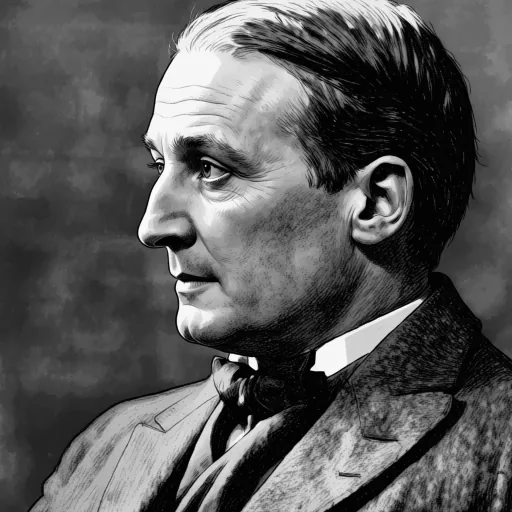
Robert J. Flaherty

4
briefs
13:00
average
52 min
in total
On film.briefs4
13:00

Elephant Boy

Robert J. Flaherty, Zoltan Korda · 1937

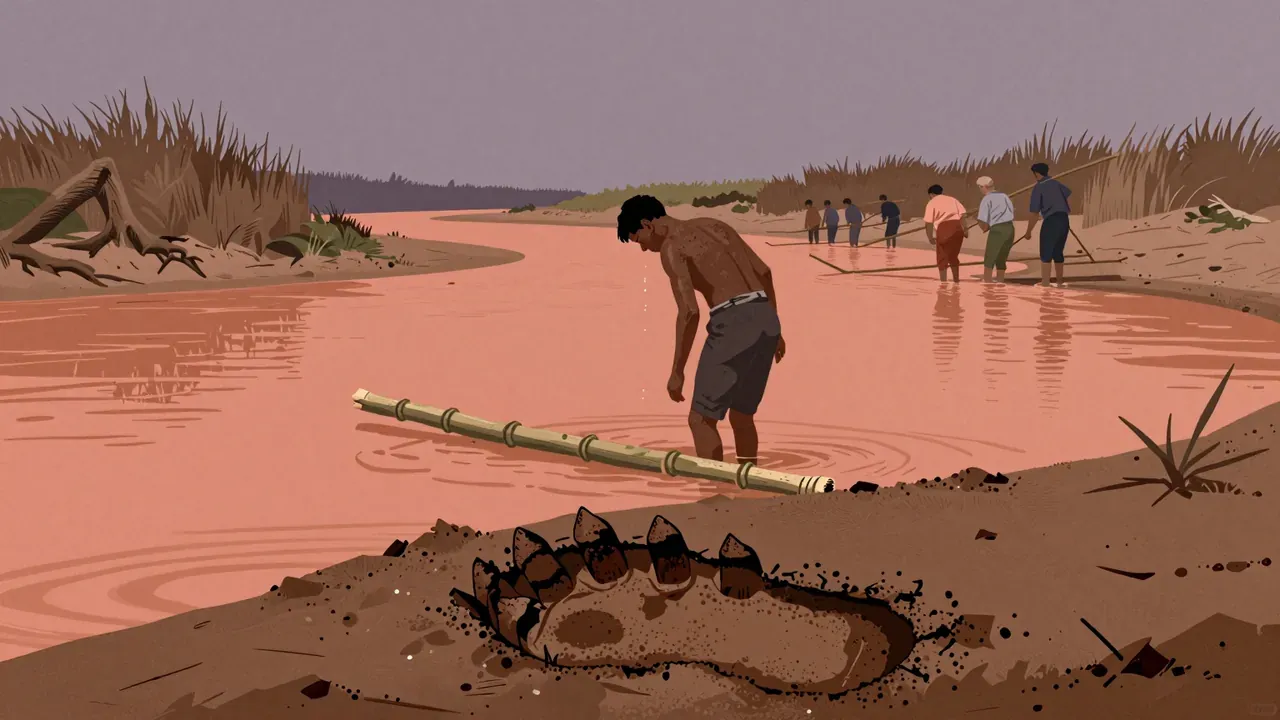
Elephant Boy (1937), directed by Robert J. Flaherty and Zoltan Korda, adapts Kipling’s 'Toomai of the Elephants' with location footage shot in Mysore and studio work at Denham. Twelve-year-old Sabu stars as a boy whose quiet observation of elephants earns him recognition among mahouts. The film balances documentary realism with narrative simplicity, avoiding sensationalism in favour of physical authenticity and restrained craft.
13:00

Louisiana Story

Robert J. Flaherty · 1948

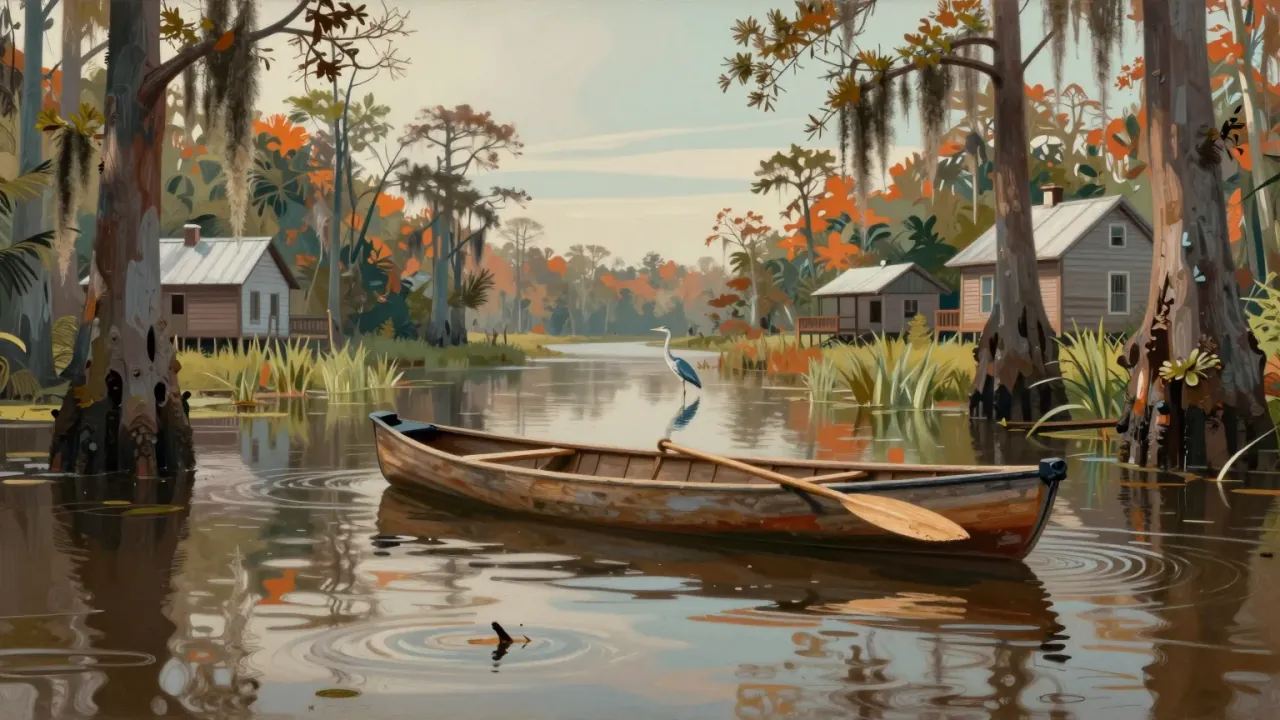
Louisiana Story (1948) is a scripted 'documentary' commissioned by Standard Oil to portray oil drilling in the Louisiana bayous as peaceful and mutually beneficial. Directed by Robert J. Flaherty, it follows a Cajun boy whose life intersects with a drilling crew — a narrative built on visual lyricism, Virgil Thomson’s Pulitzer-winning score, and deliberate omissions. Though celebrated for its aesthetic control and historical significance, it sidesteps industrial impact, corporate identity, and social complexity. It is a masterclass in mediated realism — and a cautionary artefact of documentary ethics.

13:00

Man of Aran

Robert J. Flaherty · 1934

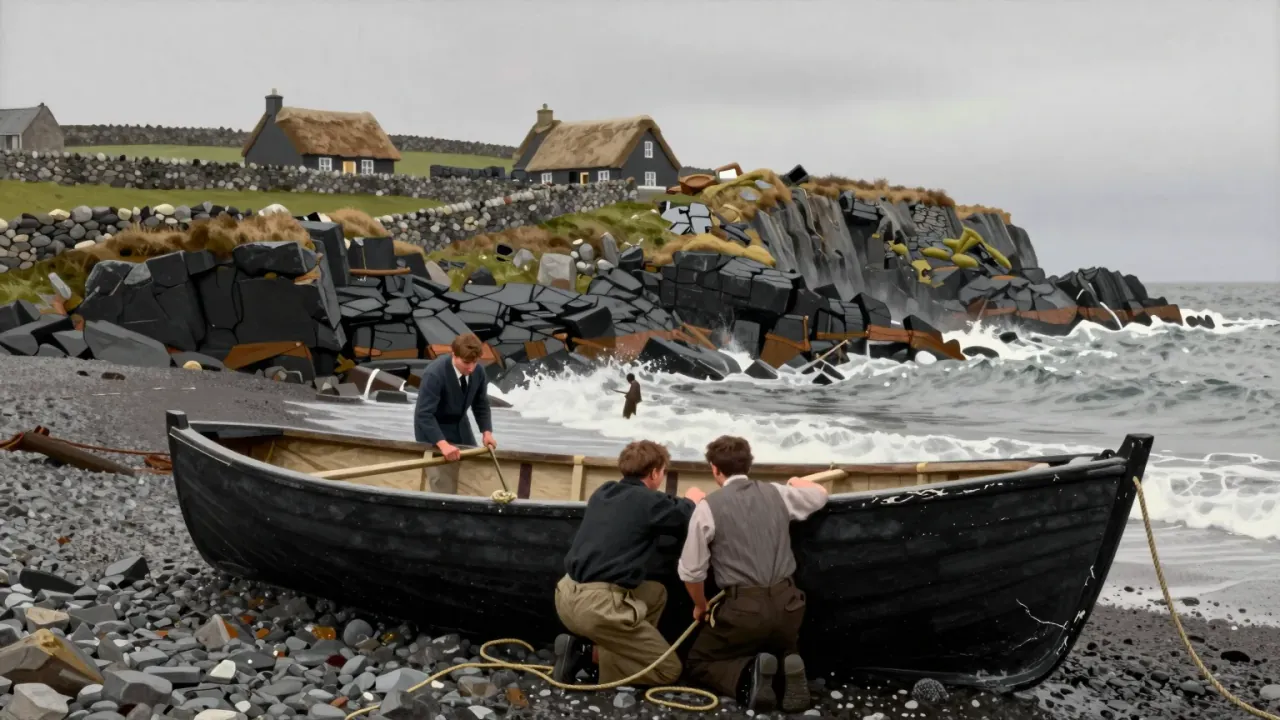
Robert J. Flaherty’s 1934 documentary Man of Aran stages life on Ireland’s Aran Islands as a timeless struggle against sea and stone. Though marketed as ethnography, it fabricates customs — notably basking shark hunting — and assembles non-related islanders as a symbolic family. Shot silently with radical long-lens cinematography and edited for rhythmic intensity, it prioritises visual myth over social reality. Its enduring power lies in formal discipline, not fidelity.

13:00

Nanook of the North

Robert J. Flaherty · 1922

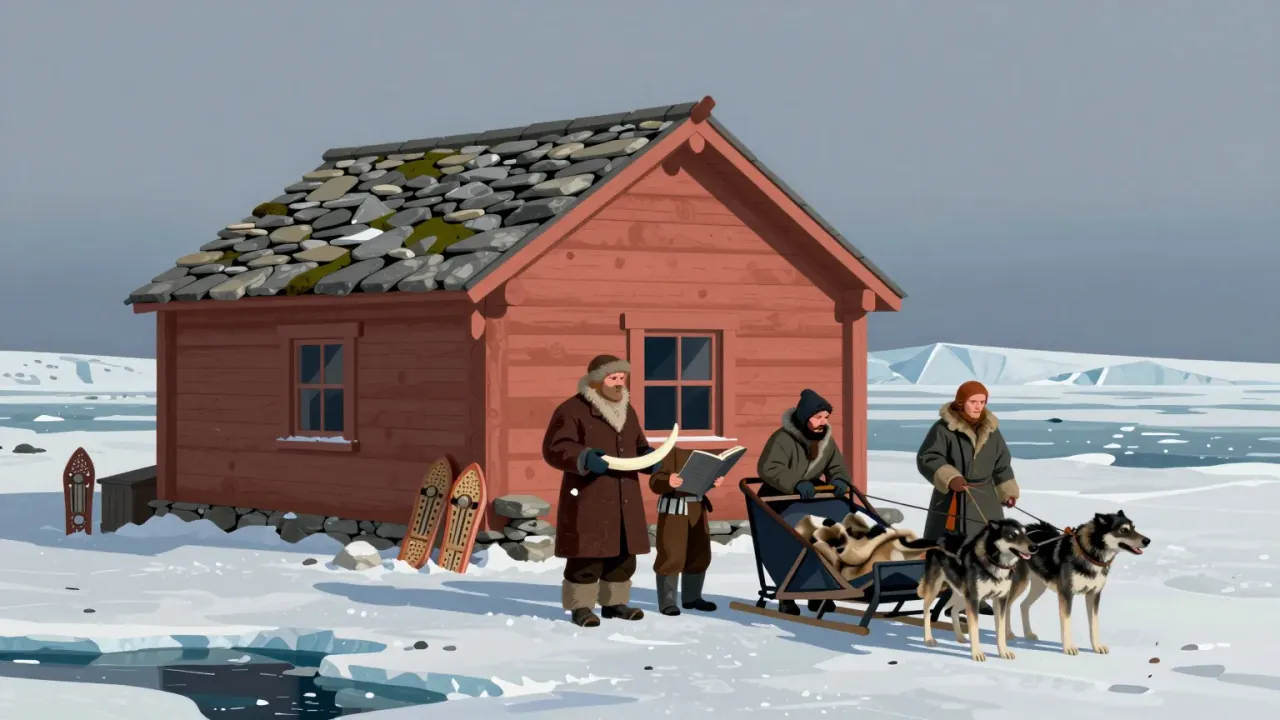
A 1922 silent film directed by Robert J. Flaherty, Nanook of the North follows an Inuk man named Nanook (Allakariallak) and his family in northern Quebec. Shot over fourteen months with one camera and no artificial light, it stages key sequences — including igloo-building and walrus hunting — to render Inuit life visible to southern audiences. Though celebrated as the first commercially successful feature-length documentary, it has been widely critiqued for misrepresenting relationships, omitting colonial context, and romanticising timelessness. Preserved by the Library of Congress in 1989, it remains essential not as ethnography but as a landmark in the ethics and aesthetics of non-fiction cinema.