filmbriefs
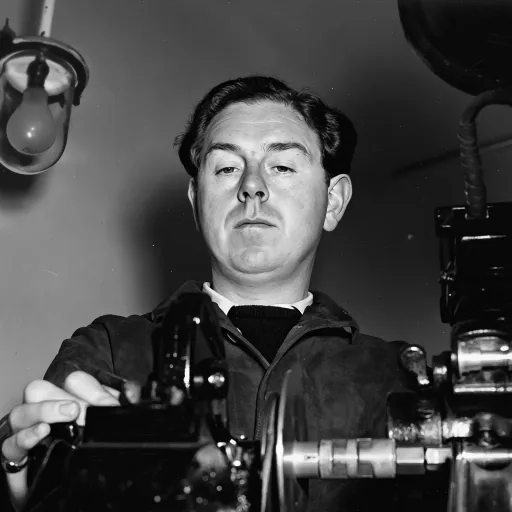
Editor · 1912–1990

Reginald Mills

6
briefs
13:00
average
78 min
in total
On film.briefs6
13:00

Romeo and Juliet

Franco Zeffirelli · 1968

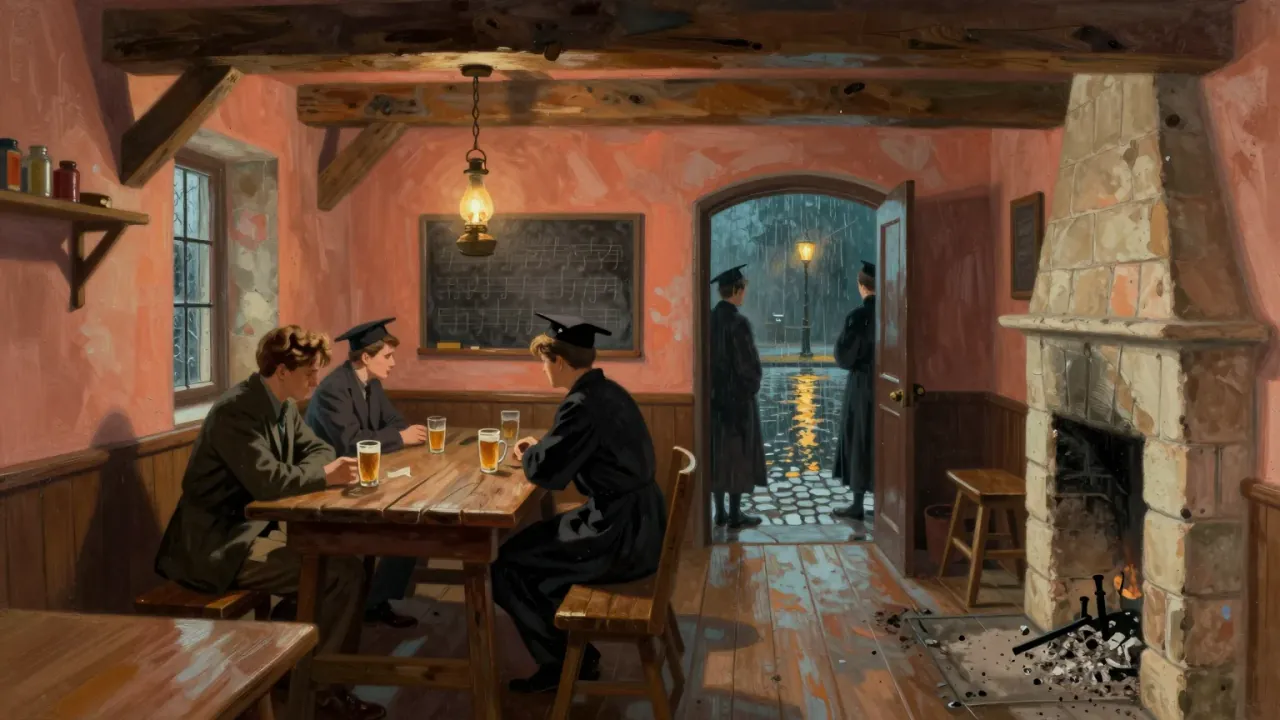
Franco Zeffirelli’s 1968 adaptation casts teenage actors Leonard Whiting and Olivia Hussey as Romeo and Juliet, filming on authentic Italian locations with period-accurate design. Trimmed for emotional directness and shot by Pasqualino De Santis, it prioritises tactile realism over rhetorical flourish. Though structurally simplified and sometimes tonally uneven, its sincerity, craft and commitment to adolescent authenticity have sustained its relevance for over fifty years.
13:00

The Servant

Joseph Losey · 1963

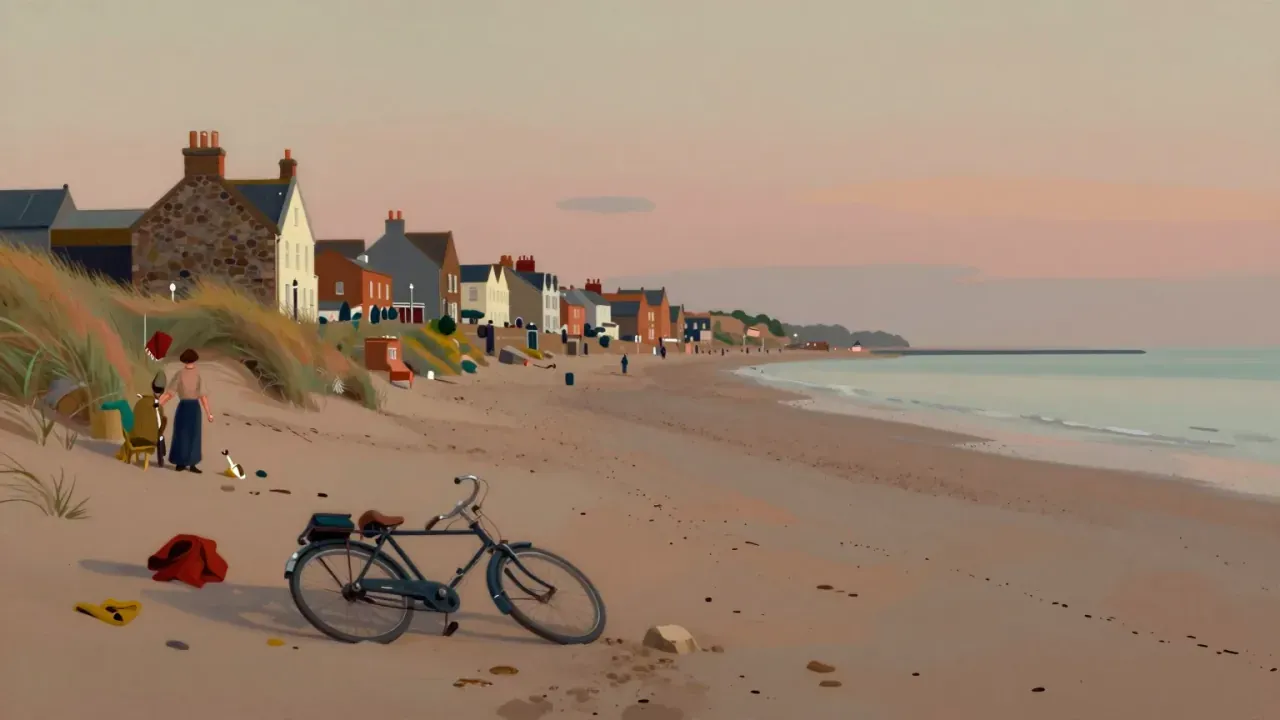
Joseph Losey’s 1963 adaptation of Robin Maugham’s novella, scripted by Harold Pinter, charts the slow, chilling inversion of power between a wealthy Londoner and his manservant. Shot at Elstree Studios by Douglas Slocombe and edited by Reginald Mills, it uses minimal dialogue, precise framing, and psychological tension to dissect British class structures without exposition or judgment.

13:00

The Red Shoes

Emeric Pressburger, Michael Powell · 1948

The Red Shoes (1948) is a British dance drama directed by Powell and Pressburger, following ballerina Victoria Page as she joins a prestigious company, falls in love with a composer, and faces an ultimatum from her domineering director. Built around a fifteen-minute ballet adaptation of the Hans Christian Andersen fairy tale, the film uses saturated Technicolor, disciplined choreography, and a tightly wound narrative to explore the cost of artistic commitment. Moira Shearer stars in her film debut, supported by Anton Walbrook and Marius Goring. Shot largely in Paris and at Pinewood Studios, it won two Academy Awards and remains a landmark of cinematic integration of dance and drama.

13:00

The Tales of Hoffmann

Michael Powell, Emeric Pressburger · 1951

Michael Powell and Emeric Pressburger’s 1951 Technicolor opera film transcribes Offenbach’s score into pure cinematic language—no dialogue, only sung text, stylised movement, symbolic colour and deliberately artificial sets. Framed by Hoffmann’s drunken recollection, three tales (Olympia, Giulietta, Antonia) unfold as tonal variations on obsession, each governed by a dominant hue and choreographed to Sir Thomas Beecham’s conducting. It is less a story about love than a demonstration of how film can function like music: through repetition, contrast, texture and timing.

13:00

A Matter of Life and Death

Michael Powell, Emeric Pressburger · 1946

A Matter of Life and Death (1946) is a British fantasy romance in which an RAF pilot, saved from certain death by a bureaucratic error in the afterlife, must argue for his right to remain on Earth — not on technicality, but on the strength of his love for a woman he met moments after surviving. Directed by Michael Powell and Emeric Pressburger, it uses Technicolor for Earth and a custom 'Dye-Monochrome' process for the celestial realm, staging its metaphysical trial with procedural rigour and emotional precision.

13:00

Black Narcissus

Emeric Pressburger, Michael Powell · 1947

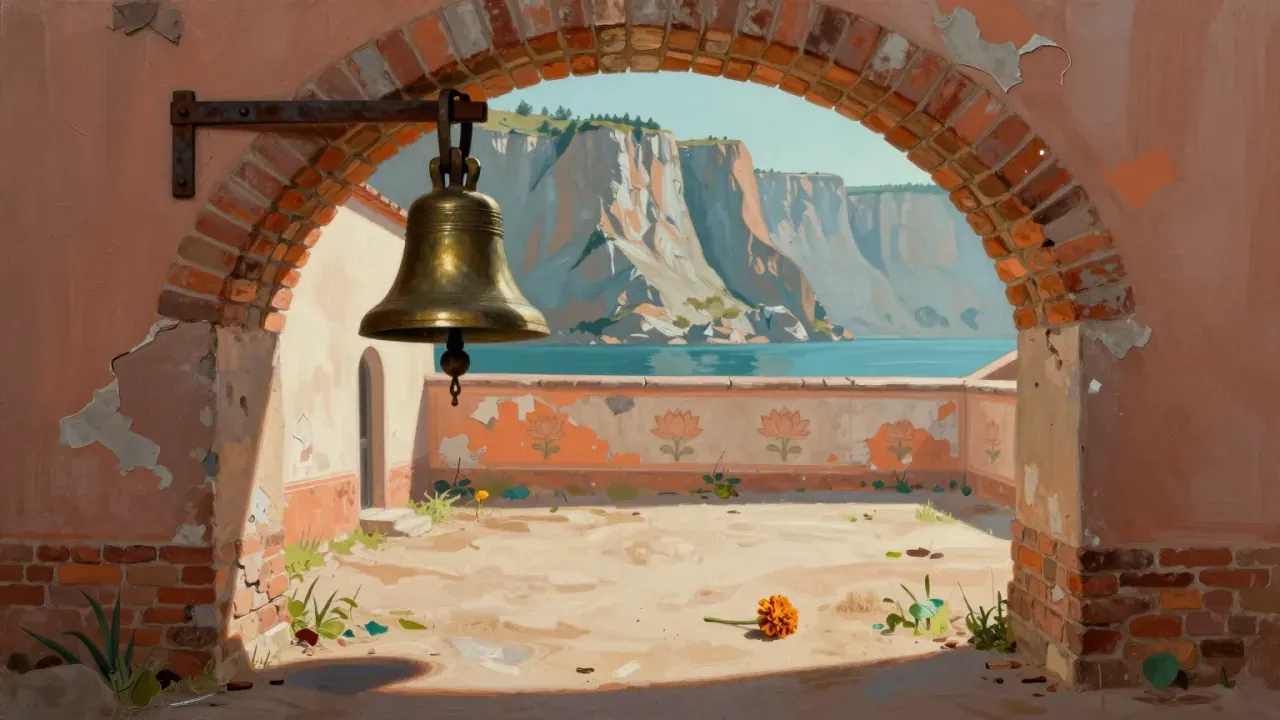
Black Narcissus (1947) is a British psychological drama directed by Michael Powell and Emeric Pressburger, adapted from Rumer Godden’s novel. Set in a remote Himalayan palace converted from a harem, it follows a group of Anglican nuns whose mission unravels under isolation, climate and unspoken desire. Shot almost entirely at Pinewood Studios using matte paintings and expressive Technicolor, it prioritises mood and interiority over realism or cultural specificity. Jack Cardiff’s cinematography won an Academy Award, as did Alfred Junge’s production design. The film remains a landmark of studio craft — formally rigorous, emotionally precise, ethically circumscribed.