Saved
Director · Screenwriter · 1942

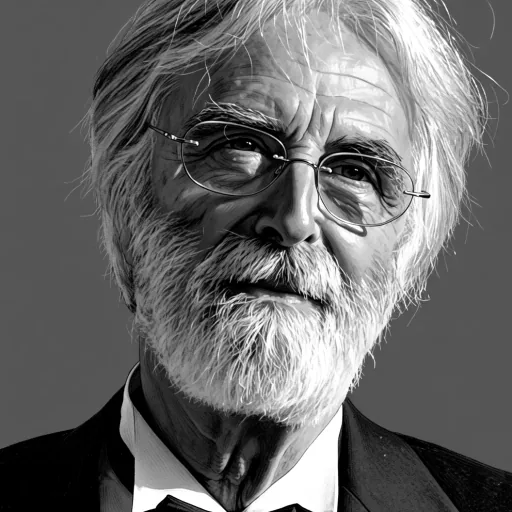
Michael Haneke

6
briefs
13:00
average
78 min
in total
On film.briefs6
13:00

71 Fragments of a Chronology of Chance

Michael Haneke · 1994

Michael Haneke’s 1994 Austrian drama arranges thirty-seven fragmented scenes — intercuts of Viennese lives, real news footage, and black pauses — into a chronology that culminates in a bank shooting. Shot by Christian Berger and edited by Marie Homolkova, it avoids psychology and music, presenting migration, isolation, and mediated violence as systemic conditions rather than personal tragedies. Set in Vienna between October and December 1993, it forms the final part of Haneke’s early trilogy. Winner of the Sitges Film Festival’s Best Feature and Best Screenplay awards, and the Gold Hugo at Chicago.
13:00

Benny's Video

Michael Haneke · 1992

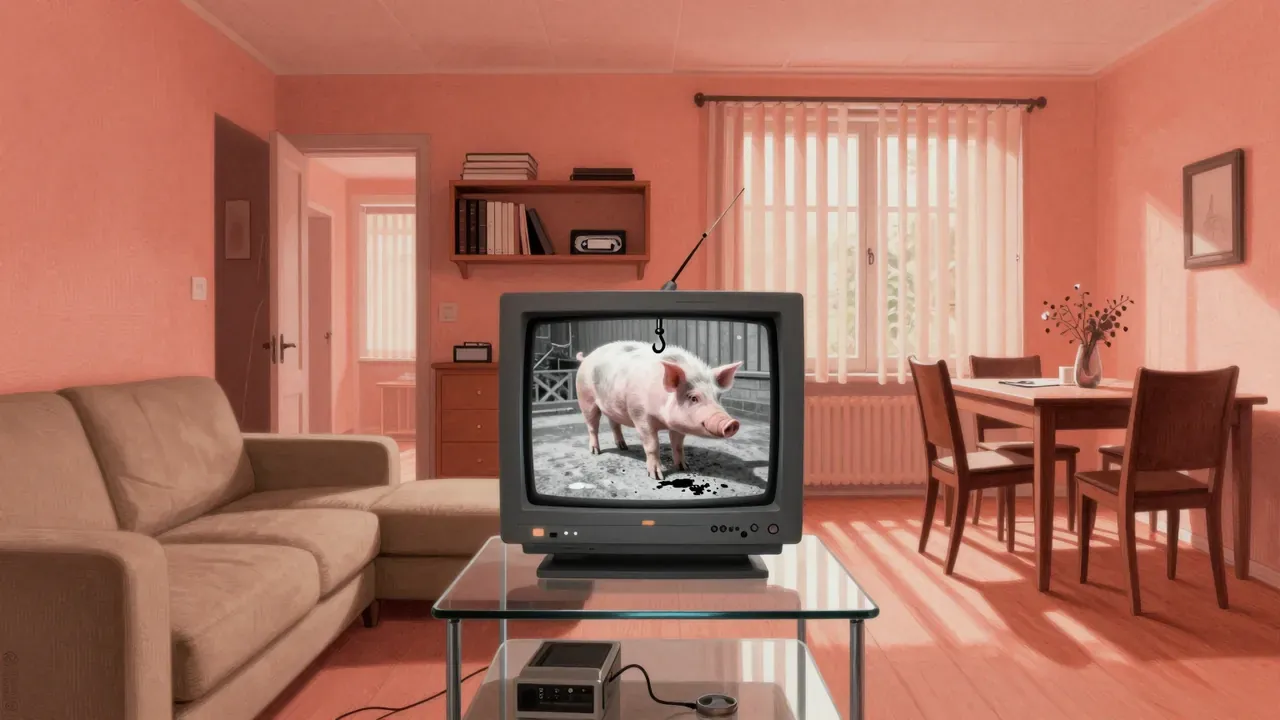
Michael Haneke’s 1992 Austrian horror film follows Benny, a Vienna teenager obsessed with video recording, whose emotionally detached parents enable his fixation. After filming a pig’s slaughter, he invites a girl to his home, kills her on camera, and proceeds with chilling normalcy — cleaning, socialising, travelling — while his parents dispose of the body. The film uses static camerawork, diegetic sound, and layered recordings to dissect how media saturation erodes moral response, treating violence not as rupture but as data.

13:00

Code Unknown

Michael Haneke · 2000

Michael Haneke’s Code Unknown (2000) assembles intersecting lives in Paris, Romania and rural France through unedited long takes and strict perspective shifts. Juliette Binoche plays Anne, an actress whose professional command of emotion contrasts with her passivity amid real suffering — a neighbour’s screaming child, a deported homeless woman, her boyfriend’s war trauma. The film refuses exposition or resolution, using structure itself to examine translation, jurisdiction and silence as political conditions. Shot by Jürgen Jürges and edited by Prochaska, Hartusch and Muse, it sustains discomfort without catharsis.

13:00

Funny Games

Michael Haneke · 1997

Michael Haneke’s 1997 Austrian drama Funny Games uses the skeleton of a home-invasion thriller to dissect how cinema conditions viewers to tolerate, anticipate and even desire violence. With clinical precision, static camerawork and metafictional interruptions, it implicates the spectator in its own brutality — not through gore, but through duration, expectation and refusal.

13:00

The Piano Teacher

Michael Haneke · 2001

Michael Haneke’s 2001 adaptation of Elfriede Jelinek’s novel follows Erika Kohut, a repressed piano professor in Vienna whose rigid control over herself and others unravels when she fixates on a younger student. Starring Isabelle Huppert and shot by Christian Berger, it is a formally austere, emotionally unsparing study of power, class and the body as archive of constraint.

13:00

The Seventh Continent

Michael Haneke · 1989

Michael Haneke’s 1989 debut follows an Austrian family over three years as they live, then methodically erase, their middle-class existence. Using repetition, silence, and clinical precision, the film charts their descent not into madness but into consistency — culminating in a planned, passionless suicide. Its power lies in what it refuses: explanation, empathy, relief.