filmbriefs
Composer · 1921–2006

Malcolm Arnold

4
briefs
13:00
average
52 min
in total
On film.briefs4
13:00

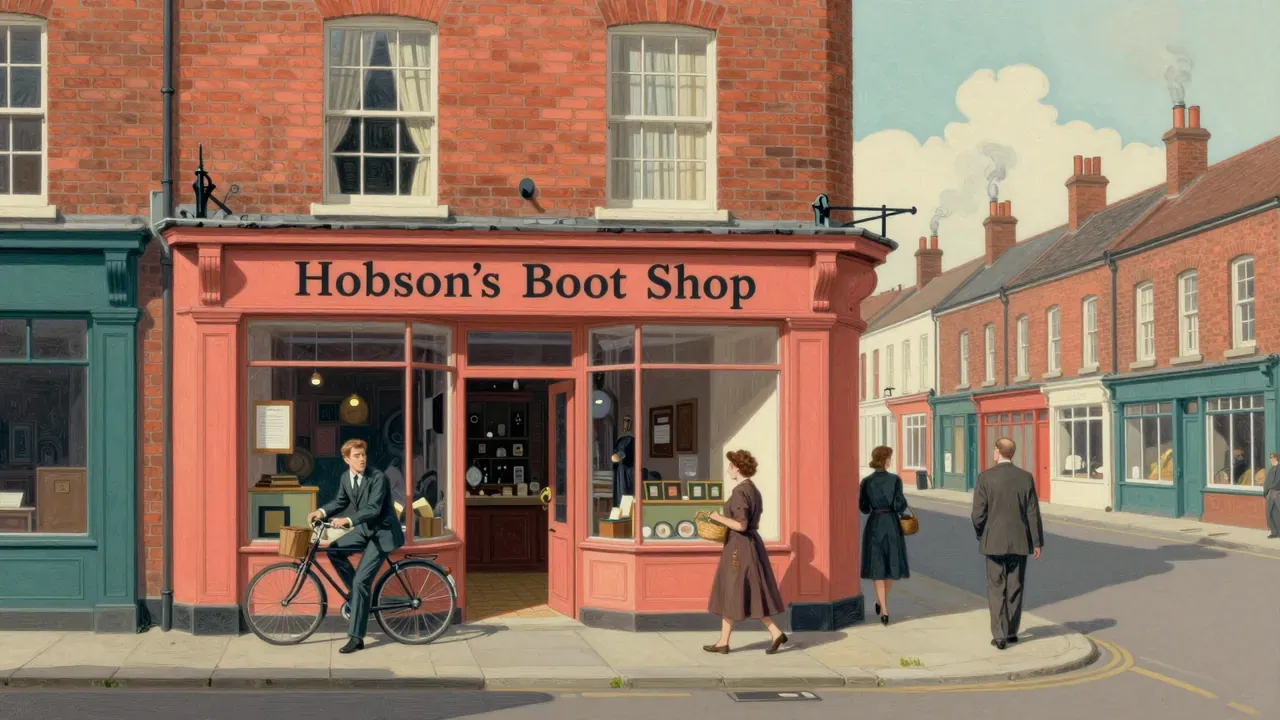
Hobson's Choice

David Lean · 1954

David Lean’s 1954 adaptation of Harold Brighouse’s play follows Maggie Hobson as she marries bootmaker Will Mossop to escape her tyrannical father’s household, then builds a rival business with him in 1880 Salford. Grounded in precise performance and restrained craft, it treats class, literacy, and domestic labour as material forces — not metaphors — and locates dignity in incremental, negotiated change.

13:00

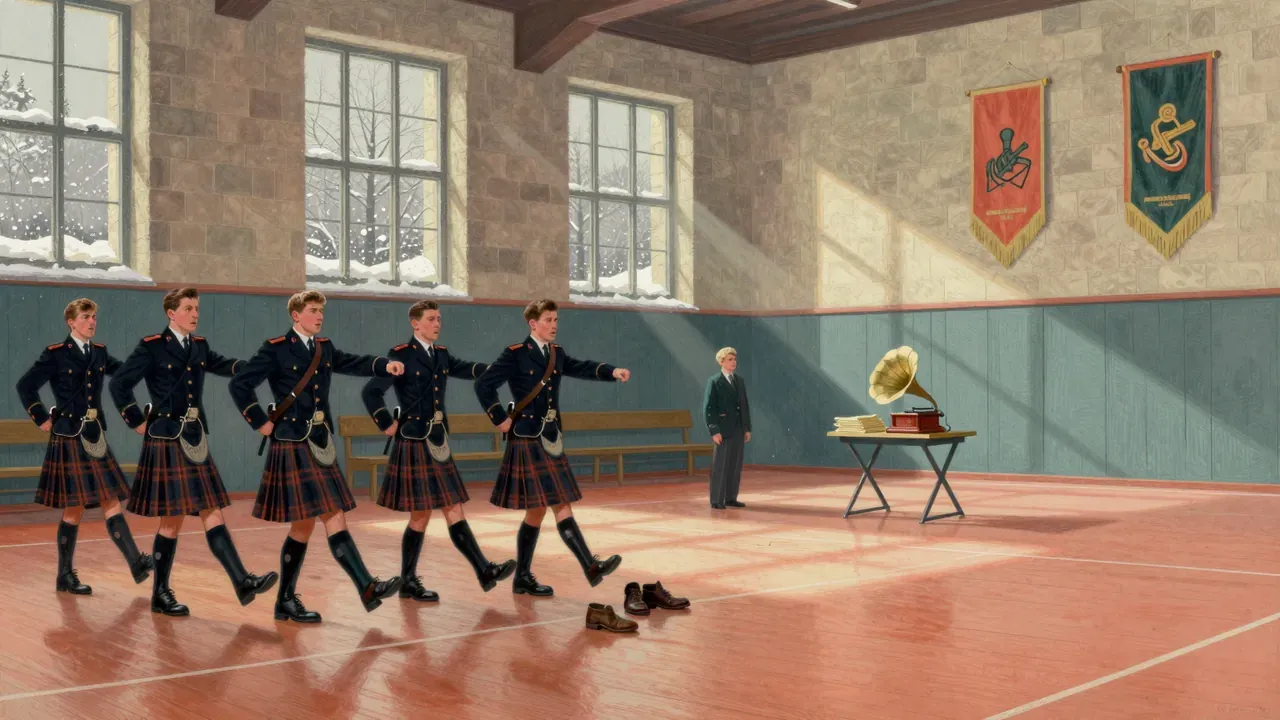
Tunes of Glory

Ronald Neame · 1960

Set in a Highland regimental barracks in January 1948, Tunes of Glory follows the fraught handover of command from battle-hardened Lieutenant-Colonel Jock Sinclair to Oxford-educated Colonel Basil Barrow. As Barrow enforces peacetime discipline, Sinclair’s authority unravels, exposing fault lines of class, trauma, and institutional loyalty. Directed by Ronald Neame from James Kennaway’s novel, the film relies on restrained performances, tightly controlled cinematography, and Malcolm Arnold’s austere pipe-led score to build psychological pressure without melodrama.

13:00

The Bridge on the River Kwai

David Lean · 1957

David Lean’s 1957 war drama follows British POWs forced to build a railway bridge for their Japanese captors in Thailand. At its centre is Colonel Nicholson, whose obsession with discipline and engineering excellence leads him to collaborate with the enemy — not out of weakness, but conviction. With Alec Guinness, William Holden and Sessue Hayakawa, it is a tightly wound study of pride, obedience and the porous line between order and complicity.

13:00

The Sound Barrier

David Lean · 1952

David Lean’s 1952 aviation drama follows a British aircraft magnate, his daughter, and two test pilots as they confront the physical and human limits of early jet flight. Written by Terence Rattigan and shot by Jack Hildyard, it balances procedural realism with restrained emotion, using sound, silence, and composition to convey the weight of progress. Though historically imprecise and structurally austere, its power lies in its unwavering focus on consequence over spectacle.