
filmbriefs
Director · Screenwriter · 1941–1996

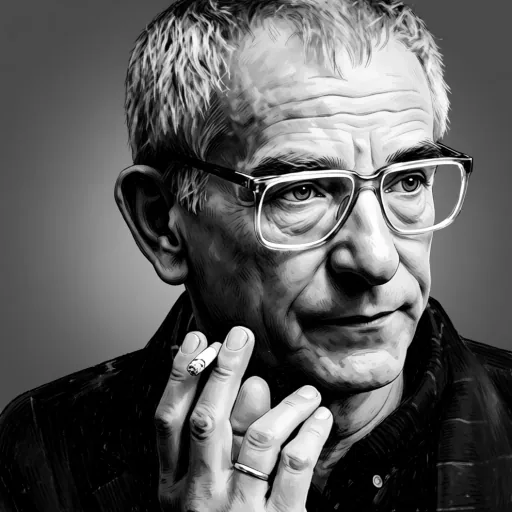
Krzysztof Kieślowski

6
briefs
13:00
average
78 min
in total
On film.briefs6
13:00

Blind Chance

Krzysztof Kieślowski · 1987

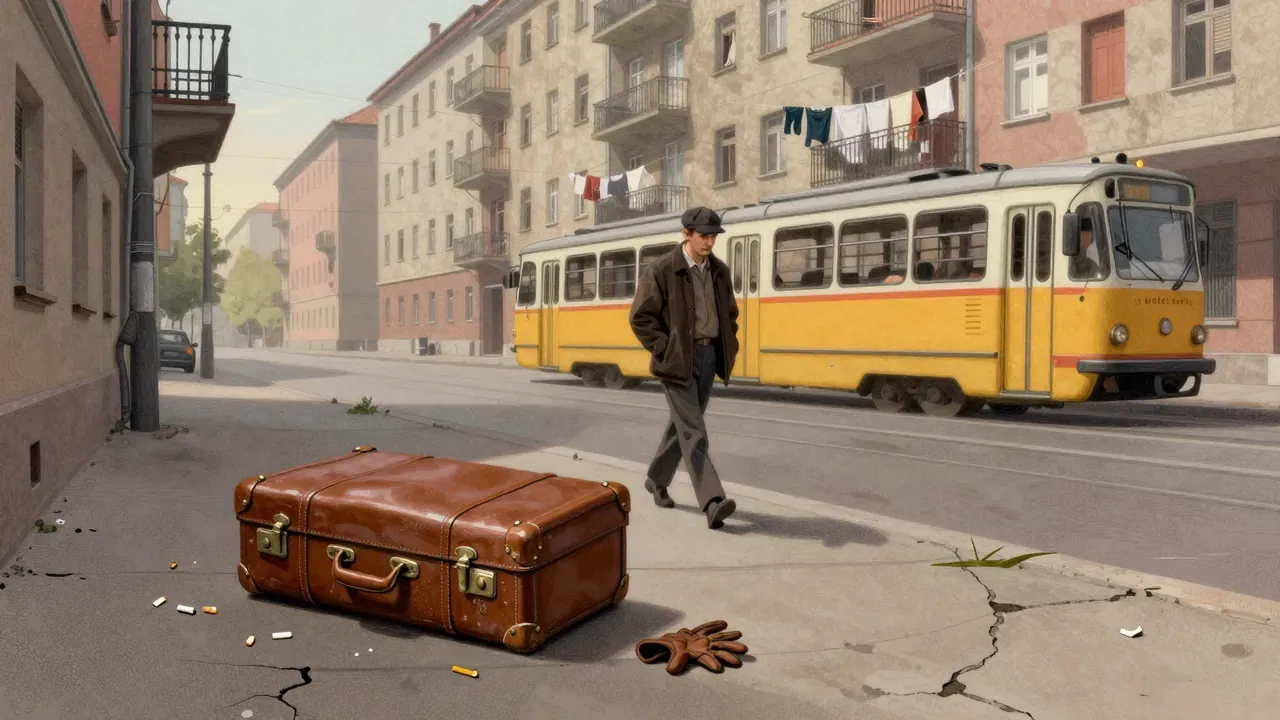
Krzysztof Kieślowski’s 1987 film follows Witek (Bogusław Linda) through three divergent lives, each triggered by how he navigates a single encounter at Łódź Fabryczna station. In one, he joins the Communist Party; in another, he joins the anti-Communist resistance; in the third, he retreats into apolitical domesticity. Shot with procedural restraint by Krzysztof Pakulski and edited with mathematical parity by Elżbieta Kurkowska, the film treats political identity as emergent from physical circumstance — not philosophy, but timing, surface, and sequence.
13:00

Three Colours: Blue

Krzysztof Kieślowski · 1993

Krzysztof Kieślowski’s 1993 drama follows Julie (Juliette Binoche), a woman who attempts total emotional seclusion after losing her husband and daughter. Shot in Paris with deliberate blue tonality and scored by Zbigniew Preisner, the film traces her reluctant return to connection — not as recovery, but as re-embodiment. It is the first part of the Three Colours trilogy, themed on liberty, equality, and fraternity, with Blue interrogating liberty as an internal, not political, state.

13:00

Three Colours: Red

Krzysztof Kieślowski · 1994

Krzysztof Kieślowski’s final film closes the Three Colours trilogy with a precise, unhurried study of connection. A Geneva student and a reclusive retired judge form an unlikely bond, their lives echoing those of others around them — through chance, repetition, and quiet moral choice. Shot by Piotr Sobociński and scored by Zbigniew Preisner, it treats fraternity not as unity but as the slow, uncertain recognition of shared humanity. Universally acclaimed, it remains a benchmark of arthouse discipline: every frame serves its architecture, every silence carries weight.

13:00

Three Colours: White

Krzysztof Kieślowski · 1994

Krzysztof Kieślowski’s 1994 film Three Colours: White follows Polish barber Karol Karol’s fall from Parisian marriage into destitution, then his meticulous, ironic climb back to power in Warsaw — all to restore a sense of equality with the wife who discarded him. Shot by Edward Klosinski, scored by Zbigniew Preisner, and edited by Urszula Lesiak, it uses farce, restraint, and structural repetition to explore how balance is manufactured, not discovered. It is the second film in the Three Colours trilogy, themed on the French Revolutionary ideal of equality.

13:00

The Decalogue

Krzysztof Kieślowski · 1989

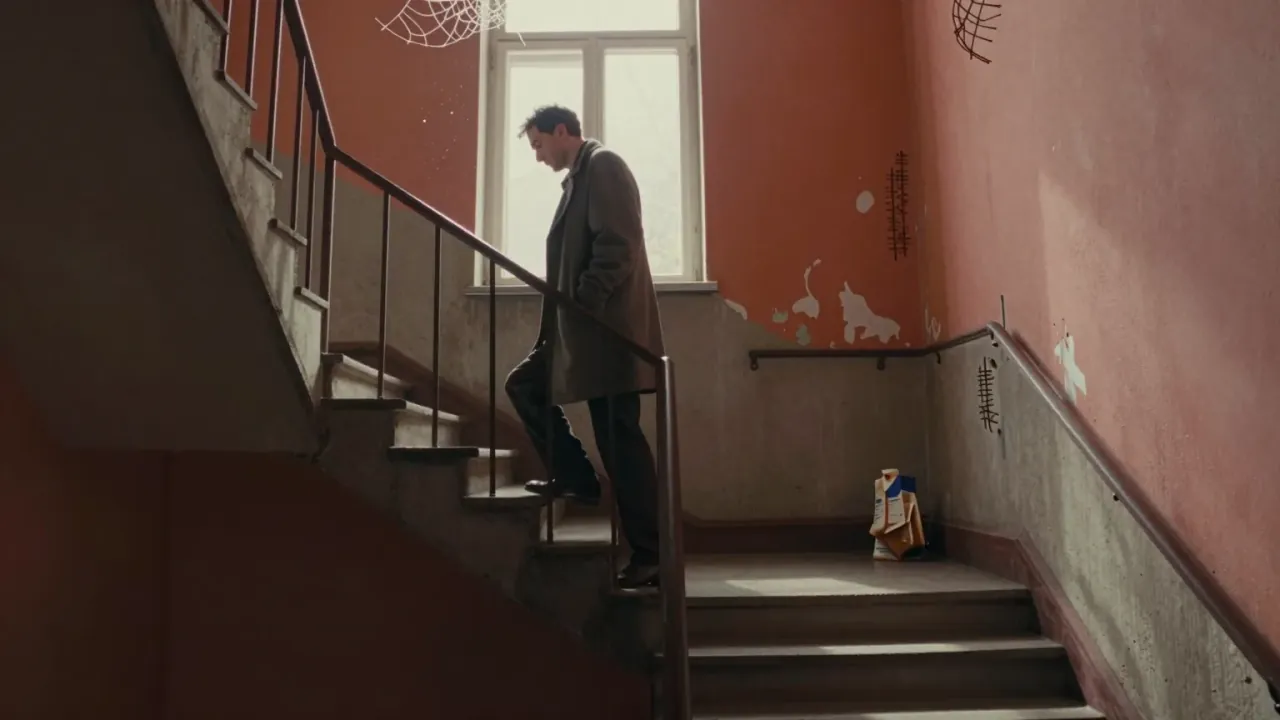
Krzysztof Kieślowski’s 1989 ten-part Polish television series The Decalogue explores everyday ethical dilemmas in a Warsaw housing estate. Each self-contained episode, written with Krzysztof Piesiewicz and shot by three cinematographers, treats a moral question loosely linked to one of the Ten Commandments — without naming them, without preaching, and without resolution. Starring Artur Barciś, Krystyna Janda, and others, and scored by Zbigniew Preisner, it is a study in restraint: in performance, image, sound, and consequence.

13:00

The Double Life of Véronique

Krzysztof Kieślowski · 1991

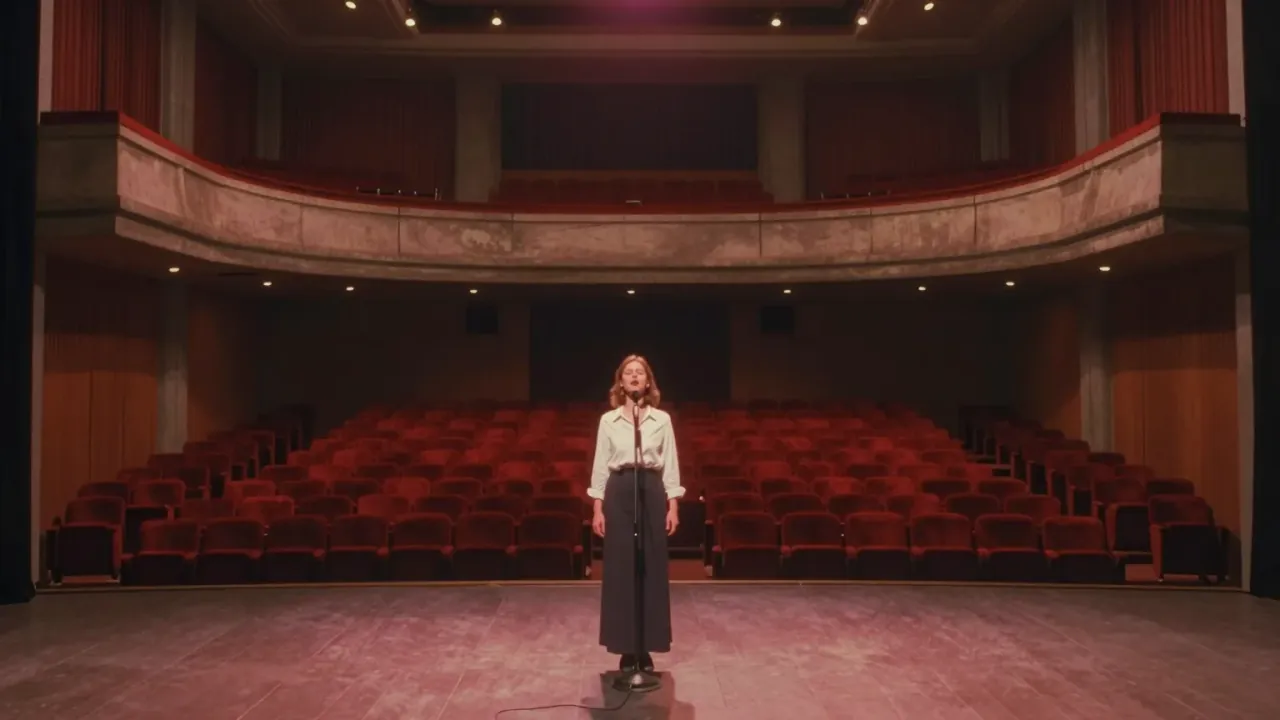
Krzysztof Kieślowski’s 1991 metaphysical portrait follows two women—Weronika in Poland and Véronique in France—who share a face, a voice, and an unexplained emotional tether. Shot by Sławomir Idziak with diffused, saturated light and scored by Zbigniew Preisner under the fictional name Van den Budenmayer, it builds meaning through recurrence, texture, and silence rather than exposition. Irène Jacob gives a performance of extraordinary subtlety, registering shifts in feeling before thought catches up. The film refuses to explain its central mystery, treating doubleness not as plot device but as perceptual condition.