Saved
Director · 1929–2025

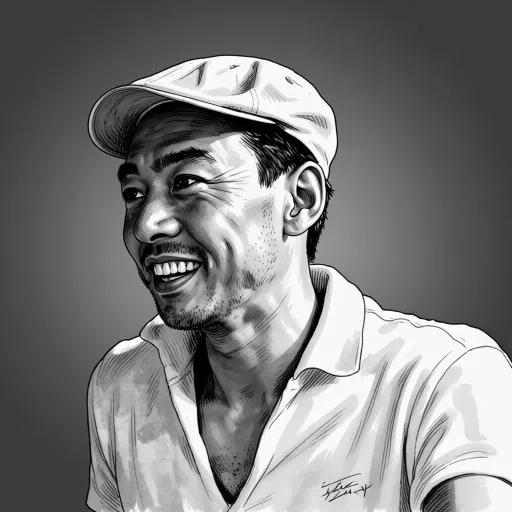
Kazuo Ikehiro

3
briefs
13:00
average
39 min
in total
On film.briefs3
13:00

Zatoichi and the Chest of Gold

Kazuo Ikehiro · 1964

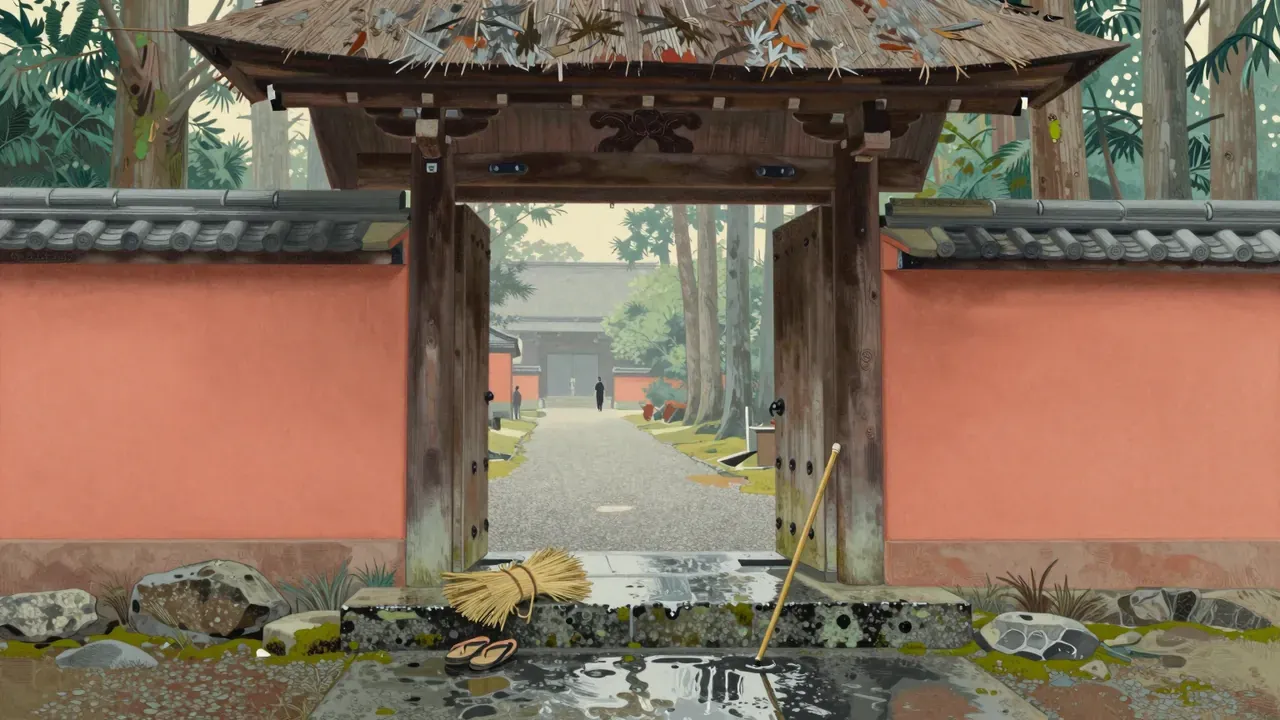
In Japan, 1964, Zatoichi travels to a drought-stricken village to pay respects at a grave — only to become entangled in the theft of 1,000 ryo raised for taxes. As corrupt officials, rogue samurai, and desperate bandits converge, he navigates a web of complicity without recourse to vengeance. Directed by Kazuo Ikehiro and shot by Kazuo Miyagawa, this sixth Zatoichi film marks a formal and ethical shift: quieter, more politically attentive, and anchored in the material reality of feudal obligation.
13:00

Zatoichi's Flashing Sword

Kazuo Ikehiro · 1964

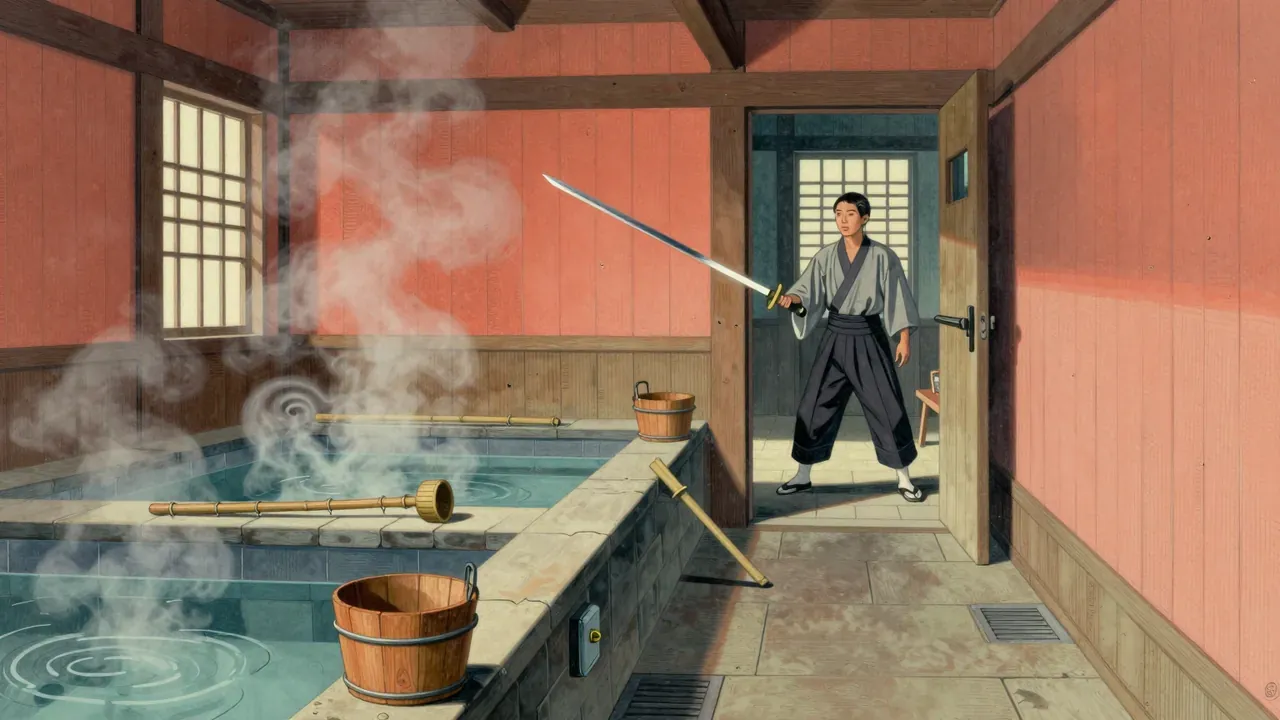
The seventh Zatoichi film finds Shintarō Katsu’s blind swordsman recovering from an ambush, taking refuge in a riverside town, and becoming entangled in a feud between rival bosses over control of a river crossing. Directed with unshowy precision by Kazuo Ikehiro and written by Minoru Inuzuka, it leans on the series’ established grammar — terse dialogue, tactile action, moral economy — rather than expanding its scope. The fireworks promised early on become both deadline and motif, framing a climax that is less about vengeance than restoration of balance. It is a work of continuity, not rupture.

13:00

Zatoichi's Pilgrimage

Kazuo Ikehiro · 1966

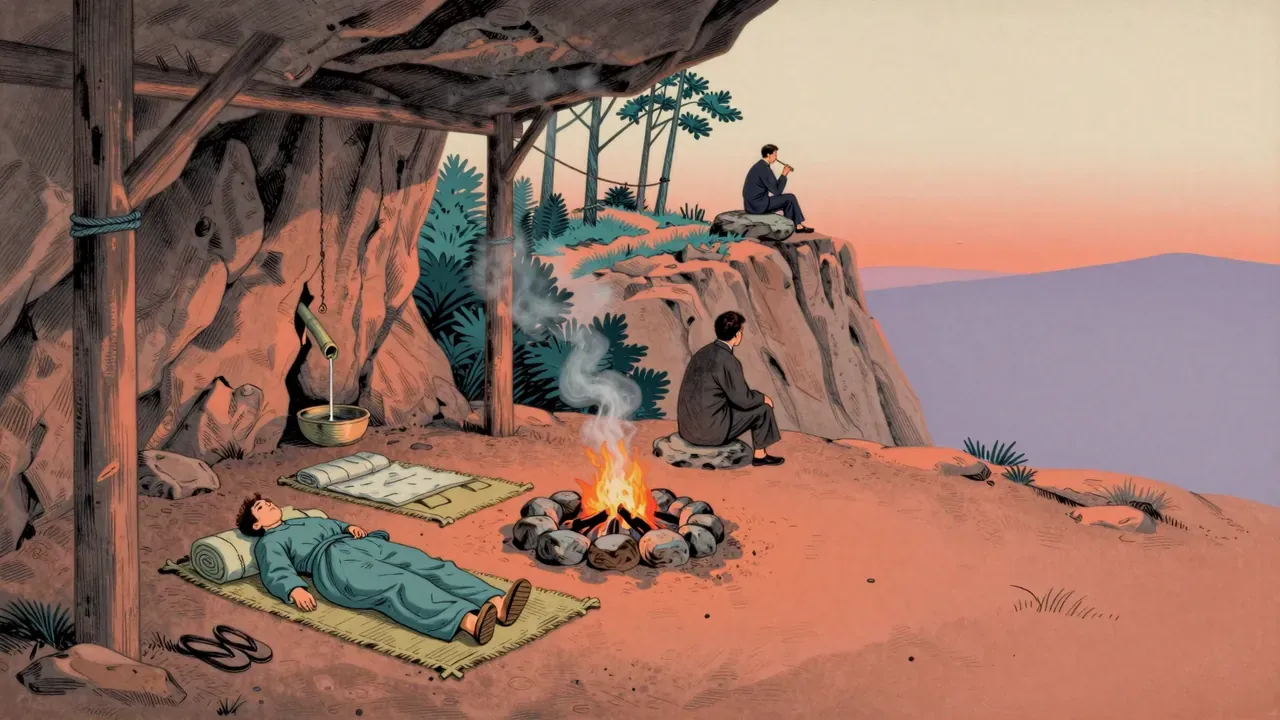
The fourteenth Zatoichi film sees Shintarō Katsu’s blind swordsman undertake the Shikoku pilgrimage, seeking quiet reckoning rather than redemption. Directed by Kazuo Ikehiro with script by Kaneto Shindō, it trades action set-pieces for sustained atmosphere, subtle performance, and restrained craft. Violence is brief and consequential; stillness is prolonged and meaningful. The film’s strength lies in its commitment to rhythm over revelation, repetition over resolution.