
Saved
Director · Screenwriter · 1910–1989

Karel Zeman

3
briefs
13:00
average
39 min
in total
On film.briefs3
13:00

Invention for Destruction

Karel Zeman · 1958

Invention for Destruction (1958) is a Czechoslovak science fiction film directed by Karel Zeman, adapting Jules Verne not literally but visually — recreating the line-engraved aesthetic of nineteenth-century editions through hand-textured sets, stop-motion, matte paintings and stylised performance. Starring Lubor Tokoš and Miloslav Holub, it follows an inventor’s quest to prevent a weapon of mass destruction, using Verne’s submarines, airships and volcanic islands as stages for a unified graphic vision. Scored by Zdeněk Liška and shot by Jiří Tarantík, it remains a landmark of animated integration and period-specific worldbuilding.
13:00

Journey to the Beginning of Time

Karel Zeman · 1955

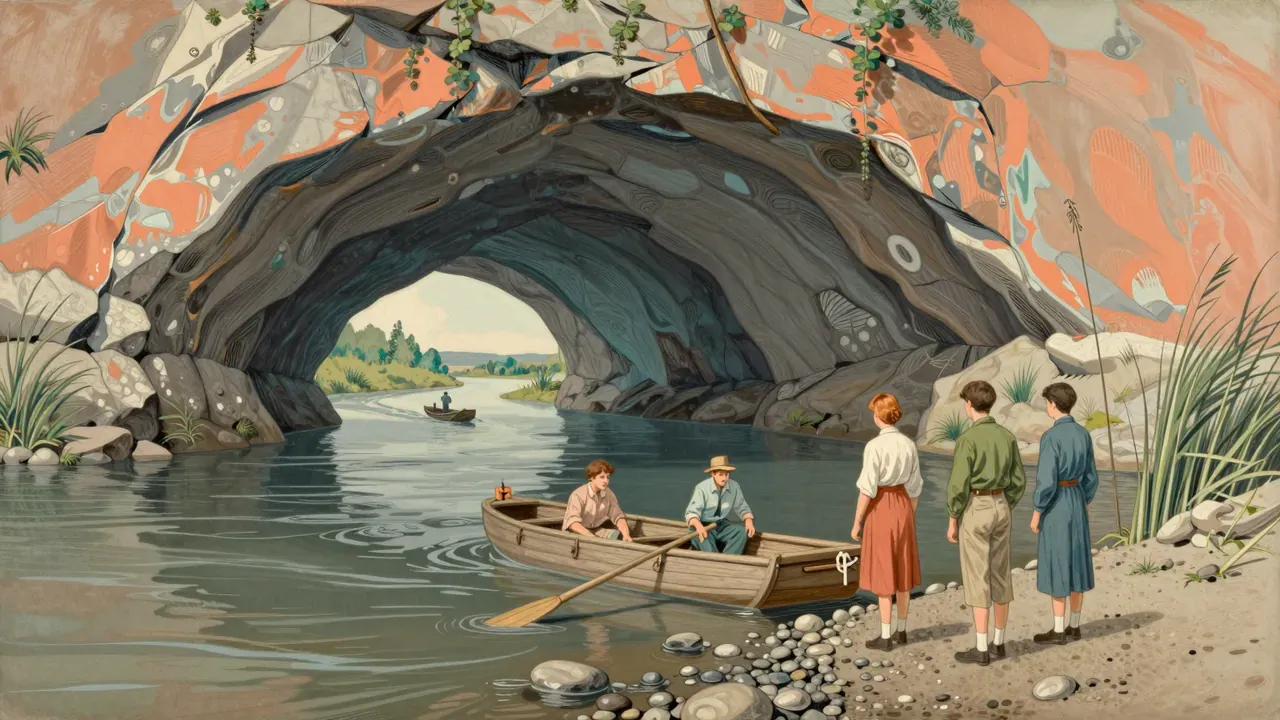
Journey to the Beginning of Time (1955) is a Czechoslovak science fiction film directed by Karel Zeman, in which four teenagers row up a river that carries them backward through geological time. Using a blend of live action, stop-motion, 2-D cut-outs, and studio sets—all inspired by palaeo-artist Zdeněk Burian—it illustrates prehistoric life with scientific rigour and visual coherence. The film avoids narrative convention in favour of pedagogical sequencing, treating epochs as habitats and observation as method. Though modest in budget and scope, its integration of craft, content, and calm authority makes it a landmark of cinematic science communication.

13:00

The Fabulous Baron Munchausen

Karel Zeman · 1962

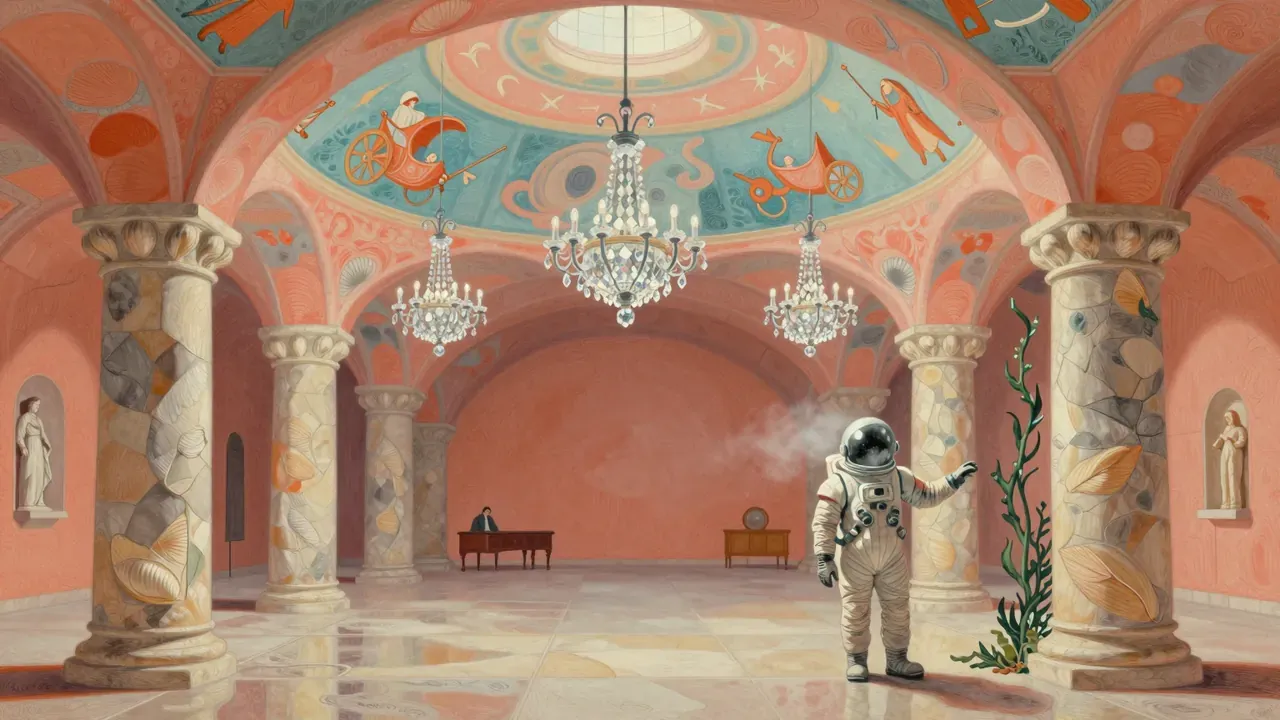
Karel Zeman’s 1962 The Fabulous Baron Munchausen reimagines the legendary raconteur as a conductor of visual worlds, not a teller of lies. Using live-action actors layered into hand-drawn, animated, and lithographic backdrops inspired by Gustave Doré, the film follows a cosmonaut who lands on the Moon and is escorted by Baron Munchausen through a fantastical, anachronistic Ottoman Empire. With music by Zdeněk Liška and cinematography by Jiří Tarantík, it privileges texture, rhythm, and stylistic unity over psychological realism or narrative drive — a meticulously crafted, gently satirical celebration of storytelling as craft.