Saved
Director · 1926–2003

John Schlesinger

3
briefs
13:00
average
39 min
in total
On film.briefs3
13:00

Billy Liar

John Schlesinger · 1963

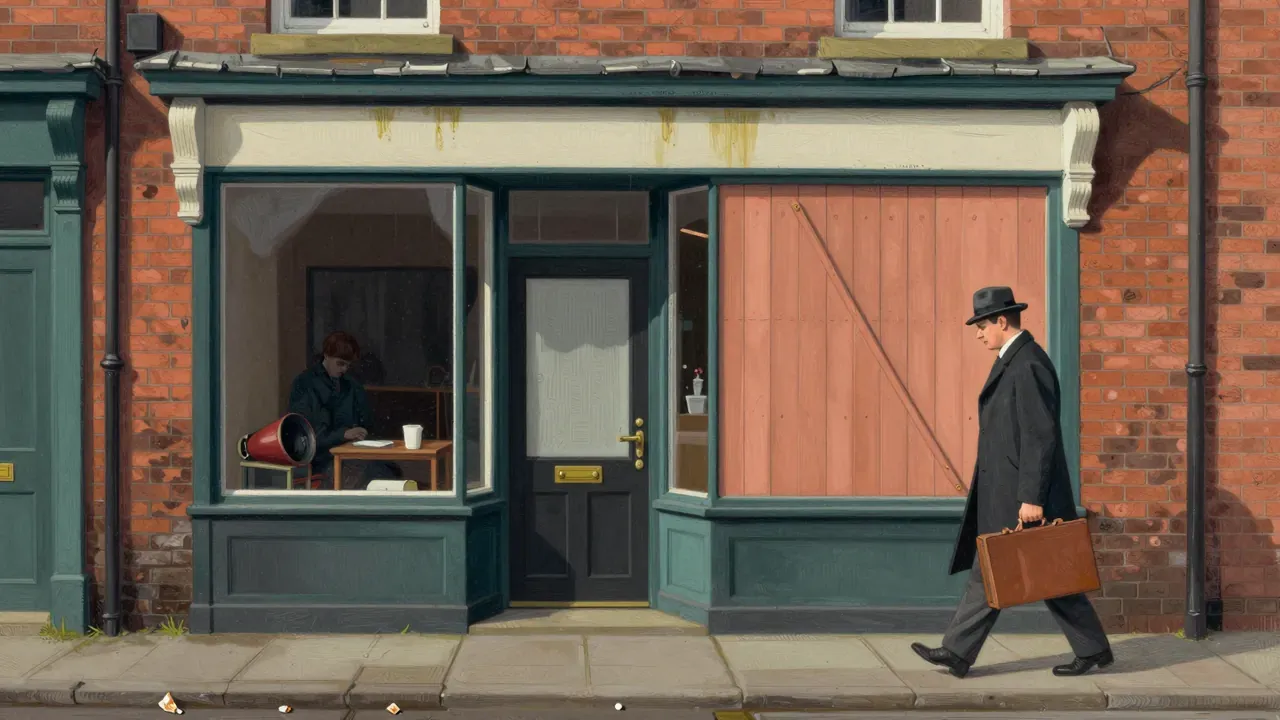
A 1963 British tragicomedy starring Tom Courtenay as Billy Fisher, a young undertaker’s clerk in Yorkshire whose elaborate fantasies of ruling the imaginary nation of Ambrosia mask his inability to act on real desire. Directed by John Schlesinger and adapted by Willis Hall from Keith Waterhouse’s novel, it uses real locations in Bradford and Denys Coop’s CinemaScope photography to anchor its surrealism in social reality. The film ends not with escape but with Billy stepping off a train to London—and walking home alone.
13:00

Midnight Cowboy

John Schlesinger · 1969

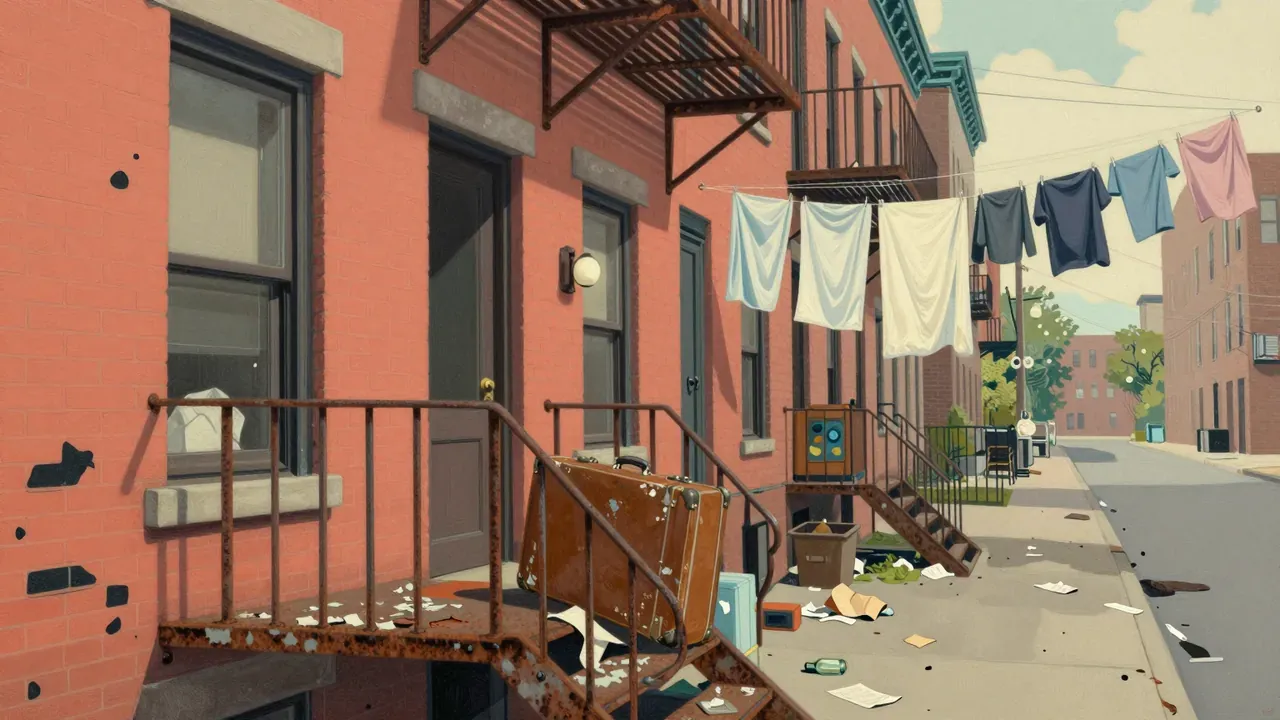
Midnight Cowboy follows Joe Buck, a Texan who arrives in New York dressed as a cowboy to become a male prostitute, and Ratso Rizzo, a sickly con man who becomes his reluctant partner in survival. Set against the grimy, unglamorous backdrop of late-1960s Manhattan, the film charts their slow descent into mutual dependence, not friendship. With restrained performances, unsentimental cinematography, and a script that trusts silence over exposition, it renders marginality as lived reality rather than social commentary. It won Best Picture despite its X rating — the only film to do so — and remains a benchmark of American dramatic realism.

13:00

Sunday, Bloody Sunday

John Schlesinger · 1971

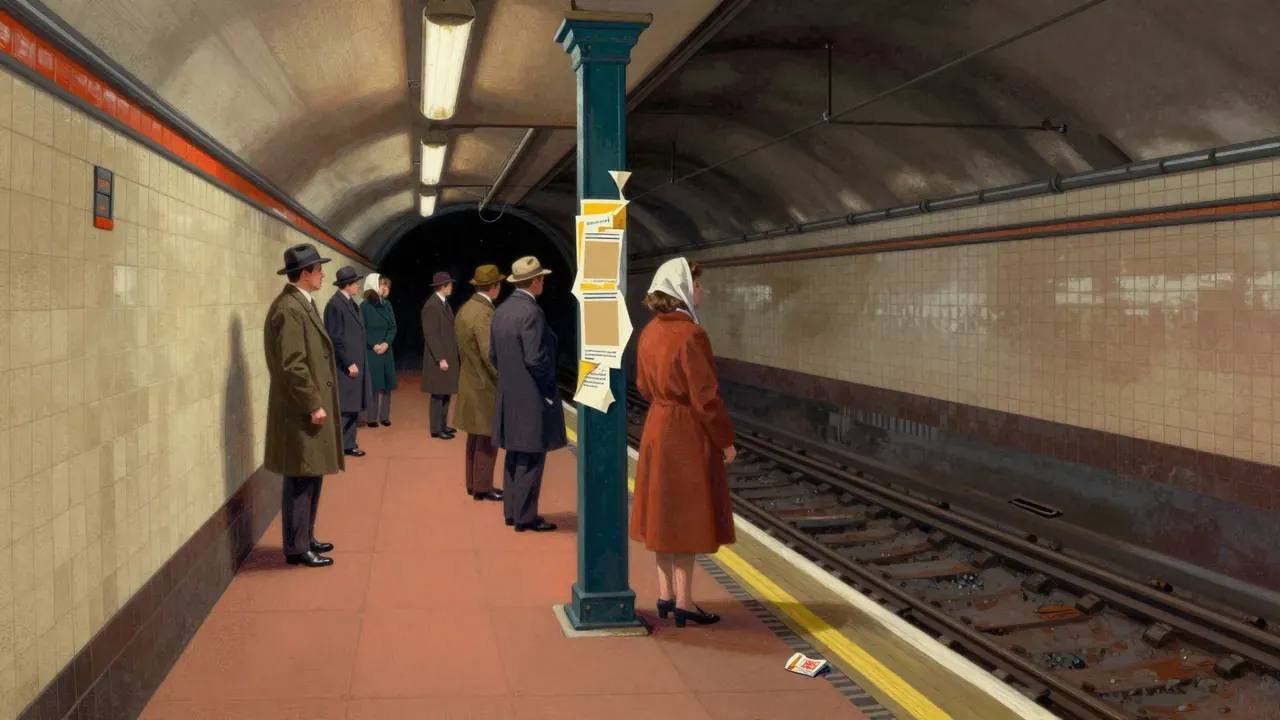
Sunday, Bloody Sunday (1971) follows a love triangle in London between a gay Jewish doctor, a divorced recruitment consultant, and a younger bisexual sculptor. Directed by John Schlesinger and written by Penelope Gilliatt and David Sherwin, it avoids moralising or melodrama, instead holding its characters’ contradictions in steady, unsentimental focus. Glenda Jackson and Peter Finch deliver restrained, deeply felt performances; Billy Williams and David Harcourt’s cinematography grounds the story in quiet realism. Though structurally austere and emotionally reserved, the film remains a landmark for its mature treatment of sexuality, identity, and the quiet costs of openness.