filmbriefs
Actor · 1908–2005

John Mills

6
briefs
13:00
average
78 min
in total
On film.briefs6
13:00

Hobson's Choice

David Lean · 1954

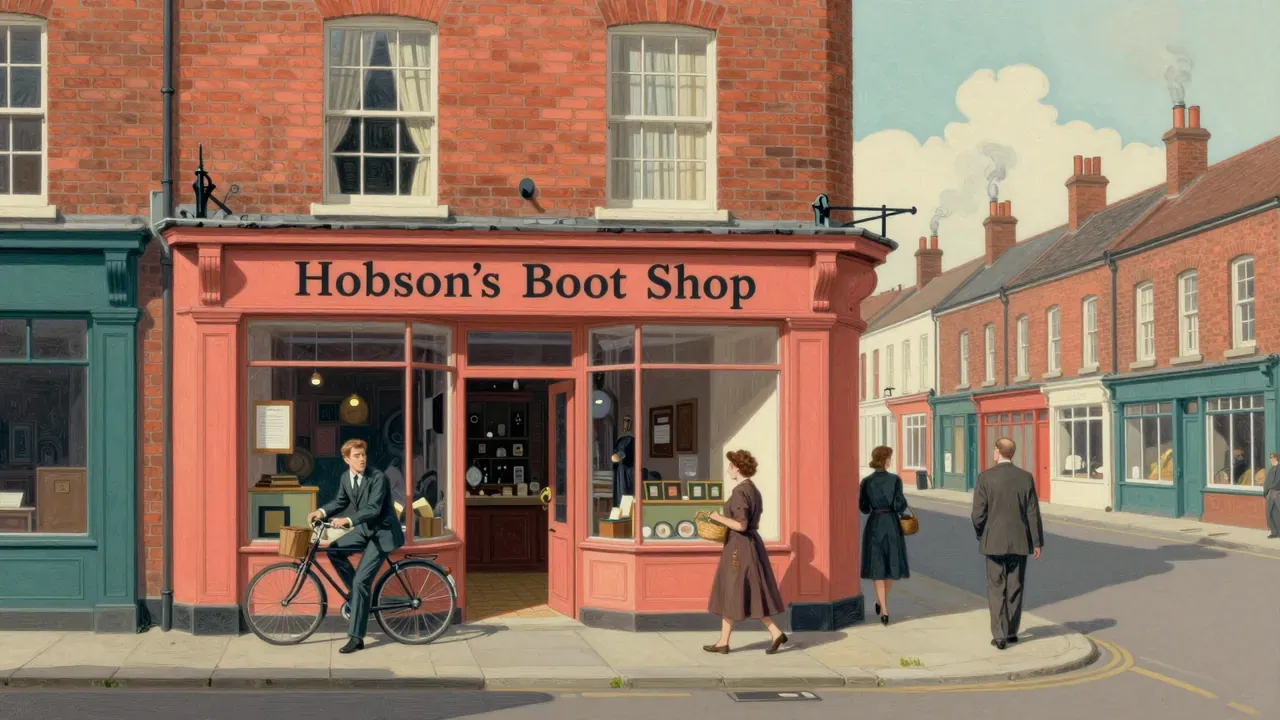
David Lean’s 1954 adaptation of Harold Brighouse’s play follows Maggie Hobson as she marries bootmaker Will Mossop to escape her tyrannical father’s household, then builds a rival business with him in 1880 Salford. Grounded in precise performance and restrained craft, it treats class, literacy, and domestic labour as material forces — not metaphors — and locates dignity in incremental, negotiated change.
13:00

In Which We Serve

Noël Coward, David Lean · 1942

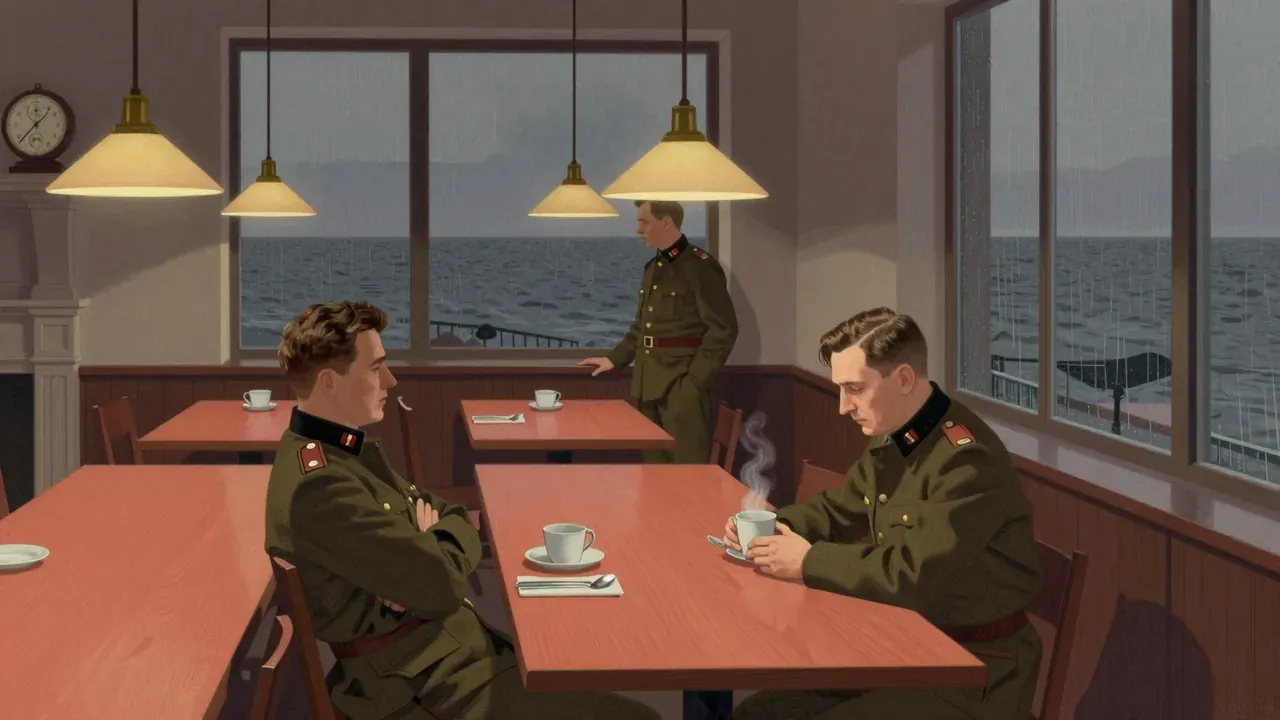
Made in 1942 with Ministry of Information backing, In Which We Serve tells the story of HMS Torrin through flashbacks from survivors adrift after its sinking off Crete. Directed by Noël Coward and David Lean, it traces the ship’s commissioning, service at Narvik and Dunkirk, and the private lives of its crew — from Captain Kinross to sailor Shorty Blake. Its power lies in restraint: understated performances, muted cinematography, and a structure that treats duty as continuity, not climax.

13:00

This Happy Breed

David Lean · 1944

David Lean’s 1944 debut follows the Gibbons family across twenty years of peace and gathering storm in suburban London. Anchored by Robert Newton and Celia Johnson, it charts domestic life against national events — the General Strike, the rise of fascism, the abdication — not through speeches or spectacle, but through wallpaper, radio sets, and the weight of unspoken grief. Shot in muted Technicolor and edited with Lean’s signature temporal bleed, it is a film of accumulation: small details, repeated gestures, returning spaces. Its power lies in endurance, not revelation.

13:00

Tunes of Glory

Ronald Neame · 1960

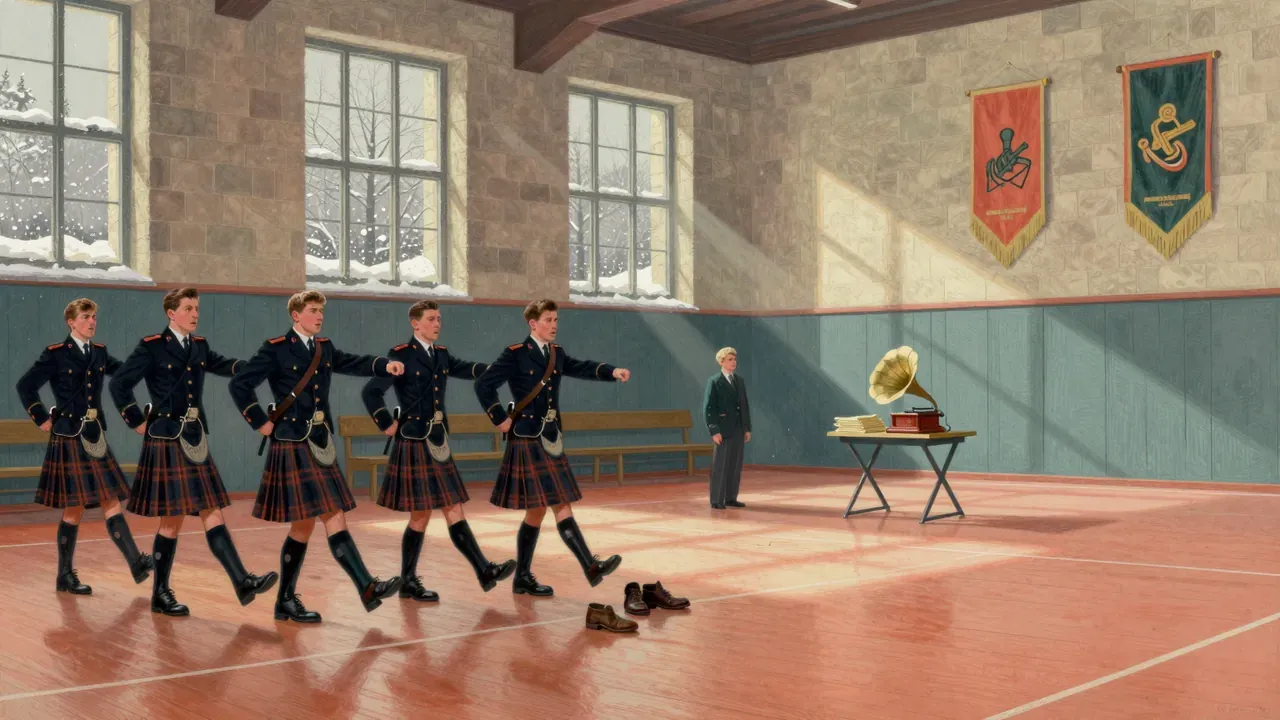
Set in a Highland regimental barracks in January 1948, Tunes of Glory follows the fraught handover of command from battle-hardened Lieutenant-Colonel Jock Sinclair to Oxford-educated Colonel Basil Barrow. As Barrow enforces peacetime discipline, Sinclair’s authority unravels, exposing fault lines of class, trauma, and institutional loyalty. Directed by Ronald Neame from James Kennaway’s novel, the film relies on restrained performances, tightly controlled cinematography, and Malcolm Arnold’s austere pipe-led score to build psychological pressure without melodrama.

13:00

Great Expectations

David Lean · 1946

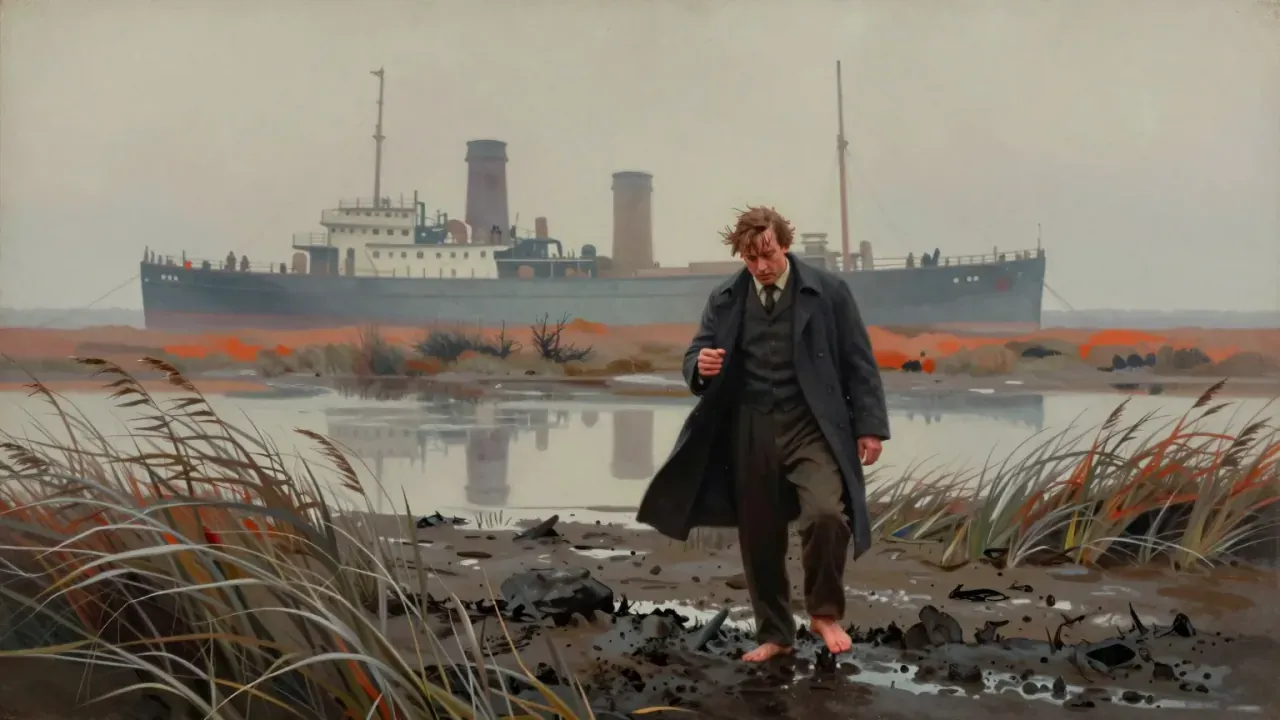
David Lean’s 1946 adaptation of Great Expectations condenses Dickens’s novel into a tightly composed black-and-white drama. Shot by Guy Green and designed by John Bryan and Wilfred Shingleton, it uses setting, light and restraint to convey Pip’s moral education and the corrosive legacy of class and abandonment. Though some psychological nuance is lost in compression, its formal discipline and emotional precision have secured its status as a landmark of British cinema.

13:00

Ryan's Daughter

David Lean · 1970

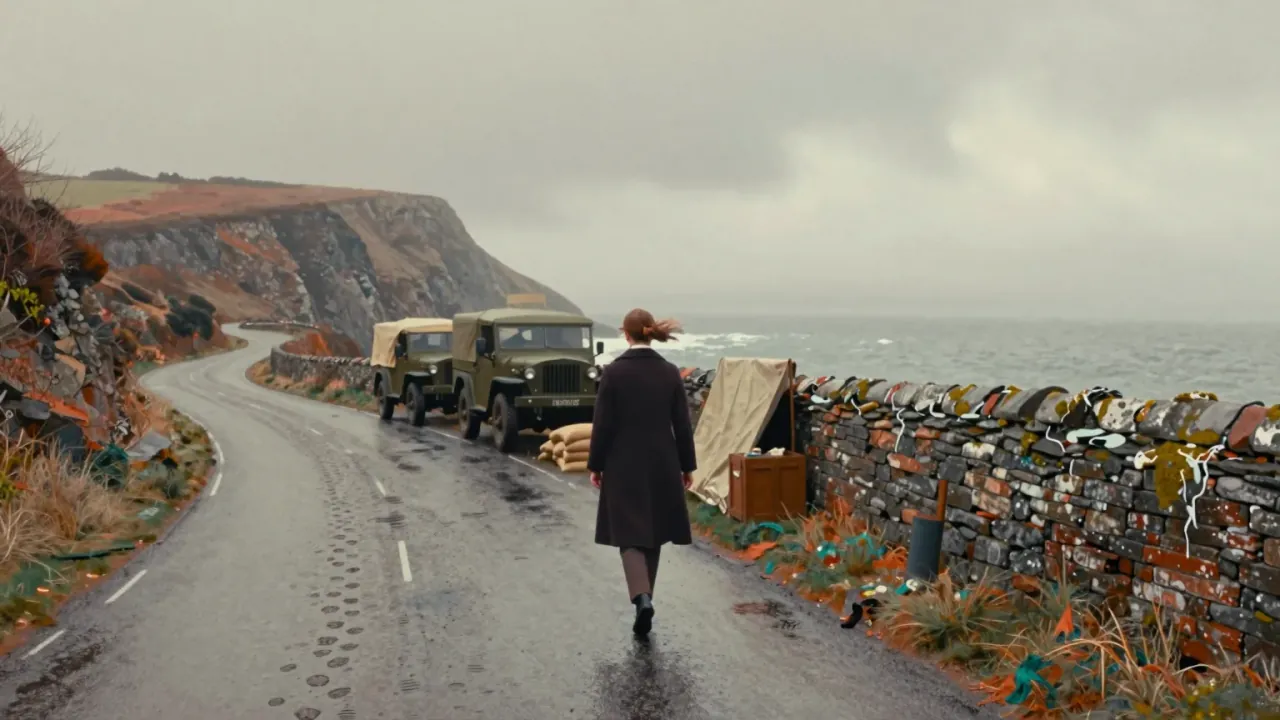
David Lean’s 1970 film transposes Madame Bovary to wartime Ireland, following Rosy Ryan’s affair with a British officer amid nationalist suspicion and coastal isolation. At 189 minutes, it leans into duration, weather, and visual texture over psychological exposition. Freddie Young’s cinematography and Maurice Jarre’s score anchor its scale, while Robert Mitchum and John Mills deliver its most grounded performances. Critically divisive on release, it remains a demanding, atmospheric study of visibility, consequence, and containment — best approached as a work of sustained mood, not narrative drive.