filmbriefs
Actor · 1929–2010

Jean Simmons

6
briefs
13:00
average
78 min
in total
On film.briefs6
13:00

Androcles and the Lion

Chester Erskine, Nicholas Ray · 1952

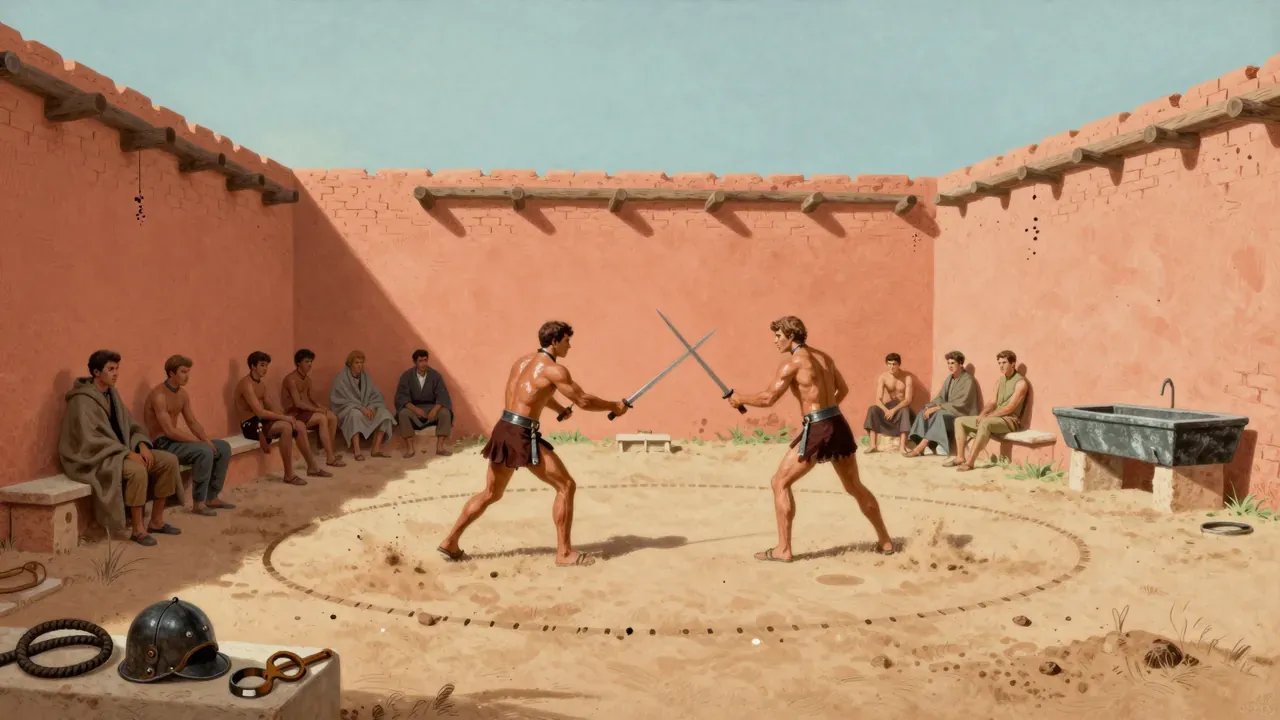
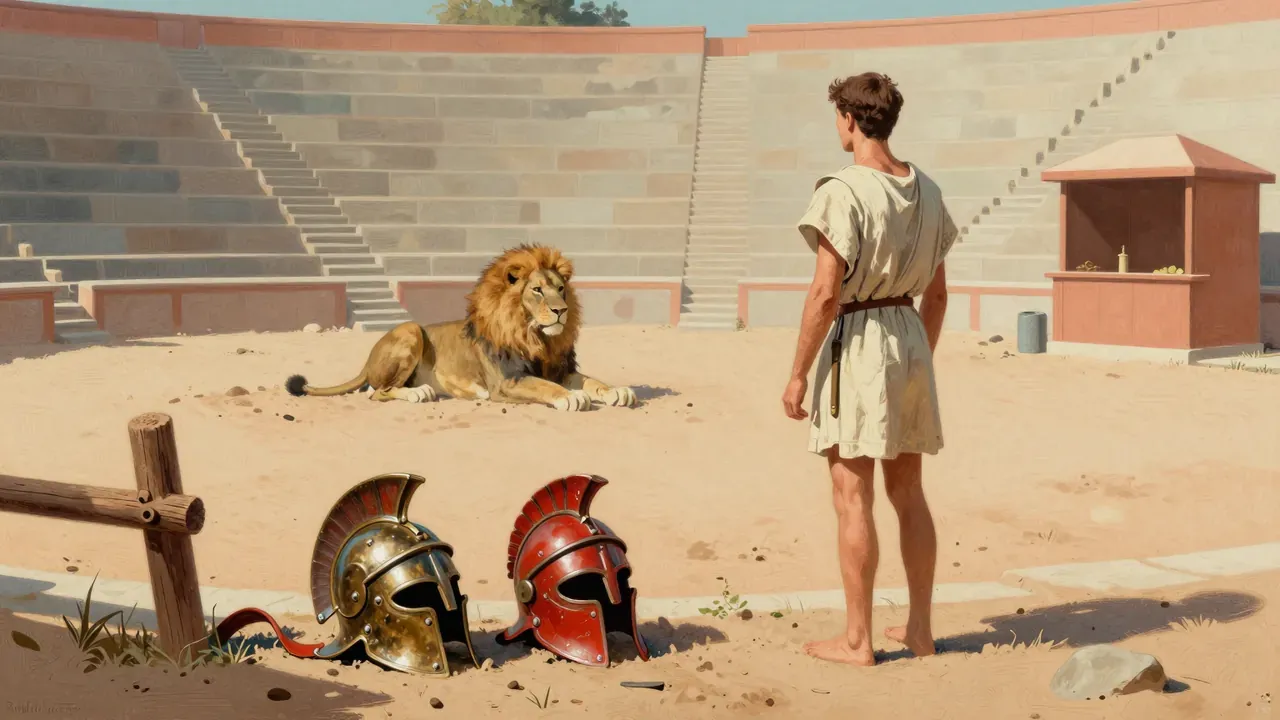
RKO’s 1952 Androcles and the Lion adapts George Bernard Shaw’s 1912 play with strict fidelity to his text, casting Alan Young as a gentle Christian tailor who befriends a lion in the Roman wilderness. Directed by Chester Erskine and Nicholas Ray, it foregrounds verbal wit over visual spectacle, staging philosophical debate in studio-bound sets. Though reshoots added arena theatrics, the film’s strength remains its unflinching commitment to Shaw’s irony, pacifism, and bureaucratic satire—making it a rare, talkative anomaly in the sword-and-sandal cycle.
13:00

Caesar and Cleopatra

Gabriel Pascal · 1945

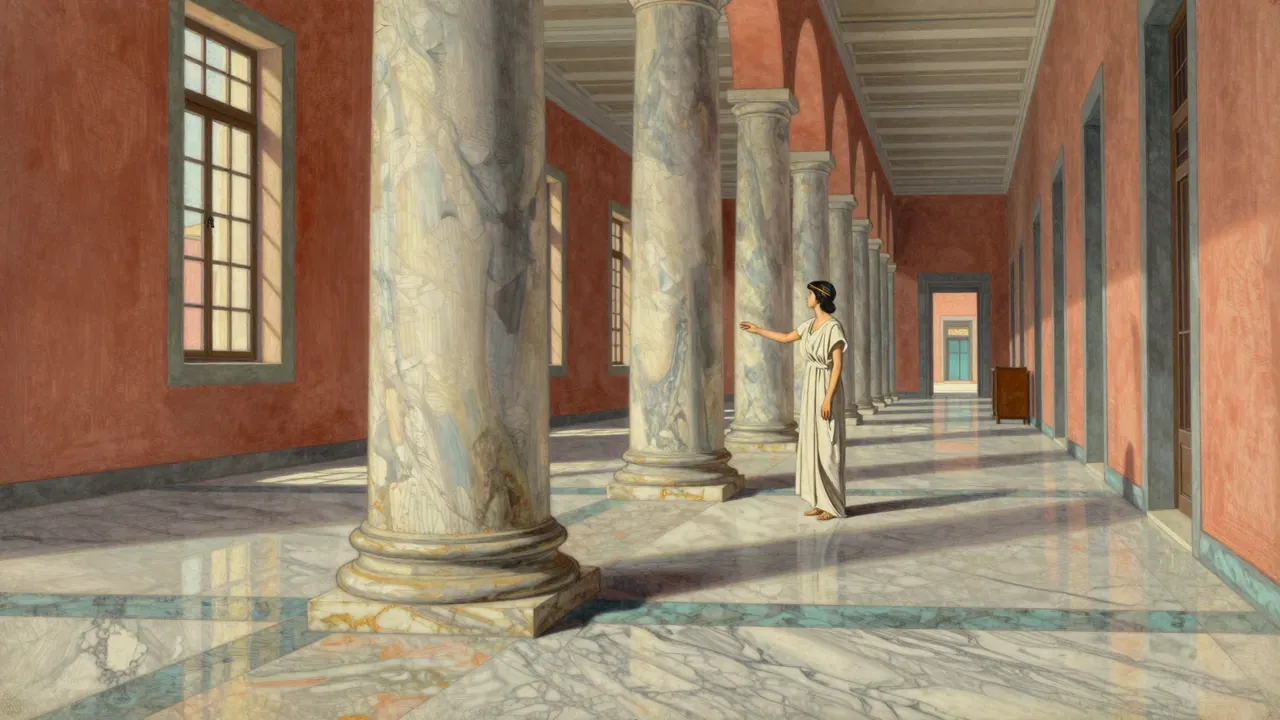
Gabriel Pascal’s 1945 Technicolor film adapts George Bernard Shaw’s 1901 play with near-verbatim fidelity. Starring Vivien Leigh and Claude Rains, it follows Cleopatra’s tutelage under Caesar during the Siege of Alexandria. Lavish in scale but restrained in execution, it privileges dialogue, idea and historical procedure over spectacle or sentiment. Though a financial failure on release, it endures as a rare example of British studio craft applying philosophical seriousness to ancient subject matter.

13:00

Hamlet

Laurence Olivier · 1948

Laurence Olivier’s 1948 Hamlet is a tightly focused, black-and-white adaptation that cuts over half the play to centre Hamlet’s paralysed will and moral uncertainty. Shot by Desmond Dickinson with deep focus and scored by William Walton, it uses sound design, editing, and performance to render interiority as physical fact. Though controversial among purists for its omissions — including Fortinbras and Rosencrantz and Guildenstern — it won Best Picture and Best Actor at the 1949 Oscars, and remains a landmark of Shakespearean cinema for its formal rigour and psychological intensity.

13:00

Spartacus

Stanley Kubrick · 1960

Stanley Kubrick’s 1960 Spartacus adapts Howard Fast’s novel via Dalton Trumbo’s blacklisted script, telling the story of a slave revolt not as myth but as moral architecture. Kirk Douglas stars as Spartacus, with Laurence Olivier, Peter Ustinov, and Jean Simmons in key roles. Shot across California locations including Hearst Castle and Wildwood Park, its Oscar-winning art direction and cinematography render Rome as a study in hierarchy — accent, space, and light all coded by class. Though structurally uneven and romantically thin, its enduring power lies in its deliberate, collective gaze and the historic courage of its authorship.

13:00

Black Narcissus

Emeric Pressburger, Michael Powell · 1947

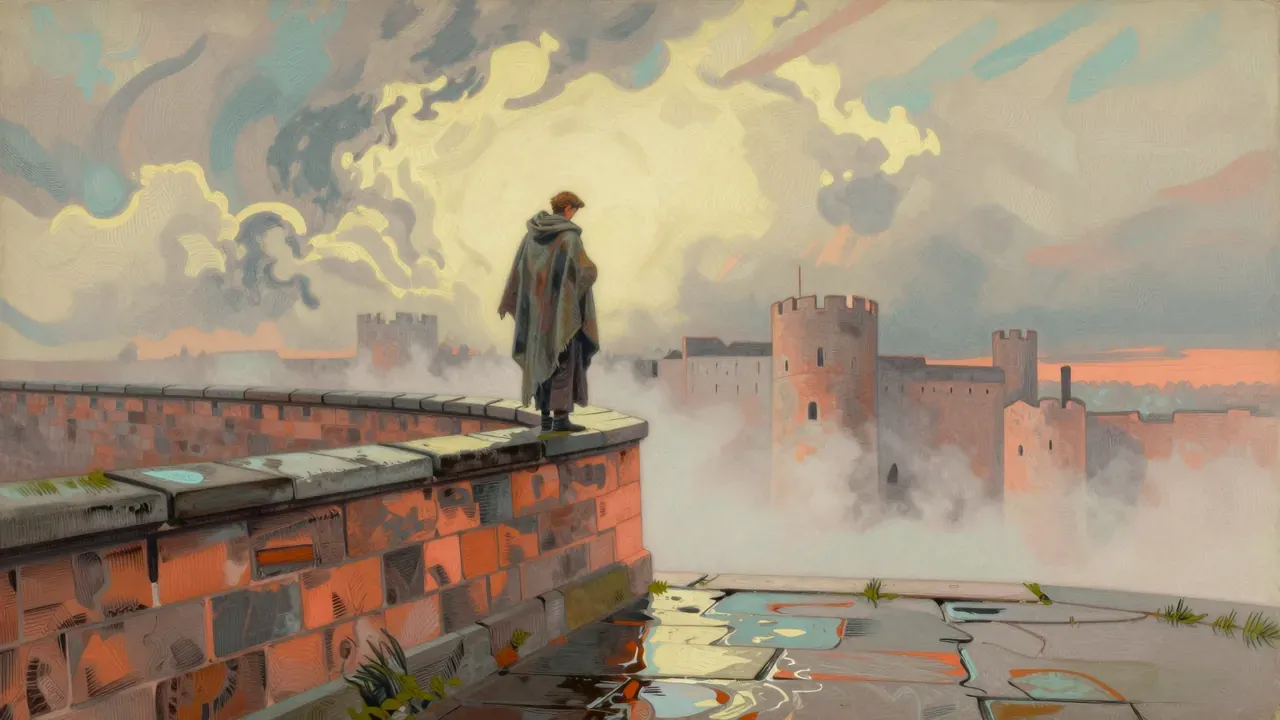
Black Narcissus (1947) is a British psychological drama directed by Michael Powell and Emeric Pressburger, adapted from Rumer Godden’s novel. Set in a remote Himalayan palace converted from a harem, it follows a group of Anglican nuns whose mission unravels under isolation, climate and unspoken desire. Shot almost entirely at Pinewood Studios using matte paintings and expressive Technicolor, it prioritises mood and interiority over realism or cultural specificity. Jack Cardiff’s cinematography won an Academy Award, as did Alfred Junge’s production design. The film remains a landmark of studio craft — formally rigorous, emotionally precise, ethically circumscribed.

13:00

Great Expectations

David Lean · 1946

David Lean’s 1946 adaptation of Great Expectations condenses Dickens’s novel into a tightly composed black-and-white drama. Shot by Guy Green and designed by John Bryan and Wilfred Shingleton, it uses setting, light and restraint to convey Pip’s moral education and the corrosive legacy of class and abandonment. Though some psychological nuance is lost in compression, its formal discipline and emotional precision have secured its status as a landmark of British cinema.