filmbriefs
Actor · 1899–1971

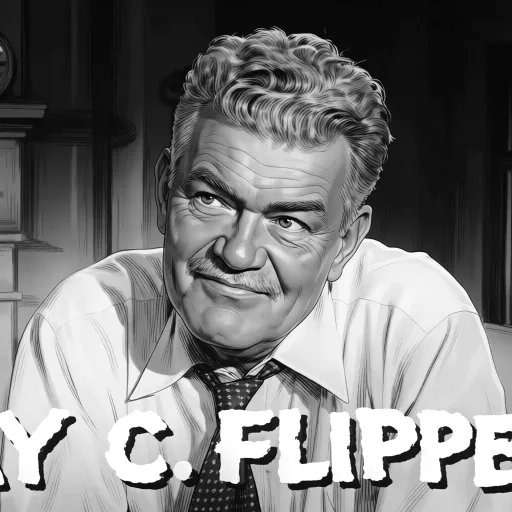
Jay C. Flippen

4
briefs
13:00
average
52 min
in total
On film.briefs4
13:00

Brute Force

Jules Dassin · 1947

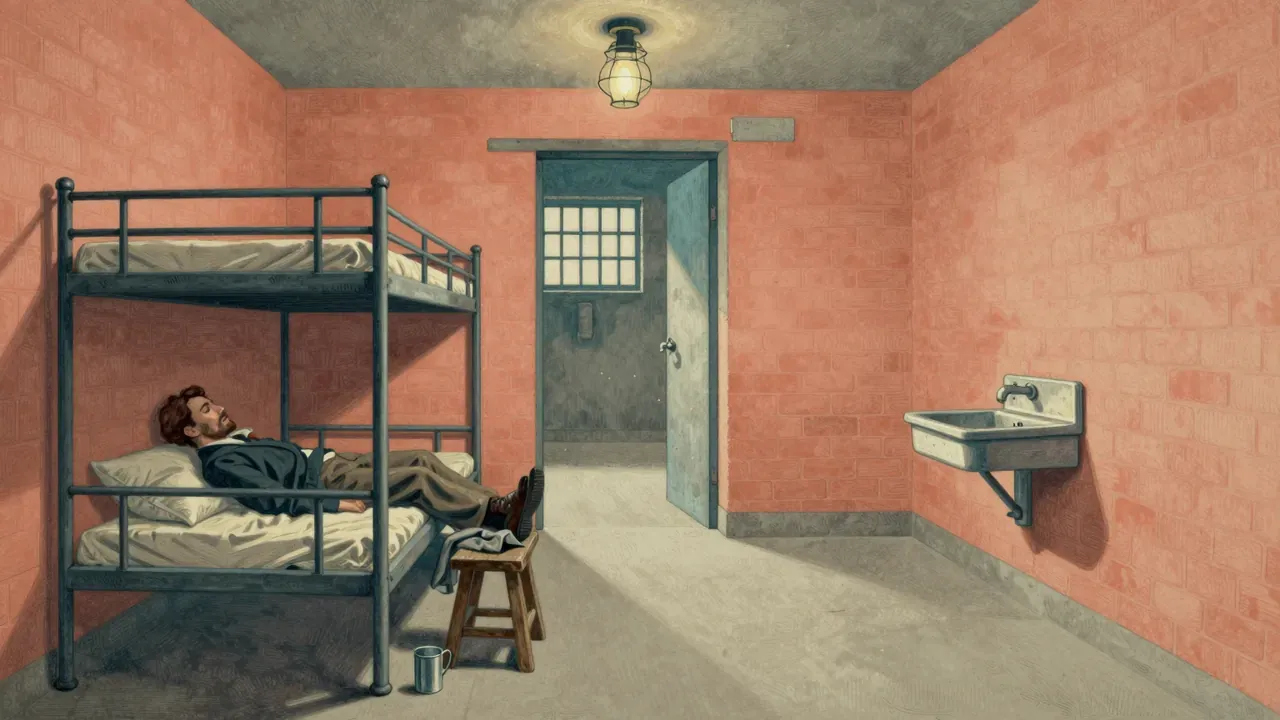
Brute Force (1947) is a tightly wound crime drama set inside Westgate Prison, where Capt. Munsey’s sadistic enforcement and Warden Barnes’ passivity create a powder keg. When Joe Collins organises an escape, the system responds not with reform but with annihilation. Directed by Jules Dassin and written by Richard Brooks, it uses noir’s visual austerity and moral severity to mount a sustained critique of punitive justice — not as aberration, but as design.
13:00

Winchester '73

Anthony Mann · 1950

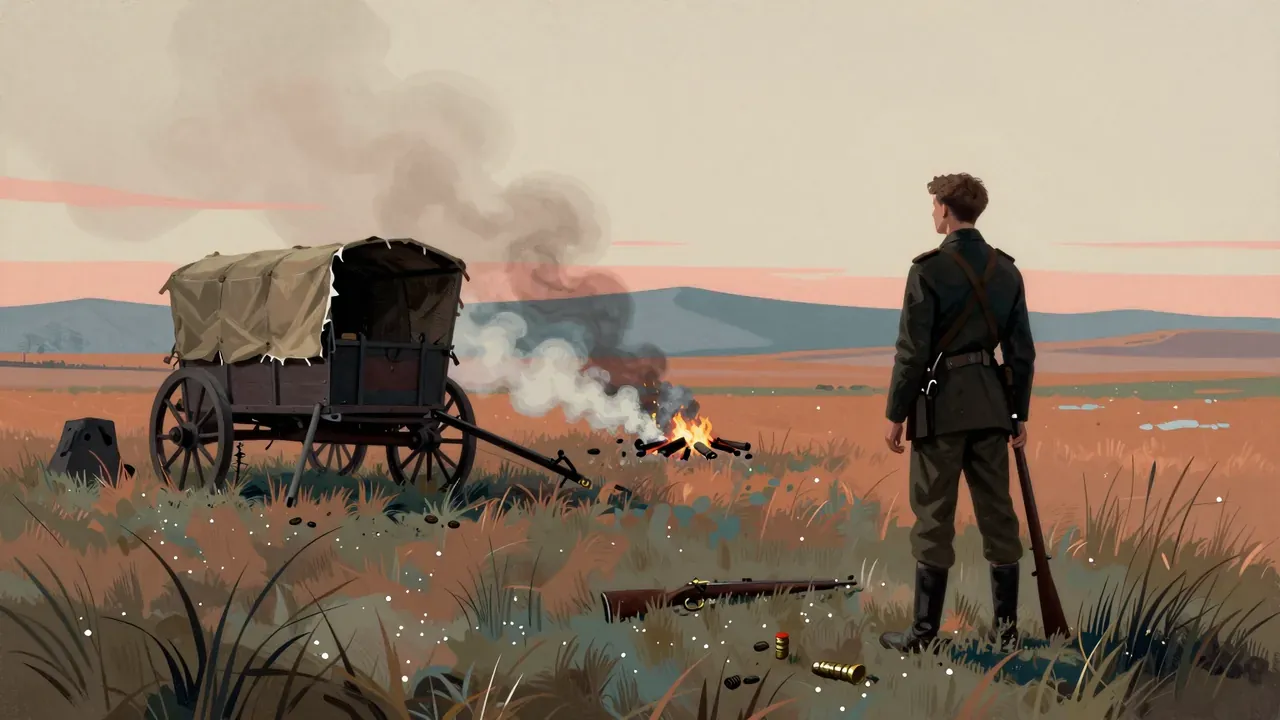
Winchester ’73 (1950), directed by Anthony Mann and starring James Stewart, follows the turbulent passage of a prized Winchester 1873 rifle through seven owners across the American frontier. Structured as a chain of cause and effect rather than a linear quest, it foregrounds economy of form, psychological restraint, and moral ambiguity over myth or spectacle. Though groundbreaking in its use of the 'object-as-plot-engine' and influential on later genre filmmaking, its depiction of Indigenous characters remains reductive and its secondary roles underdeveloped. It rewards attentive, unsentimental viewing.

13:00

The Killing

Stanley Kubrick · 1956

Stanley Kubrick’s 1956 heist film follows Johnny Clay’s meticulously planned racetrack robbery, told in fractured chronology and executed with clinical precision. Built on Jim Thompson’s dialogue and Lionel White’s novel, it privileges structure over psychology, showing how small, unscripted human actions — a drunken appearance, a dropped horseshoe, a burst suitcase — derail even the most rigorous plan. With Sterling Hayden, Marie Windsor, and Elisha Cook Jr., it delivers lean, unsentimental noir grounded in craft, not catharsis.

13:00

They Live by Night

Nicholas Ray · 1948

Nicholas Ray’s 1948 debut follows a young convict and a service-station attendant who marry and flee across Depression-era America. Shot with quiet intensity by George E. Diskant and performed with understated gravity by Farley Granger and Cathy O'Donnell, it treats love and lawlessness as inseparable states — not as rebellion, but as the only possible response to a world that denies them personhood.